Otavalo Ecuador: Best Local Guide to the Market, Lakes & Waterfalls

Most travelers come to Otavalo Ecuador for the Saturday market and most leave Saturday afternoon thinking that’s all there is. They miss the part of Otavalo that actually got me to keep coming back: a sacred crater lake at 3,070 m, an indigenous town that’s been weaving for 500 years, a waterfall you walk to from a cobblestone village, and three leather towns where boots cost a third of what they do in Quito. The market’s great. The region around it is better.
Otavalo Ecuador is a Kichwa indigenous town in Imbabura province, 95 km north of Quito at 2,556 m elevation. Best known for the otavalo market — Saturday’s huge artisan fair on Plaza de los Ponchos — but the otavalo market ecuador locals actually shop is the food market just behind it. Beyond Otavalo imbabura town: Cuicocha crater lake, Peguche waterfall, Cotacachi leather. Where is Otavalo Ecuador? A 2-hour bus from Quito. If you’d rather see Otavalo as part of a longer trip, it’s the first stop on our 5-day Northern Ecuador & Las Lajas tour.
Ecuador & Galápagos Tours of 9 to 14 Days
Otavalo Ecuador at a Glance
- Location: 95 km north of Quito, ~2 hours by bus or car.
- Altitude: 2,532 m — slightly lower than Quito.
- Famous for: The Saturday indigenous market (Plaza de los Ponchos) — South America’s biggest.
- Best day: Saturday (full market) or Wednesday (smaller mid-week version).
- Best time to visit: June-September (drier) or weekdays year-round (less crowded).
- Time needed: A long day trip from Quito works; one night unlocks Cuicocha + leather towns.
The Saturday Market — What’s Real and What’s for Tourists
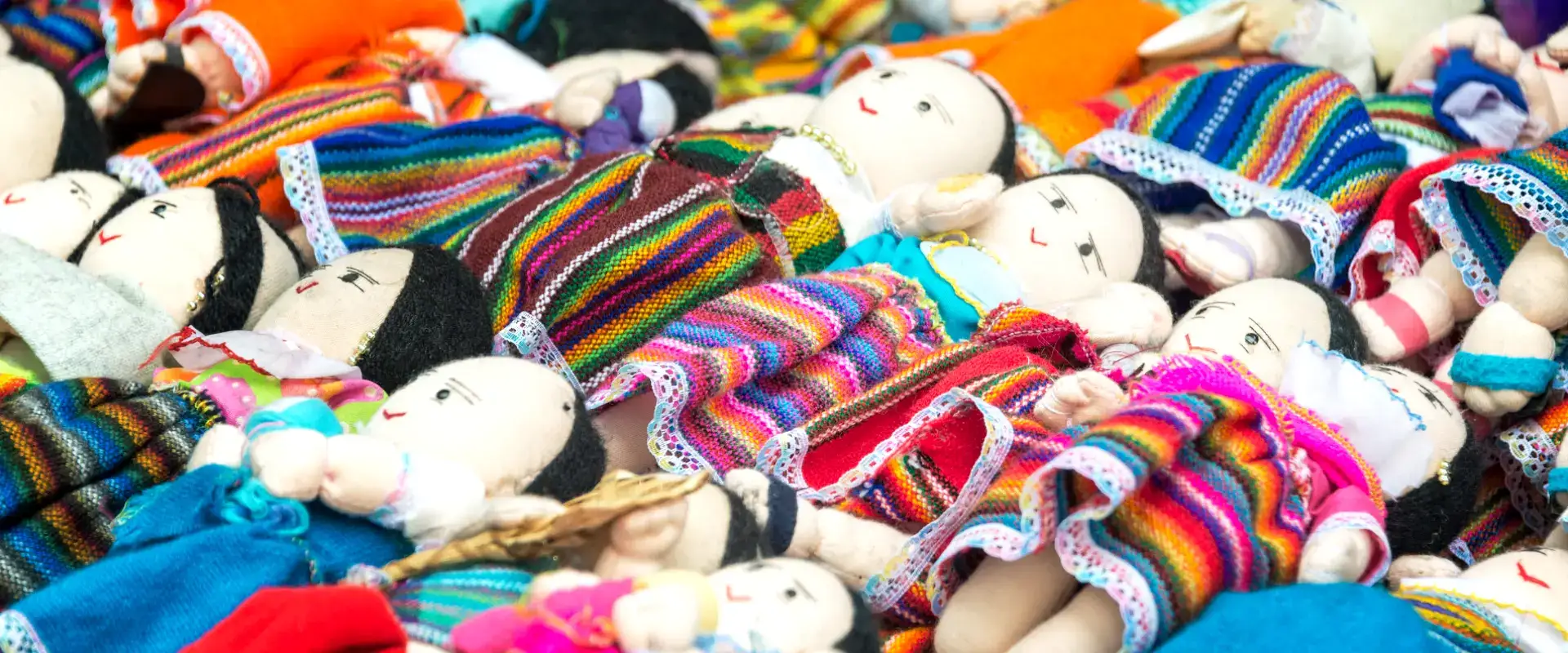
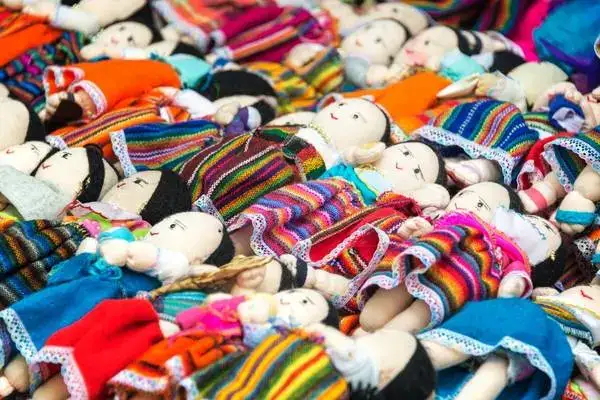
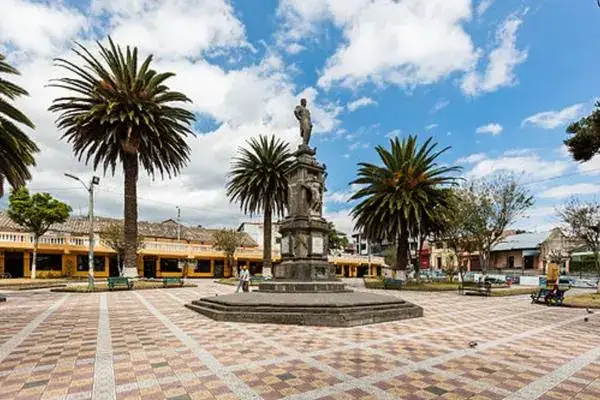
The market splits into two parts most guides don’t separate. Plaza de los Ponchos (also called Plaza Centenario) is the textile market most travelers know — woolen sweaters, alpaca shawls, indigenous embroidery, leather goods, jewelry. It runs every day but is full-strength on Saturday. Prices are negotiable. Bring small bills.
Two blocks east is the animal market (Plaza de Animales), which only runs Saturday morning starting at 5am — yes, 5. Cows, sheep, pigs, chickens, guinea pigs, llamas. It’s where local farmers actually buy and sell, not a tourist attraction. Worth visiting before 7am if you want the most authentic Otavalo experience. Stay respectful — people are working.
Local tip: walk five blocks south to the food market (Plaza 24 de Mayo) for breakfast — a bowl of caldo de gallina (chicken broth) costs $2 and warms you up after the cold animal-market dawn. If you would rather someone else handled the logistics, tell us what you have in mind.
Saturday market timing
- 5am-7am: Animal market opens. Locals only.
- 8am-10am: Best window for textile market — full setup, fewer crowds.
- 10am-2pm: Peak tourist time. Plaza de los Ponchos is packed.
- 2pm-5pm: Vendors start packing. Prices drop slightly. Best for hagglers.
- After 5pm: Mostly gone. Don’t bother arriving late afternoon.
Beyond the Market: What Most Travelers Miss
Lake Cuicocha
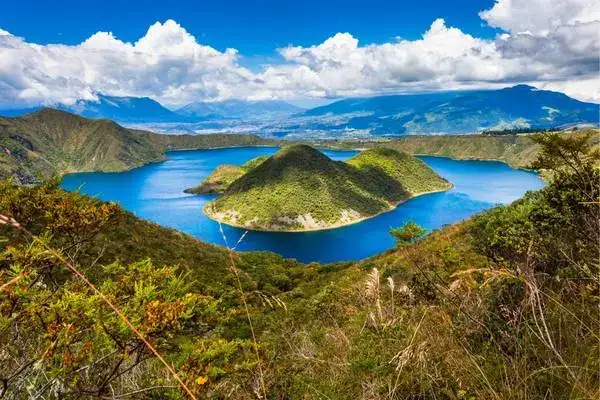
A 3 km wide volcanic crater filled with deep blue water, 14 km west of Otavalo. Two small islands rise from the center (Cuicocha = “guinea pig lake” because the islands look like one). You can walk the full 14 km rim trail in 4-5 hours, do a shorter viewpoint walk in 30 minutes, or take a 30-minute boat ride around the islands ($3). This is the easiest big-payoff trip in the region. Don’t skip.
Peguche Waterfall
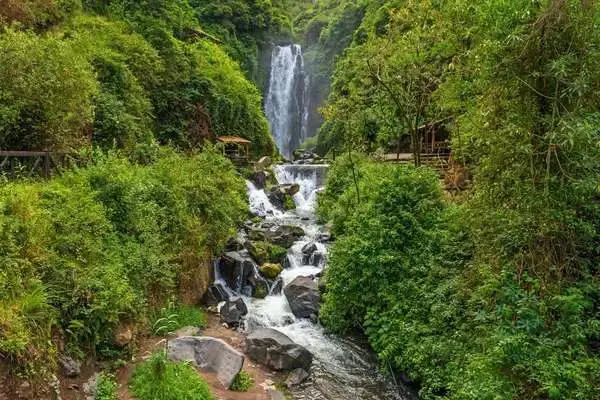
An 18-meter waterfall a 20-minute walk from the indigenous village of Peguche, just outside Otavalo. The site is sacred to the Kichwa-Otavalo people who use it for ritual cleansing. Keep voices down. The walk in passes weaving workshops where you can watch traditional looms operate — many sell directly, often cheaper than market prices. Free entry; small donation appreciated at the gate.
Cotacachi (the leather town)
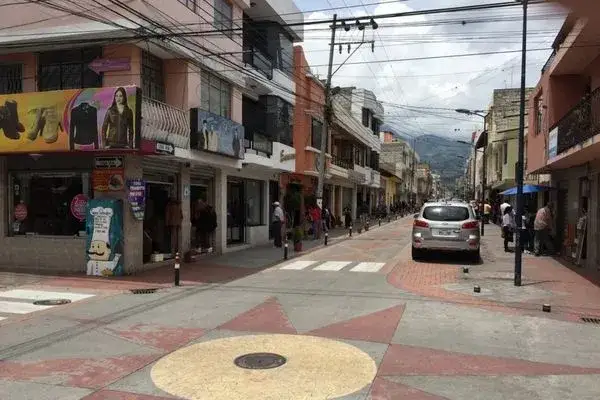
Twenty minutes north of Otavalo. The whole main street (10 de Agosto) is leather shops — boots, jackets, bags. Quality varies; the family shops near the church are usually best. A pair of decent leather boots runs $40-80 versus $200+ for the same in Quito. Combine with Cuicocha (10 minutes further) for an easy half day.
San Antonio de Ibarra (wood carving)
A small town 30 minutes north of Otavalo specialized in wood carving — religious figures, large tables, decorative work. Less touristed than Otavalo or Cotacachi. Good for travelers who want a non-obvious detour with serious craft.
Parque Cóndor (raptor rescue)
A condor rehabilitation center 5 km from Otavalo with daily flight demonstrations of Andean condors, eagles, hawks and owls. $4.50 entry. Worth the stop with kids or for photographers.
How to Get to Otavalo from Quito
- Public bus (cheapest, $2.50): From Carcelén terminal in northern Quito (near the airport). Cooperativa Otavalo runs every 15 minutes, 6am-8pm. Travel time 2-2.5 hours.
- Taxi/car (~$50-70 each way): Door-to-door, 2 hours off-peak.
- Day-tour group ($55-80): Includes round trip + market + usually Cuicocha or Cotacachi. Easiest if you want zero logistics.
- Self-drive: Pan-American highway is excellent. Park near Plaza de los Ponchos on market day or at your hotel.
For the day-trip-from-Quito version specifically see our Otavalo market day trip guide.
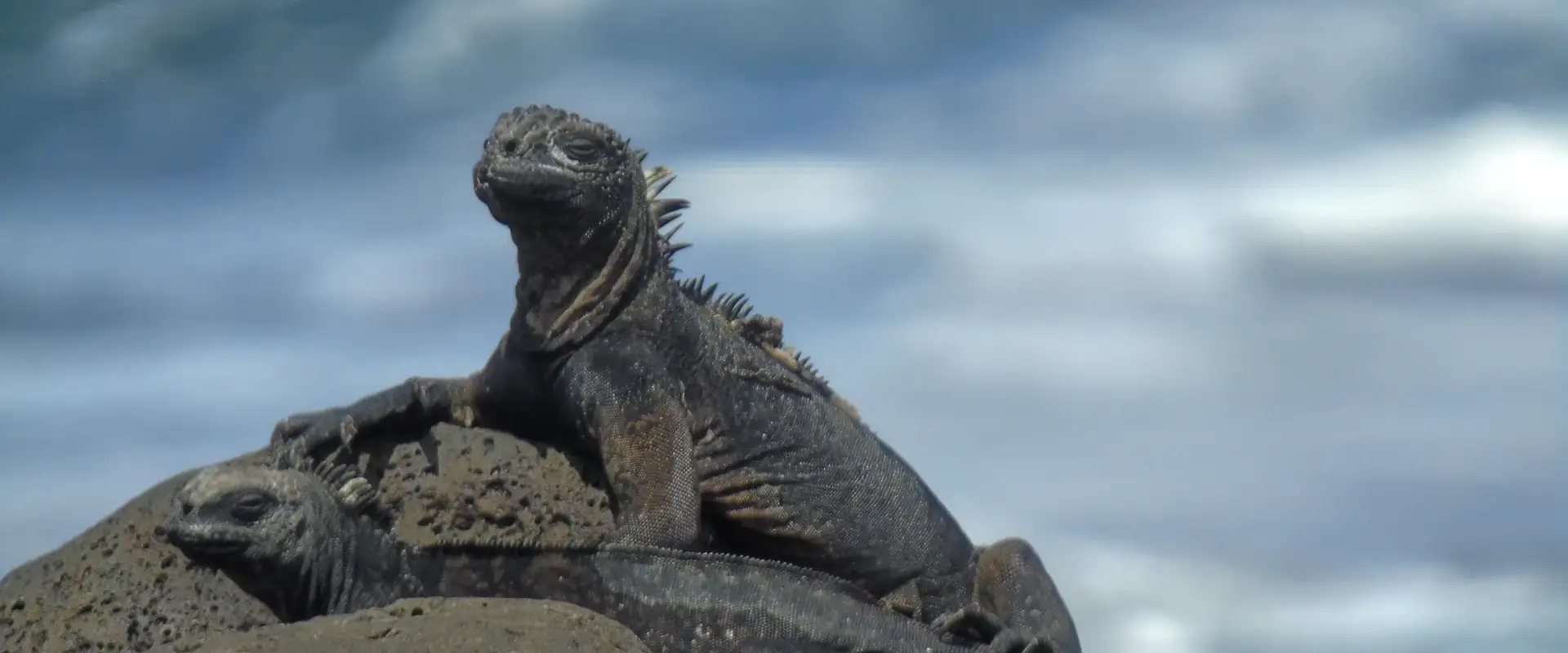
START IN QUITO, END IN THE GALÁPAGOS
9 Day Ecuador and Galapagos Tour: Andes, Amazon and Santa Cruz
Quito, Cotopaxi, Quilotoa, Baños and the Amazon with your own guide, then three nights on Santa Cruz with tortoises, beaches and snorkeling.
From $1,990 per person
View itineraryDay Trip vs Overnight in Otavalo
Both work. The choice depends on whether you want Cuicocha + leather towns or just the market.
- Day trip from Quito (long Saturday): Leave 7am, market until 1pm, lunch, return Quito by 6pm. Misses Cuicocha + Peguche.
- One night, two days: Saturday market morning + leather towns afternoon. Cuicocha + Peguche on Sunday. Best balance.
- Two nights: Adds time for the rim hike at Cuicocha or a longer trek to nearby Mojanda lakes. Slow-travel option.
Where to Stay in Otavalo
Three areas worth considering:
- Town center: Walk to the market. Hostal Doña Esther and Hotel Otavalo are decent budget-mid range options. $25-50/night.
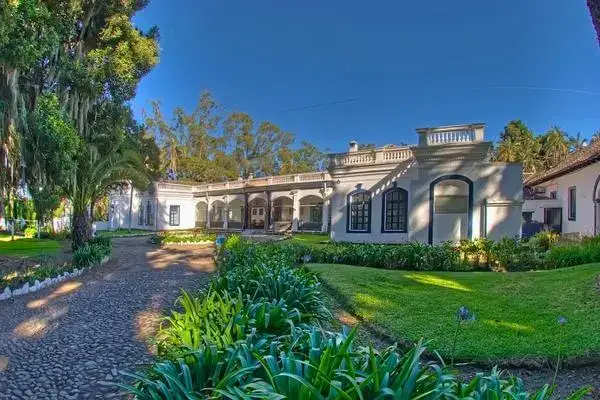
- Hacienda outside town: Restored colonial farmhouses 5-15 minutes by taxi. Hacienda Cusín and Hacienda Pinsaqui are the famous ones. $80-180/night, dramatically better experience for couples.
- Lakeside (Cuicocha/San Pablo): A few small hotels at San Pablo lake (15 min from town). Quieter, lake views, but you’ll need a taxi every time you go to town.
What to Eat in Otavalo
- Caldo de gallina: Traditional chicken broth — best at the food market (Plaza 24 de Mayo) early morning.
- Helados de Salcedo: Multi-flavor stick popsicles found everywhere. Made in nearby Salcedo, sold by vendors all over town.
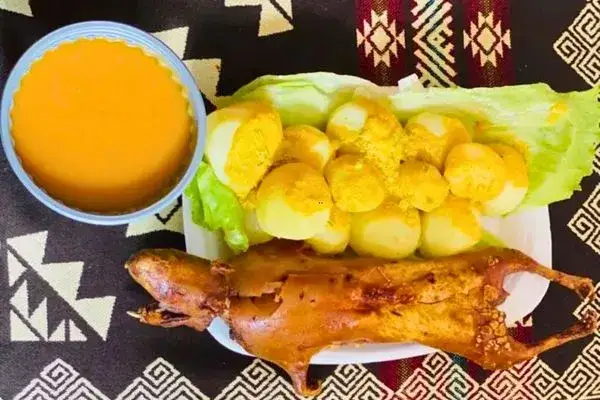
- Cuy (roast guinea pig): The Andean specialty. Several restaurants in town and along the road to Cuicocha. Order in advance — it takes 90 minutes to roast.
- Mishquihuira / chicha: Fermented corn drink. Try at family-run places, not on the tourist street.
When to Visit Otavalo
The market runs every day but Saturday is the big one. Weather-wise:
- June-September: Driest, sunniest, peak tourist season. Saturdays get crowded.
- December-February: Drier window between rains. Cooler mornings.
- March-May: Wettest. Trails muddy at Cuicocha.
- Inti Raymi (June 21-29): The indigenous solstice festival — Otavalo is one of the best places in Ecuador to experience it. Plan accommodation months ahead.
- Yamor festival (early September): Two-week local celebration. Lots of food, music, parades. Worth timing for.
Frequently Asked Questions
What is Otavalo Ecuador?
Otavalo Ecuador is a small Andean town in Imbabura province, home to the Kichwa Otavalo indigenous people. It sits at 2,556 m elevation, 95 km north of Quito. Famous worldwide for its Saturday textile market, but locals know the food market and surrounding lakes (Cuicocha, San Pablo) are the real treasures. See Wikipedia’s Otavalo entry for historical context.
Where is Otavalo Ecuador?
Where is Otavalo Ecuador? It’s in the northern Andes of Ecuador, in Imbabura province, about 95 km (2 hours by bus) north of Quito on the Pan-American Highway. The town sits in a high Andean valley at 2,556 m elevation, surrounded by volcanoes (Imbabura, Cotacachi) and lakes.
What day is the Otavalo market?
The big otavalo market runs every Saturday — full Plaza de los Ponchos plus the early-morning animal market on the outskirts. A smaller daily craft market is open the other six days at the Plaza, but Saturday is when locals from surrounding villages come down to trade.
What makes the Otavalo market ecuador unique?
The otavalo market ecuador is one of the oldest continuously operating indigenous markets in the Americas — it predates the Spanish conquest. The Kichwa Otavalo people have been weaving and trading textiles here for centuries. Unlike most tourist markets, vendors here are also weavers, farmers, and producers, not resellers.
Why visit Otavalo Imbabura province?
Otavalo Imbabura sits in the “Province of the Lakes” — Cuicocha crater lake, San Pablo, Mojanda, and Yahuarcocha are all within an hour. Add Peguche waterfall, Cotacachi (leather town), San Antonio de Ibarra (wood carving), and Parque Cóndor (raptor rescue). One overnight unlocks a different Ecuador than just the market day trip.
Is Otavalo Ecuador worth visiting?
Yes — and not just for the market. Otavalo Ecuador offers the cleanest cultural experience in the Andean highlands: the Saturday textile market plus Cuicocha lake, Peguche waterfall, and the surrounding villages of weavers and carvers. Most travelers do a rushed day trip and miss the real value, which comes from staying 1-2 nights.
How do I get from Quito to Otavalo?
The easiest way is the public bus from Quito’s Carcelén terminal — $2.50, every 15 minutes, 2 hours one-way. Taxis run $50-70 one-way. Tour operators include round-trip transport for $35-50 per person. Per the Ministerio de Turismo del Ecuador, Otavalo is one of the country’s top day-trip destinations.
How much time do I need in Otavalo?
A long day trip from Quito covers the market only. One overnight unlocks Cuicocha lake, Peguche waterfall, and Cotacachi. Two nights lets you slow down — visit weaver workshops in the surrounding villages and hike the Cuicocha rim trail. Avoid the rushed half-day option from cruise excursions.
Is Otavalo Ecuador safe?
Very safe. Otavalo Ecuador is a small Andean town with a strong tourism economy and low crime — much safer than Quito or Guayaquil. Use normal precautions at the Saturday market (it gets crowded, so watch pockets), and walk back to your hostel before midnight. Solo female travelers report no issues.
What is the best time of year to visit Otavalo?
June through September is the driest, sunniest window — best for Cuicocha hikes and clear volcano views. December through February is also dry but cooler. Inti Raymi (June 21-24) is the major Kichwa solstice festival — book accommodations 2 months ahead. Skip Carnival (Feb) when the highlands get rainy.
Plan Your Otavalo Trip
Otavalo done right is more than the market — it’s the Cuicocha rim, the Peguche waterfall, the leather shops in Cotacachi, and the haciendas where you sleep next to old colonial chapels. Saturday for the full market, one overnight to unlock the rest, and you’ll come away knowing why this corner of Ecuador keeps drawing people back.
Combine with a longer Sierra circuit — see our Ecuador itinerary planner — or pair with a Mindo cloud forest day for north-of-Quito coverage. Get in touch with our team for a custom Otavalo route.