Galapagos Snorkeling: 6 Best Spots & Marine Life Guide
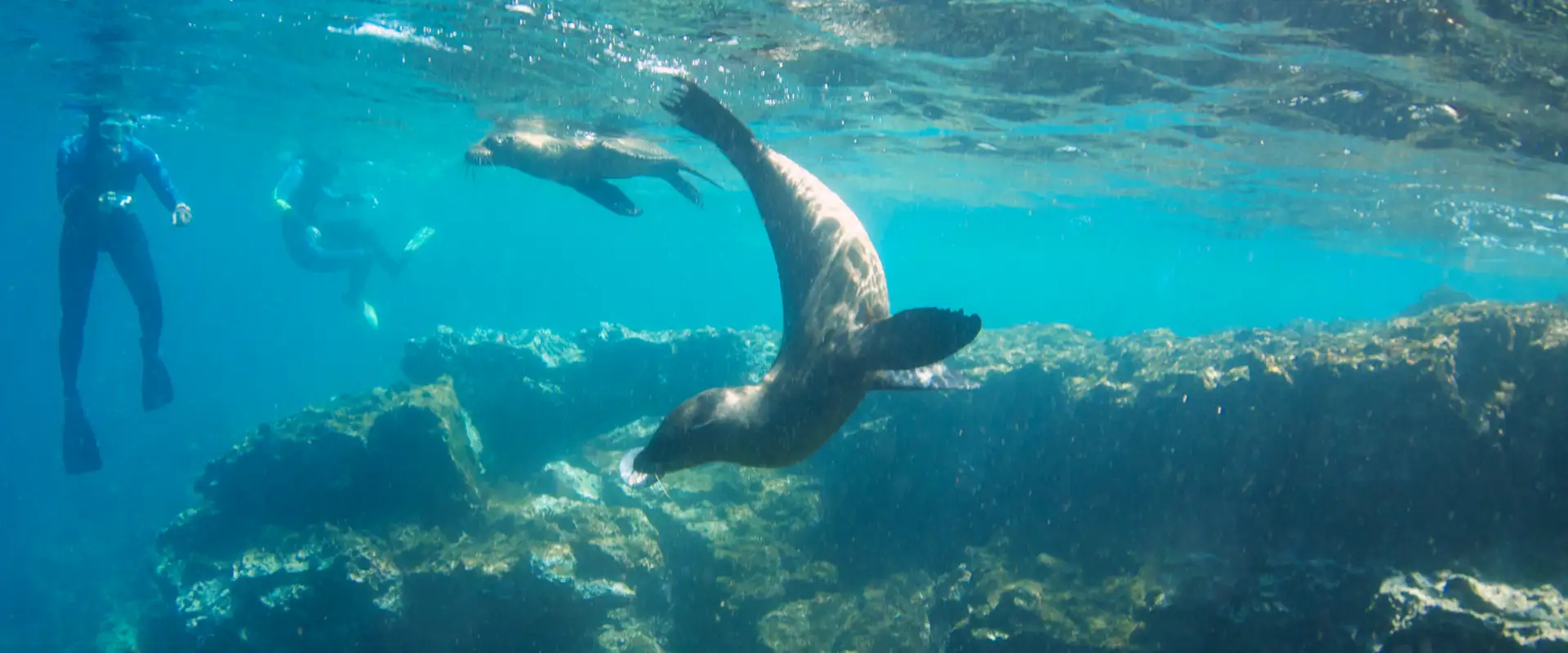
Snorkeling in the Galapagos is potentially the most memorable ocean experience of your life. You’ll swim alongside sea turtles, reef sharks, hammerheads, eagle rays, marine iguanas, penguins, and fish in colors and quantities you’ve never imagined. I’ve snorkeled in Thailand, the Caribbean, Australia’s Great Barrier Reef, and the Galapagos stands apart. The combination of extraordinary biodiversity, accessibility (snorkeling, not necessarily diving), and animal behavior unique to this isolated island system creates something genuinely special. The water is cold (60-70 degrees Fahrenheit), which feels shocking initially but becomes comfortable with wetsuits. By day three, you’ll be addicted to the experience.
Add the Andes and the Amazon: 12 Day Ecuador & Galápagos Tour
Galapagos Marine Ecosystem: Why Snorkeling Is Extraordinary
The Galapagos Islands sit roughly 600 miles off Ecuador’s coast. The islands’ isolation created unique evolution: animals that exist nowhere else developed behaviors distinct from animals elsewhere. Additionally, cold-water currents flow from Antarctic regions, bringing nutrient-rich water that supports extraordinary marine productivity. This combination—isolation creating unique species and abundant food creating dense populations—creates snorkeling unlike anywhere else.
You’ll encounter species in the Galapagos that you simply won’t see elsewhere: Galapagos penguins, flightless cormorants, marine iguanas, and Galapagos-endemic fish species. The hammerheads, eagle rays, and sharks here are more abundant than elsewhere. Even common species like sea turtles are extraordinarily common and less fearful of snorkelers.
Best Snorkeling Sites
Isabela Island – Elizabeth Bay: One of the best sites for marine iguanas and seahorses. The calm bay waters are protected, creating ideal conditions for snorkeling. Visibility is excellent, and the concentration of unique species is extraordinary. Most island-hopping tours include this site.
Isabela Island – Genovesa Channel: Offers strong potential for hammerhead sharks and larger pelagic species. The current can be strong, making it better suited for experienced swimmers. Visibility is typically excellent. Not sure where this fits in your itinerary? Send us your dates and we will sort the order out.
Fernandina Island – Punta Espinoza: Younger island with lava landscapes, marine iguanas, and flightless cormorants. Snorkeling here offers combination of unique bird and reptile species alongside fish.
Santa Cruz – Academy Bay: More developed island with numerous snorkeling sites. Good for varied experience without long boat travel. Slightly less pristine than remote sites but still excellent.
Floreana Island – Post Office Bay and Surrounding Sites: Historically important and good snorkeling. Marine iguanas and sea turtles are common. Less crowded than Santa Cruz sites.
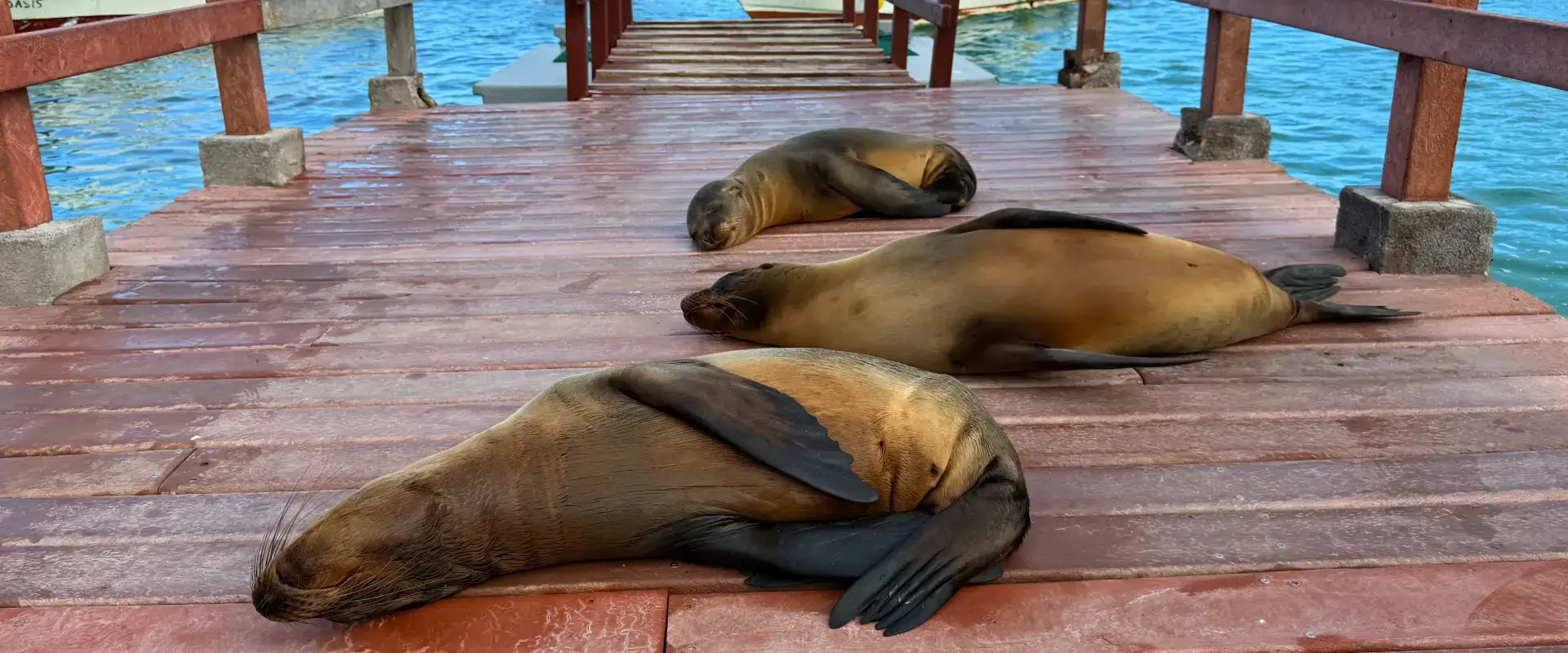
Española Island – Gardner Bay: Excellent for sea lions and snorkeling. Animals here are less fearful and allow closer approach than elsewhere. One of the most rewarding snorkeling experiences.
Marine Life Encounters
Sea Turtles: Green sea turtles are ubiquitous. You’ll likely encounter multiple individuals per dive. They’re herbivorous, peaceful, and often ignore snorkelers. Swimming alongside a sea turtle is humbling and meditative.
Sharks: Multiple shark species inhabit Galapagos waters. Whitetip reef sharks are common and non-aggressive toward snorkelers. Galapagos sharks are less common but present. Hammerheads school in deeper channels. Sharks have never attacked snorkelers in Galapagos—they’re not interested in you.
Rays: Eagle rays and spotted eagle rays are common. Watching an eagle ray “fly” through water is genuinely magical. Manta rays occasionally appear in deeper areas.
Marine Iguanas: Found nowhere else on Earth. These prehistoric-looking reptiles are clumsy on land but graceful in water. They typically ignore snorkelers. Being underwater with marine iguanas is surreal.
Fish: Hundreds of endemic and non-endemic fish species inhabit Galapagos waters. Colorful snappers, jacks, mullets, and countless others create visual abundance. Fish aren’t fearful and will approach closely, providing exceptional photography opportunities.
Penguins and Cormorants: Galapagos penguins are the world’s northernmost penguins. Flightless cormorants are found nowhere else. Both are visible during snorkeling in certain locations, though they’re more easily seen as birds. Swimming in the same water as penguins is surreal.
Snorkeling Safety and Considerations
Water Temperature: Galapagos water is cold—60-70 degrees Fahrenheit (15-21 degrees Celsius). This feels shocking initially. Wetsuits (3-5mm thickness) are essential. Most tours provide them; verify this during booking. Rental wetsuits are available if you’re not bringing your own.
Currents: Some sites have strong currents. You need moderate swimming ability, though exceptional athletes aren’t required. Guides assess conditions and decide site selection based on water conditions and group capability.
Sun Exposure: The equatorial sun is intense. Sunscreen is essential, though reef-safe sunscreen is requested to protect marine ecosystems. Cover skin adequately; sunburns are common from combination of sun and water reflection.
Altitude and Exertion: Snorkeling involves moderate exertion. People with heart conditions should consult doctors. Cardiovascular fitness helps, though average fitness is sufficient.
Swimming Ability: You should be comfortable in water. Snorkeling doesn’t require advanced skills, but basic swimming ability is essential. Guides can assist, but they can’t rescue panicking swimmers safely.
Guided vs. Independent Snorkeling
Guided Snorkeling (Tours): Most Galapagos snorkeling happens through organized tours operating from Puerto Ayora (Santa Cruz) or other islands. Tours typically spend 2-3 hours snorkeling at one site, with safety briefings and guide supervision. Guides know conditions, monitor weather, and provide context about marine life. Tours typically cost $60-120 USD per person for day tours, $1,200-3,500 USD for multi-day boat tours.
Independent Snorkeling: Hotels on developed islands (Santa Cruz, Isabela, Floreana) can arrange independent snorkeling access. You snorkel near the island without organized tour structure. This offers flexibility and lower cost ($20-40 USD for beach access plus gear rental), but less guidance and less access to remote sites. Independence is good if you’re confident and experienced; guided tours are better for maximizing experience quality.
Liveaboard Dive Tours: Serious snorkelers and divers often book liveaboard boat tours that visit multiple islands. These immersive experiences ($2,000-6,000 USD for 5-8 days) maximize exposure to remote snorkeling sites and marine life encounters.
LOCAL GUIDE AND DRIVER, EVERY DAY
12 Day Ecuador and Galapagos Tour: Andes, Amazon and Island Hopping
The Andes and the Amazon with your own guide and driver from Quito, then a week of island hopping on Santa Cruz and Isabela with a yacht day.
From $2,690 per person
View itineraryBest Time to Visit
Warm Season (December-May): Water is warmer (70-77°F), though still requiring wetsuits. More juvenile species and aggregations. More tourists, higher prices, potential crowds.
Cool Season (June-November): Water is cooler (60-68°F), visibility is excellent, and marine life abundance is exceptional. Fewer tourists, better prices. Some consider this peak snorkeling season.
I personally prefer cool season for combination of reduced crowds, excellent conditions, and unbeatable marine life abundance. Planning visits September-October offers excellent balance of wildlife activity and manageable tourist crowds.
What to Bring
- Wetsuit: Bring your own or rent locally. 3-5mm thickness depending on cold tolerance.
- Snorkel Gear: Most tours provide snorkels and masks; bring your own if preferred for better fit.
- Fins: Most tours provide these. Bring your own if you have preferences.
- Reef-Safe Sunscreen: Essential. Bring high SPF (50+).
- Light Layers: Rash guards or lightweight shirts offer additional sun protection.
- Underwater Camera: GoPro or waterproof phone case allows documentation of snorkeling experiences.
- Medications: Bring any personal medications. Pharmacies exist on developed islands but limited selections.
Cost and Budgeting
- Transportation to Galapagos: $250-500 USD round-trip from Ecuador mainland (flights or boats)
- Island Lodging: $50-150 USD per night depending on level
- Day Snorkeling Tours: $60-120 USD per person
- Food/Meals: $20-40 USD daily
- Miscellaneous: Transfers, boat fees, equipment rental—$50-100 USD daily
- Total 5-day Galapagos Snorkeling Trip: $800-2,000 USD per person depending on choices
Is Galapagos Snorkeling Worth It?
Absolutely yes. The combination of marine life abundance, unique species found nowhere else, and accessibility (snorkeling vs. diving) makes Galapagos snorkeling a genuinely world-class experience. The cost is substantial, but the memories and experiences justify it.
If cost is absolute limiting factor, Ecuador’s Pacific coast offers snorkeling alternatives (Salinas, San Clemente) at lower cost. These are decent but don’t compare to Galapagos biodiversity and animal encounters. Galapagos represents the premium, and it’s genuinely worth the investment.
Useful External Resources
Looking for more on Galapagos Snorkeling? Browse our related coverage on galapagos snorkeling ecuador, galapagos snorkeling guide, galapagos snorkeling tour, and reach out to our local experts for personalized planning.