Galapagos Islands Travel Guide: 10 Insider Tips to Plan an Unforgettable Island Adventure
Galapagos Travel Guide — this guide brings together everything you need to know, from local recommendations to practical travel tips. We cover galapagos islands travel guide and galapagos travel so you can plan with confidence.
Add the Andes and the Amazon: 12 Day Ecuador & Galápagos Tour
Quick Galapagos Facts
- 19 main islands, 960km west of Ecuador’s coast
- Best visits: December-May (warm) or June-November (clear)
- Budget: $3,500-$8,000+ for week-long trips
- Famous for Darwin’s finches, giant tortoises & marine life
- 4-night minimum cruise recommended for proper wildlife viewing
Galapagos Islands Travel Guide: Everything You Need to Know
I’ve guided thousands of travelers to Ecuador’s crown jewel, and I can tell you—nothing quite prepares you for your first glimpse of the Galapagos Islands. These volcanic islands aren’t just another destination; they’re a living laboratory where evolution happened before our eyes. I remember my first trip here, watching blue-footed boobies dance on pristine white sand while sea lions lounged like they owned the place—because, honestly, they do.
The Galapagos aren’t accessible by a quick day trip from Quito. You’re looking at serious travel time and commitment, but that’s exactly what makes this place so special. The isolation that kept Darwin’s finches evolving into their unique forms also keeps the islands relatively untouched. In this guide, I’ll share everything I’ve learned about planning your Galapagos adventure, from timing your visit to choosing between islands.
What Makes the Galapagos So Special?
Look, I’ve traveled plenty. But the Galapagos are different. These 19 main islands sit 960 kilometers off Ecuador’s coast, and they’ve been shaped by millions of years of isolation. That means you’ll see animals here that don’t exist anywhere else on Earth—giant tortoises that live 100+ years, marine iguanas that’re the only lizards swimming in the ocean, and finches that literally rewrote our understanding of evolution. If you would rather someone else handled the logistics, tell us what you have in mind.
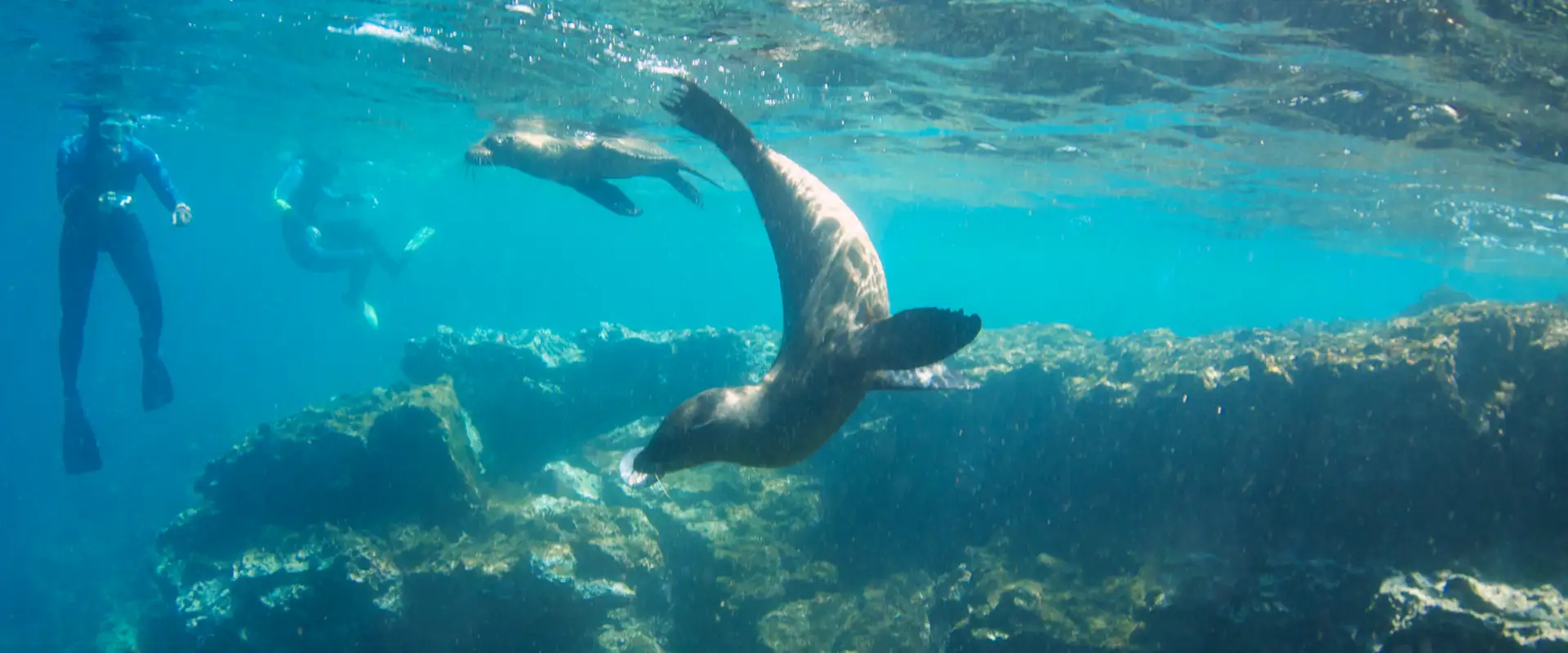
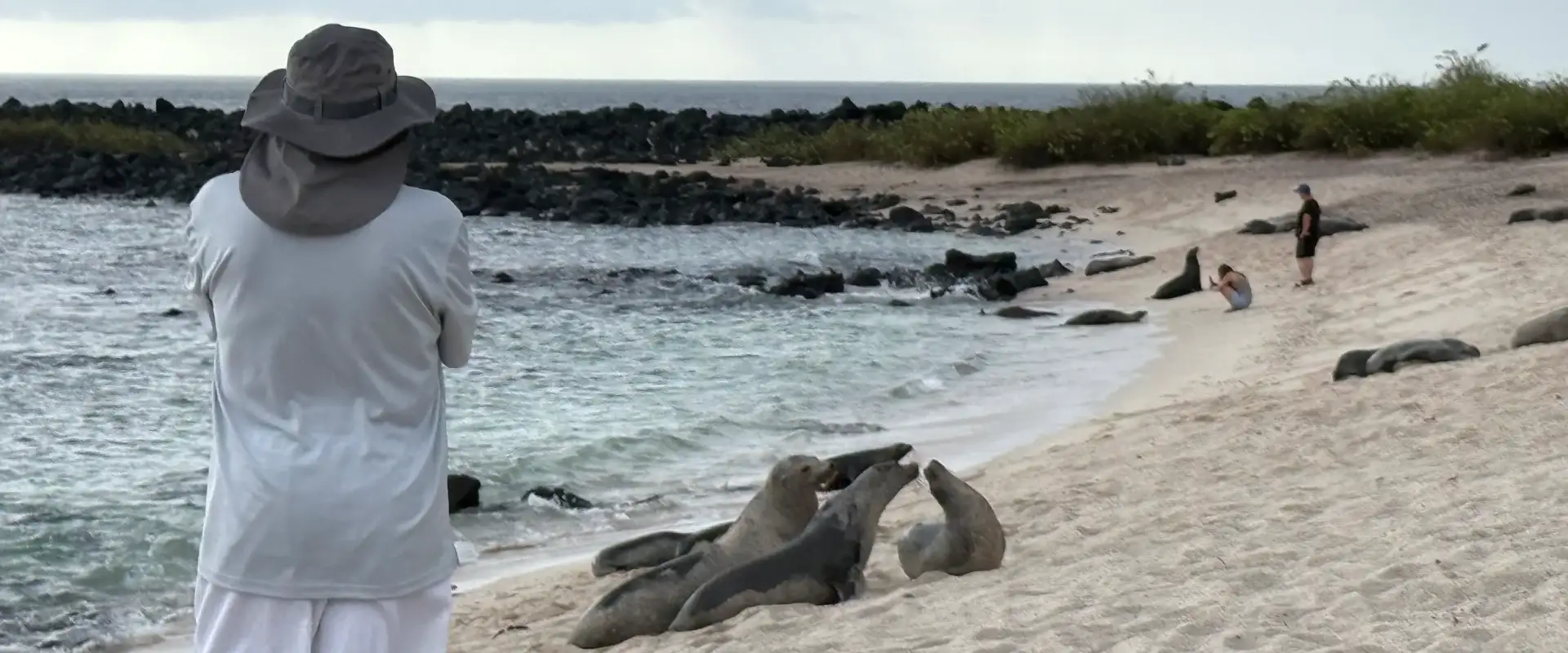
What gets me every time is how unafraid the wildlife is. We’re not talking about animals hiding in the distance. I’m talking about a seal lion sleeping five meters from your snorkel spot. A penguin gliding past your face underwater. Creatures that evolved without human predators, so they’ve got zero fear. It’s humbling, honestly. You become a visitor in their world, not the other way around.
The Main Islands You’ll Visit
Most visitors see 4-5 islands during their trip. Here’s what you should know about the major ones:
| Island | Best For | Highlights | Wildlife |
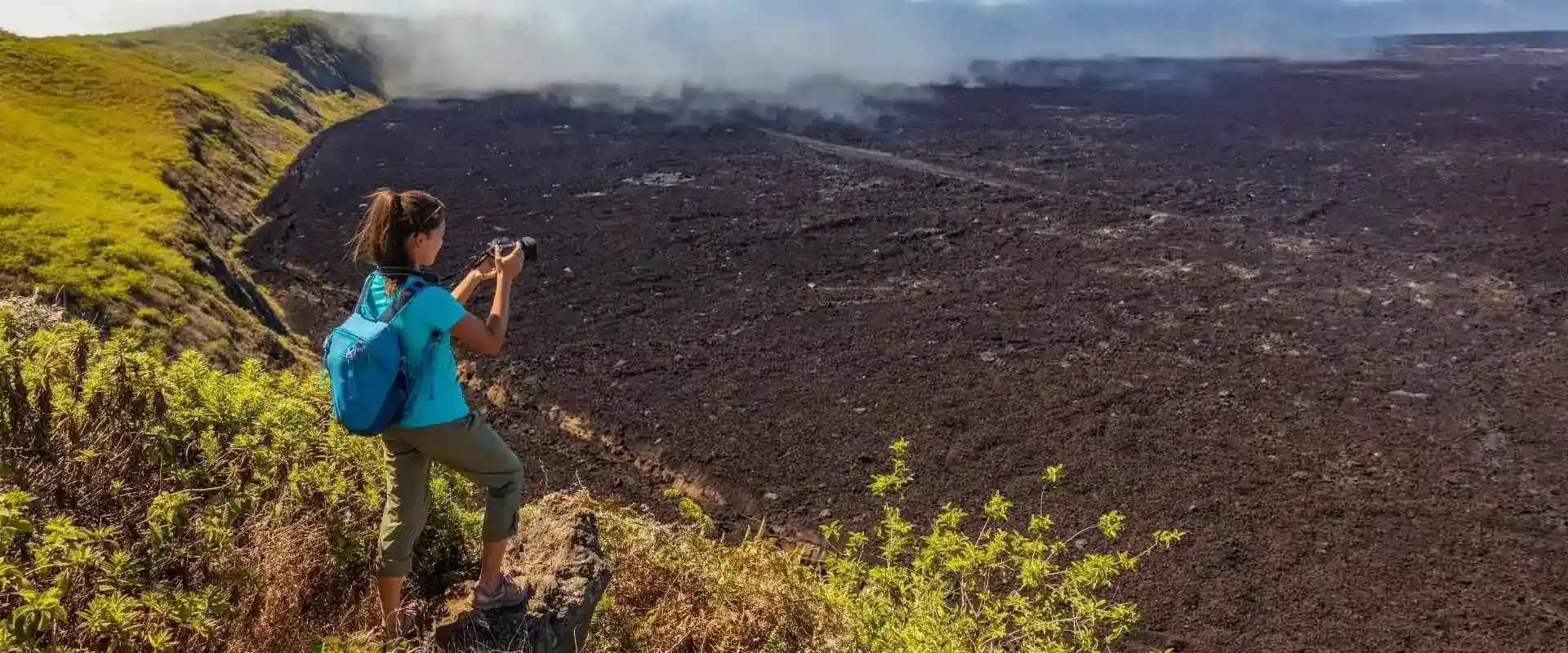
| Isabela | Multi-day stays | Tintoreras Islet, Sierra Negra volcano | Penguins, sea lions, iguanas |
| Santa Cruz | Gateway island | Charles Darwin Center, Tortuga Bay | Giant tortoises, finches |
| Genovesa | Seabirds | Darwin Bay, wildlife viewing | Frigatebirds, boobies, flycatchers |
| Bartolomé | Photography | Pinnacle Rock, volcanic landscapes | Penguins, sea turtles |
| Española | Unique species | Punta Suarez, Gardener Bay | Galapagos albatrosses, marine iguanas |
Getting There: The Journey
Here’s the reality—the Galapagos aren’t a weekend trip. You’ll fly from Quito or Guayaquil to either Baltra or San Cristóbal (the main entry points). Flights take about 3 hours, and honestly, they’re pricey. But you’re flying over the Pacific to reach an island that’s essentially untouched, so that makes sense.
I usually recommend arriving a day early if you can. Jet lag’s real, especially when you’re crossing multiple time zones. Plus, you’ll want to acclimate to the islands’ pace before jumping on a cruise ship or heading to your lodge.
- Entry fee: $20 USD (foreign adults, paid upon arrival)
- Flight time from mainland: 3-4 hours
- Best flight time: Early morning to maximize first day
- Luggage tip: Pack light—20kg limit on inter-island flights
Best Time to Visit the Galapagos
This matters more than most realize. The Galapagos have two distinct seasons, and each offers something different:
Warm Season (December-May): Water temperatures hit 25°C+, skies are cloudier, but prices are slightly lower. Seabirds breed, you’ll see nesting boobies and frigatebirds doing their fancy displays.
Cool Season (June-November): Water gets chilly (around 15°C), but visibility underwater is crystal clear. Thresher sharks show up, there’s more wildlife activity overall, and skies are usually clearer for photography. Prices spike though—this is peak season.
I usually recommend the shoulder months (November or May) if you can swing it. You get decent weather and slightly fewer tourists clogging the trails.
Cruise vs. Land-Based: Which Is Right?
This is the biggest decision you’ll make. There’s no objectively “best” option—it depends on your style:
- Cruises: You see more islands, wildlife encounters are better, less hassle. Downsides? Motion sickness potential (though most boats are stabilized now), and you’re living in a confined space.
- Land-based: Stay in one or two islands, better for people who get seasick or prefer having a home base. You’ll see less overall, but you get more time to know fewer places deeply.
I usually recommend cruises for first-timers. You’ll maximize your wildlife encounters and see the variety the islands offer. A 4-night minimum is ideal—3 nights feels rushed.
Budget Breakdown: What You’re Actually Spending
Let’s be honest about costs. The Galapagos are expensive compared to mainland Ecuador, but that’s because you’re visiting a UNESCO World Heritage site with serious conservation rules:
- Flight to Galapagos: $300-$600 (Quito/Guayaquil)
- Cruise 4 nights: $2,500-$5,000+ (budget to mid-range)
- Land-based lodge 3 nights: $1,200-$2,500
- Food & drinks: $30-$50/day
- Activities & tours: $500-$1,000
- Total budget trip: $3,500-$5,000
- Mid-range trip: $6,000-$8,000
What You’ll Actually See: Wildlife Guide
I get asked this constantly: “Will I see the animals?” Short answer? Yes. I’ve never had a client NOT see giant tortoises, marine iguanas, and sea lions. The question is how close, and that depends on your guide’s skill and your patience.
The iconic species you’re coming for:
- Giant Tortoises: Up to 400kg, living 100+ years. Santa Cruz breeding center is where you’ll see most
- Blue-Footed Boobies: The webbed feet are ridiculous and hilarious. Males do this famous dance to impress females
- Marine Iguanas: Weird-looking prehistoric creatures that’re actually vegetarian ocean-goers
- Galápagos Penguins: The northernmost penguin species, usually near Isabela Island
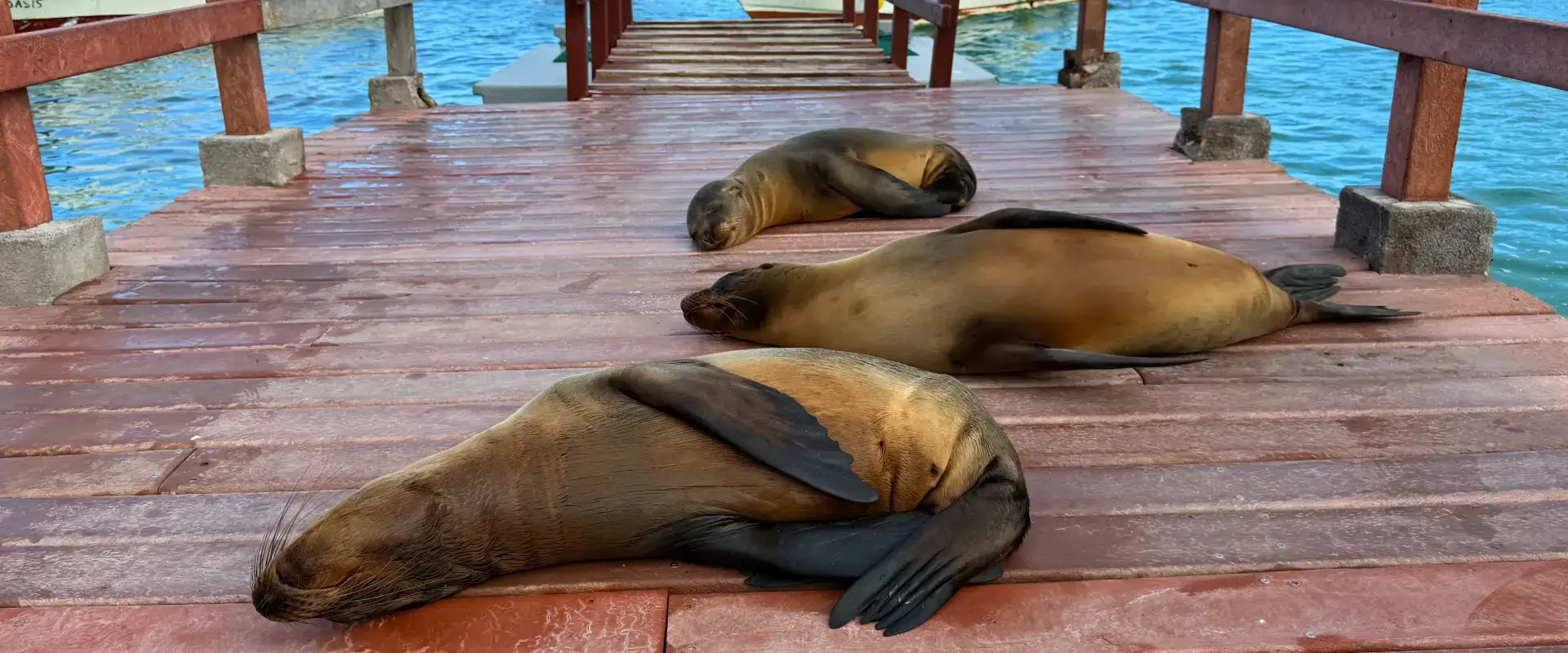
- Sea Lions: Playful, curious, and absolutely everywhere on the islands
- Galapagos Hawks: The rarest bird of prey in the world
Practical Tips From Someone Who Lives Here
After years of taking people through these islands, here’s what I wish every visitor knew beforehand:
- Bring reef-safe sunscreen: Ocean life matters here, and regular sunscreen damages coral
- Pack for water activities: Rashguards, water shoes, and a decent snorkel setup are worth their weight
- Respect the 6-foot rule: Don’t touch wildlife. Yeah, they’re cute, but they’re wild
- Bring seasickness meds: Even if you don’t think you need them. The Pacific doesn’t always play nice
- Budget extra for wildlife photography: You’ll want underwater camera equipment
- Learn about Darwin before you go: Understanding the evolution angle makes everything click into place
LOCAL GUIDE AND DRIVER, EVERY DAY
12 Day Ecuador and Galapagos Tour: Andes, Amazon and Island Hopping
The Andes and the Amazon with your own guide and driver from Quito, then a week of island hopping on Santa Cruz and Isabela with a yacht day.
From $2,690 per person
View itineraryFrequently Asked Questions
Q1: How long should I spend in the Galapagos?
Minimum 4 nights, ideally 7 days. Three nights feels rushed, and you’ll miss the really good wildlife spots. A week gives you time to hit multiple islands and actually absorb what you’re seeing.
Q2: Can I see the Galapagos without taking a cruise?
Yes, absolutely. Land-based stays on Santa Cruz and Isabela work well. You’ll see less overall, but it’s more comfortable if you’re prone to seasickness and better for budget travelers.
Q3: Is it worth booking with a specialized tour operator?
Absolutely. They handle permits, schedules, and guides—plus they know which islands are less crowded. Going solo is possible but complicated with transport logistics.
Q4: What’s included in cruise prices?
Most cruises include accommodation, food, guided tours, and boat transport. What’s NOT included: flights to/from the islands, national park entry fee, tips, and drinks.
Q5: Are there any health concerns I should know about?
Nothing serious if you’re healthy. Altitude’s not an issue (islands are low elevation). Main concern is intense sun and motion sickness. Travel insurance with evacuation coverage is smart.
Planning Your Galapagos Adventure
The Galapagos aren’t a spontaneous destination. You’ll want to book 3-6 months ahead, especially during peak season (June-August). Your choices now affect what you see and how much you’ll spend.
Start by deciding: cruise or land-based? Then pick your season based on your priorities—wildlife activity or weather comfort. Finally, budget accordingly. These islands are pricey, but they’re genuinely once-in-a-lifetime.
Related Galapagos Content
- Galapagos on a Budget: How to Visit Without Breaking the Bank
- Best Time to Visit Galapagos: Weather, Wildlife & Crowds
- How to Get to the Galapagos: Flight Options & Routes
- Isabela Island Guide: Where to Stay & What to Do
Ready to Plan Your Galapagos Trip?
The islands are waiting. Reach out to our team at quitotrips.com—I personally work with clients to customize Galapagos experiences that match their budget and style. From budget-friendly cruises to luxury land-based adventures, we’ve got you covered.
Useful External Resources
What Makes the Galapagos So Special?
Look, I’ve traveled plenty. But the Galapagos are different. These 19 main islands sit 960 kilometers off Ecuador’s coast, and they’ve been shaped by millions of years of isolation. That means you’ll see animals here that don’t exist anywhere else on Earth—giant tortoises that live 100+ years, marin
Best Time to Visit the Galapagos?
This matters more than most realize. The Galapagos have two distinct seasons, and each offers something different: Warm Season (December-May): Water temperatures hit 25°C+, skies are cloudier, but prices are slightly lower. Seabirds breed, you’ll see nesting boobies and frigatebirds doing their
Cruise vs. Land-Based: Which Is Right?
This is the biggest decision you’ll make. There’s no objectively “best” option—it depends on your style: I usually recommend cruises for first-timers. You’ll maximize your wildlife encounters and see the variety the islands offer. A 4-night minimum is ideal—3 nights feels rushed.
What You’ll Actually See: Wildlife Guide?
I get asked this constantly: “Will I see the animals?” Short answer? Yes. I’ve never had a client NOT see giant tortoises, marine iguanas, and sea lions. The question is how close, and that depends on your guide’s skill and your patience. The iconic species you’re coming for:
Ready to Plan Your Galapagos Trip?
The islands are waiting. Reach out to our team at quitotrips.com—I personally work with clients to customize Galapagos experiences that match their budget and style. From budget-friendly cruises to luxury land-based adventures, we’ve got you covered.