Mindo Bird Watching: Complete Ecuador Birding Guide 2026
Mindo bird watching is one of the world’s top birding experiences: this 19,200-hectare cloud forest in Ecuador’s Pichincha Province hosts 400+ bird species, including the Resplendent Quetzal, Toucan Barbet, Andean Cock-of-the-rock, and 40+ hummingbird species — all within a 2-hour drive from Quito.
Mindo Bird Watching: Complete Ecuador Birding Guide
I’ve been running bird-watching tours in Mindo for fourteen years, and I still get chills when a Quetzal crosses the trail in front of me. That never gets old. The bird watching here isn’t just good it’s world-class, and I say that without exaggeration.
Mindo has 400-plus bird species within a few square kilometers. That’s an insanely high density. You can find species here that birders travel to multiple continents hoping to spot. And you can do it without leaving Ecuador.
Here’s what surprises most visitors: you don’t need to be an expert birder to love bird watching in Mindo. Beginners show up thinking they won’t understand what they’re seeing, and they leave completely enchanted by the experience. Something about seeing a bird you’ve never encountered before, in a forest so thick with life, changes something in your brain.
Why Mindo is a World-Class Birding Destination
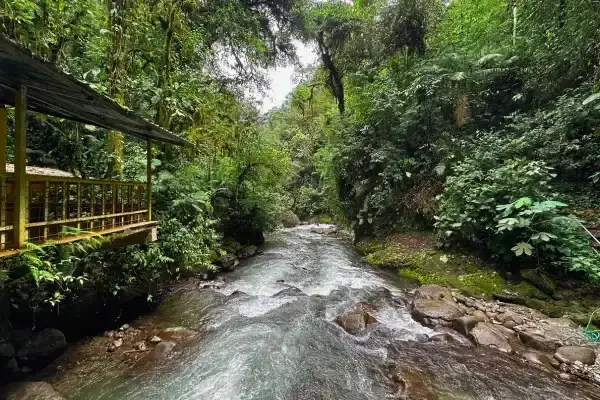
The biodiversity of Mindo isn’t random it’s geographic. The cloud forest elevation, the moisture patterns, the vegetation structure—all combine to create a niche where birds absolutely thrive.
Mindo sits at a transition zone between lowland and highland ecosystems. You get species that typically live at sea level, other species that prefer high mountains, plus endemic cloud forest specialists. It’s like someone gathered birds from multiple ecosystems and compressed them into one location.
The canopy structure also matters enormously. The dense, layered forest with multiple vegetation levels creates microhabitats for different species. Specialized birds hunt in the high canopy, others forage in the understory, others work the forest floor. Each layer hosts its own guild of species. Planning the wider trip? Send us your dates and we will put the route together.
And here’s what gets overlooked the forest’s well-maintained. Local communities protect the ecosystem specifically because they know tourism revenue depends on forest health. This isn’t a degraded rainforest struggling to survive. It’s actively managed for both conservation and responsible tourism.
The Resplendent Quetzal: Mindo’s Crown Jewel
If you’re coming to Mindo for birds, you’re probably hoping to see the resplendent Quetzal. And I get it. This bird is legendary.
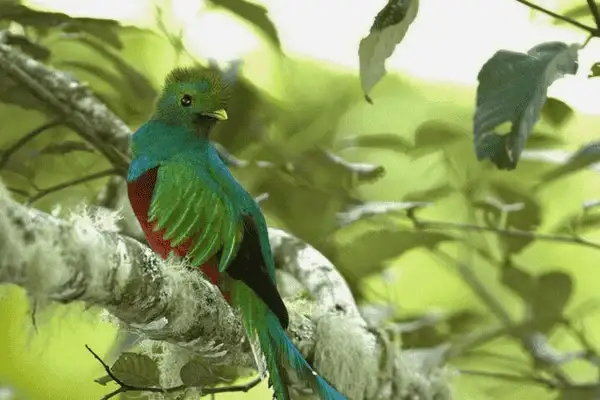
Imagine a bird the size of a large crow with iridescent green plumage that shifts from turquoise to gold depending on light, combined with a crimson chest and tail feathers that trail dramatically behind the bird when it flies. That’s a Quetzal, and seeing one in person is honestly life-changing.
The Quetzal was sacred to Aztec cultures, features on the Guatemalan flag, and has inspired artists and writers for centuries. Meeting one face-to-face in the cloud forest, you understand why immediately.
Finding Quetzals requires specific conditions. They eat avocados from cloud forest trees, so they congregate where these trees fruit. They’re most active during breeding season (February-May) and during specific fruiting cycles. A knowledgeable guide dramatically improves your odds seriously, from maybe 10% with luck to 60-70% with a quality guide during the right season.
If you see a Quetzal in Mindo, you’ve genuinely accomplished something special. Even experienced birders who’ve traveled globally consider a Quetzal sighting a highlight of their birding careers.
Other Key Birds of Mindo Cloud Forest
Beyond the Quetzal, the birds of Mindo show incredible diversity across the cloud forest. Here’s a sampling of the species you might encounter on any given morning:
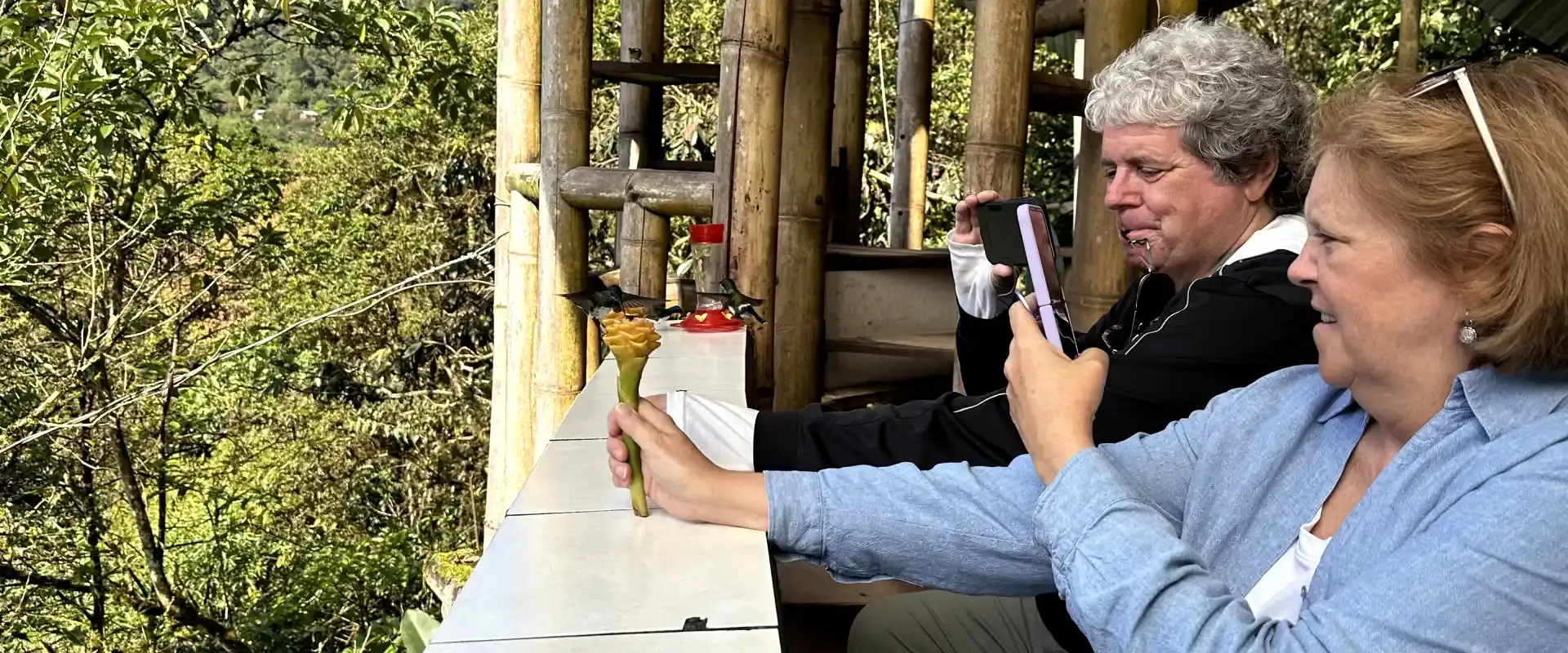
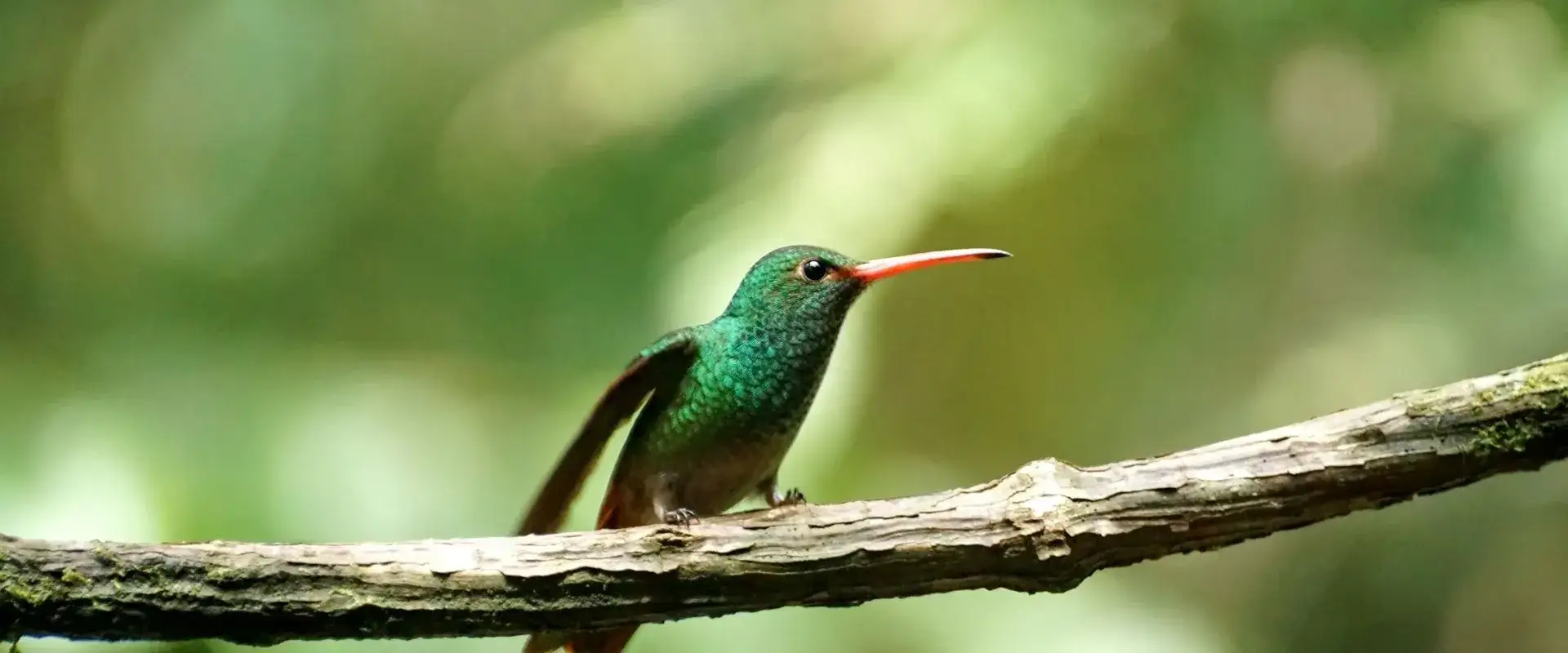
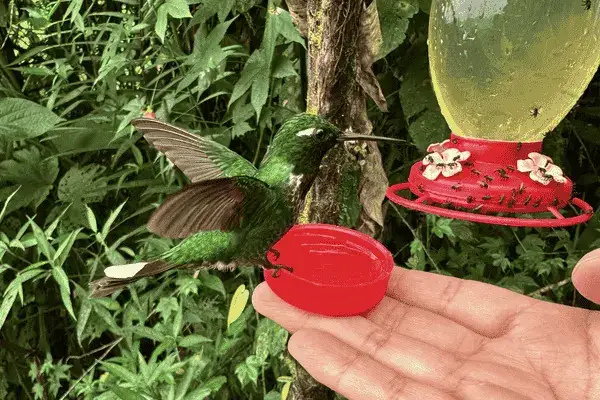
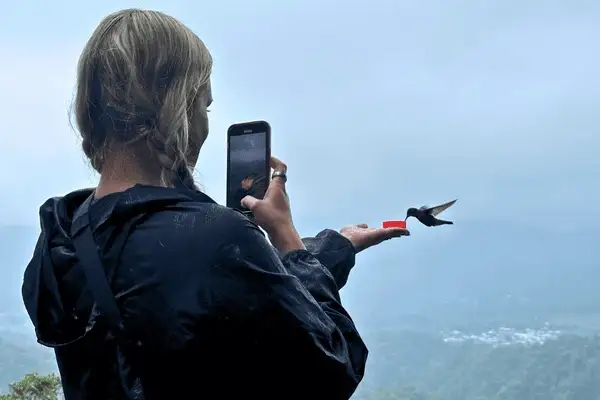
- Hummingbirds: Mindo has over 25 hummingbird species. These tiny aeronautical masters are everywhere. Some are barely the size of your thumb. Their plumage creates light effects that seem physically impossible metallic purples, emerald greens, iridescent blues. I spent my entire first year in Mindo just learning to identify different hummingbird species.
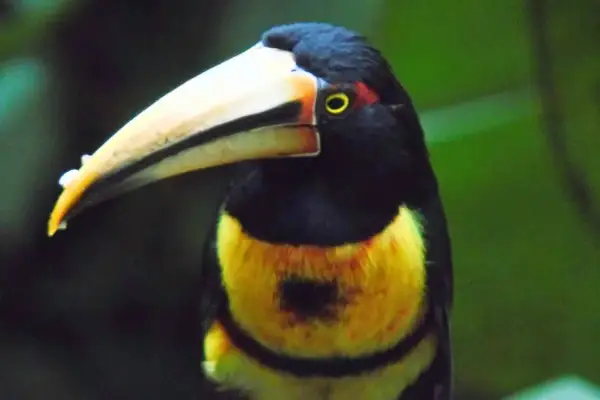
- Toucans: With their oversized beaks and loud calls, Toucans are hard to miss. The Choco Toucan is endemic to this region. Hearing a toucan’s distinctive call echoing through the forest is part of the Mindo soundscape.
- Macaws: The scarlet macaw occasionally shows up in Mindo, though more commonly you’ll see military macaws. These large, loud, colorful parrots are impossible to miss when they fly overhead in pairs.
- Tanagers: Mindo has dozens of tanager species in every color imaginable. The Black-capped Tanager, Silver-throated Tanager, and Spotted Tanager are regulars. Watching a mixed flock of different tanager species foraging in the canopy is visual chaos in the best way.
- Motmots: These beautiful birds have distinctive long tail feathers that they sometimes wag like a pendulum. The Blue-crowned Motmot and Broad-billed Motmot are fairly common in Mindo’s middle story.
- Woodcreepers and Antbirds: These understory specialists are harder to spot but incredibly interesting. They fill specific ecological roles and have adapted to hunt in ways most visitors never see.
- Owls: Several owl species hunt Mindo’s night skies. The Spectacled Owl is surprisingly large and has a distinctive call. Night walks have decent odds of hearing owls, though seeing them is trickier.
The Best Times for Bird Watching
Time of day matters enormously for birding. Here’s what I tell everyone:
5-8 AM is prime time. Birds are most active, most vocal, and most visible during this window. They’re actively hunting for food, establishing territory through singing, and moving between roosting and feeding areas. I can’t emphasize this enough early morning makes the difference between seeing 10 species and seeing 40.
Midday (11 AM-3 PM) is slow. Heat drives birds into deep shade and they become quieter. Most locals don’t guide tours during this time.
Late afternoon (4-6 PM) picks up again as birds return to feeding before roosting. This is secondary birding time not as productive as morning but better than midday.
Seasonal timing also matters. December-February is my top recommendation migrant species arrive, Quetzals are often fruiting, and conditions are generally favorable. June-September is my second choice fewer tourists, different species mix, and solid birding opportunities.
October-November is challenging. Rain is intense, visibility drops, and bird activity decreases.
START IN QUITO, END IN THE GALÁPAGOS
9 Day Ecuador and Galapagos Tour: Andes, Amazon and Santa Cruz
Quito, Cotopaxi, Quilotoa, Baños and the Amazon with your own guide, then three nights on Santa Cruz with tortoises, beaches and snorkeling.
From $1,990 per person
View itineraryEcuador & Galápagos Tours of 9 to 14 Days
How to Book Guided Ecuador Birding Tours in Mindo
Most lodges in Mindo can arrange Ecuador birding tours. When booking, ask specifically for guides with strong reputations and ask what birds they’re confident about finding — not every guide has the same specialty, and Ecuador birding tours vary a lot depending on the guide’s local knowledge.
Tours typically cost $20-25 per person for a 2-3 hour morning walk with a local guide. Prices might be higher during peak season or if you want a specialized guide who focuses specifically on rare species.
What to expect on a tour:
- Early start: Be ready 4:45-5 AM for a 5 AM departure. Yeah, it’s early. Yes, it’s worth it.
- Slow walking: You won’t cover a lot of distance. Birding tours are about stopping frequently, listening, and scanning trees methodically.
- Long periods of silence: Your guide might not speak for 15-20 minutes while they’re listening and watching. This silence is productive—they’re actively searching.
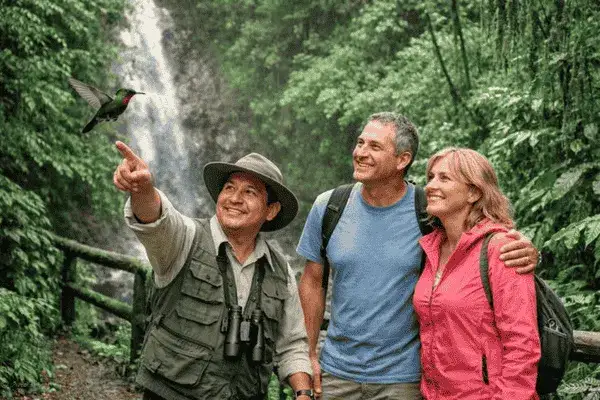
- Sudden action: When birds appear, everything happens fast. Your guide’ll spot movement or hear a call, point, and suddenly you’re scrambling to locate the bird in your binoculars.
- Thorough explanations: Good guides provide context—habitat preference, diet, breeding behavior, seasonal patterns. It’s educational and adds layers to what you’re seeing.
- Honest limitations: Quality guides will tell you what you might not see. They won’t overpromise Quetzals or other rare species—they’ll just do their best.
Essential Gear for Mindo Birding
You can do Mindo birding without specialized equipment, but certain gear genuinely improves the experience and will make the difference between spotting that Quetzal or missing it entirely:
Binoculars: Quality matters. Mid-range binoculars ($150-400) are significantly better than cheap ones. You want good optics and close focusing ability for small birds. Avoid the ultra-high magnification—8×42 or 10×42 is the birding standard.
Field guide: A dedicated Ecuador or Neotropical bird field guide helps you identify species after your tour. Merlin Bird ID (free app) is incredibly useful for learning calls and doing identification.
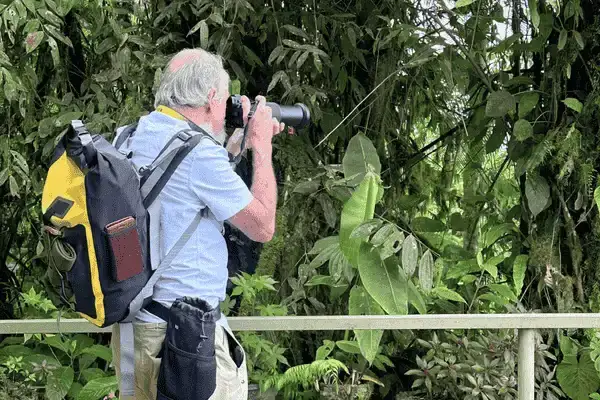
Camera with telephoto lens: Optional but rewarding if you’re into photography. A 70-300mm telephoto lets you capture birds at distance. DSLR or mirrorless cameras work better than smartphones for birding photography.
Moisture-wicking layers: The early morning cold is real. Bring a sweater or fleece layer that you can remove as you warm up.
Waterproof pack: Rain comes without warning. Protect your gear.
Notebook: Serious birders keep field notes of what they spotted, where, and when. Tracking your own bird sightings over multiple trips creates personal continuity with the forest.
Bird Watching Tips from a Local Guide
Here’s what I’ve learned from fourteen years of walking these trails:
- Listen more than you watch: Most birds are heard before they’re seen. Learning to identify calls is actually more important than visual identification.
- Move slowly and pause frequently: Rushing doesn’t work in birding. The birds that matter are cryptic. Still yourself and let them reveal themselves.
- Scan methodically: Don’t randomly search the canopy. Work systematically from the ground up, taking each section deliberately.
- Watch for mixed species flocks: Sometimes 5-10 different species forage together. These flocks are birding goldmines.
- Learn the common species first: Get comfortable identifying regular birds before chasing rare ones. The common stuff becomes your baseline for recognizing unusual species.
- Accept frustration: You’ll see movement that you can’t locate. A bird will call from somewhere you can’t figure out. Birds will stay in shadows. This is normal. Don’t get frustrated—it’s part of the experience.
- Be patient with beginners on your tour: If you’re a serious birder with less experienced people, include them in the experience. Your enthusiasm matters.
- Take breaks: Long, intense concentration is tiring. Sit by a stream occasionally and just absorb the atmosphere.
Combining Bird Watching with Other Activities
You don’t have to choose between bird watching and everything else Mindo offers. Here’s how I typically structure a multi-day Mindo visit:
Day 1 (arrival day): Walk the village, get acclimated, maybe do a simple trail in afternoon.
Day 2 (serious birding): Early morning bird-watching tour with guide. Afternoon chocolate tour or waterfall hike.
Day 3 (flexible): Self-guided nature walk or orchid garden visit in morning. Late afternoon night walk or just hanging out at the lodge.
The key is not burning yourself out. Birding requires intense focus and early mornings. Pairing it with gentler activities gives you balance.
| Guide Type | Cost | Specialty | Best For |
| General Nature Guide | $20 | Broad overview | Beginners, casual birders |
| Specialized Bird Guide | $25-30 | Species identification | Intermediate birders |
| Expert Birding Guide | $35-50 | Rare species, calls | Advanced birders, Quetzal hunters |
| Photography Guide | $30-40 | Positioning for photos | Photographers, visual learners |
Frequently Asked Questions
Is 5 AM really necessary for bird watching?
Honestly? Yes. That’s when birds are most active and vocal. You can see birds at 8 AM, but your odds are maybe 20-30% of what they are at 5 AM. Early morning is non-negotiable for serious birding.
Can I see a Quetzal without a guide?
Theoretically possible but practically very unlikely. Guides know fruiting trees, know seasonal patterns, and have practiced spotting Quetzals. Your odds jump from maybe 5% to 60-70% with a quality guide.
How good do my binoculars need to be?
Mid-range binoculars ($150-300) are solid for Mindo birding. You don’t need $1000 optics. Avoid the ultra-cheap stuff because image quality suffers, but you don’t need to spend a fortune either.
What’s the difference between a hummingbird and other small birds?
Hummingbirds can hover in place and fly backwards. They have incredibly fast heartbeats and wing beats. Other small birds are different species—tanagers, flycatchers, warblers—with different behaviors and diets.
Will I definitely see 400 species if I visit?
No individual visitor will see all 400. You might see 30-50 species during a few days of birding, which is incredible. Seeing all 400 would require multiple visits throughout the year and specific expertise.
Start Your Mindo Bird Watching Journey
Mindo changed me as a birder and as a person. I promise the experience will exceed your expectations, whether you’re a hardcore birder or someone trying bird watching for the first time.
Plan your trip:
- Complete Mindo Travel Guide
- All Activities in Mindo
- Where to Stay for Bird Watching
- Mindo Day Trip Planning
Related Guides