Mindo Waterfalls: 1-Day Complete Hiking & Swimming Guide to Paradise
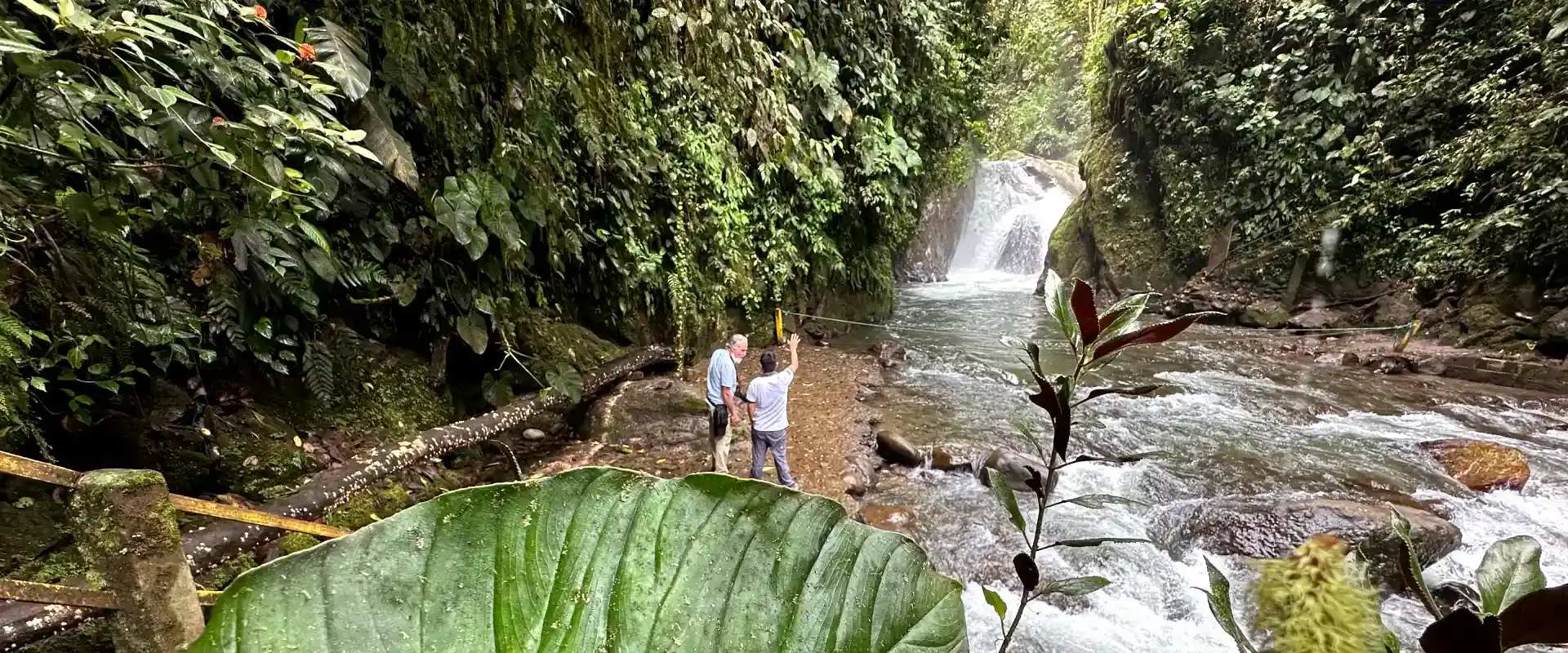
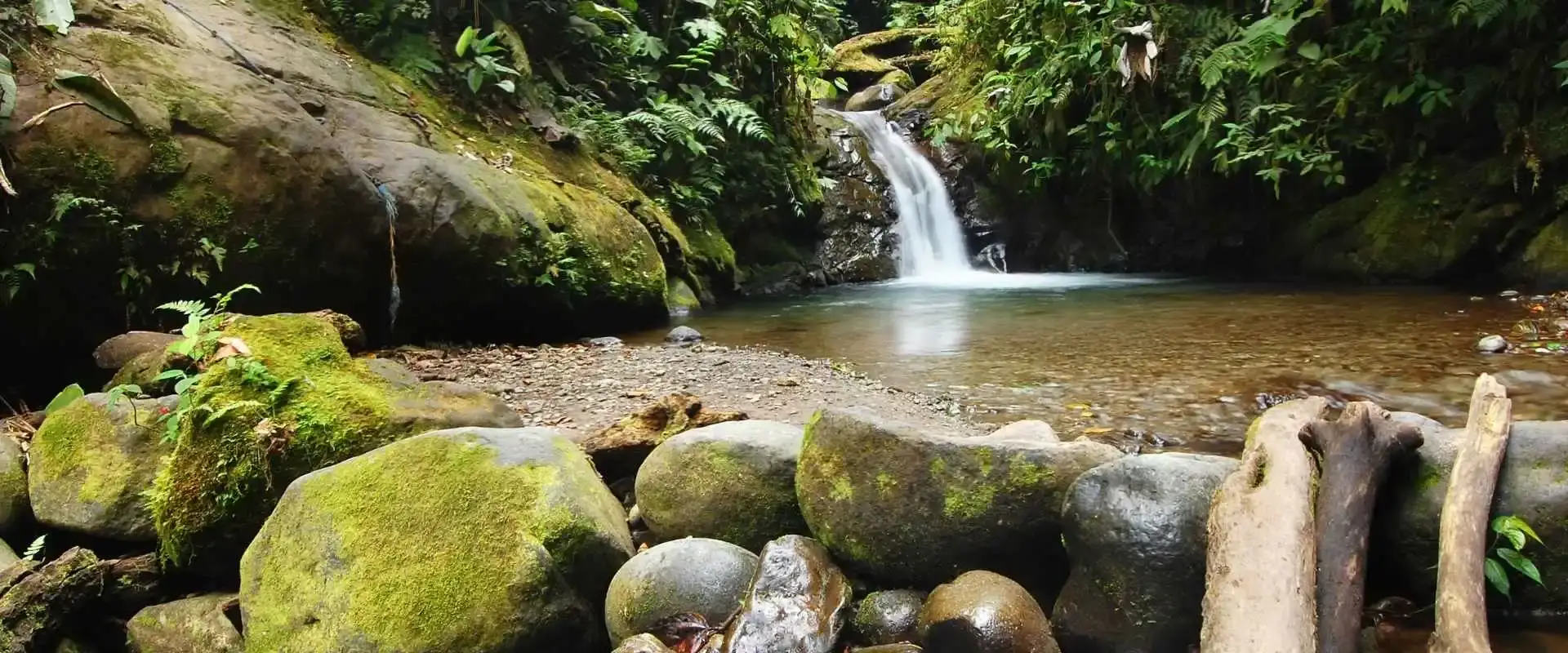
Mindo waterfalls, Ecuador’s easiest cloud-forest cascade circuit, are a cluster of seven falls inside the Santuario de Cascadas Mindo, reached on the Tarabita Mindo cable car across the Nambillo River gorge. The main Mindo waterfall hike loops through Cascadas de Nambillo in about 1.5 hours. Entry costs $5 for the sanctuary plus $5 round-trip on the Tarabita. Swimming at the Mindo waterfall sanctuary pools is safe in dry season (June–September, December–February).
Mindo Waterfalls: 7-Cascade Hike & Tarabita Guide
There’s something primal about finding a waterfall. Maybe it’s the sound, that constant roar of the water that drowns out all other noise and thought. Maybe it’s the spray on your face. Maybe it’s shedding your hiking gear and plunging into a pool so crystal clear and cold it feels like a baptism.
Mindo has waterfalls that offer exactly that experience. And here’s the best part: they’re not crowded, access is inexpensive, and they’re genuinely different from one another, rather than just variations on the same theme.
I’ve hiked to dozens of waterfalls in South America, and Mindo’s remain among my favorites. The forested setting, the moss-covered rocks, the biodiversity found along the trails, and, yes, the waterfalls themselves. It’s everything hiking should be.
The Main Mindo Waterfall Sanctuary
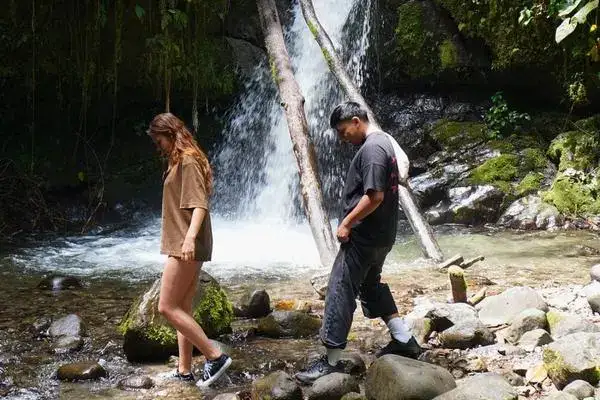
This is the one most visitors see. It’s the most popular waterfall in Mindo for good reasons—the hike’s moderate and accessible, the waterfall’s genuinely impressive, and the swimming pool’s large enough to actually swim rather than just wade.
The trail starts near the main lodge area and heads downslope toward the waterfall. It’s about an hour walk each way on a fairly well-maintained trail. You’ll cross several streams, navigate some muddy sections, and climb over tree roots.
The hike gains or loses about 300 meters of elevation depending on which direction you’re going. On the descent toward the waterfall, it’s relatively manageable. On the return, you’re hiking uphill, so budget extra time and energy.
The waterfall itself drops about 40 meters into a pool about 8-10 meters deep. The water comes out of a steep cliff face surrounded by vegetation. Standing beneath it, you feel absolutely tiny. The spray’s significant—you’ll get wet just from the mist even before diving in.
The pool is deep enough to actually swim. The water’s cold—we’re talking 12-15 degrees Celsius depending on recent rainfall and season. It’s invigorating rather than refreshing. First-time swimmers often gasp involuntarily when they hit the cold water.
Bring a change of clothes. Seriously. There’s no development around the waterfall—you’re getting wet and that’s part of the experience. Some people wear swimsuits, others just wear clothes they don’t mind soaking. Want this as part of a longer Ecuador trip? Tell us your dates and we will build it around you.
Cascade del Amor
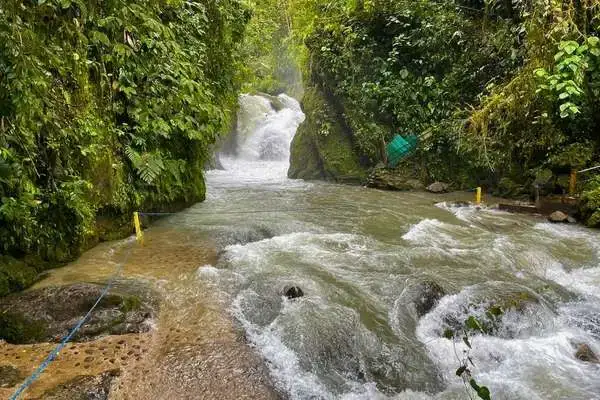
This is my personal favorite waterfall in Mindo, and I’m not alone. Visitors who discover it often prefer it to the more famous main waterfall.
The name translates to “Waterfall of Love,” which is admittedly a bit cheesy, but the place earns it. This waterfall has romantic energy—the jungle setting is lush, the walk is less crowded than the main waterfall trail, and there’s a genuine sense of discovery when you find it.
The hike to Cascade del Amor takes 45 minutes to an hour and covers roughly similar terrain to the main waterfall—downhill, muddy sections, stream crossings, roots and rocks to navigate. The elevation change is comparable, though the gradient’s slightly different.
This waterfall’s smaller than the main one—maybe 15-20 meters—but the setting’s more intimate. You get a smaller, quieter experience without the crowds. The pool’s shallower but still deep enough to swim.
Water temperature’s similar to the main waterfall. The approach angle’s more gradual—the waterfall cascades in tiers rather than dropping in one shot. If you have photography interests, Cascade del Amor offers better composition opportunities than the main waterfall.
The unique thing about this hike is that you’re essentially alone out there. I’ve done this walk dozens of times and maybe run into two or three other tourists total. Compare that to the main waterfall where you might encounter 20-30 people.
Other Mindo Waterfall Hike Routes Near Nambillo
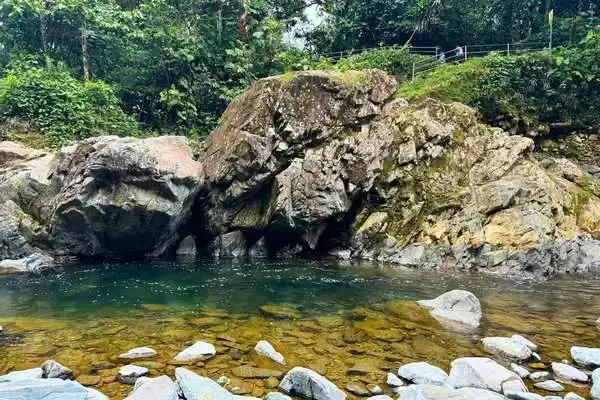
Beyond these two main waterfalls, several others exist in varying accessibility and remoteness:
Cascada Nube (“Cloud Waterfall”): A multi-hour trek that gains significant elevation. This one’s for serious hikers who want wilderness experience. The waterfall’s stunning but reaching it requires endurance and proper preparation.
Multiple Cascade Trek: A full-day expedition that connects several waterfalls into one route. You might see 3-5 different waterfalls depending on route. These require experienced guides and serious fitness.
Stream-side Waterfalls: Several smaller cascades exist along various streams. Some are accessed through official trails, others you’ll stumble on if you’re exploring off main paths.
Most of these require guides who know the routes. Hiring a guide costs about $25-35 per person for a group. Guides are genuinely worth it for anything beyond the two main waterfalls—trails aren’t always obvious, and it’s easy to get turned around.
The Tarabita Cable Car to Cascadas de Nambillo
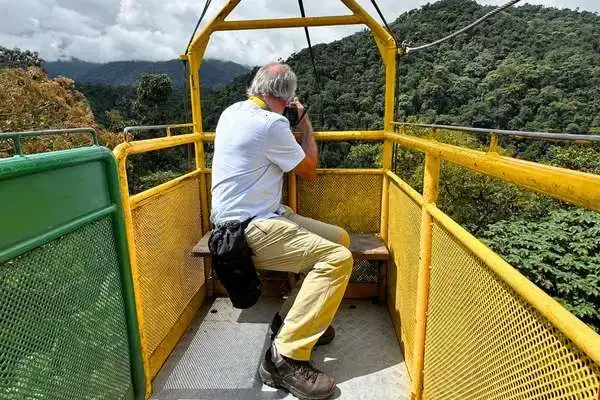
The Tarabita cable car is the signature ride of the Mindo waterfall sanctuary. It’s a small open-air cable car that crosses 530 meters above the Nambillo River gorge, about 152 meters off the ground. The ride takes 5 minutes one-way and drops you at the trailhead for the seven Cascadas de Nambillo waterfalls.
Tarabita tickets cost $5 round-trip. Sanctuary entry is another $5. Both pay cash at the entrance — there’s no credit card machine here. The cable car runs daily from 9am to 4:30pm, with the last ride back at 5pm. Go early. By noon on weekends, the line can hit 30 minutes, and afternoon clouds roll in fast.
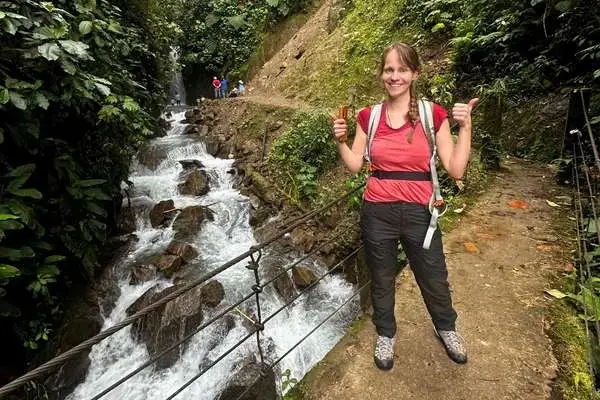
Once across, the trail loops through the cloud forest connecting all seven Cascadas de Nambillo. The first four waterfalls (Reina, Colibrí, Madre, Ondina) are on an easy 40-minute loop. The last three — including Nambillo, the biggest — add another 45 minutes on steeper, rockier terrain. Plan 1.5 to 2.5 hours total depending on how many you want to see.
A small tip most first-timers miss: the Tarabita station has a decent café with empanadas and fresh fruit juice. If you skipped breakfast, eat here before heading across. Once you’re on the waterfall side, there’s nothing for food until you come back.
Best Time for Your Mindo Waterfall Hike
Water volume varies dramatically by season. During dry periods (December-February, June-September), waterfalls flow steadily but moderately. During wet season (October-November, March-May), water volume increases dramatically—sometimes making the pool dangerous due to strong currents.
Dry season offers the best balance: enough water to be impressive, safe swimming conditions, and lower probability of getting caught in a sudden intense rainstorm while hiking.
Time of day matters too. Early morning light creates better conditions for swimming and photography. You’ll have fewer tourists, water’s clearer, and morning light through the canopy is genuinely beautiful.
By mid-afternoon, clouds often roll in thicker, and afternoon rainstorms are increasingly likely. I’d recommend starting waterfall hikes by 8 AM to ensure you’re not hiking in heavy rain.
| Waterfall | Distance/Time | Difficulty | Drop Height | Crowd Level | Swimming Quality |
|---|---|---|---|---|---|
| Main Mindo | 1 hr one-way | Moderate | 40m | Moderate-High | Excellent |
| Cascade del Amor | 45 min one-way | Moderate | 15-20m | Low | Good |
| Cascada Nube | 3+ hours | Challenging | Variable | Very Low | Excellent |
| Multi-Cascade Trek | Full day | Very Challenging | Multiple | Very Low | Multiple |
Waterfall Hiking Safety Tips
Waterfall hikes involve water, slippery rocks, and somewhat remote areas. Here’s how to minimize risk:
- Wear proper footwear: Hiking boots or trail shoes with good grip. Never attempt waterfall hikes in sandals or flip-flops. Slippery rocks without proper footwear lead to injuries.
- Watch water level: Don’t swim if water’s flowing very fast or there’s heavy current. During intense rain, water levels can spike and currents become dangerous.
- Never dive: Waterfalls mean rocks and underwater obstacles. Wade into pools carefully, feel the depth with your feet before fully committing.
- Secure your gear: Bring a waterproof bag or dry bag. Don’t leave valuables unattended. Theft happens occasionally at popular swimming spots.
- Don’t hike alone: Tell someone where you’re going, especially if you’re hiking off main trails. Consider hiring a guide for less-visited waterfalls.
- Bring plenty of water: Hiking in humid, tropical conditions causes dehydration faster than you’d expect. Start with more water than you think you need.
- Check weather: Don’t hike if storms are predicted. The risk of being caught midway during intense rain isn’t worth it.
- Watch for rockfall: Particularly after heavy rain, rocks can be unstable. Avoid standing directly beneath cliff faces.
START IN QUITO, END IN THE GALÁPAGOS
9 Day Ecuador and Galapagos Tour: Andes, Amazon and Santa Cruz
Quito, Cotopaxi, Quilotoa, Baños and the Amazon with your own guide, then three nights on Santa Cruz with tortoises, beaches and snorkeling.
From $1,990 per person
View itineraryEcuador & Galápagos Tours of 9 to 14 Days
Swimming at Cascadas de Nambillo & Mindo’s Waterfall Pools
The water at Mindo’s waterfalls is genuinely clean—it’s coming from cloud forest streams, not agricultural runoff or developed areas. But it’s also cold enough to be shocking to your system.
Here’s my approach to waterfall swimming:
Wade gradually: Don’t jump in immediately. Wade to waist depth, let your body acclimate to the cold. Jumping from warm jungle directly into cold water can cause involuntary gasping and disorientation.
Respect the water: Don’t get directly under the falling water initially. The force can be stronger than you expect. Get a sense of it first, then approach carefully.
Don’t lose focus: Once you’re in the water, keep paying attention to hazards. Slippery rocks, underwater obstacles, changing water level—stay aware.
Time your swim: Don’t spend extended time in very cold water. 15-20 minutes is plenty. Hypothermia risk is real in cold water, even tropical cold water.
Dry off afterward: Bring a towel. The cloud forest isn’t hot, so wet clothes become uncomfortable quickly on the hike back.
Mindo Waterfall Hike Packing List
Here’s what I never leave the lodge without for waterfall hikes:
- Waterproof bag or dry bag: Camera, phone, wallet, keys—everything goes in here
- Change of clothes: Fully different set. You will get wet.
- Towel or quick-dry cloth: Essential for drying off
- Hiking boots with good traction: Absolutely critical for safety
- 2+ liters of water: Hydration in tropical climate is crucial
- Trail snacks: Energy bars, nuts, fruit. Your body burns calories on steep terrain.
- Rain jacket: Lightweight, packable jacket for unexpected rain
- Hat or sun protection: Even with cloud cover, UV exposure happens
- First aid basics: Bandages, pain relievers, blister treatment
- Insect repellent: Mosquitoes exist even at elevation
- Sunscreen: Tropical sun is intense even on cloudy days
- Flashlight or headlamp: If you’re hiking long enough to encounter dusk
Photography at Waterfalls
Waterfalls are inherently photogenic, and Mindo’s waterfalls with their lush jungle settings are particular treats for photographers.
Best light: Early morning or late afternoon provides warm, directional light. Midday creates harsh shadows and blown-out highlights.
Shutter speed: If you want silky water effect, use long exposures (1-3 seconds) on a tripod. Fast shutter speeds (1/500+) freeze individual water droplets.
Composition: Don’t just center the waterfall. Compose with the waterfall as one element alongside rock formations, vegetation, and pool reflections.
Waterproof gear: Spray’s inevitable. Waterproof camera housing or at least rain sleeve for your camera is essential. Your phone camera will get soaked—that’s fine, modern phones handle water reasonably well, but your camera body shouldn’t.
Non-photographer tips: Even with a smartphone, you can capture good moments. Bring your phone in a dry bag and pull it out strategically rather than keeping it exposed the whole time.
Frequently Asked Questions
More Things to Do Near Mindo Waterfalls
After hiking the waterfalls, there’s so much more to explore. Ride the Mindo zipline canopy for an adrenaline rush above the treetops, or spot incredible hummingbirds of Ecuador at feeders just minutes from the trail. For a luxury cloud forest experience, check our Mashpi Lodge review or compare options in the Mindo vs Mashpi guide. Serious birders should also read our Ecuador bird watching tours overview.
Are Mindo’s waterfalls safe to swim in?
Generally yes, in designated areas during appropriate conditions. The Cascadas de Nambillo pools have lifeguard-monitored areas in high season. Water quality is excellent—these cascades come from protected cloud forest sources. The main risks are cold temperature (12–18°C) and strong currents during the rainy season (February–May). Always heed posted warnings.
How much does the Mindo waterfall sanctuary cost?
Entry to the Santuario de Cascadas Mindo is $5 per person. The Tarabita cable car adds another $5 round-trip. Total: $10 to access all seven Cascadas de Nambillo. Cash only. No reservations needed—just show up between 9am and 4:30pm.
How long is the Mindo waterfall hike?
The short loop to the first four waterfalls takes about 40 minutes. The full seven-cascade loop takes 1.5 to 2 hours depending on swim stops. Add 10 minutes for the Tarabita cable car crossing. Most visitors spend a half day total with transport from town.
How cold is the waterfall water?
Water temperature ranges 12–18°C depending on the season. It’s cold enough to take your breath away initially. Take time to acclimate gradually. The pools at Cascadas de Nambillo are deepest at Reina and Nambillo—both swimmable year-round.
Can I do the Mindo waterfall hike with kids?
The main loop is doable with kids 8+ who have some hiking experience. The Tarabita cable car is safe for all ages and is a highlight for children. The steeper sections to Nambillo waterfall are muddy and slippery—skip those with younger kids and stick to the first four cascades.
Is a guide necessary for Mindo waterfalls?
For the Cascadas de Nambillo loop inside the sanctuary, no—trails are marked and maps are at the entrance. For off-trail cascades outside the sanctuary, hire a local guide ($25–$40). They know safe routes and water conditions that change with rainfall.
Plan Your Mindo Waterfall Adventure
Pack your hiking boots, bring a dry bag for your valuables, and prepare for one of Ecuador’s most rewarding natural experiences. Waterfall hikes in Mindo combine jungle immersion, physical activity, and genuine adventure—all accessible on a reasonable budget.
Complete your Mindo planning: