Mindo Cloud Forest Ecuador: Complete Travel Guide
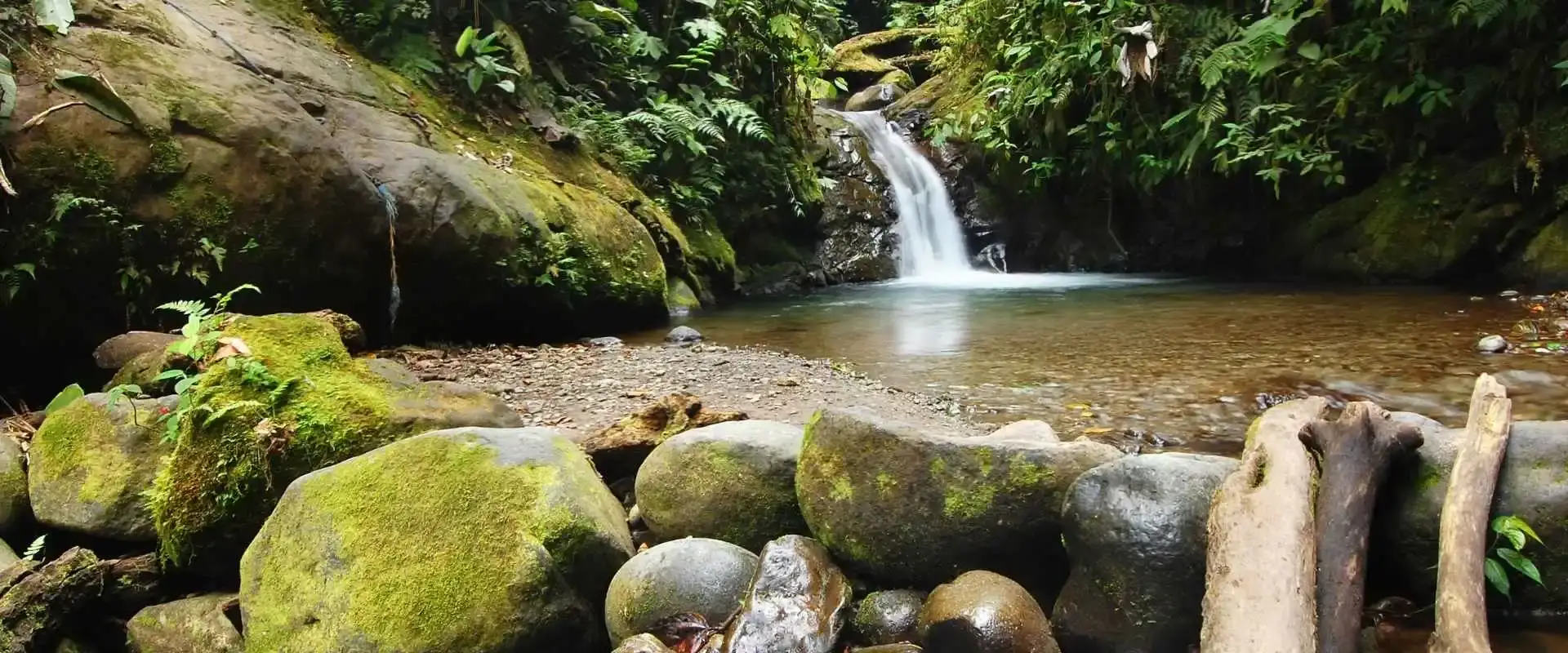
Table of Contents
- What Makes Mindo’s Cloud Forest Special
- Best Time to Visit Mindo
- Getting to Mindo from Quito
- Top Activities & Experiences
- Wildlife & Biodiversity
- Where to Stay in Mindo
- Practical Tips for Your Visit
- Conservation Efforts & Sustainable Tourism
- Mindo Cloud Forest Tour Options (From Quito)
- How Long Should You Spend in Mindo?
- How Far Is Mindo Cloud Forest From Quito?
- Frequently Asked Questions
Mindo Cloud Forest is Ecuador’s premier cloud forest destination just 90 minutes from Quito. You’ll find world-class bird watching (400+ species), stunning waterfalls, organic chocolate tours, and cozy jungle lodges. Best visited during December-February or June-September for drier weather. Budget $40-80/night for accommodations, $15-25 for guided activities. It’s an absolute must for nature lovers and bird enthusiasts.
Mindo Cloud Forest Ecuador: Complete Travel Guide
I’ve been guiding visitors through Ecuador’s cloud forests for over a decade, and I can tell you honestly—there’s nowhere quite like Mindo. This magical corner of Ecuador sits at 1,200 meters elevation where mist perpetually hugs the canopy, creating an otherworldly atmosphere that honestly gets me every single time I walk those trails.
Mindo’s more than just a destination; it’s a living classroom where you’ll encounter biodiversity that rivals places tourists fly across the world to see. We’re talking 400+ bird species, waterfalls that’ll take your breath away, and communities so committed to conservation that they’ve turned tourism into a protective force rather than a destructive one.
Whether you’re a serious birder hoping to spot the resplendent Quetzal or someone who just wants to escape the chaos of Quito for a weekend, Mindo delivers. I’ve watched countless visitors arrive stressed and leave transformed. The cloud forest has that effect on people.
What Makes Mindo’s Cloud Forest Special
You’ve probably heard the term “cloud forest” tossed around a lot. But standing in Mindo, you’ll understand it viscerally. The constant moisture creates an ecosystem unlike any other moss drapes from every tree branch, plants grow on plants, and the air itself feels alive.
I remember my first morning in Mindo as a kid. The fog was so thick I couldn’t see past five meters. My grandfather pointed at the trees and said, “The forest is breathing.” That image stuck with me forever because it’s literally true. Cloud forests regulate water for entire regions downstream.
Mindo sits within the Chocó bioregion, one of the world’s most biodiverse areas. For its size, it punches way above its weight in terms of species diversity. You’ll find species here that exist nowhere else on Earth endemic birds, insects, and plants that’ve evolved specifically for this misty environment.
The forest itself feels primordial. Hanging vines create natural rope swings, underground springs bubble up into crystal-clear pools, and the canopy’s so dense you can barely tell if it’s morning or afternoon without checking your watch.
Best Time to Visit Mindo
The cloud forest operates on a different calendar than most destinations. We don’t have a dry season like other regions—we have a “less wet” season, which is a crucial distinction. Planning the wider trip? Send us your dates and we will put the route together.
December through February is generally your best bet. I usually recommend these months to visitors because you get fewer intense rainstorms, though you’ll still get afternoon showers. That said, I’ve had some of my best bird-watching mornings during supposed “rainy season” months.
June through September also works well. September specifically is magical—fewer tourists, and the bird activity picks up as species return to the region.
Avoid October and November if you can. That’s peak rainy season when trails get slippery and visibility drops. I’ve had to cancel bird-watching tours more times in October than any other month.
| Month | Weather | Recommendation | Rainfall |
| December-February | Cool, frequent mist | ★★★★★-Excellent | Moderate |
| March-May | Warm, humid | ★★★-Good | High |
| June-September | Cool, misty | ★★★★★-Excellent | Moderate-Low |
| October-November | Very wet | ★★-Challenging | Very High |
Getting to Mindo from Quito
One of the best things about Mindo is how accessible it is. You’re not looking at a grueling journey into remote wilderness—it’s genuinely just 90 minutes from Ecuador’s capital.
From Quito’s central bus terminal, take a westbound bus toward Ibarra and ask the driver to drop you at Mindo junction. They know the spot. It’s a scenic ride through the Andes foothills, and you’ll notice the landscape gradually transform as you descend toward the cloud forest zone.
Alternatively, many lodges arrange pickups for $40-60 if you’re traveling with a group. I always recommend this for first-timers because drivers know exactly where to go and can point out landmarks along the way.
Once you hit the village of Mindo, it’s walkable. The whole town fits comfortably in about four square blocks, though accommodations and tour operators spread out along the forest’s edge.
Top Activities & Experiences
Mindo doesn’t require an expensive itinerary. Some of my most memorable moments here have been completely free watching the morning mist rise through the canopy, listening to bird calls you’ve never heard before, or just sitting by one of the waterfalls in silence.
That said, structured activities absolutely enhance the experience:
- Guided bird watching tours: Early morning hikes (5-7 AM) with a guide dramatically improve your chances of spotting rare species. Most guides charge $20-25 for half-day tours.
- Waterfall hikes: The Mindo Waterfall and Cascade del Amor are accessible on well-marked trails. Go during off-peak hours to avoid crowds.
- Chocolate farm tours: Several local families run small-batch chocolate operations. Tours typically include fermentation demonstrations, tasting, and usually end with hot chocolate you’ll dream about for months.
- Orchid garden visits: Mindo’s native orchid collection is extraordinary. The Dracula genus orchids here are particularly stunning.
- Night walks: The forest transforms after dark. You’ll encounter animals that only appear at night spiders, frogs, and nocturnal birds.
- Canopy walks: Suspended bridges between platforms give you a treetop perspective most visitors never experience.
Wildlife & Biodiversity
Let me be direct Mindo’s biodiversity isn’t something I’m exaggerating for tourist appeal. It’s genuinely staggering.
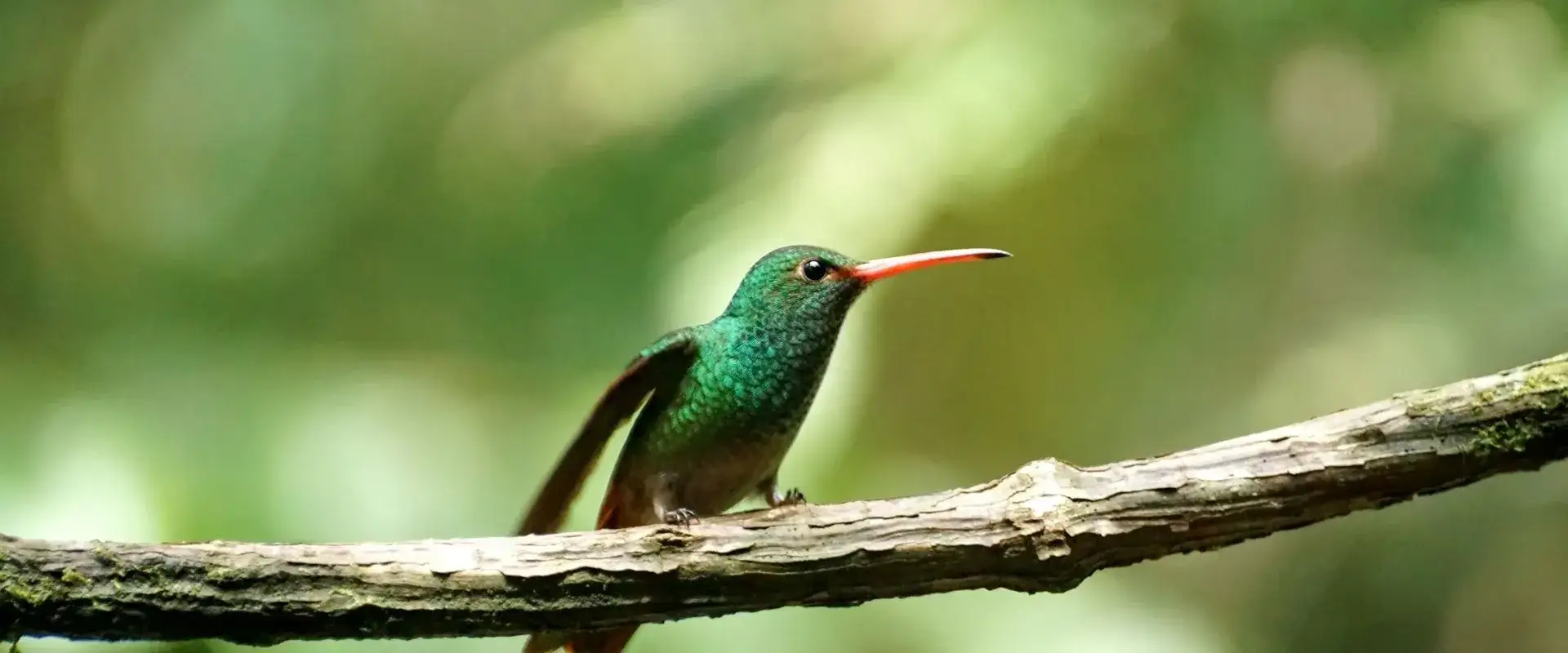
We’re talking about a place where you can spot four different hummingbird species before breakfast. Where bird guides get genuinely excited about identifying 30+ species in a morning. Where every hike reveals insects and plants most of us didn’t know existed.
The resplendent Quetzal is Mindo’s most famous resident a cloud forest specialist with crimson plumage and tail feathers that’re absolutely surreal to witness in person. I’ve been a guide for 15 years and still get goosebumps when a Quetzal crosses the trail in front of me.
Beyond birds, you’re looking at amphibians that exist nowhere else—glass frogs with transparent bellies, poison dart frogs in electric colors, and tree frogs that sound like mechanical devices when they call.
The sheer volume of species per square kilometer is what gets me. Other ecosystems might have more absolute diversity, but Mindo packs more life per acre than almost anywhere on Earth.
Where to Stay in Mindo
Accommodations range from basic hostels ($15-25/night) to boutique eco-lodges ($50-100+/night). My recommendation depends entirely on what you’re after.
For budget travelers, several hostels offer communal spaces where you’ll meet other visitors and exchange trail recommendations. They’re genuinely social spaces.
For something in the middle, family-run lodges offer comfortable rooms with local character—you’ll actually meet the owners and get personalized advice about activities. These typically run $40-60/night.
For a splurge, several eco-lodges have designed their operations to minimize environmental impact while maximizing comfort. They’re pricier but justified if you want immersive, guided experiences included.
Regardless of where you stay, you’ll want to be close enough to trailheads to get out early for bird watching. Morning in the cloud forest is when magic happens.
Practical Tips for Your Visit
Here’s what I tell every visitor before they head into the cloud forest:
- Bring layers: The temperature swings wildly. You’ll start chilly in mist, warm up during activity, then cool down again. Moisture-wicking layers beat cotton every time.
- Waterproof everything: Your pack, your camera, your phone. The moisture is relentless and even “waterproof” gear gets tested here.
- Wear hiking boots: Trails get muddy and slippery. Proper footwear isn’t optional it’s essential.
- Start activities early: Afternoon clouds roll in thick. You want trails visible and wildlife active, which means 5-6 AM starts.
- Bring binoculars: Even if you’re not a birder, binoculars let you appreciate the canopy in ways impossible with naked eyes.
- Stay hydrated: The cool temperature makes you forget how much you’re exerting. Bring more water than you think you need.
- Respect the trail rules: Local guides have maintained these paths carefully. Stay on marked routes.
Conservation Efforts & Sustainable Tourism
One thing I’m genuinely proud about regarding Mindo is how the community has embraced conservation tourism. It’s not perfect, but it’s a real example of how tourism can actually protect a forest rather than destroy it.
Local guides are trained by international birding organizations. Tourism money directly funds forest protection. And perhaps most importantly, young people from Mindo see tourism revenue as a reason to stay rather than a reason to leave and find work elsewhere.
When you visit and hire local guides, stay at locally-owned accommodations, and buy chocolate directly from producers, you’re not just having an experience you’re participating in a conservation success story.
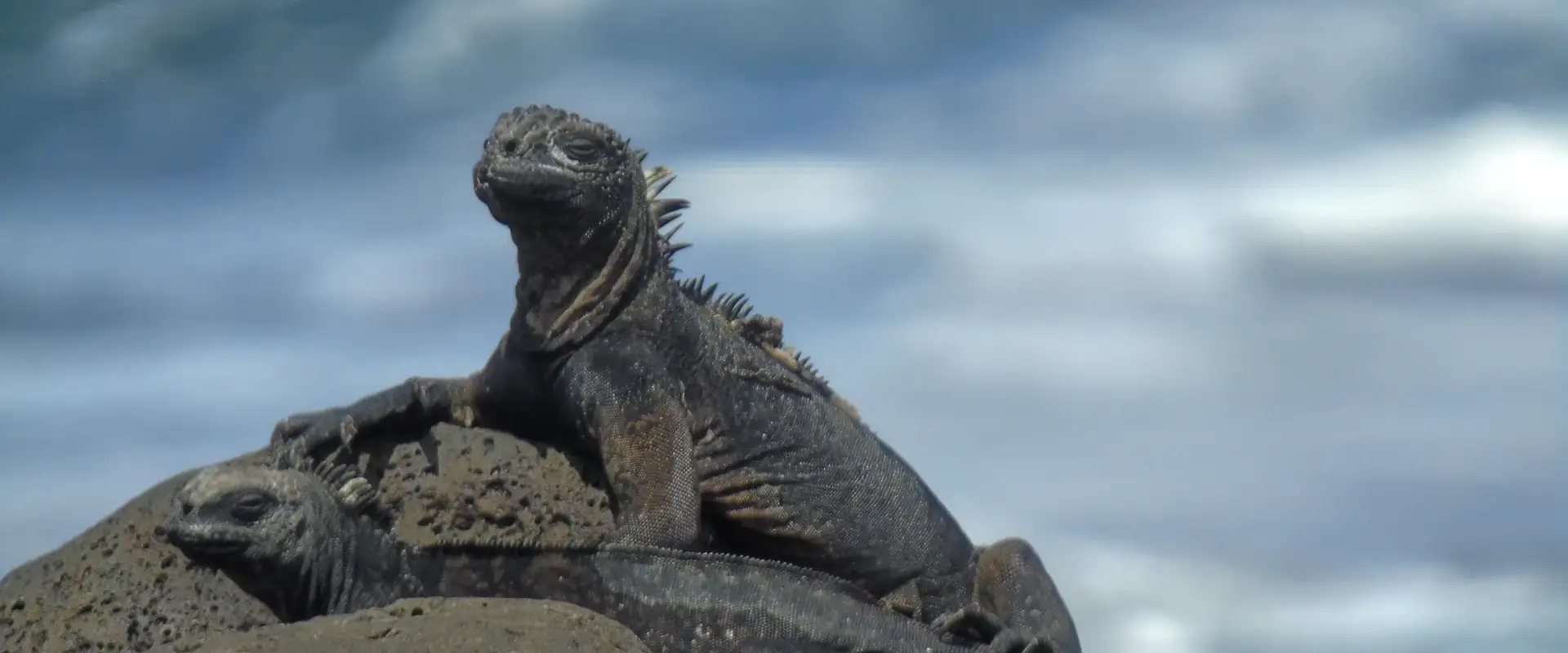
START IN QUITO, END IN THE GALÁPAGOS
9 Day Ecuador and Galapagos Tour: Andes, Amazon and Santa Cruz
Quito, Cotopaxi, Quilotoa, Baños and the Amazon with your own guide, then three nights on Santa Cruz with tortoises, beaches and snorkeling.
From $1,990 per person
View itineraryEcuador & Galápagos Tours of 9 to 14 Days
Is Mindo Cloud Forest Worth Visiting?
Yes — and I’ll push back on anyone who says otherwise. Mindo Cloud Forest is one of those rare places where the hype actually undersells it. After 200+ day trips here with visitors from every continent, I’ve watched seasoned travelers — people who’ve seen Borneo, the Amazon, Costa Rica — stop mid-hike because a velvet-purple coronet hummingbird buzzed ten inches from their face. That’s Mindo. It’s only 90 minutes from Quito, it costs almost nothing compared to other rainforest destinations, and the biodiversity density is legitimately among the top five in the world. If you’re already in Ecuador, skipping Mindo is a mistake.
Mindo Cloud Forest Tour Options (From Quito)
Most visitors come to Mindo on one of three tour formats — and picking the right one matters more than people realize. Here’s the honest breakdown I give every client before they book.
Full Day Trip from Quito (8-10 hours)
The classic Mindo cloud forest day trip leaves Quito around 7 AM, gets you to Mindo by 9, covers the Tarabita cable car and waterfall loop, a chocolate tour, and lunch, and has you back in Quito by 6 PM. It’s packed but efficient. Cost: $65-120 per person depending on group size and inclusions.
Birdwatching-Focused Tour (1-2 days)
If you’re a serious birder, a dedicated birding tour with a specialist guide is non-negotiable. Local guides charge $80-150 per day and know the exact trees where the Andean Cock-of-the-Rock, Plate-billed Mountain Toucan, and Tanager flocks appear at specific hours. You’ll tick off 60-100 species in one day with a good guide.
2-3 Day Mindo Weekend Package
This is what I recommend to most travelers. Staying overnight means dawn birding (the magic hour), a full adventure day (tubing + zip-line + waterfall), and an afternoon at a chocolate farm without rushing. Weekend packages with transport + 2 nights at a lodge + activities run $180-350 per person.
How Long Should You Spend in Mindo?
Minimum: one full day. Ideal: two to three nights. One day is enough to hike a waterfall, ride the Tarabita, and squeeze in a chocolate tour — but you’ll leave feeling like you saw Mindo through a car window. Two nights lets you do a proper dawn birding tour (the cloud forest comes alive between 5:30 and 8 AM), a full adventure day, and a relaxed evening in town. Three nights is what I recommend to photographers and serious birders — you’ll want multiple dawns in the forest, and the weather changes so fast that one rainy morning can cost you the best light.
How Far Is Mindo Cloud Forest From Quito?
Mindo is roughly 80 km (50 miles) northwest of Quito. By car, it takes 90 minutes along the Calacalí-La Independencia highway once you clear Quito traffic. Public buses from Terminal La Ofelia take about 2.5 hours and cost $3-5. Transfer with a driver runs $60-90 one-way for up to 4 people. The altitude drops dramatically on the way down — Quito sits at 2,850 m, Mindo at 1,250 m — which is why the air feels warmer and thicker the moment you arrive.
Frequently Asked Questions
Is Mindo Cloud Forest worth visiting?
Yes, Mindo Cloud Forest is absolutely worth visiting. It is one of the most biodiverse places on Earth with 400+ bird species, rare hummingbirds, orchid-draped forest, and it is only 90 minutes from Quito — ideal for a day trip or weekend escape.
What is Mindo Cloud Forest known for?
Mindo is known for world-class birdwatching (especially hummingbirds and the resplendent Quetzal), artisanal chocolate tours, waterfall hikes on the Tarabita cable-car trail, tubing, canopy zip-lines, and sustainable cloud-forest ecotourism.
How long should I spend in Mindo, Ecuador?
Most travelers spend 2-3 days in Mindo. One day is enough to taste the town and hike a waterfall, but 2-3 days lets you do a proper birding dawn tour, chocolate workshop, zip-line, and still relax.
How far is Mindo Cloud Forest from Quito?
Mindo is about 80 km northwest of Quito — roughly 90 minutes by car or 2.5 hours by public bus from Terminal La Ofelia. Transfer runs $60-90 for up to 4 people.
Do I need to be an experienced hiker to enjoy Mindo?
No. Mindo has trails for every fitness level — from a flat 10-minute butterfly-farm walk to challenging full-day hikes. The classic waterfall loop is moderate, about 2-3 hours, and accessible to anyone with basic fitness. Talk to your lodge and they will match you with the right trails.
How much should I budget for activities in Mindo?
Budget around $15-30 per guided activity. A chocolate tour runs $10-15, tubing $6-10, the Tarabita + waterfall entry $5, zip-lining $20, and bird guides $40-80 per half-day for 1-4 people. Many trails are free.
Is Mindo safe for solo travelers?
Yes, Mindo is genuinely safe. It is a small community where everyone knows everyone. Solo travelers stay at hostels and immediately make friends with other visitors. I have seen countless solo travelers extend their stays because they loved the vibe so much.
Can I see a Quetzal in Mindo without a guide?
Possible but unlikely. Quetzals are cryptic birds that require patience and knowledge of their habits. A local birding guide knows their lek sites and dramatically improves your odds — from maybe 10% to 70% on a good morning. Worth the $40-80 investment.
Ready to Experience Mindo?
Stop reading about it and get yourself there. Seriously. The cloud forest’s been waiting for you. Check our sister guides for specific activities—whether you’re chasing birds, swimming in waterfalls, or learning about chocolate, we’ve got you covered.
Start planning your Mindo adventure today:
- Mindo Zipline & Canopy Adventure: Complete Guide 2026
- Ecuador Bird Watching Tours: Best Spots & Species
- Mashpi Lodge Ecuador: Luxury Cloud Forest Experience
If you’re planning a Mindo trip, I’d also recommend checking out the Mindo zipline canopy adventure — it’s one of the best adrenaline experiences in the cloud forest. For wildlife lovers, our hummingbirds of Ecuador guide covers the top 10 species you can spot in Mindo, Tandayapa, and Mashpi. And if you’re deciding between budget and luxury, my Mindo vs Mashpi comparison breaks down costs, activities, and which option fits your travel style.