Andean Condor Habitat in Ecuador: The Urgent Fight to Save 150 Birds
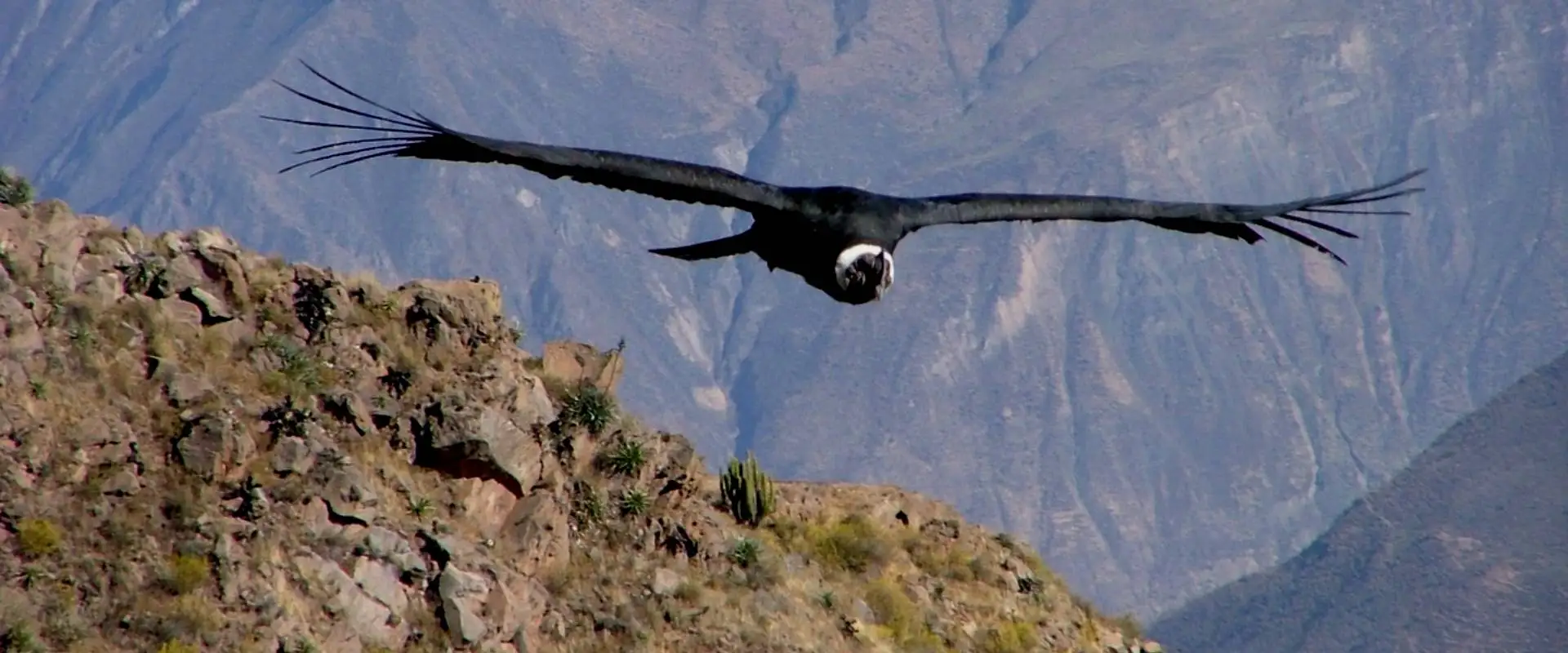
Andean condor habitat in Ecuador in one paragraph: high-altitude paramo and basalt cliffs above 3,000 m, primarily in Antisana Ecological Reserve, Cotopaxi National Park, and Cayambe-Coca. Only 150 birds remain in the country. Habitat loss + lead poisoning from carcass scavenging are the two main threats. Conservation work by Fundacion Condor Andino monitors the active nesting sites.
Pair It With the Galápagos: 9 Day Ecuador & Galápagos Tour
The andean condor habitat in Ecuador is shrinking faster than most travelers realize. The paramo above 3,500 m where they nest is being squeezed from below by farming and from above by climate shifts pushing tree lines higher.
Quick Summary: Andean condor conservation in Ecuador is a race against time. Fewer than 150 individuals remain — classified as Critically Endangered nationally — threatened by pesticide poisoning, feral dogs, and agonizingly slow reproduction. Key projects like the Condor Huasi Project at Hacienda Zuleta and The Peregrine Fund’s GPS tracking research are making progress, but the species needs more support. As a tourist, visiting conservation-focused sites and choosing responsible operators directly funds these efforts.
The State of the Andean Condor in Ecuador
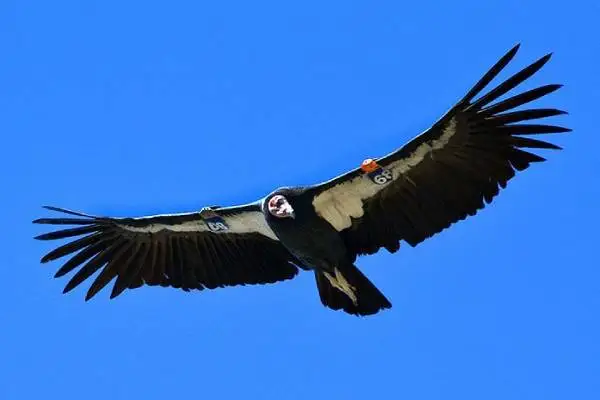
Andean condor conservation Ecuador
I need to be straight with you about something. Ecuador’s national bird — the symbol on its flag, the icon of Andean identity — is disappearing. And most people who visit this country have no idea.
Andean condor conservation Ecuador isn’t an abstract environmental cause. It’s an urgent, ongoing crisis with a very real number attached to it: fewer than 150 birds. That’s the entire wild population. In a country of 18 million people, there are fewer condors left than seats in a mid-size movie theater.
I’ve been guiding visitors through condor habitat in the Ecuadorian highlands for years. I’ve watched researchers tag birds, I’ve spoken with the communities living alongside them, and I’ve seen firsthand what poisoning does to a population this small. This article covers the honest picture — the threats, the people fighting back, and what you can do if you give a damn.
I have spent a decade watching the andean condor habitat in Antisana change. Where there used to be 8-10 birds visible on a good morning, we now count 3-4. The math is brutal: 150 birds in country, 1 chick every 2-3 years, lead poisoning still killing adults.
How Many Andean Condors Are Left in Ecuador?
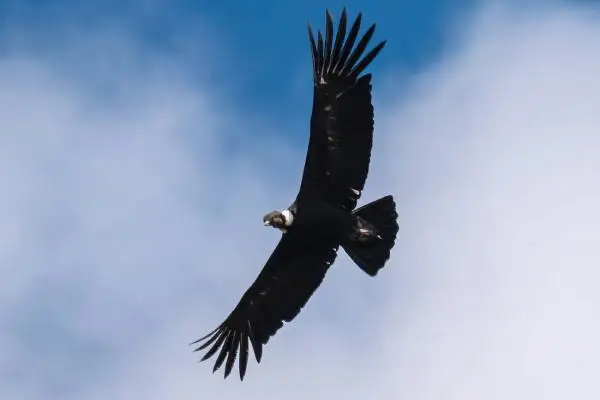
How many Andean condors remain in Ecuador?
Ecuador’s most recent national condor census, conducted in 2018, counted fewer than 150 Andean condors (Vultur gryphus) surviving in the wild. This makes the species Critically Endangered at the national level — a far more dire status than its global IUCN classification of Vulnerable, which estimates approximately 6,700 adults worldwide.
The numbers tell a sobering story. Ecuador’s condor population is genetically and geographically isolated from populations in Colombia to the north and Peru to the south. Mountain ranges, deforestation, and human development have fragmented their habitat so thoroughly that there’s virtually no natural exchange of individuals between countries.
What that means in practical terms: Ecuador’s condors are on their own. There’s no gene flow, no immigration of new birds to bolster the population. The 150 or so birds alive today represent the entire genetic future of the species in this country.
Since the 2018 census, no comprehensive follow-up has been published. Conservationists I work with are cautiously hopeful that the number has stabilized, but nobody’s claiming it’s growing. Not yet. Not sure how to fit this into a trip? Tell us your dates and we will map it out.
Why Are Ecuador’s Condors Disappearing?
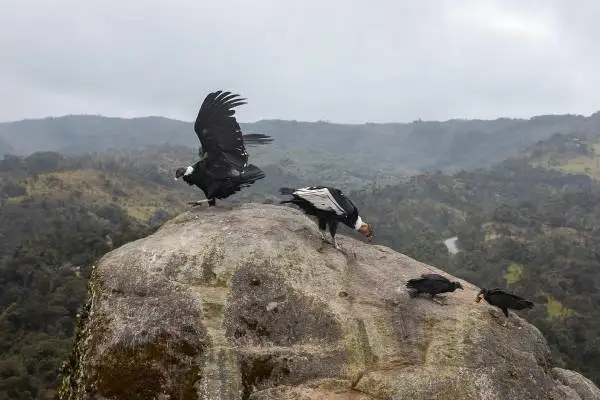
Ecuador’s Andean Condors in Danger
If you visit the andean condor habitat in Ecuador you become part of the conservation case. Park fees fund ranger patrols, your visit signals economic value of intact paramo, and the photos you share with the species name help anti-poaching campaigns.
The Andean condor faces multiple threats in Ecuador, but pesticide poisoning is by far the deadliest. At least 90 condors have died from consuming carcasses laced with toxic chemicals — primarily carbofuran and other agricultural pesticides that farmers place in dead livestock to kill predators like pumas and foxes.
The condors aren’t the target. They’re collateral damage. But because they’re obligate scavengers — meaning they only eat dead animals — they’re the first to find and feed on poisoned carcasses. One contaminated cow can kill an entire group of condors feeding together.
The worst single event I know of happened in 2018 near Cotopaxi. Fifteen condors were poisoned at once from a single laced carcass. Fifteen. In a population of 150, that’s 10% of the entire national population wiped out in one incident. It took maybe an hour to undo years of conservation work.
But poisoning isn’t the only problem. Here’s what else is killing condors:
- Feral dogs: Packs of feral and free-roaming dogs attack nesting sites, harass juvenile condors, and compete for carrion. It’s a bigger problem than most people realize — there are an estimated 4 million stray dogs in Ecuador.
- Illegal hunting: Some communities still kill condors based on outdated beliefs that condor body parts have medicinal properties, or simply because they perceive condors as threats to livestock (they’re not — condors don’t kill live animals).
- Habitat loss: Agricultural expansion into páramo ecosystems reduces foraging and nesting territory. The páramo grasslands above 3,500 meters are being converted to potato fields and cattle pasture at alarming rates.
- Slow reproduction: Condors don’t breed until age 5-6, lay only one egg every 2-3 years, and incubation takes about 2 months. A population this small simply can’t reproduce fast enough to absorb losses from human-caused mortality.
Conservation Projects Fighting to Save the Condor
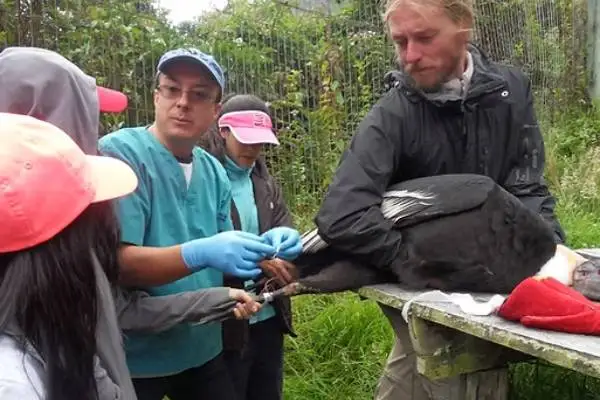
Condor Huasi Project
Despite the grim numbers, real progress is happening. Several organizations are doing extraordinary work for Andean condor conservation in Ecuador, combining field research, captive breeding, community education, and political advocacy.
The Condor Huasi Project at Hacienda Zuleta
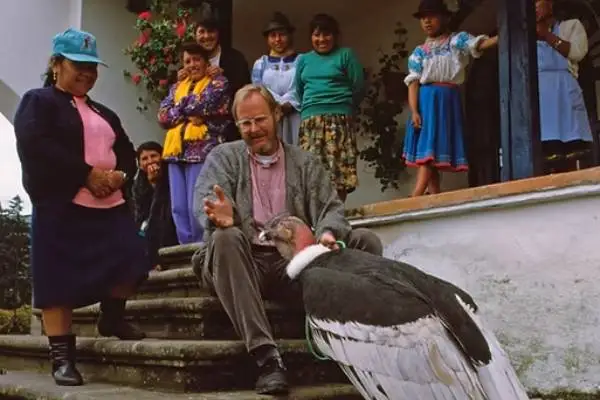
The Galo Plaza Lasso Foundation has been running the Condor Huasi (“Condor House” in Quechua) Project at Hacienda Zuleta since 1995. It’s the longest-running condor conservation program in Ecuador, and arguably the most impactful.
The project rescues injured, poisoned, and orphaned condors, rehabilitates them, and works toward releasing them back into the wild. They’ve also established a breeding program in collaboration with the Quito Zoo that has successfully produced and released condors into highland habitats. I’ve visited the facility multiple times. Watching a rehabilitated condor take its first flight back into the wild is something you don’t forget.
What makes Zuleta special is the community integration. The foundation employs local people, educates surrounding communities about condor ecology, and has built a model where tourism revenue directly funds conservation. When you visit Hacienda Zuleta, your entrance fee literally feeds the program.
The Peregrine Fund’s Research Program
The Peregrine Fund has been conducting Andean condor research in Ecuador since 2008. Their most significant contribution is the GPS tracking program, which has fitted 19 condors with satellite transmitters since 2012.
This data has been revolutionary. We now know that condors routinely travel over 200 km daily, that less than 40% of their movements occur within protected areas, and that over 500 roosting and nesting sites exist across the highlands. This information directly shapes conservation policy — you can’t protect what you don’t understand.
The Peregrine Fund also runs education programs in rural communities, training farmers to use non-toxic predator deterrents instead of poisoned carcasses. It’s slow work, changing generations of practice. But it’s the only way to address the poisoning crisis at its root.
The Andean Condor Working Group
Since 2010, the Andean Condor Working Group has provided scientific advisory support to Ecuador’s Ministry of the Environment. This multi-institutional team coordinates research priorities, helps design conservation strategies, and pushes for stronger legal protections.
Their work doesn’t make headlines. It’s policy documents, data analysis, and long meetings with government officials. But it’s the institutional backbone that makes everything else possible.
START IN QUITO, END IN THE GALÁPAGOS
9 Day Ecuador and Galapagos Tour: Andes, Amazon and Santa Cruz
Quito, Cotopaxi, Quilotoa, Baños and the Amazon with your own guide, then three nights on Santa Cruz with tortoises, beaches and snorkeling.
From $1,990 per person
View itineraryHow You Can Help Protect Ecuador’s Andean Condor as a Tourist
Andean Condor Protection (Condor Huasi Project)
Ecotourism is one of the most effective tools for Andean condor conservation in Ecuador. Every visitor who comes to see condors creates economic incentive for local communities to protect them rather than ignore — or harm — them. Here’s how to make your visit count:
Visit conservation-focused sites. Places like Hacienda Zuleta, Antisana Eco Reserve, and Parque Cóndor channel tourism revenue directly into condor protection. Your entrance fee, your guide’s salary, your lunch at a local restaurant — it all strengthens the conservation economy.
Choose responsible tour operators. Look for operators who employ local guides, support conservation organizations, and practice ethical wildlife watching. Keeping quiet at observation points, maintaining distance from nesting cliffs, and following park rules isn’t just polite — it’s essential for the birds’ wellbeing.
Spread the word. Share your condor experience on social media. Tag conservation organizations. Tell your friends. One of the biggest challenges facing condor conservation is simply that not enough people know there’s a problem.
Donate directly. The Galo Plaza Lasso Foundation and The Peregrine Fund both accept donations that go directly to condor research and rehabilitation. Even small contributions matter when the entire program runs on limited funding.
Support Condor Conservation Through Your Visit
We partner with conservation-focused lodges and reserves to create meaningful birdwatching experiences that fund real protection. Every trip we organize supports local communities and condor research.
The Future of the Andean Condor in Ecuador
Future of the Andean Condor in Ecuador
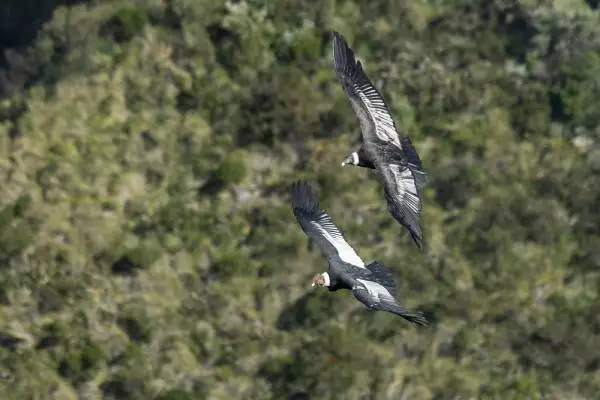
I won’t sugarcoat it. The future of Andean condor conservation in Ecuador depends on whether the country can solve three specific problems in the next decade.
First, the poisoning has to stop. This means enforcing existing pesticide laws, providing farmers with affordable alternatives, and running sustained education campaigns in rural highland communities. It’s not glamorous work, but it’s the single most impactful thing that could be done.
Second, feral dog populations need to be controlled — through sterilization campaigns, responsible pet ownership education, and, in critical condor habitat areas, active management programs. Four million stray dogs is an ecological disaster that extends far beyond condors.
Third, protected areas need to expand. Right now, condors spend the majority of their time outside national parks and reserves. Creating biological corridors between existing protected areas — especially along the northern highland ridge from Antisana to Cayambe to Cotacachi — would give condors safer territory to forage and nest.
Is it possible? Honestly, yes. The expertise exists, the data exists, and there are passionate people on the ground doing the work. What’s missing is political will and sustained funding. Tourism — your tourism — is part of that funding equation.
For the full picture of Ecuador’s condors, including where to find them and practical trip planning, read our complete guide to the Andean condor in Ecuador.
Understanding Andean condor conservation Ecuador is essential for anyone visiting the highlands. Every sighting, every tour booked, every donation made — it all contributes to keeping this species alive.
Frequently Asked Questions About Andean Condor Conservation
Is the Andean condor endangered in Ecuador?
Yes. The Andean condor is classified as Critically Endangered in Ecuador, with fewer than 150 individuals remaining according to the 2018 national census. Globally, the IUCN lists the species as Vulnerable with approximately 6,700 adults, but Ecuador’s isolated population faces far greater risk.
What is the biggest threat to Andean condors in Ecuador?
Pesticide poisoning is the single biggest killer. Farmers place toxic chemicals in livestock carcasses to kill predators, and condors — as obligate scavengers — consume the poisoned meat. At least 90 condors have died this way, including 15 in a single 2018 incident near Cotopaxi.
What conservation projects help Andean condors in Ecuador?
Key projects include the Condor Huasi Project at Hacienda Zuleta (captive breeding and rehabilitation since 1995), The Peregrine Fund’s GPS tracking research (since 2008), and the Andean Condor Working Group advising the Ministry of Environment since 2010.
How can tourists help Andean condor conservation?
Visit conservation-focused sites like Hacienda Zuleta and Antisana Eco Reserve, choose responsible tour operators, donate to organizations like the Galo Plaza Lasso Foundation or The Peregrine Fund, and share awareness through social media and word of mouth.
How many Andean condors are left in Ecuador?
Roughly 150 Andean condors remain in Ecuador as of 2025 estimates by Fundación Cóndor Andino. The population has declined steadily over the past 50 years due to habitat loss, lead poisoning from hunters bullets in carcasses, and illegal hunting.
What is the Andean condor habitat?
The Andean condor habitat is high-altitude paramo and rocky cliffs above 3,000 m. In Ecuador the core habitat is Antisana Ecological Reserve, Cotopaxi National Park, and Cayambe-Coca area. They nest on basalt cliff faces and forage over open paramo for carrion.
Why is the Andean condor endangered?
Three main threats: (1) lead poisoning from bullets in carcasses they scavenge, (2) habitat loss from agriculture pushing into paramo, (3) illegal hunting (still happens despite legal protection). Slow reproduction (1 chick every 2-3 years) means population recovery is glacial.
Where can I see Andean condors in Ecuador legally?
Antisana Ecological Reserve, Cotopaxi National Park, and Cayambe-Coca. All are protected areas with park ranger oversight. Approaching nesting sites is prohibited — viewing from designated lookouts only. Local guided tours respect a minimum 500-m distance.
What conservation work is being done?
Fundación Cóndor Andino monitors active nest sites with camera traps, satellite-tags juvenile birds, and works with ranchers to remove lead bullets from carcasses. The IUCN lists the species as Vulnerable globally but Ecuador-specific status is Critically Endangered.
Can the Andean condor population recover in Ecuador?
Recovery is possible but requires addressing three key challenges: eliminating pesticide poisoning through farmer education and enforcement, controlling feral dog populations through sterilization, and expanding protected areas and biological corridors across the highland ridge.