Andean Condor Wingspan: Where to See South America’s Largest Bird in Ecuador
Andean condor wingspan in one paragraph: 8 to 10.5 feet (2.5-3.2 m) — the largest of any land bird in the Western Hemisphere. The 5 best spots to see it in Ecuador are Antisana Ecological Reserve (~70% sighting probability on clear mornings), Cotopaxi National Park, Cayambe-Coca, Hacienda Zuleta, and Parque Condor near Otavalo.
Pair It With the Galápagos: 9 Day Ecuador & Galápagos Tour
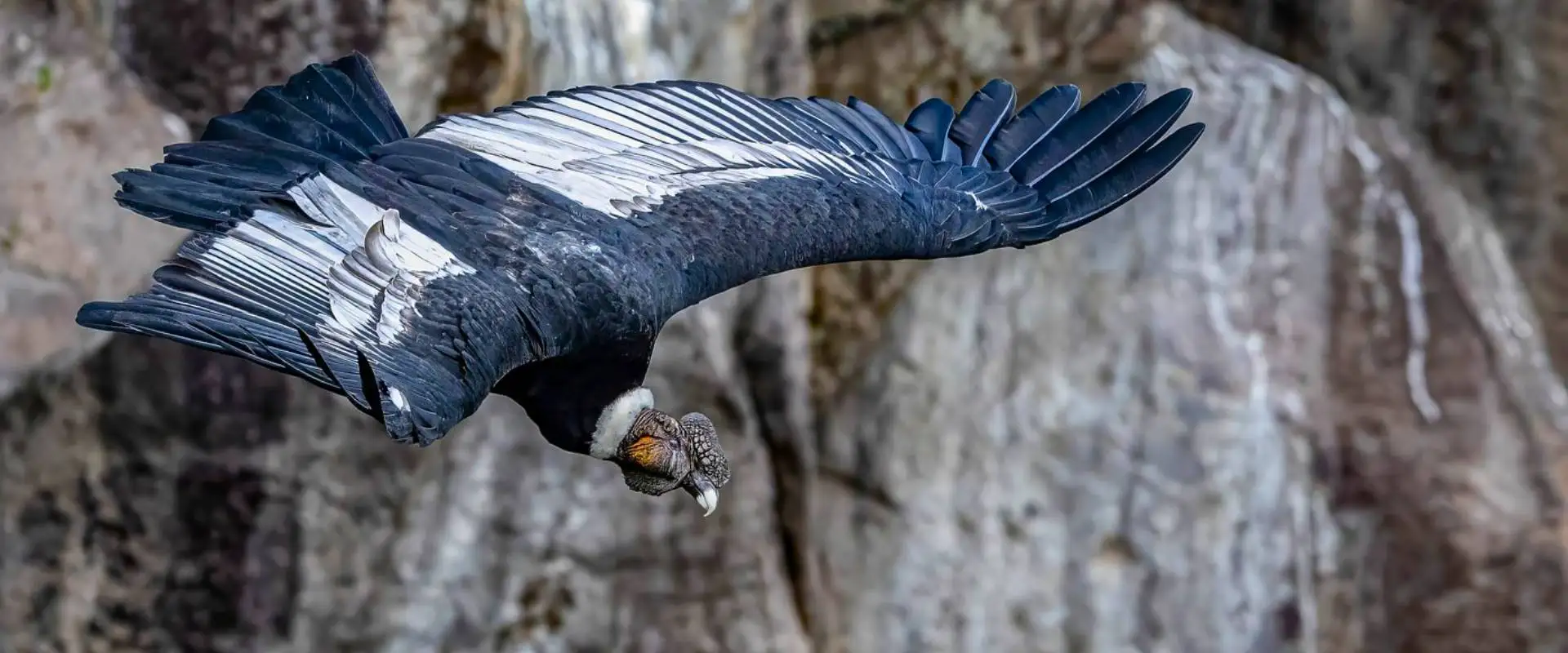
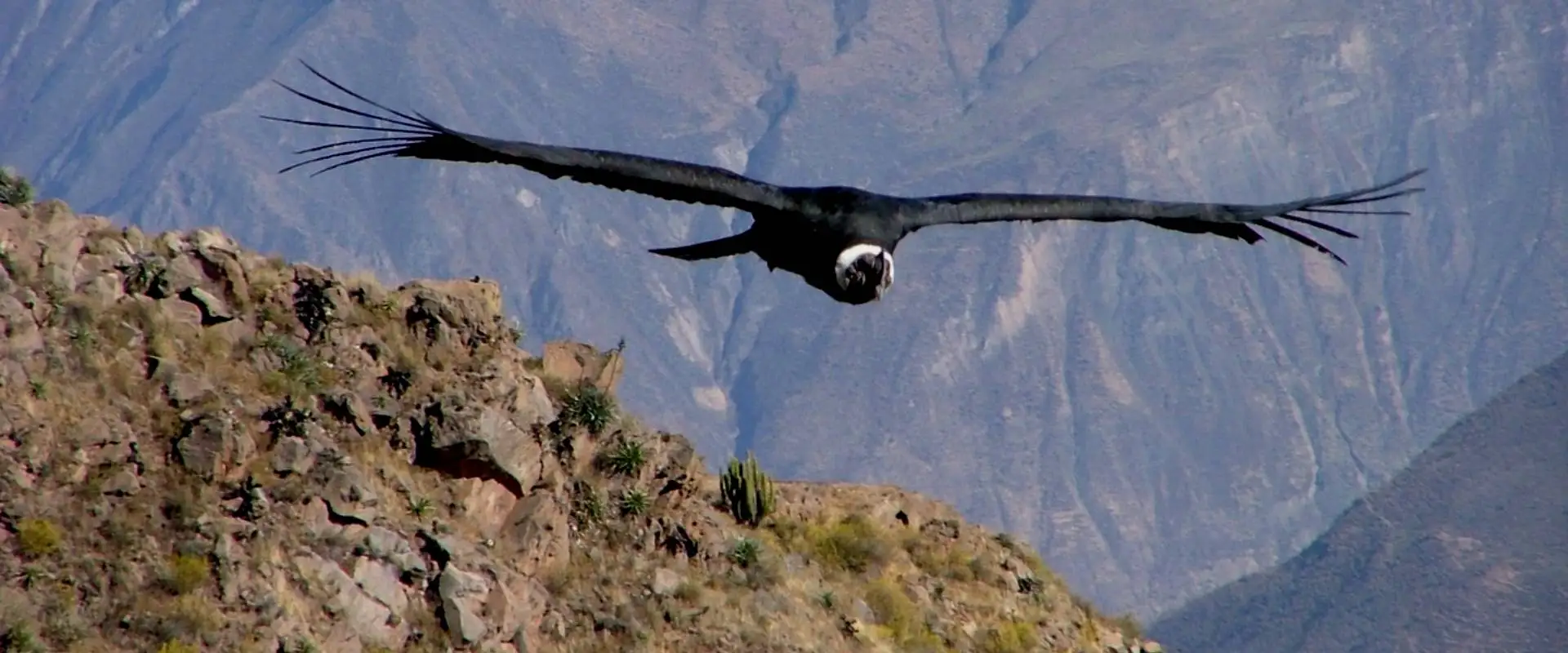
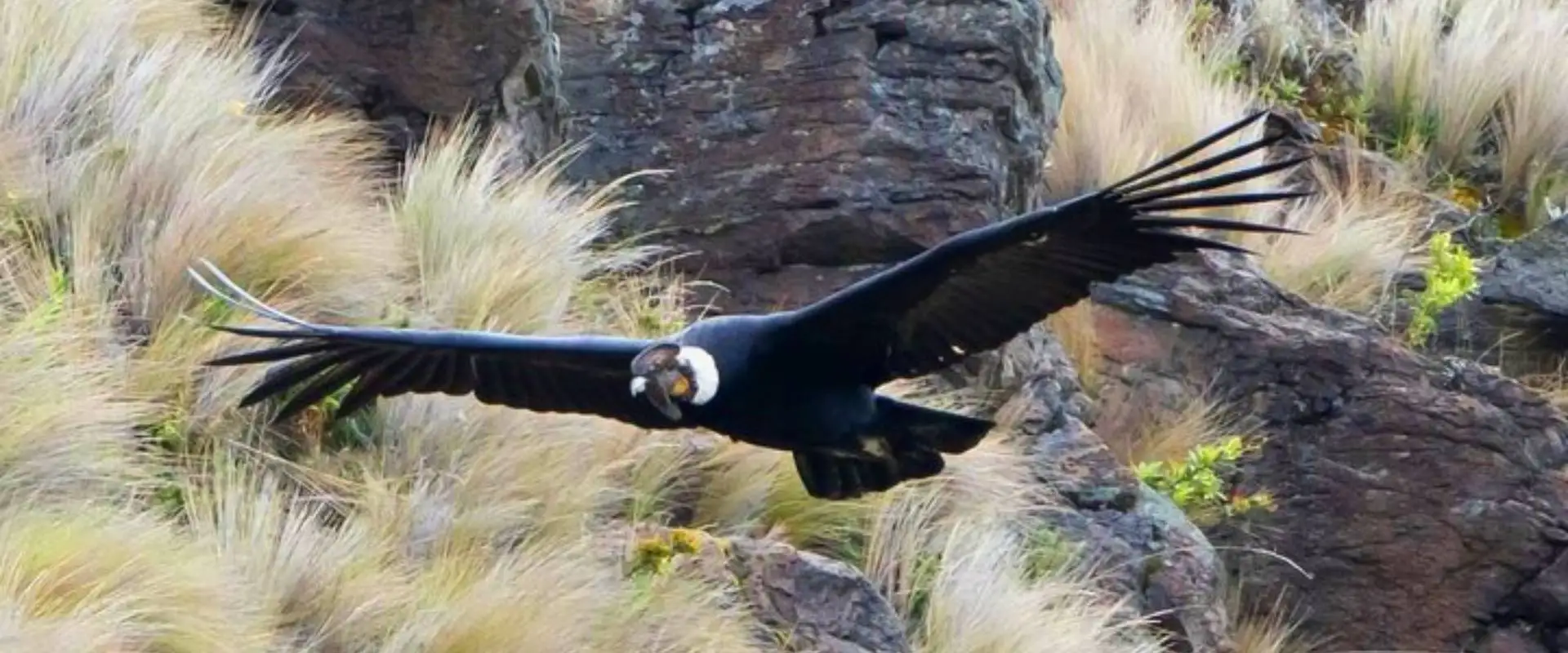
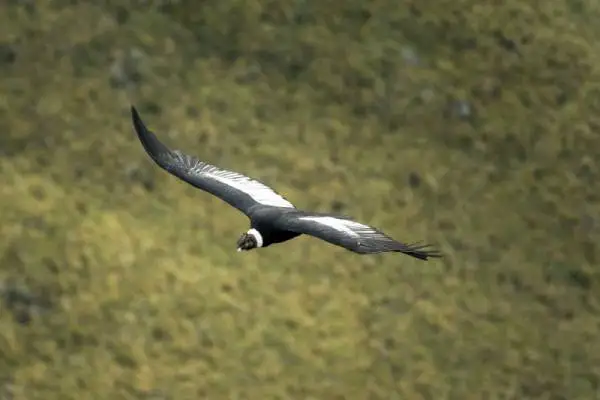
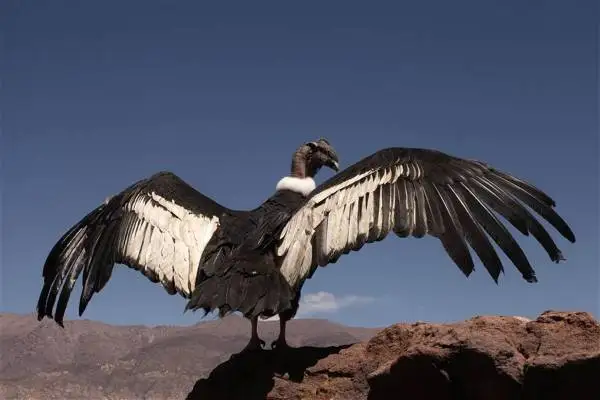
The andean condor wingspan reaches 10 feet (3 m) tip to tip — the largest of any land bird in the Western Hemisphere. Measured by weight and wingspan together, the Andean condor is widely regarded as the largest flying bird in the world; only the wandering albatross spreads longer wings. When one passes 50 m overhead, the shadow on the ground is unmistakable: a long flat-board profile that barely flexes.
The trick to identifying an andean condor wingspan from a distance is the silhouette. Adults have a white neck ruff visible from below and the wings are held almost flat (not bent like a vulture). At 1-2 km away you cannot make out feathers but the 10-foot board profile is unmistakable.
Quick Summary: The best place to see the Andean condor in Ecuador is the Antisana Eco Reserve, where 35+ condors frequent nesting cliffs visible from a dedicated platform — it’s a 2-hour drive from Quito. Hacienda Zuleta’s Condor Huasi Project offers close encounters with rehabilitated birds plus wild sightings. For rescued condors and flight demonstrations, Parque Cóndor near Otavalo is excellent. Best months: June through September. Arrive before 9:00 AM.
Seeing the andean condor next to a human in person changes everything. Photos do not prepare you. An adult standing on the ground is chest-height — and in flight the 10-foot wingspan is wider than anyone you have ever seen with arms outstretched.
Andean Condor Wingspan Next to a Human: How Big Is It Really?
Put an Andean condor next to a human and the numbers stop being abstract. The Andean condor wingspan runs 2.5 to 3.2 m (8 to 10.5 ft), close to double the arm span of an average adult, which is about 1.7 m (5 ft 7 in). Standing on the ground, the bird reaches roughly 1.2 m (4 ft), chest-height on most people, and a large male weighs as much as a medium-sized dog.
| Measure | Andean condor | Average adult human |
|---|---|---|
| Wingspan / arm span | 2.5–3.2 m (8–10.5 ft) | about 1.7 m (5 ft 7 in) |
| Standing height | about 1.2 m (4 ft) | about 1.7 m (5 ft 7 in) |
| Weight | 8–15 kg (18–33 lb) | about 70 kg (154 lb) |
Andean condor size also explains where the bird lives. An animal this heavy cannot flap its way uphill; it rides thermals along cliffs and open páramo, which is exactly the Andean condor habitat you will be standing in at every site below. For the full list of records, from lifespan to flight altitude, see these Andean condor facts.
Where Can You See Wild Andean Condors in Ecuador?
If you’re wondering where to see Andean condor Ecuador sightings, I’ll save you hours of research: Antisana Eco Reserve is your best bet. By a wide margin. I’ve been bringing birdwatchers here for years, and the success rate for condor sightings is the highest of anywhere in the country.
But Antisana isn’t the only option, and depending on what kind of experience you want, it might not even be the best fit for you. Some travelers want guaranteed close encounters — Hacienda Zuleta is better for that. Others want to combine condor watching with cultural experiences — Parque Condor near Otavalo hits that mark. And a few adventurous souls want to seek condors in wilder, less predictable spots like Papallacta or the Cotopaxi area.
If you’re researching where to see Andean condor Ecuador options, here’s an honest breakdown of each spot, based on years of personal experience guiding in the Ecuadorian highlands.
Antisana Eco Reserve — Your Best Chance to See Wild Condors
Antisana Eco Reserve
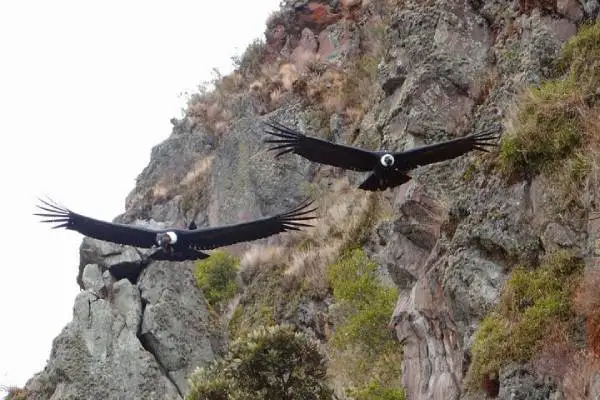
Antisana Ecological Reserve is the top answer to where to see Andean condor Ecuador in the wild — the single most reliable location to see wild Andean condors in Ecuador. At least 35 individual condors have been recorded using the nesting cliffs and foraging grounds within the reserve, making it the densest concentration in the country.
The trick to seeing an andean condor next to a human is timing thermals. Get to Antisana by 8 AM. Find the basalt cliffs above the lagoon. The first thermals lift the birds off their ledges between 9 and 10. From there it is patience and a 10×42 scope.
The reserve sits about 60 km southeast of Quito — roughly a 2-hour drive through the town of Pintag and up a gravel road into the paramo. The main condor viewing area is near the Tambo Cóndor sector, where a platform faces a set of cliff faces that condors use for roosting and nesting year-round. Planning the wider trip? Send us your dates and we will put the route together.
What makes Antisana special isn’t just the condors. On a good morning, you might see 5 or 6 condors soaring simultaneously, along with carunculated caracaras patrolling the grasslands, Andean lapwings, Andean gulls on La Mica Lagoon, and — if you’re patient — white-tailed deer grazing the páramo. I’ve counted over 60 bird species on a single day trip here.
A few things to know before you go:
- The park gate closes to new entries at 2:00 PM sharp. Plan to arrive between 7:00 and 8:00 AM for the best condor activity.
- No entrance fee as of 2026. You just register at the checkpoint with ID or passport.
- A 4×4 isn’t strictly required, but the gravel road gets muddy after rain. I’d recommend it.
- There are no facilities inside — bring all your food, water, and warm layers.
If you only have time for one condor excursion in Ecuador, make it Antisana. Nothing else comes close for wild sightings.
Hacienda Zuleta and the Condor Huasi Project
Condor Huasi Project
If Antisana is the best place for wild condor sightings, Hacienda Zuleta is the best place for an immersive condor conservation experience. The two complement each other perfectly.
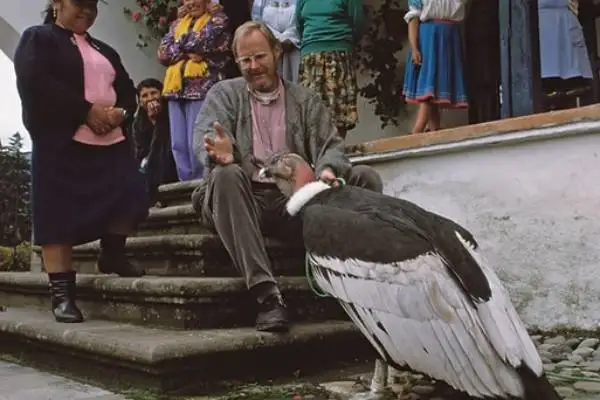
Hacienda Zuleta, located in the northern highlands near Ibarra, is home to the Condor Huasi Project — Ecuador’s longest-running condor conservation program, operated by the Galo Plaza Lasso Foundation since 1995. The project rescues injured and poisoned condors, rehabilitates them in large flight enclosures, and works toward releasing them back into the wild.
If you want the iconic photo of an andean condor next to a human, the cliff overlooks above Laguna de Mica in Antisana give you the closest legal vantage. Birds passing overhead come within 30-50 m vertically — close enough that the wingspan fills the viewfinder.
What makes this special for visitors is proximity. You’ll stand meters from condors — close enough to see the individual feather detail, the color of their eyes, the texture of the caruncle on a male’s head. These aren’t tame birds; they’re wild condors in rehabilitation. The experience is respectful and educational, nothing like a typical zoo.
Beyond the rehabilitation center, the surrounding highlands are home to wild condors too. Zuleta’s guides know the local flight patterns and can often spot wild birds soaring above the property. I’ve combined the two experiences on several visits — morning at the center learning about condor conservation in Ecuador, afternoon scanning the ridgelines.
Zuleta is about 2.5 hours north of Quito, making it either a long day trip or — better — an overnight stay at the historic hacienda. The accommodation is beautiful, and the setting (a working farm in a green valley surrounded by mountains) is special in its own right.
Tambo Condor and Chakana Reserve
Tambo Condor
Tambo Condor and Chakana Private Reserve are both located near Antisana, and they offer alternative access points to condor habitat with slightly different experiences.
Tambo Condor is essentially a community-managed viewing area within the broader Antisana ecosystem. The name literally means “condor resting place” in Quechua, and the viewpoint here provides some of the best photographic angles of condors against cliff backgrounds. If you’re serious about condor photography — especially with a 300mm+ telephoto lens — this is where I’d send you.
Chakana Reserve is a private conservation area that borders Antisana. It’s less visited, which has its advantages. Fewer people means less noise, and condors (which are sensitive to disturbance) tend to be more relaxed. The trade-off is that access can be more complicated and you’ll want a knowledgeable guide.
Both spots are reachable as part of the same day trip from Quito that includes Antisana. In fact, I usually combine Tambo Condor with the main Antisana viewing platforms on a single outing — they’re close enough to hit both in a morning.
Parque Cóndor Near Otavalo — Rescued Condors Up Close
Parque Condor
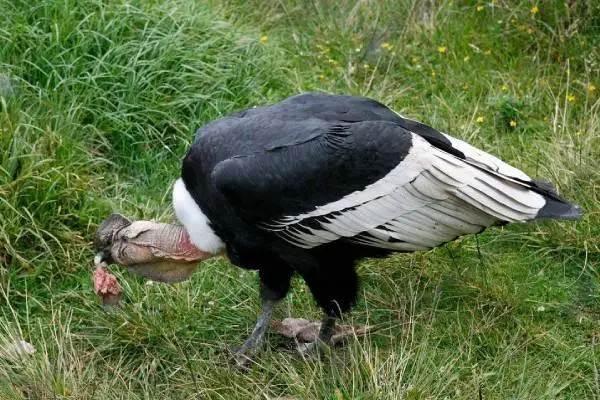
Parque Cóndor sits on a hilltop above the town of Otavalo in the northern highlands, and it serves a completely different purpose than the wild-viewing sites. This is a rescue and rehabilitation center for birds of prey — condors, hawks, owls, and eagles — that can’t be returned to the wild due to injuries.
The centerpiece is their condor flight demonstrations, where trained condors fly across an open arena with the Imbabura volcano as a backdrop. It’s impressive, particularly for families with kids or people who want guaranteed close views. The staff are knowledgeable and passionate about what they do.
The strategic advantage of Parque Cóndor is its location. It’s a 10-minute drive from Otavalo’s famous Saturday market — the largest indigenous market in South America. You can spend the morning browsing textiles and crafts, then head up the hill for an afternoon of condor encounters. It’s one of the easiest day trips from Quito that combines culture with wildlife.
One honest note: this is a captive bird experience. If your primary goal is seeing wild condors in their natural habitat, Antisana or Zuleta should be your priority. But if you’re traveling with a mixed group (say, not everyone is a hardcore birder), Parque Cóndor is a crowd-pleaser that everybody enjoys.
Other Highland Spots Where Condors Have Been Spotted
Condor Ecuador
Beyond the dedicated sites, Andean condors have been spotted at several other highland locations. Just set your expectations accordingly — sightings at these spots are possible but not reliable.
Papallacta area: The high pass between Quito and the Amazon occasionally produces condor sightings, especially early morning. I’ve seen them here maybe 3 or 4 times in years of driving through. It’s a nice bonus if you’re heading to the Papallacta hot springs, but don’t plan a trip specifically for condors here.
Cotopaxi National Park: Condors are present in the Cotopaxi area — the 2018 poisoning incident happened nearby — but sightings during typical park visits are uncommon. The terrain is vast and the birds move unpredictably. If you see one while hiking near the refugio, consider yourself lucky.
Remote northern páramos (Cayambe-Coca): GPS tracking data shows condors using these areas regularly, but access is limited and there’s no established viewing infrastructure. This is territory for serious birders with local guides and flexibility in their schedule.
For a deeper dive into the biology and cultural significance behind these sightings, our complete guide to the Andean condor in Ecuador covers everything from fascinating condor facts to trip planning essentials.
START IN QUITO, END IN THE GALÁPAGOS
9 Day Ecuador and Galapagos Tour: Andes, Amazon and Santa Cruz
Quito, Cotopaxi, Quilotoa, Baños and the Amazon with your own guide, then three nights on Santa Cruz with tortoises, beaches and snorkeling.
From $1,990 per person
View itineraryBest Time and Essential Tips for Condor Watching in Ecuador
The best time to see Andean condors in Ecuador is during the dry season from June through September, when clearer skies and more consistent thermal activity make condors easier to spot. Late morning (9:00 to 11:00 AM) is peak time — the sun has warmed the cliffs enough to generate thermals, and condors are actively soaring.
That said, condors are present year-round. I’ve had good sightings in December and January (a mini dry season) and even occasional surprises during the wetter months. The key is timing your arrival right and being patient.
Here’s my standard advice for clients:
| Factor | Recommendation |
|---|---|
| Best months | June – September (dry season), also Dec – Jan |
| Best time of day | 7:00 AM – 12:00 PM (arrive early, thermals peak mid-morning) |
| Binoculars | 8-10x magnification minimum |
| Camera lens | 300mm+ telephoto recommended |
| Clothing | Warm layers + windproof jacket (temps 0-10°C at altitude) |
| Behavior | Stay quiet, avoid sudden movements, respect nesting distance |
| Duration | Plan at least 3-4 hours at viewing sites |
One more thing — and I can’t stress this enough — be quiet at condor viewing sites. These birds are sensitive to noise. I’ve watched condors abandon a cliff after a group of tourists started yelling and slamming car doors. Keep your voice low, move slowly, and let the birds come to you. The patience always pays off.
Ready to See Condors in Ecuador?
Our guided condor watching day trips from Quito take you to the best spots with experienced local naturalists who know exactly where and when to find these magnificent birds. Small groups, big experiences.
Book your condor watching trip →
Questions? WhatsApp us anytime — we’re happy to help plan your perfect birding day.
Frequently Asked Questions About Seeing Condors in Ecuador
Where is the best place to see Andean condors in Ecuador?
Antisana Eco Reserve is the most reliable location, with 35+ recorded individual condors using nesting cliffs visible from a dedicated viewing platform. It’s a 2-hour drive from Quito and offers the highest success rate for wild condor sightings in the country.
Can you see Andean condors near Quito?
Yes. Antisana Eco Reserve is only about 60 km southeast of Quito (roughly 2 hours by car), making it an easy day trip. Tambo Condor and Chakana Reserve are also in the same area. Parque Cóndor near Otavalo is about 2 hours north of Quito.
What time of day is best for condor watching?
Late morning between 9:00 and 11:00 AM is typically best, when thermal currents allow condors to soar. However, arriving by 7:00 AM increases your chances of seeing condors on cliff ledges before they take flight. Avoid afternoon visits — clouds usually roll in by noon.
Do I need a guide to see condors in Ecuador?
You can visit Antisana independently with a vehicle, but a knowledgeable local guide significantly increases your chances of spotting condors. Guides know the current nesting locations, daily flight patterns, and optimal viewing angles. For Hacienda Zuleta and Chakana Reserve, guides are required.
How big is the Andean condor next to a human?
Standing on the ground, an adult Andean condor reaches about 4 ft (1.2 m) tall — chest-height on most adults. The 10-foot wingspan in flight is wider than any human is tall. Side-by-side photos show why visitors are stunned by the size.
Where is the best place to see Andean condors in Ecuador?
Antisana Ecological Reserve has the highest probability — local rangers report sightings on ~70% of clear mornings. Cotopaxi National Park is second-best (open paramo, long sightlines). Cayambe-Coca is more remote but produces close encounters when conditions are right.
What time of day are condors most active?
Early to mid-morning (8 AM to 12 PM) when thermals form on cliff faces. They roost overnight on cliff ledges and need rising warm air to soar — they barely flap, so they wait for the sun to heat the rock before launching. By afternoon they are often roosting again.
Do I need a guide to see Andean condors?
Not technically — Antisana and Cotopaxi are accessible to self-drivers — but a local guide who knows the active roost cliffs increases sighting odds by maybe 3×. They scan the right ridges, know vehicle distances that do not spook the birds, and can put a scope on a perched bird from 1 km.
Is it dangerous to be near a condor?
No. Andean condors are scavengers, not predators. They have no interest in live humans. The closest legal viewing distance in protected reserves is around 100 m — you stay there to avoid stressing the birds, not for your safety.
Is Parque Cóndor worth visiting?
Yes, especially for families or travelers combining birdwatching with cultural experiences. Parque Cóndor houses rescued raptors that can’t return to the wild and offers impressive flight demonstrations. It’s easily combined with Otavalo’s famous Saturday market for a full day trip from Quito.