The Ultimate Antisana Volcano Day Trip from Quito: Incredible Condor Watching Spots & Reserve Guide
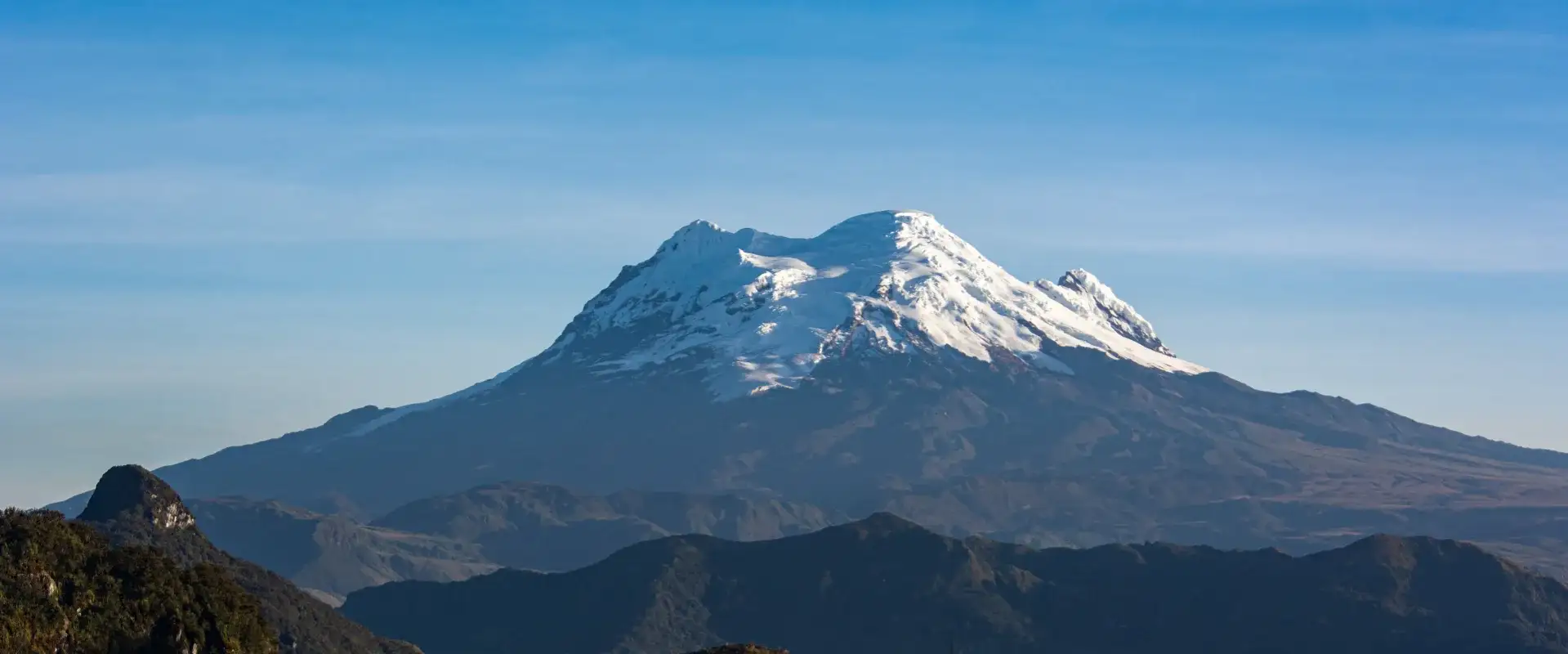
Antisana volcano sits in the high Andes southeast of Quito, encompassing some of Ecuador’s most pristine wilderness. An antisana day trip quito isn’t for everyone—the access is more remote, the altitude’s serious, and condor watching requires patience. But for those seeking genuine wildlife immersion and ecological depth, an antisana reserve day trip delivers something special that typical tourist circuits miss. The first time I visited, our naturalist guide positioned us on a rocky outcrop at 4,200 meters, looking out over a vast plateau. Within minutes, a massive Andean condor appeared overhead, its three-meter wingspan and distinctive white neck patch impossible to miss.
That single moment—watching the world’s largest flying bird in its natural habitat—changed how I understand Ecuador’s ecological importance. Antisana protects threatened species and fragile ecosystems that exist nowhere else on Earth. This guide covers everything you need for visiting Antisana Reserve, including how to spot condors, what to expect at high altitude, why a naturalist guide matters, and how this day trip differs from more typical Quito adventures. If you’re willing to venture beyond standard tourism, you’ll discover Ecuador’s most authentic wildlife experience.
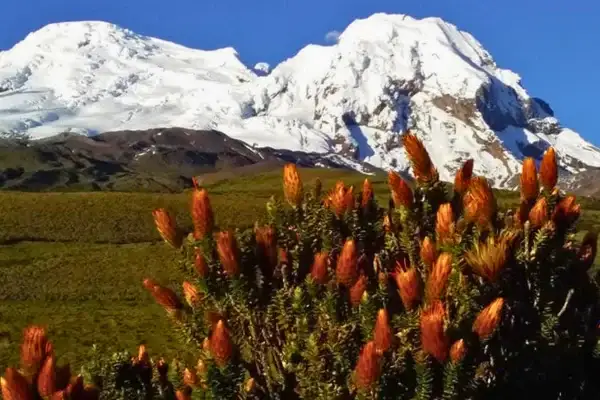
Understanding Antisana: Ecuador’s Premier Wildlife Reserve
Antisana Ecological Reserve protects approximately 120,000 hectares of high-altitude wilderness in Ecuador’s Eastern Andes. It’s a working conservation area—research happens constantly, and access is limited to maintain ecological integrity. Unlike many “reserves” that are primarily tourist destinations, Antisana genuinely prioritizes conservation over visitor convenience.
What Antisana protects: Andean condors (one of the world’s rarest birds), mountain tapirs, spectacled bears, Andean foxes, numerous high-altitude bird species, and fragile páramo ecosystems. The reserve encompasses elevations from 3,500 to nearly 5,000 meters, creating diverse habitats within a relatively compact area.
Why Antisana matters: the reserve functions as a critical refuge for threatened species. Conservation work happens here in real time. Visiting with licensed naturalist guides directly supports these efforts—your fees contribute to reserve maintenance and protection. If you would rather someone else handled the logistics, tell us what you have in mind.
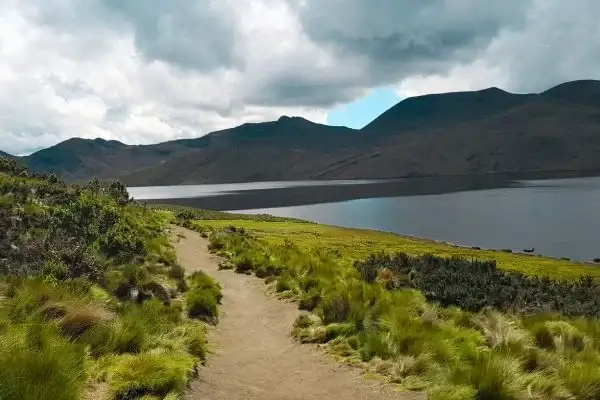
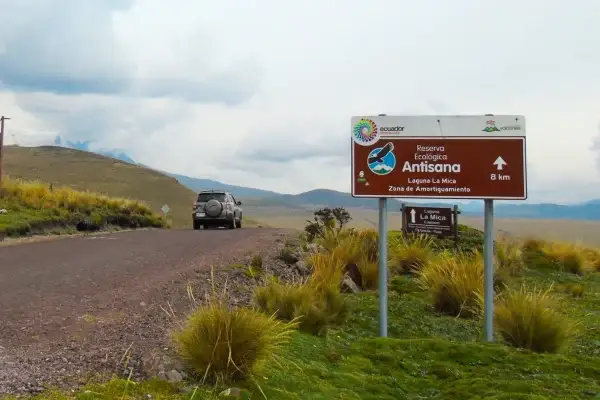
Getting to Antisana Reserve: Remote but Accessible
Antisana sits roughly 80-100 kilometers southeast of Quito, but reaching it takes 2-3 hours due to mountain roads and the final approach on rugged tracks. There’s no public transportation directly to the reserve. You have two realistic options:
Organized tour: Many Quito tour operators offer Antisana day trips. Guides have reserve access permissions, vehicle expertise for rough roads, and naturalist knowledge. Expect to pay $120-180 USD per person, including transportation and guide services. This is the sensible option for most visitors.
Independent travel: You could potentially hire a driver from Quito and hire a local guide at Antisana, but this requires advance coordination and knowledge of access procedures. It’s possible but less convenient than booking through established operators. Check our comprehensive day trips from Quito guide for tour operator recommendations.
I’d strongly recommend organized tours. They simplify logistics, provide expert guides, and ensure your visit supports the reserve properly.
The Condor: Understanding What You’re Actually Seeking
Before going to Antisana, understand what condor watching involves. The Andean condor is the world’s largest flying bird—nearly three meters wingspan, up to 15 pounds, and genuinely impressive in person. But seeing them requires the right conditions and realistic expectations.
Condor behavior: they soar on thermal currents, often at tremendous heights. The best viewing happens during warm parts of the day (typically midday) when thermals are strongest. Early morning and late afternoon—classic wildlife watching times—sometimes offer worse condor visibility. Guides position you where thermals are likely to push them overhead, but there’s no guarantee. Some days you see dozens; other days you see none.
Why condor hunting requires guides: naturalist guides know terrain, behavior patterns, seasonal movements, and how to maximize sighting probability. They understand wind patterns, thermal locations, and where condors spend time. Self-guided condor searching would be extremely unproductive.
Photography considerations: condors are too high for most camera telephoto lenses to capture detailed shots. You’ll see them, but photographing them successfully requires serious equipment. Most visitors experience the condor visually rather than photographically—which is fine and genuinely remarkable.
The Antisana Experience: What Your Day Actually Looks Like
A typical Antisana day trip involves early departure and extended time in high-altitude terrain. Here’s realistic pacing:
5:00-6:00 AM: Depart Quito (very early—guides want maximum daylight).
8:00-8:30 AM: Arrive at reserve entrance area, brief orientation.
8:30 AM-12:30 PM: First wildlife watching session (usually productive for condor thermals).
12:30-1:30 PM: Lunch break.
1:30-3:30 PM: Continued exploration and wildlife watching (more condor activity often peaks midday).
3:30 PM: Begin return drive.
6:00-6:30 PM: Arrive back in Quito.
This schedule involves a very early start and full-day commitment. You’re not doing leisurely tourism—you’re seriously seeking wildlife.
Altitude Considerations at Antisana
Most Antisana viewing occurs at 3,800-4,200 meters. That’s high altitude, higher than most typical day trips. If you’re coming from Quito (2,850m) directly to Antisana, your body has minimal acclimatization time.
Altitude sickness risk: moderate. Headaches and shortness of breath affect many people. Serious symptoms (severe headache, confusion, extreme shortness of breath) affect fewer but do occur. Mitigation strategies:
- Consider medication: Some travelers take Diamox starting 24 hours before. Discuss with your doctor.
- Go slow: Your guide will pace hiking appropriately. Don’t rush.
- Hydrate aggressively: Bring 2-3 liters of water. Altitude dehydration’s real.
- Eat regularly: Your body needs fuel at altitude. Bring snacks.
- Rest well beforehand: Sleep well in Quito the night before.
- Don’t push too hard: This isn’t a fitness test. Comfort matters for the experience.
If you develop serious altitude symptoms, tell your guide. Descent’s the only treatment, and that’s fine—it’s better than risking altitude sickness.
What to Bring and Wear
Antisana’s high altitude with unpredictable weather. Pack thoughtfully::
Layers:
- Waterproof gear: Mountain weather changes rapidly. Lightweight rain gear’s essential.
- Sturdy hiking boots: Terrain’s rough and rocky. Good ankle support and grip matter.
- Warm hat and gloves: You’ll appreciate them at 4,000+ meters.
- Binoculars: Essential for bird watching. Bring good ones (10×42 works well).
- Water and snacks: At least 2 liters of water, high-calorie snacks (bars, nuts, chocolate).
- Sun protection: SPF 50+ sunscreen, sunglasses, hat. High altitude sun is intense.
- Camera: For landscape and wildlife photography (though condor photos require serious gear).
- Toilet paper: Limited facilities—be prepared.
- Headlamp: Early start means possible darkness during initial drive/setup.
This is a legitimate backcountry experience. Packing appropriately determines comfort level.
Beyond Condors: Other Antisana Wildlife
Condors are the marquee species, but Antisana offers other wildlife watching opportunities:
Other birds:
- Mammals: White-tailed deer, mountain rabbits, and occasionally tapirs or foxes in specific areas. Less frequently spotted than birds but possible.
- Flora: Páramo ecosystem with unique high-altitude vegetation. Naturalist guides explain ecological relationships and plant adaptations.
- Landscape: Dramatic mountain scenery, glaciers visible in distance, and the raw beauty of high-altitude wilderness.
Even without condor sightings, the ecological immersion justifies the trip for nature enthusiasts.
Photography Considerations for Antisana
If you’re into wildlife photography, understand limitations: condors are too distant for most lenses. Landscape photography works beautifully. Bird photography (non-condor species) can be productive with proper equipment.
Realistic photography goals: stunning landscape shots, clear bird species photos for non-condors, and condor’silhouettes against sky rather than detailed condor portraits. If serious condor* photography interests you, expect to spend multiple days with professional equipment.
Cost and Value Breakdown
Organized tour:
- Food/snacks: $15-25 USD.
- Total full-day trip: $205-300 USD.
Higher cost than some day trips, but you’re getting expert naturalist guiding, legitimate conservation impact, and genuine wilderness access. Value’s there.
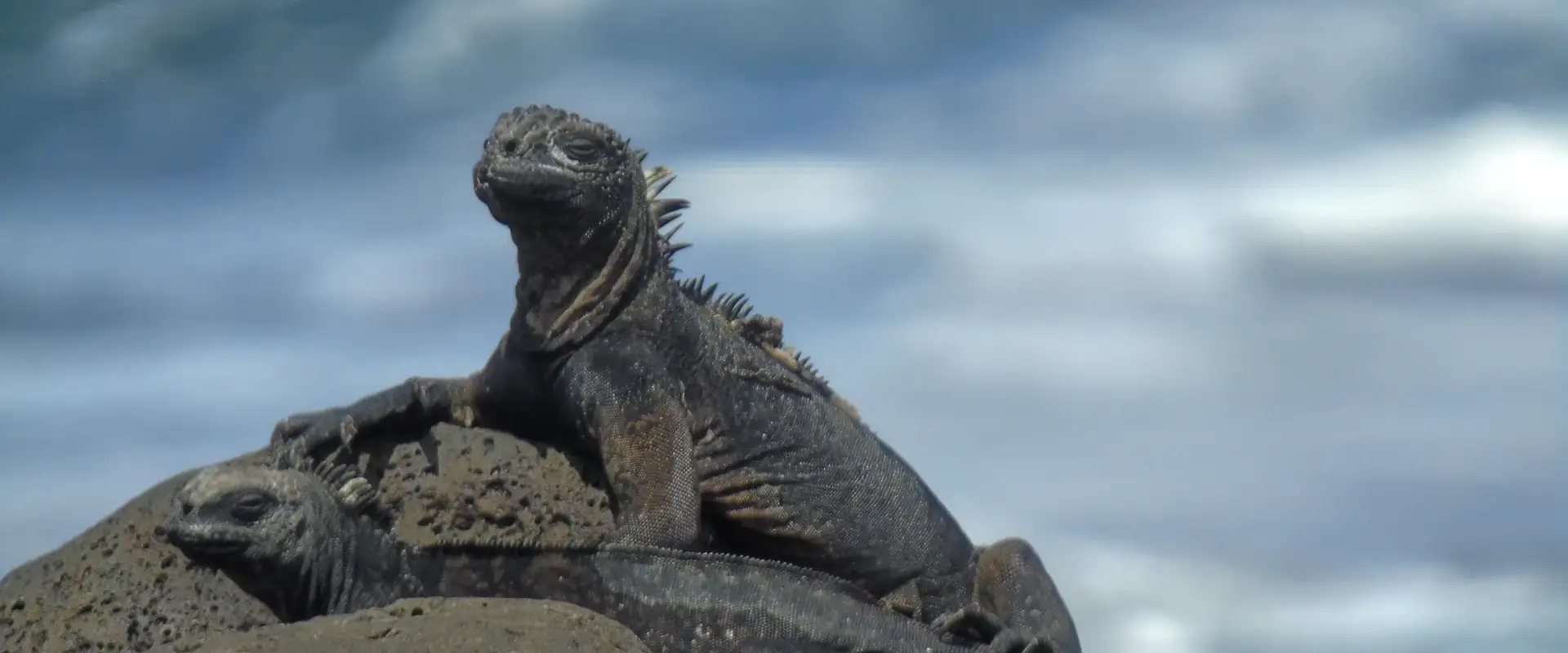
START IN QUITO, END IN THE GALÁPAGOS
9 Day Ecuador and Galapagos Tour: Andes, Amazon and Santa Cruz
Quito, Cotopaxi, Quilotoa, Baños and the Amazon with your own guide, then three nights on Santa Cruz with tortoises, beaches and snorkeling.
From $1,990 per person
View itineraryPair It With the Galápagos: 9 Day Ecuador & Galápagos Tour
Why Antisana Differs from Other Day Trips
Antisana’s fundamentally different from typical Quito day trips:
- Less touristy: You won’t see tour bus crowds or souvenir shops. It’s genuinely wild.
- Wildlife focus: Not about cultural tourism or eating local food. It’s about ecological experience.
- Requires patience: You’re waiting and watching, not actively doing activities.
- Weather-dependent: Cloud cover or rain genuinely impacts the experience.
- Serious altitude: Higher than most alternatives and demands physical adaptation.
- Conservation-aligned: Your visit directly supports ecological preservation, not just tourism infrastructure.
This isn’t for everyone. If you want constant activity or guaranteed results, choose a different day trip. If you want authentic ecological immersion and genuine wildlife, Antisana delivers.
Combining Antisana with Other Day Trips
Antisana’s remote location (southeast of Quito) makes combining it with other activities impractical. The early start and full-day commitment justify dedicating a complete day to the reserve. For comprehensive trip planning, check our full day trips from Quito guide to build a multi-day itinerary incorporating Antisana alongside other options.
FAQ: Antisana Volcano Day Trip
Will I definitely see condors?
No. Condor sightings aren’t guaranteed—wildlife watching never is. Good guides maximize probability significantly, but weather, seasonal factors, and chance affect results. Many visitors see condors; some don’t. The experience matters regardless.
Is Antisana worth visiting if condor sightings aren’t guaranteed?
Absolutely. The landscape, ecosystem, other wildlife, and ecological learning justify the trip independent of condor sightings. That said, if condor sighting is your only motivation, understand the risk.
What’s the best season for condor watching?
June-September (dry season) offers clearest weather and most stable conditions. Condors are present year-round, but visibility improves during drier months. Rainy season (October-May) brings cloud cover that can obscure views.
How fit do I need to be?
Moderate fitness suffices. The hiking’s not technical, but altitude and rough terrain demand reasonable fitness. If you can handle a 3-4 hour moderate hike at elevation, you’re fine.
Can families with kids do this?
Older children (10+) with hiking experience can manage. Younger children might struggle with altitude and early start. Discuss with your guide when booking.
Experience Ecuador’s Most Authentic Wilderness:
An antisana day trip quito isn’t typical tourism. It’s genuine ecological adventure for travelers willing to embrace uncertainty and appreciate wild landscapes. You’ll witness Andean condors soaring above pristine wilderness, explore ecosystems that exist nowhere else on Earth, and contribute directly to conservation efforts. The memory of seeing the world’s largest flying bird in its natural habitat—that moment stays with you. For comprehensive planning and ways to combine Antisana with other Quito experiences, explore our complete day trips from Quito guide. Pack your binoculars, prepare for altitude, and get ready for one of Ecuador’s most rewarding wildlife experiences.
Useful External Resources
Looking for more on Antisana Volcano? Browse our related coverage on antisana volcano ecuador, antisana volcano guide, antisana volcano tour, and reach out to our local experts for personalized planning.