The best day trips from Quito: Complete guide 2026
The best day trips from Quito last between one and three hours and include volcanic landscapes, indigenous markets, and crystal-clear crater lakes. Highlights include the legendary Saturday market in Otavalo, the snow-capped peak of Cotopaxi, and the stunning turquoise lake of Quilotoa. Most excursions cost between $30 and $80 per person and can be done with organized day tours from Quito or independently.
The best day trips from Quito: Complete guide 2026
I still remember my first morning in Quito fifteen years ago, waking up at 2,850 meters above sea level with the Andes stretching out before me. It was then that I realized something most tourists overlook: the real magic isn’t just in the city. It’s all around you. Just a few hours’ drive away, you’ll find day trips from Quito that rival destinations people travel to from all over the world. Jade-colored crater lakes, bustling markets with indigenous vendors, and volcanoes that will take your breath away—literally and figuratively.
The thing is, I’ve guided thousands of travelers through Ecuador’s highlands, and nearly every single one wishes they’d spent more time exploring beyond Quito’s boundaries. That’s exactly why I created this guide. You’re looking at five to eight incredible excursions from Quito that you can tackle in a single day or spread across a few trips, depending on your style. Whether you’re hunting adventure, cultural immersion, or Instagram-worthy landscapes, these day trips won’t disappoint you.
Day Trips from Quito at a Glance
Here’s a quick reference to help you pick what fits your schedule and energy level:
| Destination | Distance from Quito | Duration | Difficulty | Best For |
| Otavalo Market | 2 hours north | 5–6 hours | Easy | Shopping, culture, families |
| Mitad del Mundo | 14 miles north | 3–4 hours | Very Easy | Quick outing, photo spot |
| Cotopaxi National Park | 1.5 hours south | 8–10 hours | Hard | Hiking, adventure, volcano lovers |
| Quilotoa Crater Lake | 2 hours west | 8–10 hours | Moderate | Photography, trekking, nature |
| Papallacta Hot Springs | 1.5 hours east | 6–8 hours | Easy–Moderate | Relaxation, nature, hiking |
| Baños | 3 hours south | 8–10 hours | Moderate | Waterfalls, adventure sports |
Travel times are approximate and vary depending on traffic and road conditions. Organized tours typically include transportation, a guide, and entrance fees.
Otavalo Market: Ecuador’s main indigenous commercial center

The Otavalo Market, located approximately 90 kilometers north of Quito, is the largest indigenous market in South America and draws over 25,000 vendors and travelers every Saturday, according to Ecuador’s Ministry of Tourism. I’ve been visiting this market for a decade, and honestly, it never gets old.
Here’s what you need to know: the market isn’t confined to a single location but extends across several plazas. The livestock market (Pinchincha) opens before dawn. In the Plaza de Ponchos, you’ll find textiles, handicrafts, and souvenirs. By mid-morning, it’s packed, so arrive early if you don’t like crowds.
What to expect:
- Handwoven shawls, scarves, and tapestries at truly fair prices.
- Indigenous jewelry made from tagua nuts and alpaca.
- Fresh produce, handicrafts, and leather goods.
- Live music and a contagious cultural energy.

Tip: Arrive before 9:00 AM to avoid the tour buses. The market is at its best between 9:00 and 11:00 AM. Bring cash (USD or local soles) and be prepared to haggle. Vendors expect it, and it’s part of the experience. Don’t be shy.
The market is not just a place to shop, but a window into the indigenous Kichwa culture of Otavalo. You’ll see traditional clothing, hear Kichwa spoken, and feel a genuine sense of community that you won’t find in most tourist traps. I always recommend staying for lunch to try authentic ceviche or locro at one of the comedores (local restaurants).
Timing, what to buy, and how to dodge the crowds: our Otavalo Market day trip guide has the full plan.
Middle of the World: on the equator
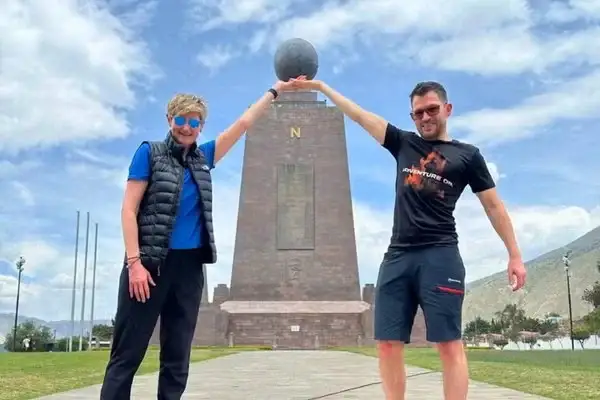
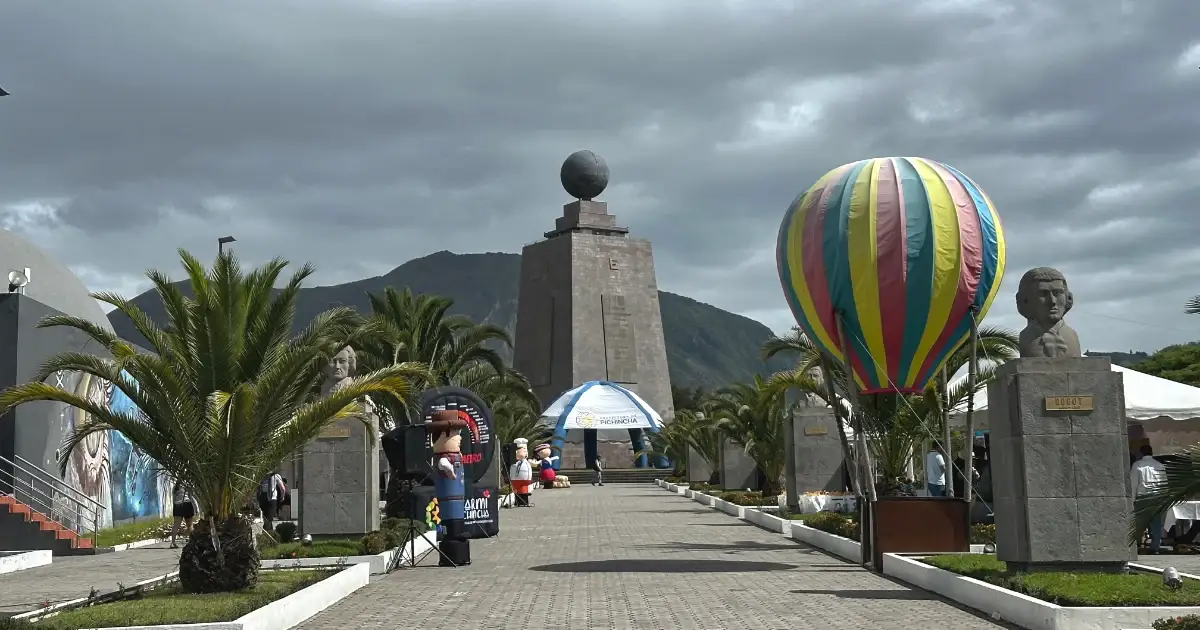
Mitad del Mundo, which means “Middle of the World,” is located right on the equator, about 22 kilometers north of Quito. Its exact GPS coordinates are 0°0’0″, and yes, it is possible to stand with one foot in the northern hemisphere and the other in the southern hemisphere.
This is one of Ecuador’s most popular tourist attractions, and for good reason. It’s quirky, unique, and, frankly, hilarious! The monument, a 30-meter-tall stone and bronze structure, is a UNESCO World Heritage Site, recognized since 1979. The on-site museum covers geography, astronomy, and indigenous culture.
Working out how many days you need? Send us your dates and we will come back with a plan.
What to experience:
- The iconic photo straddling the equator
- Interactive museum exhibits on geography and astronomy
- Indigenous artisan village with crafts and demonstrations
- Restaurant with views of Pichincha volcano
Fun fact: The actual equator is about 250 meters from the monument (according to GPS accuracy). If you’re as passionate about geography as I am, ask the staff to take you to the real equator. It’s less crowded and just as impressive.
It’s perfect for families or if you’re short on time. You can visit it in 3 or 4 hours and still have time to go somewhere else if you like. The atmosphere is relaxed and perfect for Instagram, so be prepared for crowds, especially on weekends.
Tickets, the real equator line, and how long to budget: see the Mitad del Mundo guide.
Cotopaxi National Park: Ecuador’s most iconic volcano
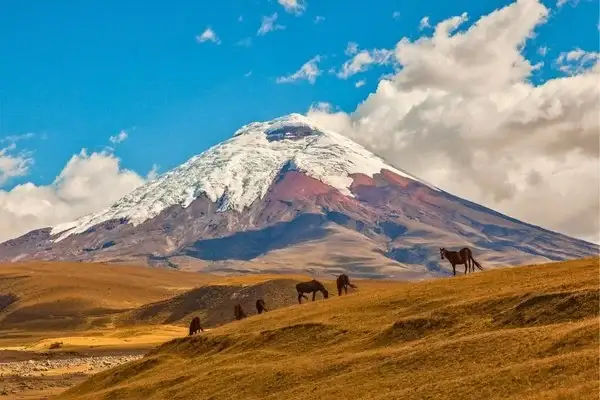
Cotopaxi National Park protects one of the world’s highest active volcanoes at 5,897 meters (19,347 feet), located 60 kilometers south of Quito. The park spans 33,393 hectares and was established in 1975 as Ecuador’s first national park, according to the Ministerio del Ambiente.
I’ll be straight with you: this day trip is intense. But if you’re an adventure seeker or a serious hiker, it’s non-negotiable. The landscape is otherworldly—high-altitude páramo (grassland), lagoons, and that snow-capped cone rising above everything else.
Hiking Options:
- Easy: Laguna Carcayen trail (45 minutes, wildlife spotting)
- Moderate: Cotopaxi refuge hike (2–3 hours, glacier views)
- Hard: Cotopaxi summit climb (full day, requires acclimatization and experience)
Altitude Alert: Cotopaxi is at nearly 15,000 feet at the lower elevations. If you’ve been in Quito (9,350 feet) for less than two days, take it easy. I’ve seen plenty of fit travelers underestimate altitude sickness. Drink water, move slowly, and don’t hesitate to descend if you feel dizzy or have a bad headache.
The best time to visit is December through March when you’re most likely to see the summit clearly. The park is teeming with Andean wildlife too—wild horses, spectacled bears (if you’re lucky), and Andean condors soaring overhead. On a clear day, the view of snow-covered Cotopaxi against a blue sky will legitimately change your perspective.
Read more: Cotopaxi Hike Guide & Acclimatization Tips
Quilotoa crater lake: turquoise waters and trails among the clouds.
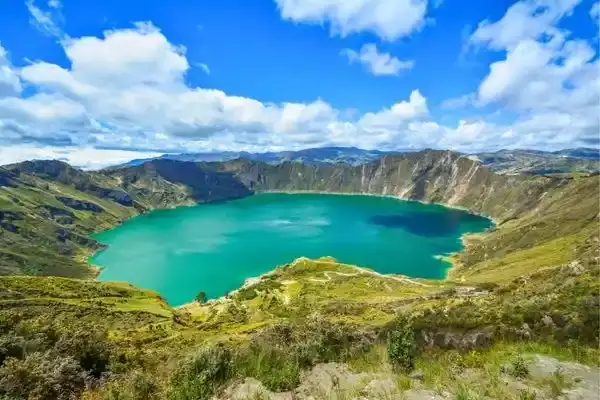
Quilotoa is a freshwater crater lake located at an altitude of 3,914 meters, 90 kilometers west of Quito, in the western highlands of Ecuador. Its characteristic turquoise color is due to its mineral content and glacial meltwater, and it is surrounded by a pristine páramo landscape that seems otherworldly. I took my family there last year, and even my children—who claim to hate hiking—were amazed. The lake is incredibly photogenic, but above all, it has a meditative quality that you feel as soon as you reach the crater rim.
Activities
- Rim trail hike (3–4 hours, 360-degree views)
- Kayaking on the crater lake (available through tour operators)
- Visit traditional weaving communities nearby
- Stargazing (the area has minimal light pollution)
Timing Tip: Go early to beat clouds. By early afternoon, the crater often disappears into mist. If you’re hiking, start at 7 AM to have clear views. The rim walk is stunning—you’re literally walking 800 meters above the water with views that stretch for miles.
This destination perfectly combines easy accessibility (you can do it in a single day) with serious natural beauty. The rim trail is well-marked and doesn’t require mountaineering skills. Plus, you’ll pass through indigenous Kichwa communities where you can learn about traditional weaving and pick up authentic textiles directly from weavers.
Read more: Quilotoa Lake Complete Travel Guide
Papallacta Hot Springs: Thermal Baths in the Highlands
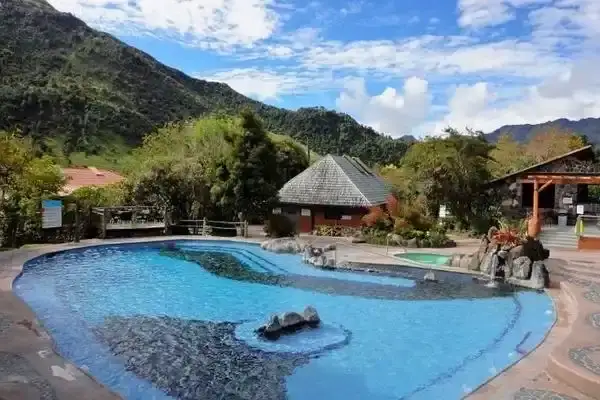
Papallacta is a small mountain town located 55 kilometers east of Quito (approximately a 1.5-hour drive), known for its natural hot springs fed by the geothermal activity of the Andes. The water temperature ranges from 20°C to 75°C (68°F to 167°F), depending on the location. Papallacta is not the only option — the guide to hot springs near Quito compares the rest.
After a week of intense hiking and sightseeing, this is where I usually send my clients to recover. There’s something magical about soaking in hot springs surrounded by cloud forest and mountain peaks. Your aching muscles will thank you.
What’s Offered:
- Natural thermal pools at varying temperatures
- Senderos para practicar senderismo en el bosque nuboso y cascadas
- Spa treatments and massages
- On-site restaurants with local cuisine
Recommended Resort: Papallacta Resort is the main facility and offers day-use passes ($15–25). It’s well-maintained, has multiple pools, and the staff is genuinely nice. Book ahead on weekends or holidays.
This day trip is more relaxing than adventurous, which is exactly why it deserves a spot on this list. The cloud forest around Papallacta is incredibly biodiverse—you might spot toucans, hummingbirds, or spectacled bears if you’re hiking the trails. The weather’s cooler here (around 50–60°F), so bring a light jacket even though you’ll be in warm water.
Pool-by-pool details and what to bring are in the Papallacta day trip guide.
Baños, the Ecuadorian capital of adventure: waterfalls and adrenaline.

Baños, officially known as Baños de Agua Santa, is located 180 kilometers south of Quito in a lush river valley and has earned the nickname “the adventure capital of Ecuador.” The town is surrounded by numerous waterfalls, canyon walls, and the Pastaza River, making it an ideal destination for nature lovers and adrenaline junkies.
Full disclosure: Baños takes 3+ hours to reach from Quito, so it’s more of an overnight trip or a very long day. But if you can swing it, it’s absolutely worth the drive. The landscape here is dramatic—towering cliffs, thundering waterfalls, and vegetation that looks primeval.
Top Activities:
- Canyoning down waterfalls
- White-water rafting on the Pastaza River
- Waterfall hiking tours (Cascada Salto de Sapo, Cascada Pailon)
- Zip-lining through cloud forest
- Mountain biking on scenic valley routes
Safety Note: Baños is incredibly fun but can be rainy. The area gets 150+ inches of rain annually. If you go, avoid the rainy season (June–August) when trails get slippery and some activities shut down. Best seasons: September–November and January–May. The town itself is small and charming, with a vibe unlike anywhere else in Ecuador. Local restaurants serve fresh trucha (trout) and traditional locro. I always recommend staying overnight if possible—you’ll experience the waterfalls at dawn when mist rises off the canyon and light filters through the spray like you’re inside a painting.
Waterfalls route, swings, and logistics: the full rundown is in our Baños day trip guide.
Mindo Cloud Forest: hummingbirds, waterfalls, and chocolate
Two hours northwest of Quito, Mindo drops you into cloud forest: hummingbird gardens, a waterfall circuit you reach by cable car, zip lines, and small chocolate farms doing bean-to-bar tours. It runs on a different rhythm than the volcano trips — more strolling, less altitude. Start with the Mindo day trip guide, or go deeper with the full Mindo Ecuador guide. If you are going mainly for birds, Bellavista Cloud Forest Reserve near Nanegalito is the quieter alternative — see the Mindo birdwatching guide.
Pululahua Crater: a volcano you can visit inside
Pululahua sits just behind the Mitad del Mundo monument, which makes it the easiest thing to add to an equator morning. It is one of the few volcanic craters anywhere that people still live and farm inside. Most visitors stop at the viewpoint on the rim and leave; you can also walk down into the crater itself. Cloud tends to close in by late morning, so it rewards an early start.
Antisana: high páramo and condors
Antisana is the quiet one. The reserve east of Quito is open, high páramo with almost none of the crowds the other volcano trips get, and it is one of the more reliable places in Ecuador to see Andean condors. It is a longer day than Papallacta and colder than it looks in photos. Full detail in the Antisana volcano day trip guide and the Antisana National Park guide. If you want to go further east than the páramo, that becomes an overnight: see the Amazon trip from Quito guide.
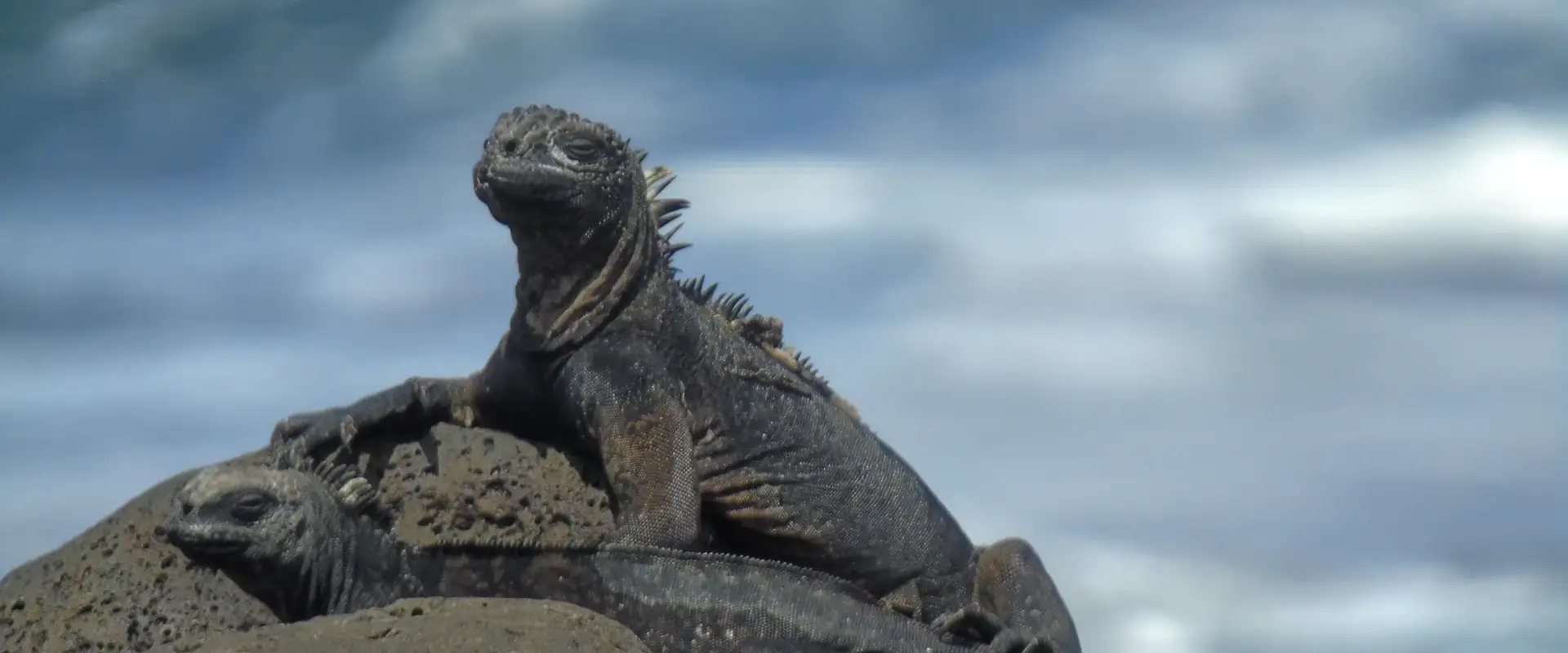
START IN QUITO, END IN THE GALÁPAGOS
9 Day Ecuador and Galapagos Tour: Andes, Amazon and Santa Cruz
Quito, Cotopaxi, Quilotoa, Baños and the Amazon with your own guide, then three nights on Santa Cruz with tortoises, beaches and snorkeling.
From $1,990 per person
View itineraryPair It With the Galápagos: 9 Day Ecuador & Galápagos Tour
Avenue of the Volcanoes: the scenic drive south
South of Quito the Panamericana runs between two parallel rows of peaks — the corridor Humboldt named the Avenue of the Volcanoes. You do not need a separate trip for it: most Cotopaxi and Quilotoa day trips already drive a stretch of it. The Avenue of the Volcanoes guide covers the full route.
Essential tips for day trips to Quito
How to get around
Organized tours: This is the easiest option. Tours typically cost between $50 and $120 per person and include transportation, a guide, and entrance fees. Companies like Viator and ToursByLocals have excellent reviews.
Rental Car: If you’re confident driving in mountain conditions, renting gives you flexibility. Expect to pay $40–$70 per day. Roads are generally well-maintained but can be narrow and winding.
Ride-Share + Public Transport: Budget travelers often use Uber to get to the main highway, then catch a bus to their destination. It’s slower but significantly cheaper.
What to pack in your suitcase?

- Layers (temperatures drop as altitude increases)
- Chaqueta impermeable o poncho para la lluvia
- Sturdy hiking boots or athletic shoes
- Sunscreen (UV is intense at high altitude)
- Snacks and water (at least 2–3 liters)
- USD cash for small vendors and entrance fees
Best times to visit
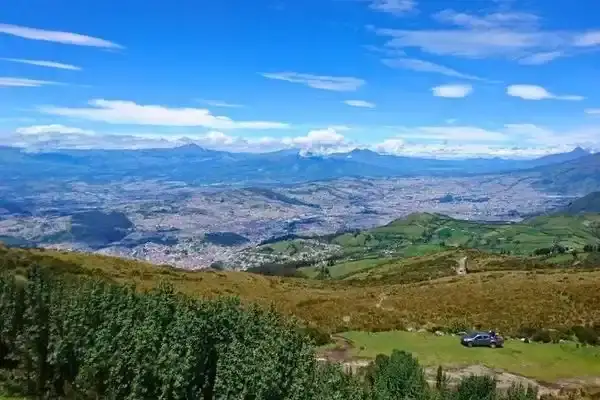
The Ecuadorian highlands don’t experience the traditional seasons of northern climates. Instead, there’s a “green season” (June to August, rainy) and a “dry season” (September to May). That said, it can rain any day of the year. The best visibility for enjoying the mountain views is usually from September to November and from January to March. Weekends are more crowded, so if you have flexibility, it’s best to go during the week.
Frequently Asked Questions:
What is the best day trip from Quito for families with children?
The Middle of the World monument is perfect for young children: it’s easily accessible and fun without being tiring. The Otavalo Market is also ideal for families, although it tends to be very crowded. For active families, the hike along the rim of the Quilotoa Canyon is suitable for children over 8 years old.
How much do day trips from Quito typically cost?
Organized tours range from $50–$120 per person depending on the destination and what’s included. Self-guided trips (with rental car or public transport) are cheaper—$30–$60 per person. Always factor in entrance fees ($10–$20 for most parks) and meals.
Is it safe to drive myself around Quito and the highlands?
Roads are generally safe and well-maintained. However, mountain roads can be narrow, traffic is aggressive in cities, and GPS can be unreliable in remote areas. If you’re not comfortable, use a tour operator or local driver.
What’s the best way to avoid altitude sickness on these day trips?
Spend at least 2–3 days in Quito before doing high-altitude hikes. Stay hydrated, avoid alcohol, and move slowly. Coca tea (available everywhere) helps. If symptoms worsen, descend immediately.
Can I do multiple day trips in one visit to Quito?
Absolutely. Many travelers combine Mitad del Mundo and Otavalo (same northern direction) or Quilotoa and Baños (western route). Just be realistic about recovery time and don’t overpack your schedule.
Plan Your Day Trips from Quito Today
Lo que más me gusta de Ecuador es la increíble diversidad que se concentra en un país tan pequeño. A pocas horas de salir de Quito, puedes ascender a un volcán, flotar en un lago de cráter color esmeralda o recorrer un mercado indígena milenario. No exagero, es simplemente lo que ofrece la sierra.
Las mejores excursiones de un día desde Quito no son solo atracciones turísticas. Son ventanas al alma de Ecuador: su geología, sus culturas indígenas, sus paisajes vírgenes. Ya sea que tengas un día o una semana, estos destinos harán que tu visita a Quito sea inolvidable.
Start with the destination that calls to you most. Don’t overthink it. Book a tour, lace up your hiking boots, or arrange that rental car. The highlands are waiting.