Best Time to Visit Galapagos: Weather, Wildlife & Pricing
Add the Andes and the Amazon: 12 Day Ecuador & Galápagos Tour
Best time to visit Galapagos
Guide to visiting the Galapagos: seasonal weather, wildlife activity, prices, tourist numbers, and ideal months for your trip. Choose your perfect time.
- Peak season June-August: Clear skies, expensive, most wildlife
- Warm season Dec-May: Hot/humid, cheaper, seabirds breed
- Best overall: November or May (shoulder season balance)
- Budget pick: September-October (40% cheaper, more rain)
- Year-round destination with distinct seasonal changes
Best Time to Visit the Galapagos Islands?
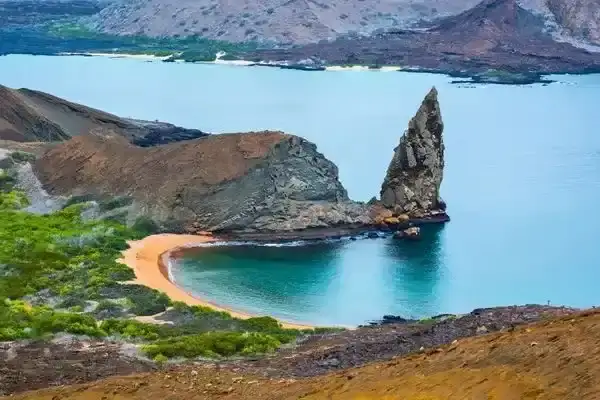
This question comes up constantly: “When should I go?” And the honest answer? It depends on what matters to you. I’ve taken clients to the Galapagos in every month, and each season has its thing. Some people care most about water temperature for snorkeling. Others prioritize clear skies for photography. Some want maximum wildlife activity. And plenty of folks just want cheaper prices.
The Galápagos Islands don’t have traditional seasonality; you won’t find months when “everything is closed” or “there’s no activity.” However, there are times when you’ll enjoy better experiences, fewer crowds, and different prices. I’ll explain what each season offers so you can choose the ideal time for your trip.
The Two Main Seasons Explained
Imagine that the Galápagos Islands have two distinct seasons, determined by ocean currents. That’s all. No monsoons, no hurricanes, just different water temperatures and wind patterns.
| Season | Months | Air Temp | Water Temp | Vibe |
| Warm/Wet | Dec-May | 25-30°C | 23-25°C | Humid, afternoon showers, breeding season |
| Cool/Dry | June-Nov | 20-25°C | 15-20°C | Clear skies, cooler water, better visibility |
That’s the general framework. Now let’s break it down month by month so you can make a decision.
Cool season (June-November): better weather, higher prices.

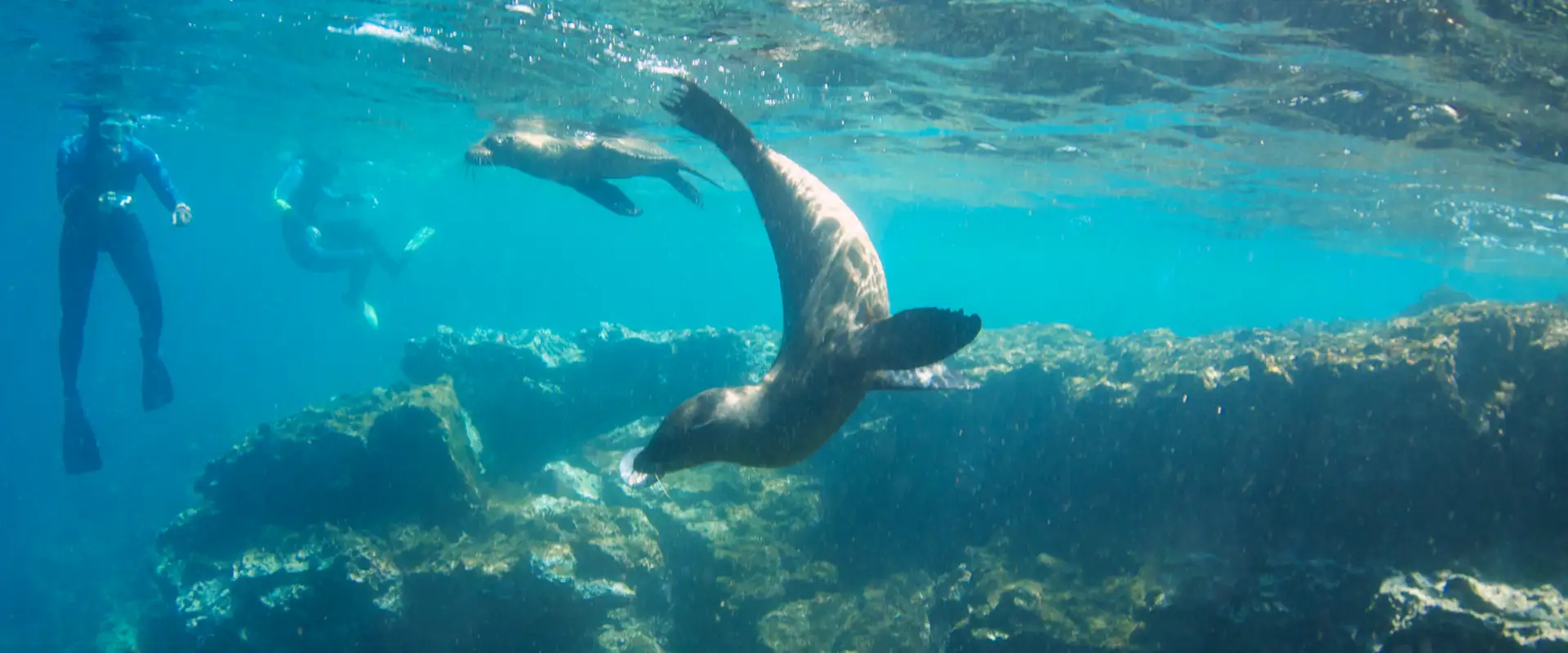
June-August (Peak Season): This is peak. Prices hit their maximum. Hotels are booked solid. Cruise ships are packed. But the weather’s legitimately gorgeous blue skies, dry conditions, crystal-clear water for snorkeling. Visibility underwater reaches 20-30 meters (vs. 8-10 in warm season). Wildlife activity’s good because the cold Humboldt Current brings nutrient-rich water that attracts fish, sharks, and marine mammals. Working out how many days you need? Send us your dates and we will come back with a plan.
If you come June-August, expect to pay 30-50% more for everything. But you get the best of the Galapagos: clear skies for photography, excellent snorkeling, dependable weather.
September-November (Sweet Spot): Here’s where it gets interesting. September and October prices drop significantly we’re talking 30-40% cheaper than July. Weather’s still decent (more rain than July, but not constant). Wildlife activity remains strong. November? That’s my sweet spot month. Prices are dropping as you leave peak season, but the weather’s still solid. It’s the transition between cool and warm seasons, so you’re getting cool-season water (excellent visibility) mixed with some warm-season heat.
Warm Season (December-May): Hot Water, Cheaper Prices: December-February: It’s peak tourist season for a different reason—school holidays and North American winter. Prices spike because families are traveling. Water’s warm (25°C), snorkeling’s comfortable but visibility drops to 10-15 meters. It’s humid and you’ll get afternoon showers, but they’re usually brief. Seabirds are actively breeding, so you’ll see nesting behavior and chicks.
March-April: Shoulder season. Prices moderate. Water’s still warm and visibility’s decent (12-15 meters). Tourist crowds drop compared to Dec-Feb, but you don’t get peak-season advantages. It’s a middle-ground month.
May: Here’s another sweet spot. It’s technically warm season (water’s still warm at 22-23°C), but you’re entering cool season characteristics. Prices start dropping. Visibility improves. Crowds thin out. May’s actually excellent if you want warm water snorkeling with fewer tourists.
Wildlife activity month by month
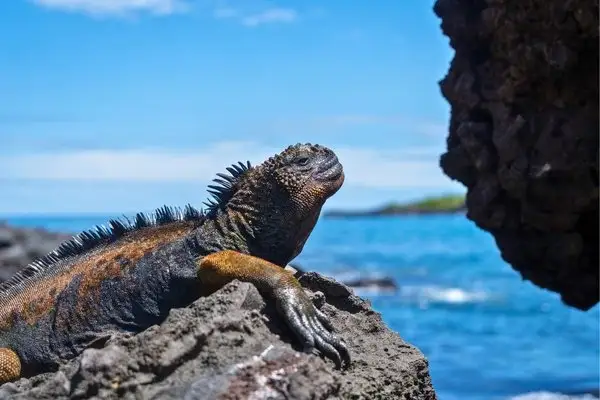
This matters if you’re trying to see specific animals:
- June-August: Penguins active, sea lions breeding, whale sharks rare but possible, great shark diversity.
- September-October: Marine iguanas most active (they’re breeding), snakes more visible, manta rays occasional.
- November: Transition month—some cool season species, some warm season species.
- December-February: Boobies and frigatebirds nesting, chicks visible, sea turtles nesting on beaches, marine iguanas less active.
- March-May: Winding down from breeding season, still seeing chicks and juvenile birds.
Visibility for snorkeling depends on the season
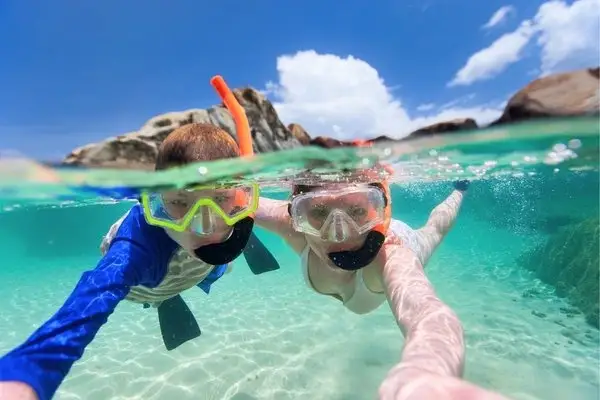
If you’re serious about snorkeling, water clarity matters a lot:
- June-August (peak): 20-30m visibility. You’re seeing everything. Underwater photography is outstanding.
- September-October: 15-20m visibility. Still good, but not perfect. Plankton increases, affecting clarity slightly.
- November-May: 10-15m visibility. Adequate but not crystal clear. Warmer water means more plankton. Still worth it, just different than cool season.
The water is colder during the cold season (15°C), which bothers some swimmers, but the visibility is worth it if you like observing marine life.
Seasonal Prices: The Real Figures
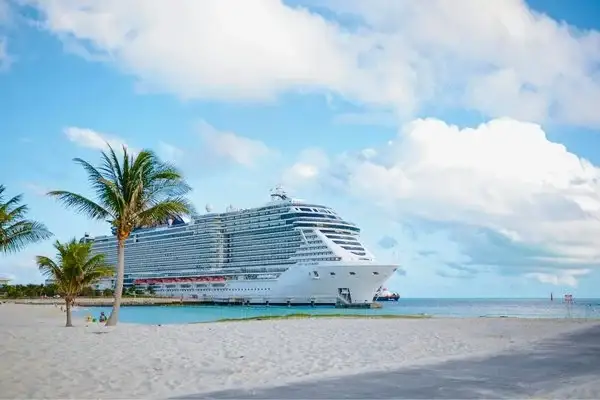
Let me break down what you’re actually paying:
- June-August: Cruise $4,000-$6,000+ (peak), Hotels $120-$200/night
- September-October: Cruise $2,500-$3,500 (lowest), Hotels $60-$100/night
- Noviembre: Cruceros entre 3.000 y 4.000 dólares (precio moderado), hoteles entre 80 y 130 dólares por noche.
- December-February: Cruise $3,500-$5,000 (high), Hotels $100-$180/night
- Marzo-abril: Cruceros entre 2800 y 4000 dólares (precio moderado), hoteles entre 70 y 120 dólares por noche.
- Mayo: Cruceros entre 3.000 y 4.000 dólares (precio moderado), hoteles entre 80 y 130 dólares por noche.
LOCAL GUIDE AND DRIVER, EVERY DAY
12 Day Ecuador and Galapagos Tour: Andes, Amazon and Island Hopping
The Andes and the Amazon with your own guide and driver from Quito, then a week of island hopping on Santa Cruz and Isabela with a yacht day.
From $2,690 per person
View itineraryCrowds: When are there really people?
If you hate crowds, timing matters:
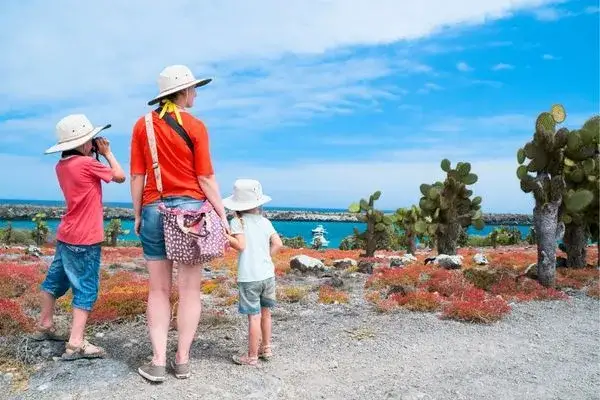
- Peak season: June to August and December to February (holidays and school breaks). The trails are crowded, there are long waits at restaurants, and the boats are full.
- Moderately crowded: November, March-May. Still plenty of people, but you won’t feel like you’re in a tourist stampede.
- Menos concurrida: septiembre-octubre. La temporada baja que la mayoría de la gente evita. Menos turistas, ambiente más local, pero más lluvia.
What really happens when it rains?
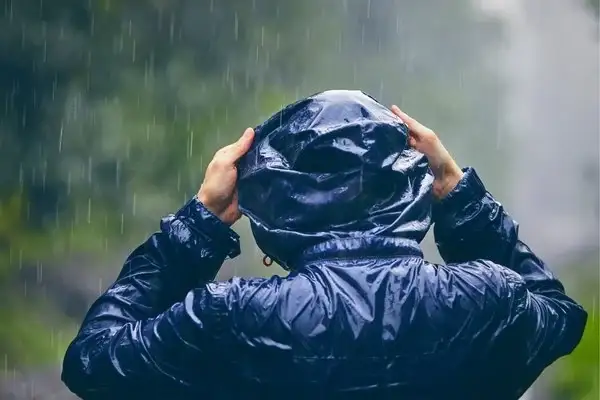
The rains in September and October are usually afternoon showers, not downpours that last all day. You might get a little wet for an hour at midday, and then it will clear up again. It won’t cancel excursions or ruin the experience. It will just get you wet.
The rain is beneficial, as it replenishes the islands’ freshwater reserves and creates temporary pools that wildlife uses. The rains from December to February are similar (afternoon showers). It’s not monsoon season, so you won’t be stranded.
My personal recommendation based on the type of traveler

- If you want the best experience: June-August. Suck it up and pay the premium. Clear skies, great visibility, maximum wildlife activity.
- If you want best value for money: September-October. Save 40% on prices, still see everything, just deal with occasional rain and slightly cloudier skies.
- If you’re looking for the perfect balance (my recommendation): November or May. Moderate prices, good weather, and abundant wildlife. You’ll enjoy 80% of the peak season experience for 70% of the price.
- If you’re traveling with children: December to February or July to August. These are the school holiday months. Yes, they’re expensive and crowded, but you’ve already got your dates booked.
When to Skip: Realistic Downsides
I’m not going to sugarcoat it:
- September: Rain can be heavy some days. Visibility drops. Water’s getting colder. Tours still operate, but conditions aren’t ideal.
- April: Transition month. Weather’s unpredictable. You might get clear skies or you might get rain. I avoid this if I can.
- December: Expensive because of holidays, humid, afternoon showers daily
Galapagos Timing FAQs
Is September really the cheapest month?
Yes, September-October see the lowest prices. You’ll save 30-40% compared to peak season. The trade-off is more rain (usually afternoon showers) and slightly cloudier conditions. If you can handle rain, it’s worth it financially.
Will rain ruin my Galapagos trip?
No. Rain in the Galapagos is usually afternoon showers, not all-day events. Tours operate regardless. Visibility underwater is already compromised in warm months anyway. Think of rain as a non-issue for your experience.
What’s the worst time to visit?
There’s no “bad” time, just trade-offs. If I had to pick, I’d say April—it’s unpredictable weather, moderate crowds, no clear advantage. September and October aren’t ideal either, but they’re cheap enough to justify it.
Is June really that much more expensive than May?
Yes. June kicks off peak season and prices spike 20-30% compared to May. It’s worth booking May if you can—you get nearly the same weather benefits (cool water, decent visibility) without the peak-season markup.
Should I avoid the Galapagos during warm season?
No, absolutely not. Warm season (Dec-May) has different advantages: warmer water for comfortable swimming, seabird breeding activity to watch, fewer serious hikers on trails. It’s not “bad,” just different than cool season.
Checklist for making timely decisions

Deciding when to go? Ask yourself:
- Is budget my priority? → September-October
- Do I want best weather? → June-August
- Can I deal with rain but need savings? → May or November
- Am I locked into school breaks? → December or July
- Do I want balance? → November (my recommendation)
Related Planning Articles
- Galapagos Islands Travel Guide: Everything You Need to Know
- Galapagos on a Budget: How to Visit Without Breaking the Bank
- Galapagos Snorkeling: Best Spots & Marine Life Guide
- How to Get to the Galapagos: Flight Options & Routes
Ready to book your perfect trip to the Galapagos?

The best time to visit the Galapagos depends on your priorities. Our team can help you find the ideal month for your travel style, book at the right time for pricing, and set up your whole trip. Let’s find your perfect window.