Papallacta Thermal Springs Ecuador: 10 Best Tips & Your Complete Guide
Papallacta thermal springs sit in the northern Ecuadorian Andes at 3,300 meters elevation, where mineral-rich geothermal water emerges from the earth at temperatures that would boil an egg. I first discovered Papallacta a decade ago through a local recommendation rather than tourist guidebooks—it felt like an insider’s secret, a place where locals came to soak and where tourism infrastructure was still developing. Since then, it’s become better known, but it hasn’t lost its authentic charm or the transformative experience of soaking in naturally heated thermal pools surrounded by cloud forest and mountain air. Papallacta hot springs offer wellness tourism for people seeking natural thermal experiences without the overdevelopment of some better-known hot spring destinations.
For the full overview of the place, start with our main guide to the Papallacta hot springs, or compare it against the rest in our roundup of Ecuador’s hot springs.
Location and Accessibility
Papallacta sits roughly 50 kilometers northeast of Quito at 3,300 meters elevation. The drive takes about 2 hours from central Quito, moving through Quito’s northern suburbs and climbing into the Andean cloud forest. The route follows the highway toward Baeza and the Amazon region, with Papallacta accessible by a secondary road that branches off the main highway.
The accessibility is surprisingly good—the road is paved and maintainable in regular vehicles, though altitude and mountain driving require care. The location is remote enough to feel genuinely away from the city but close enough for day trips or overnight excursions from Quito.
Most visitors reach Papallacta by hiring a vehicle from Quito (common practice, $40-80 USD depending on vehicle type and whether you’re staying overnight) or booking organized tours (usually $60-100 USD including transport and access fees).
The Thermal Pools: What to Expect
Papallacta has multiple thermal pool complexes, with the primary facilities operated by different management entities. The biggest operations are Papallacta Resort and Termas de Papallacta, though smaller, more basic facilities exist.
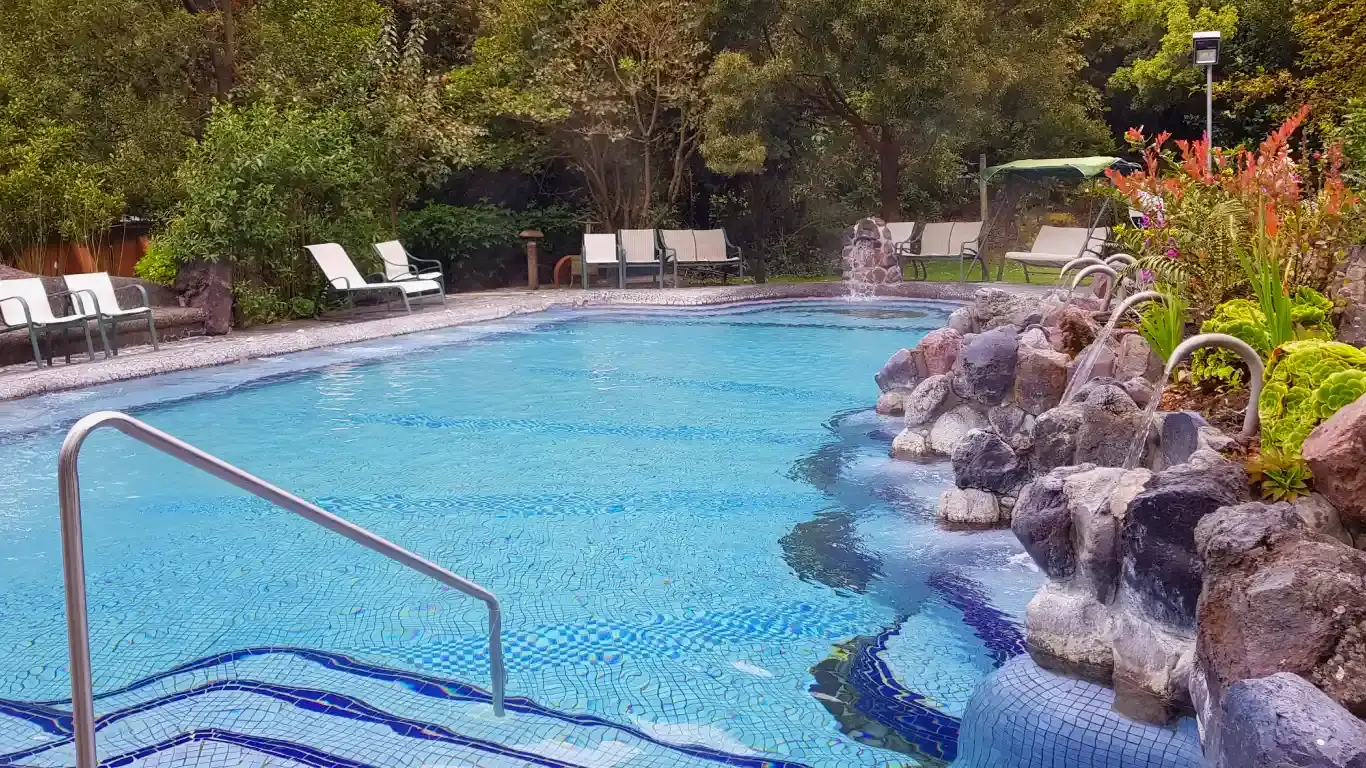
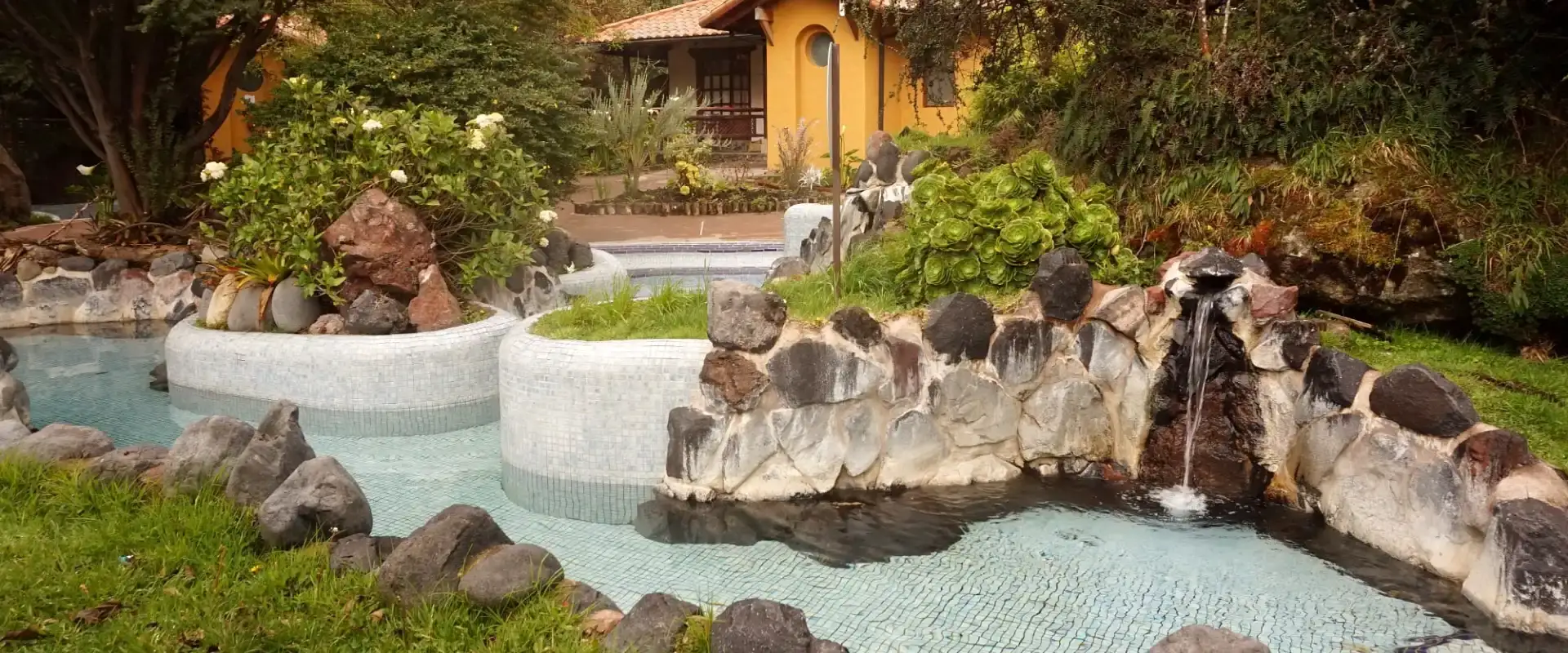
The Pools: Multiple pools of varying temperatures exist at each facility. Geothermal water emerges at temperatures around 80-90 degrees Celsius, cooled in pools to more comfortable 35-42 degrees Celsius (95-108 degrees Fahrenheit). Some facilities have hot pools and cooling pools where you can regulate temperature exposure. Working out how many days you need? Send us your dates and we will come back with a plan.
The water is noticeably sulfurous—the mineral-rich composition creates distinctive smell and a smooth, almost oily water texture that feels different than regular swimming pools. After initial surprise at the sulfur smell, most people find the sensory experience interesting rather than off-putting.
Pool Environments: Some pools are indoors (climate-controlled environments), while others are open-air—ideal for soaking while watching cloud forest scenery. The contrast of hot water and cool air at altitude is genuinely luxurious and somewhat surreal.
Facilities and Amenities
Papallacta has multiple resort options with varying levels of comfort and price.
Papallacta Resort (Upscale Option): Full-service resort with restaurant, bar, comfortable rooms, multiple hot spring pools, and wellness services. Prices range $150-250 USD per night. This is the most developed option, with creature comforts and professional service.
Termas de Papallacta (Mid-Range Option): Functional lodge with basic rooms, thermal pools, and dining. Prices range $80-150 USD per night. Less luxurious than Papallacta Resort but more affordable while still comfortable.
Basic/Hostel Options: Simpler accommodations exist, often with shared bathrooms and minimal amenities, priced $30-60 USD per night. These cater to backpackers and budget travelers.
Day-Visit Access: Most facilities offer day-visit access (6-8 hours) for $15-30 USD per person, allowing you to use pools and facilities without staying overnight.
What to Bring and Wear
Thermal spring visits require minimal packing:
- Swimwear: Bring swimwear—essential for pool access
- Towel: Most facilities provide towels, but verify this before arriving
- Flip-flops/sandals: For walking around the facilities
- Light jacket or sweater: Nights at 3,300 meters are cool, and you’ll spend time outside thermal water
- Toiletries: Shower facilities are provided, but bring personal items if you have preferences
- Sunscreen: UV exposure is intense at altitude, even with cloud cover
- Phone/camera: For documentation and safety
The thermal water stains light-colored swimwear if you’re not careful with rinsing. Darker colors show mineral staining less.
Health Benefits and Cautions
Thermal springs are traditionally associated with wellness benefits. Mineral-rich waters contain properties that cultures worldwide have valued for centuries. Papallacta’s mineral composition includes sulfur, minerals, and geothermal energy that create relaxation and muscle relief sensations.
Legitimate Benefits: Muscle relaxation, improved circulation, and stress reduction are genuine experiences people report. The warmth promotes relaxation, and the buoyancy reduces joint stress.
Important Cautions:
- Altitude is a factor—your cardiovascular system is already adapting to 3,300 meters. Immersion in hot water increases cardiovascular demand. People with heart conditions should consult doctors.
- Dehydration happens quickly at altitude in hot water. Drink water constantly while soaking.
- Don’t exceed recommended soaking times—15-20 minute increments in hot pools, with cooling breaks between.
- The water temperature is adjustable but can be genuinely hot—test the water carefully before full immersion.
- Pregnant women should avoid hot pools or limit exposure significantly.
Thermal springs aren’t medical treatments (though they feel therapeutic). Enjoy them for relaxation and wellness enhancement, not as substitutes for medical care.
Best Time to Visit
Papallacta is visitable year-round, though weather conditions vary.
Dry Season (June-September): Clearest days, best visibility, and less frequent rain. The contrast between cool mountain air and hot pools is most noticeable.
Shoulder Seasons (April-May, October-November): Good conditions with moderate rainfall. Often fewer visitors, offering more privacy.
Wet Season (December-March): Frequent cloud cover and rain. The scenery is less visible, but fewer tourists means more peaceful soaking.
Paradoxically, rainy season can be wonderful for thermal springs—soaking in hot water while rain falls creates a genuinely unique sensory experience.
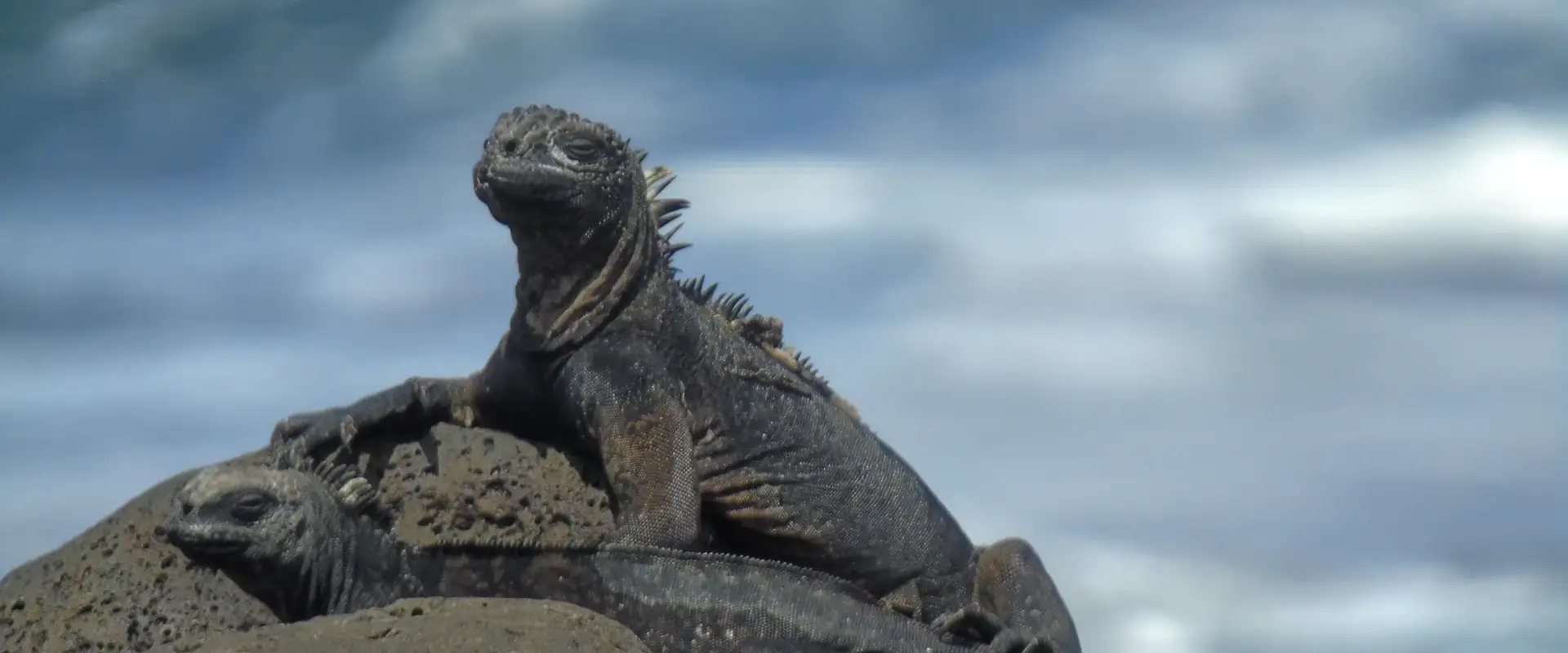
START IN QUITO, END IN THE GALÁPAGOS
9 Day Ecuador and Galapagos Tour: Andes, Amazon and Santa Cruz
Quito, Cotopaxi, Quilotoa, Baños and the Amazon with your own guide, then three nights on Santa Cruz with tortoises, beaches and snorkeling.
From $1,990 per person
View itineraryPair It With the Galápagos: 9 Day Ecuador & Galápagos Tour
Day Trip vs. Overnight Stay
Day Trip (4-6 hours): Allows soaking in pools, light meal, and return to Quito. Cost is low ($40-80 USD per person), and you don’t commit to overnight accommodation. Good for people who want to experience thermal springs without extensive time commitment. The downside: rushing feels required, and you miss the slower pace of staying overnight.
Overnight Stay: Full experience—leisurely soaking, multiple sessions in different pools, dining experience, and genuine relaxation. Costs more ($100-250 USD including accommodation and pools) but offers substantively different experience. You can soak in the evening, experience night in the mountains, and enjoy pools again in the morning.
My recommendation: If you’re making the drive from Quito, stay overnight. The time investment makes the additional accommodation cost worthwhile for the quality of experience gained.
Combining with Other Activities
Papallacta’s location makes it combinable with other nearby attractions.
Hiking: Cloud forest trails near Papallacta offer birdwatching and vegetation exploration. Some facilities organize guided hikes.
Amazon Gateway: Baeza (about 1.5 hours from Papallacta) is a gateway to Ecuador’s Amazon region. You could visit thermal springs then continue to jungle lodges or Amazon tours.
Quito City Experience: Papallacta pairs well as a day-trip from Quito, combining mountain relaxation with city exploration in the same trip.
Northern Highland Circuit: Otavalo’s markets and indigenous culture sit to the north. Papallacta fits into broader northern Ecuador itineraries.
Cost Breakdown
- Day-use facility fee: $15-30 USD per person
- Overnight accommodation: $50-250 USD per room depending on facility level
- Meals: $10-30 USD per meal depending on facility
- Total day trip: $60-120 USD per person
- Total overnight trip: $150-400 USD per person
Budget travelers can visit for under $150 USD. Those seeking resort-level comfort should expect $300-400 USD for overnight experiences.
Practical Information
Altitude Considerations: Papallacta sits at 3,300 meters. Most people from lowlands experience mild altitude effects. Spend at least a day in Quito (2,850 meters) before visiting to allow basic acclimatization.
Water Quality: The thermal water is mineral-rich but regulated for safety. Standard precautions apply—don’t submerge your face if you have open wounds or eye sensitivity.
Accessibility: Some facilities are more accessible than others for people with mobility limitations. Contact specific resorts before booking if accessibility is important.
Language: English is limited outside the upscale resort. Basic Spanish knowledge helps with budget facilities.
Local Context and Community
Papallacta is a small community where thermal springs are the primary economic driver. Most locals are involved in tourism services—guides, hospitality, or facility operations.
The community has benefited from tourism development, though this brings cultural complexities. Respectful engagement with local staff, support for local businesses, and understanding of cultural context create better experiences for everyone involved.
Is Papallacta Thermal Springs Worth Visiting?
Absolutely, if you appreciate natural thermal experiences and mountain relaxation. The combination of geothermal springs, cloud forest altitude, and functional wellness infrastructure makes Papallacta genuinely special.
It’s not world-famous or exotic by some standards, but it’s authentic and delivers exactly what it promises—natural hot springs in a mountain setting. For people seeking relaxation, natural experiences, and departure from standard tourism, Papallacta delivers.
The drive from Quito is manageable, the facilities are functional, and the experience of soaking in hot mineral water at altitude is genuinely memorable. Whether as a day trip or overnight excursion, Papallacta offers something genuinely worthwhile in Ecuador’s tourism landscape.
Useful External Resources
Looking for more on Papallacta Thermal Springs? Browse our related coverage on papallacta thermal springs ecuador, papallacta thermal springs guide, papallacta thermal springs tour, and reach out to our local experts for personalized planning.