Is Ecuador Safe to Visit in 2026? Honest Local Safety Guide
Is Ecuador safe? The honest answer is: yes for most travelers, in most regions, with sensible precautions — but Ecuador in 2026 is not the same country it was five years ago. Tourist areas like Quito Old Town, Galápagos, the Andean highland circuit (Cotopaxi, Quilotoa, Baños, Cuenca, Otavalo) and the Amazon lodges remain safe. The Pacific coast, particularly Guayaquil and the northern coastal provinces of Esmeraldas and Manabí, has had significant security issues since 2022 and requires more careful planning. This guide is written by Quito-based guides who travel the country every week — no government-statement gloss, no sugar-coating, just what we tell our own family when they visit. Which beach towns are fine and which to skip is covered in our guide to Ecuador beaches.
See Ecuador Safely in 14 Days: Volcanoes, Cuenca and the Galápagos
Below: the actual security picture by region, the scams to know about, transport safety, women traveling solo, what’s changed recently, and a clear list of where to go and where to skip in 2026.
When friends ask me is Ecuador safe for a first trip, my honest answer depends on where they are going. The mainland Andean circuit (Quito, Cotopaxi, Banos, Cuenca) is one risk profile. The coast (Guayaquil, Esmeraldas) is another. Galapagos is a third — and very different from either.
Quick Answer: Is Ecuador Safe Right Now?
- Quito (Old Town, La Mariscal, La Floresta, Cumbayá): Generally safe daytime, take normal precautions at night.
- Galápagos: Among the safest destinations in Latin America. Negligible petty crime.
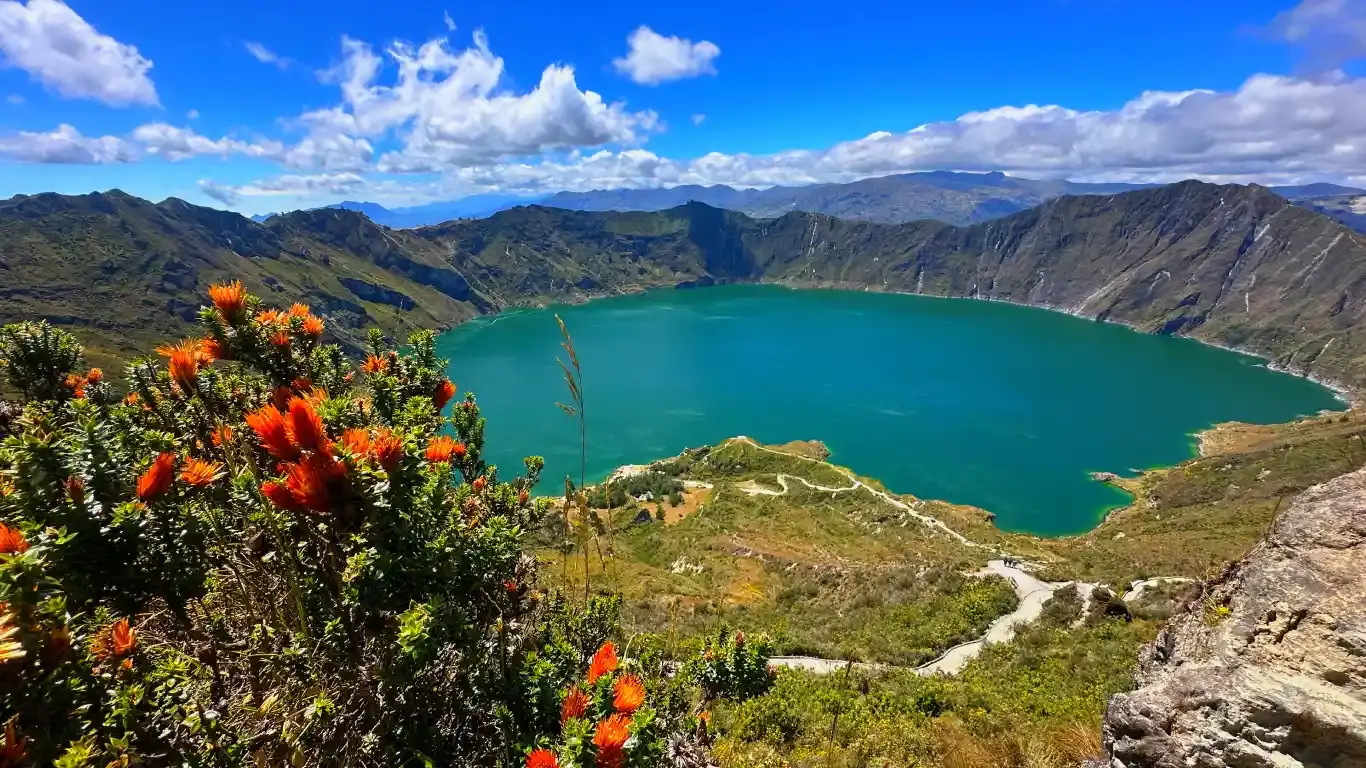
- Andean highlands (Cotopaxi, Quilotoa, Baños, Cuenca, Otavalo): Safe. The standard tourist circuit is reliable.
- Amazon lodges (Yasuní, Cuyabeno): Very safe inside lodges; only access via organized transport.
- Coast — central (Salinas, Manta touristy areas, Olón, Montañita): Cautious-OK; daytime fine, evening petty theft real.
- Coast — Esmeraldas province + northern coast: Avoid for non-essential travel in 2026.
- Guayaquil: Transit only. Don’t sightsee outside the airport-Malecón corridor in 2026.
- Border with Colombia (San Lorenzo, Sucumbíos): Avoid.
Most travelers who visit Quito + Galápagos + the Andean circuit have no security incidents. The risk concentrates on a handful of coastal/border areas you can simply skip. Our Ecuador and Galápagos tours follow exactly that route, with a driver and guide on the mainland.
What Changed: Ecuador 2022-2026
Ecuador’s security situation deteriorated significantly between 2022 and 2024 due to international drug-trafficking routes shifting through the Pacific coast. Guayaquil and the northern coastal provinces saw a sharp rise in homicides, prison violence and territorial disputes between criminal organizations. The government declared a state of “internal armed conflict” in January 2024 and deployed the military.
Tourist areas were not the target — the violence has been concentrated in port-city neighborhoods and along trafficking corridors. The Andean tourist circuit (Quito, Cotopaxi, Baños, Cuenca, Otavalo, Quilotoa), Galápagos, and Amazon eco-lodges have remained largely unaffected. But context matters: this isn’t the Ecuador of pre-2020 travel guides, and recommendations need to be region-specific. Planning the wider trip? Send us your dates and we will put the route together.
Ecuador Safety by Region
Quito
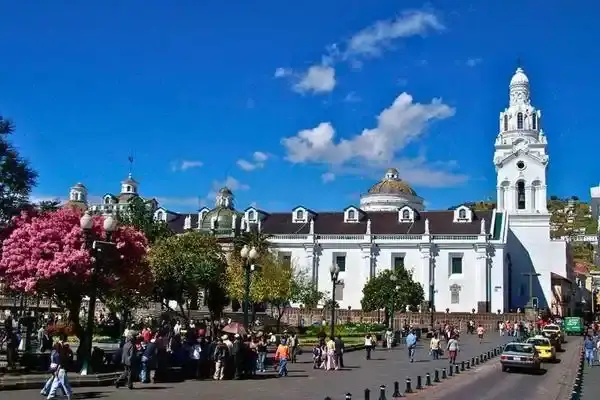
Quito is generally safe for tourists, especially in the Old Town (Centro Histórico) during the day, La Mariscal/Foch during the evening, and the residential/expat neighborhoods of La Floresta, La Carolina, Bellavista and Cumbayá. The standard precautions apply: don’t display expensive electronics on buses, use Uber/Cabify rather than hailing taxis, avoid empty streets at night. Our detailed Quito safety guide covers neighborhood-by-neighborhood.
The short version on is Ecuador safe in 2026: yes for tourists in the highland circuit and Galapagos, with normal Latin American precautions. The coastal cities and Colombian border zones are where the U.S. State Department Level 4 advisories apply. U.S. State Department Ecuador advisory updates this quarterly.
Galápagos Islands
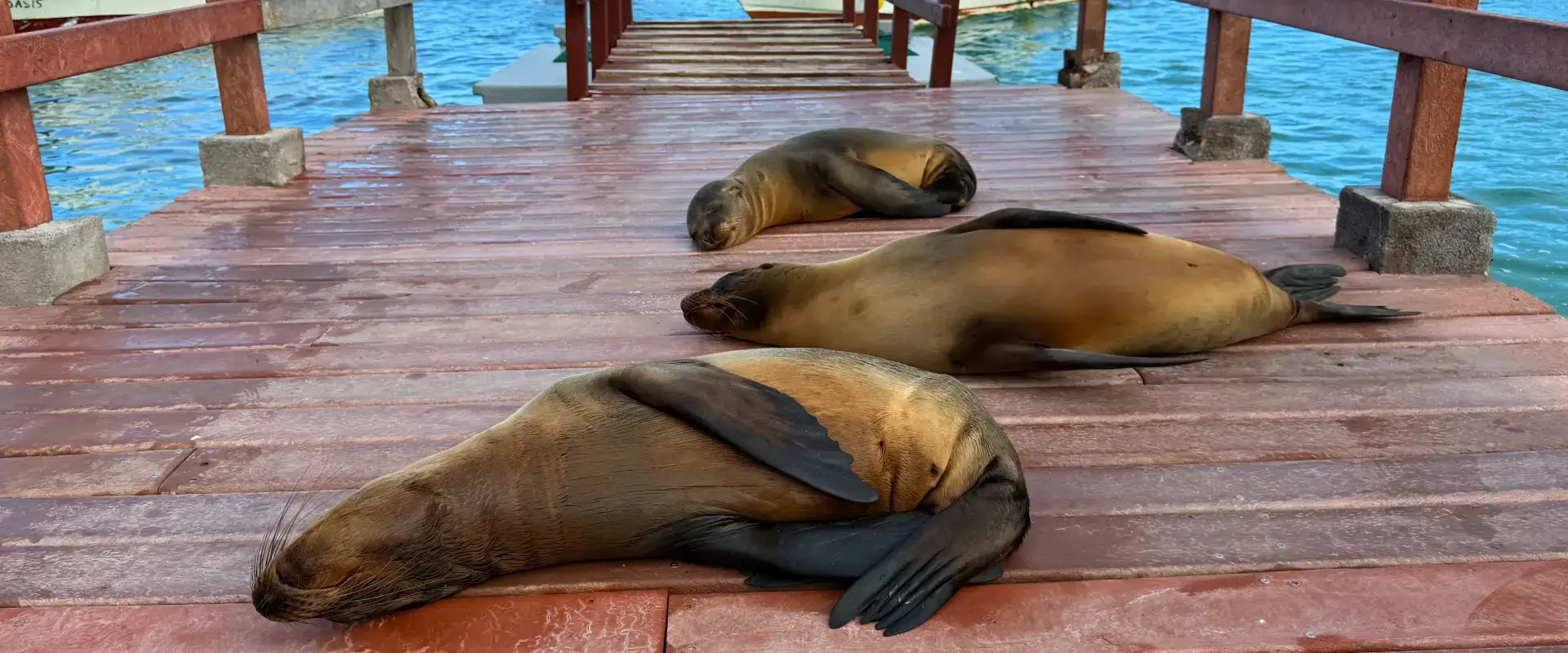
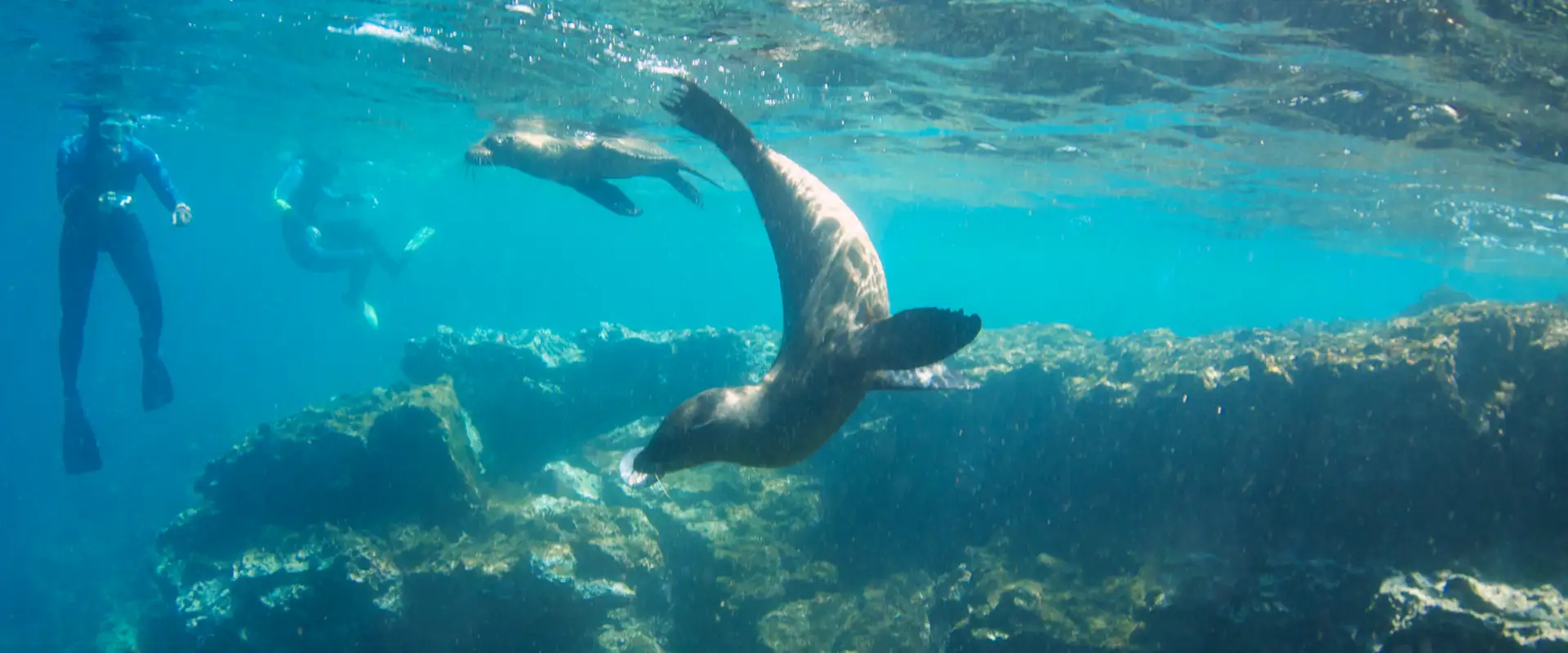
The Galápagos are among the safest tourist destinations anywhere in Latin America. Population is small, tourism-dependent, and tightly regulated. Petty theft is rare and violent crime essentially absent. The main “risks” are sun, dehydration and not respecting the wildlife.
The Andean Circuit
Cotopaxi, Quilotoa, Baños, Riobamba, Cuenca, Otavalo, Mindo — the standard Sierra tourism corridor — is reliably safe. These are towns where tourism makes up a meaningful share of the economy and incidents would be felt immediately. Apply the same urban-Latin-America rules: don’t flash valuables, don’t walk dark streets alone late at night, use registered transport. For Cuenca specifically, read our honest answer to is Cuenca safe.
Amazon Region
The Amazon is safe IF you go through an established lodge (Sacha, La Selva, Napo Wildlife, Yasuní lodges, Cuyabeno operators). They handle the boat transfers from Coca or Lago Agrio, and you essentially never travel independently in the rainforest. Don’t do independent overland travel along the Colombian border (Sucumbíos province north of the Aguarico river).
LOCAL GUIDE AND DRIVER, EVERY DAY
12 Day Ecuador and Galapagos Tour: Andes, Amazon and Island Hopping
The Andes and the Amazon with your own guide and driver from Quito, then a week of island hopping on Santa Cruz and Isabela with a yacht day.
From $2,690 per person
View itineraryIs Ecuador Safe to Visit the Pacific Coast?
The coast is the most variable part of the country. The “Ruta del Sol” (Salinas, Olón, Montañita, Puerto López, Ayampe) is generally OK during the day; petty theft on beaches and in nightlife areas is real but most travelers are fine with normal vigilance. Manta has a reasonable tourist zone but the wider city has security issues. Esmeraldas province (north of Atacames) and central Esmeraldas city should be avoided.
Guayaquil
Guayaquil is a zone-by-zone city, not a write-off. The tourist corridor — Malecón 2000, Las Peñas, Puerto Santa Ana, Samborondón, and the airport zone — is patrolled and fine to enjoy with city-smart habits, while the south of the city and Durán are do-not-travel areas per the U.S. State Department. Use Uber or Cabify door to door, keep your phone out of sight, and skip street walking after dark. With those rules, a day or an overnight here works fine. The full area-by-area breakdown is in our Is Guayaquil Safe? guide.
One question I get a lot: is Ecuador safe for solo women travelers? In the Andean tourist circuit and Galapagos: yes, with the same street smarts you would use in any Latin American city. Avoid empty streets after dark, use Cabify or Uber instead of street taxis, and stick to known hotel neighborhoods.
Common Scams in Ecuador (and How to Avoid Them)
- Fake taxi drivers (“express kidnapping”): Mostly Quito and Guayaquil airports. Always use Uber, Cabify or pre-arranged hotel transfer. Never hail a taxi off the street late at night.
- Bus station bag-watching: Someone asks you to watch their bag, then a “second person” bumps you while the first slips your bag away. Never separate from your bag, even for a second.
- Mustard / spilled-drink distraction: Someone stains your clothes “by accident” while an accomplice picks your pocket. Walk away, don’t accept the cleaning offer.
- Currency confusion: Ecuador uses USD. Some tourist shops “round up” or palm small bills. Count change in front of the cashier.
- Fake police: Real police don’t ask for your wallet or to “check your money.” If approached, ask for the nearest official station and only show ID, never cash.
- Tour operator no-shows: Always book through a verifiable agency (Tripadvisor reviews, registered with the Ministerio de Turismo). Avoid street-corner agencies that don’t have a permanent address.
Transport Safety
Transport is where most tourist incidents happen, but they’re avoidable.
- Within Quito: Use Uber/Cabify. Day buses fine; avoid late-night buses, especially the Quitumbe and Carcelén terminal buses after 8pm.
- Long-distance buses: Reliable in the Sierra. Use a major company (Flota Imbabura, Cooperativa Riobamba, Panamericana). Keep your bag with you, not in the overhead bin.
- Inter-city by air: EQ-airline flights between Quito and Guayaquil, Cuenca, Manta, Galápagos are safe and inexpensive (~$50-70 one way).
- Driving yourself: Possible in the Sierra (good roads, low traffic). Avoid driving the coast at night and the northern provinces near the Colombian border altogether.
- Airport transfers: Pre-book your Quito airport transfer — don’t try to figure it out at midnight after a long flight.
Solo Travelers & Women Travelers
Ecuador is broadly fine for solo female travelers in the Sierra and Galápagos. Catcalling exists, especially in the coast and bigger cities, but is largely verbal. Most solo travelers we host complete their trips without incident, especially when sticking to Quito + the Andean circuit + Galápagos. Standard advice: dress moderately outside the coast, don’t accept drinks from strangers in nightlife districts, share itinerary with someone at home.
Hostels in Cuenca, Baños, Mindo and Otavalo are well-set-up for solo travelers and great for meeting other people on the same circuit.
Health & Natural Risks
- Altitude: Quito at 2,850 m, Cotopaxi area at 3,500-4,500 m. Acclimatize 2-3 days. See our altitude guide.
- Water: Drink bottled or filtered. Tap water is treated in Quito but stomachs sometimes rebel.
- Yellow fever: Vaccine recommended for Amazon visits.
- Mosquito-borne illness (Amazon, coast): Use repellent (DEET 30%+), long sleeves at dawn/dusk.
- Sun: Equatorial sun at altitude is brutal. SPF 50, hat, polarized sunglasses.
- Earthquakes: Real risk; minor tremors common, major events rare. Most modern buildings comply with seismic codes.
- Volcanic activity: Active volcanoes (Tungurahua, Reventador, Sangay, Cotopaxi). Park entries close during alerts; tour operators monitor.
Frequently Asked Questions
Is Ecuador safe to travel in 2026?
Yes for most regions: Quito, Galápagos, the Andean tourist circuit (Cotopaxi, Quilotoa, Baños, Cuenca, Otavalo) and Amazon lodges remain safe. Avoid northern coastal provinces (Esmeraldas), the Colombian border, and treat Guayaquil as transit only.
Is Quito safe for tourists?
Yes — Old Town, La Mariscal, La Floresta and Cumbayá are safe with standard urban precautions. Use Uber instead of street taxis, don’t flash electronics on buses, avoid empty streets at night. See our detailed Quito safety guide for neighborhood-by-neighborhood notes.
Is the Galápagos safe?
Yes — among the safest tourist destinations in Latin America. Petty theft is rare, violent crime essentially absent. The only “risks” are sun, dehydration and not respecting wildlife distance rules.
Is it safe to travel to Ecuador as a solo woman?
Generally yes in the Sierra and Galápagos. Catcalling exists but is verbal. Most solo female travelers complete the standard Quito-Cotopaxi-Baños-Cuenca-Otavalo-Galápagos circuit without incident. Standard advice applies: don’t accept drinks from strangers, share itinerary, dress moderately.
What areas of Ecuador should I avoid?
Northern coastal provinces (Esmeraldas city, San Lorenzo, parts of Manabí), the Colombian border in Sucumbíos, Guayaquil outside the curated tourist strip. Avoid late-night terminal buses in Quito.
Is Guayaquil safe in 2026?
Yes in its tourist core — Malecón 2000, Las Peñas, Puerto Santa Ana, Samborondón — with city-smart habits: app rides door to door, phone out of sight, no street walking after dark. The south of the city and Durán are do-not-travel zones. Flying to the Galápagos via Guayaquil is routine; airport transit is explicitly excluded from the warnings.
Are taxis safe in Ecuador?
Use Uber, Cabify or pre-arranged hotel transfers — not street taxis, especially at airports and at night. Registered cooperative taxis in towns like Cuenca and Otavalo are reliable; in Quito and Guayaquil, app-based ride services are safer and only marginally more expensive.
ECUADOR’S SAFEST REGION
7 Day Galapagos Tour from Quito: Santa Cruz, Isabela and a Yacht Day
Santa Cruz, Isabela and a yacht day to an uninhabited island, with hotels, a naturalist guide and every transfer arranged.
From $1,279 per person
View itineraryBottom Line: Travel Smart, Travel Safe
Ecuador in 2026 rewards travelers who plan around the security map. The classic itinerary — Quito + Cotopaxi + Quilotoa + Baños + Cuenca + Otavalo + Mindo + Galápagos — remains one of the best concentrated travel experiences in South America, with a safety profile comparable to Colombia or Peru. Skip the parts of the country with active issues (northern coast, Colombian border, deep Guayaquil) and you’ll have a memorable trip.
Looking for more on is ecuador safe? Browse our coverage on ecuador safety, ecuador safe to travel and is quito safe, and reach out to our local team for current on-the-ground updates before you arrive.