Quilotoa Lake Ecuador: Complete Travel Guide & Hiking Tips 2026
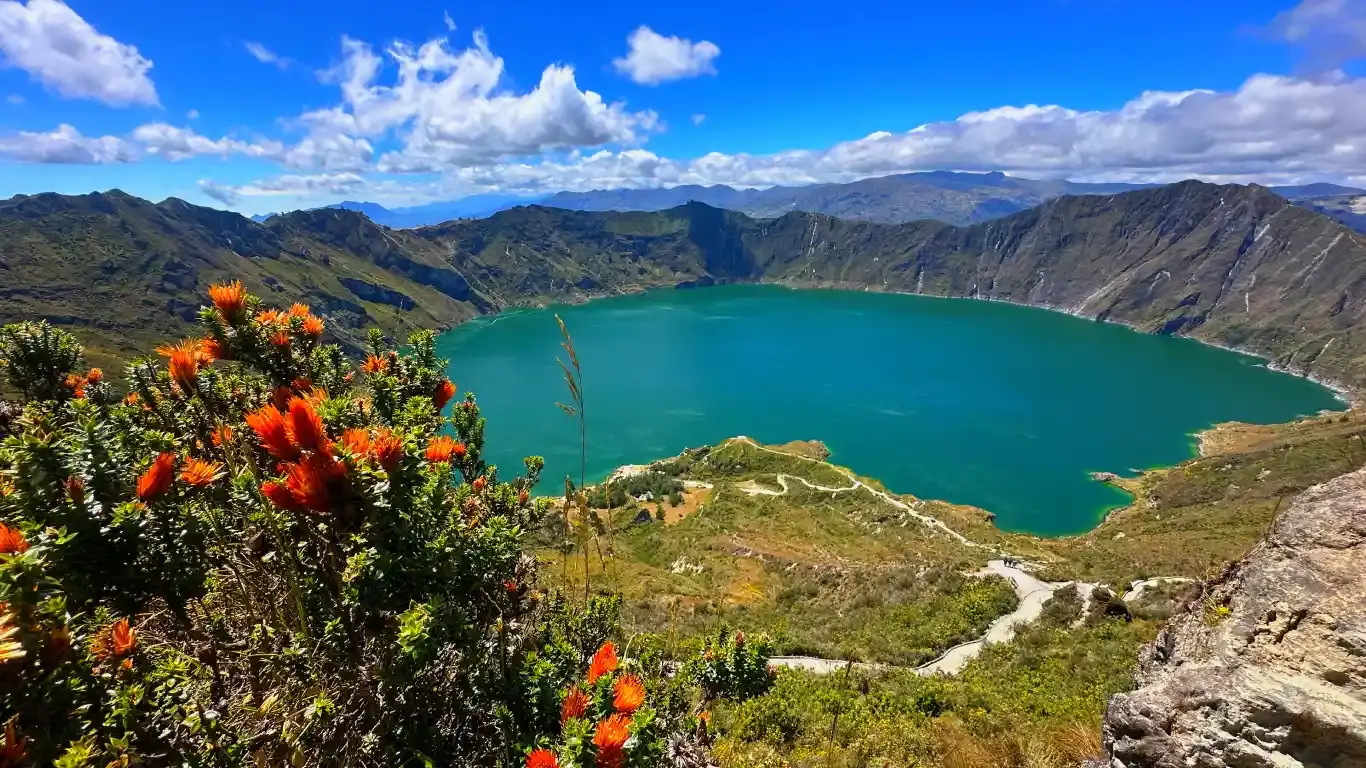
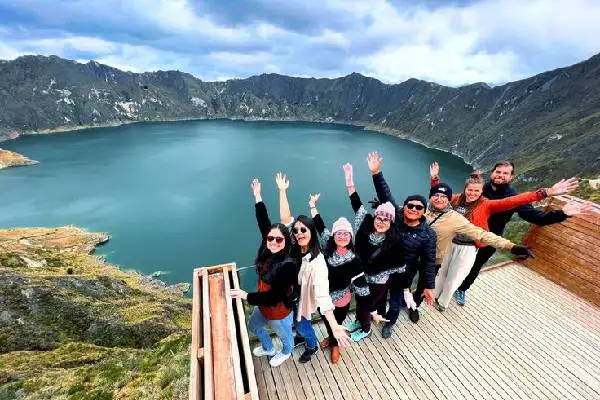
Quilotoa Lake Ecuador is one of the most breathtaking natural wonders in South America and a must-visit destination for anyone traveling through the Andes. This stunning turquoise crater lake sits at 3,914 meters above sea level in the remote highlands of Cotopaxi Province, offering visitors dramatic volcanic landscapes and authentic indigenous community experiences. Whether you are planning a day trip from Quito or a multi-day trek along the famous Quilotoa Loop, this complete guide covers everything you need to know about visiting this stunning crater lake in 2026.
What Is Quilotoa Lake?
Quilotoa Lake Ecuador (also known as Laguna Quilotoa) is a dramatic volcanic caldera filled with deep turquoise water. It was formed by a massive eruption approximately 800 years ago, leaving behind a 3-kilometer-wide crater that gradually filled with water. The lake reaches depths of over 250 meters and sits within the western Andes mountain range. The Quilotoa crater lake is part of a still-active volcanic complex according to the Smithsonian Global Volcanism Program, and you can sometimes spot gas bubbles rising to the surface. The surrounding area is home to indigenous Kichwa communities who have lived in these highlands for centuries, making Quilotoa Lake not only a geological wonder but also a cultural treasure.
How to Get to Quilotoa Lake from Quito
Quilotoa Lake Ecuador is located approximately 180 kilometers southwest of Quito, and the journey takes about 3 to 4 hours by car. There are three main ways to reach the crater from Quito:
Guided Day Tours: The most popular and convenient option. Most Quito day tours include hotel pickup, transportation, a bilingual guide, and stops at scenic viewpoints along the way. Prices typically range from $60 to $120 per person.
Rental Car: Drive south on the Pan-American Highway (E35) toward Latacunga, then take the turnoff toward Zumbahua and follow signs to Quilotoa Lake. The road is paved but winding through the highlands. Allow extra time for altitude adjustment and fuel stops.
Public Transportation: Take a bus from Quito’s Quitumbe terminal to Latacunga (about 2 hours, $2.50), then catch a local bus from Latacunga to Quilotoa (about 2 hours, $3). Buses to Quilotoa Lake depart around 11:00 AM and return in the afternoon, so plan carefully.
Entrance Fee & Services
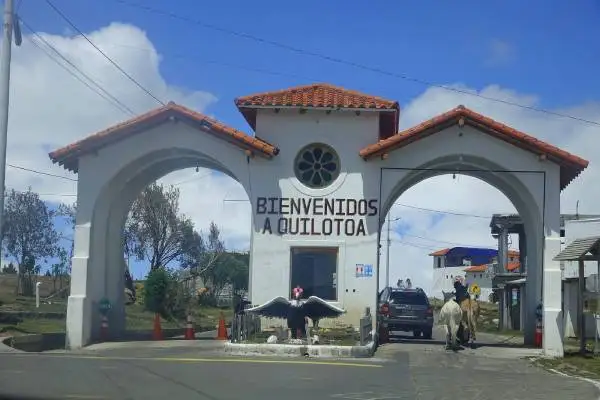
The entrance fee ranges from $2 to $5 USD and directly supports the local indigenous communities who manage the site. Services available include clean restrooms, parking areas, a small visitor center with local crafts, mule and horse rentals for the return hike up from the lake shore ($10–$15), and community-guided hikes. Several small restaurants near the rim serve traditional Andean dishes including locro de papa and hot chocolate — perfect for warming up at this altitude.
Best Time to Visit
The best months to visit are June through September during Ecuador’s dry season. During these months, you will enjoy clearer skies and better visibility of the famous turquoise waters. Mornings are typically the best time of day — arrive before 10:00 AM for the clearest views since clouds and fog often roll in during the afternoon. The rainy season (October to May) brings more overcast conditions, but the area is still worth visiting year-round. Just bring rain gear and be prepared for rapidly changing weather at nearly 4,000 meters elevation.
Quilotoa Lake Rim Hike & Trails
START IN QUITO, END IN THE GALÁPAGOS
9 Day Ecuador and Galapagos Tour: Andes, Amazon and Santa Cruz
Quito, Cotopaxi, Quilotoa, Baños and the Amazon with your own guide, then three nights on Santa Cruz with tortoises, beaches and snorkeling.
From $1,990 per person
View itinerary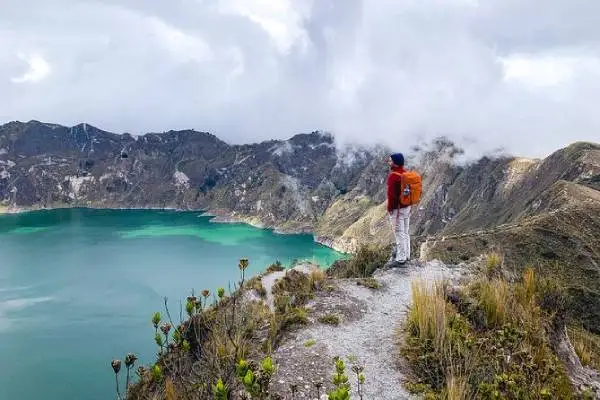
The area offers several hiking options for different fitness levels:
Crater Rim Hike (Full Loop): The complete rim hike around the crater is approximately 10 to 12 kilometers and takes 4 to 6 hours. The trail is moderately challenging due to the high altitude (3,900m+) and uneven terrain. You will be rewarded with 360-degree panoramic views of the crater and surrounding Andean peaks.
Descent to the Lake Shore: A steep 30-minute hike down to the water’s edge where you can kayak on the turquoise waters ($3 per person). The return climb takes 45 minutes to an hour due to the altitude, or you can hire a mule for $10–$15.
Short Viewpoint Walk: If you have limited time or the altitude is challenging, a 20-minute walk from the parking area takes you to the main viewpoint overlooking the crater — the most iconic photo spot. This option is perfect for visitors on a day trip from Quito.
The Quilotoa Loop is a multi-day trek (3 to 5 days) connecting indigenous villages including Chugchilán, Isinliví, and Sigchos. It is considered one of the best treks in Ecuador and passes through spectacular Andean landscapes before ending at the crater rim.
Quilotoa Lake Day Trip Itinerary
A perfect Quilotoa Lake Ecuador day trip from Quito follows this itinerary:
6:00 AM: Depart Quito heading south on the Pan-American Highway.
8:30 AM: Stop at Tigua, a small indigenous art town famous for colorful naif paintings on sheepskin.
9:30 AM: Arrive at Quilotoa Lake crater rim. Take in the viewpoint and begin your chosen hike.
12:00 PM: Enjoy lunch at a local restaurant near the crater — try locro de papa or grilled trout.
1:00 PM: Visit the indigenous craft market and explore the community.
2:00 PM: Stop at Toachi Canyon, a dramatic river gorge on the return route.
5:00 PM: Arrive back in Quito.
Depth & Color of the Crater
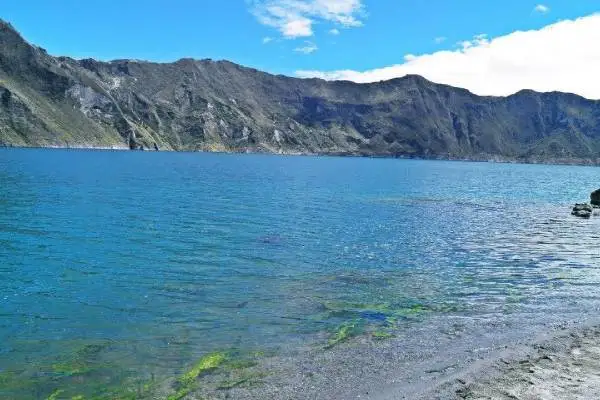
Quilotoa Lake Ecuador reaches depths of over 250 meters, making it one of the deepest crater lakes in the Andes. The lake’s famous color varies from emerald green to deep turquoise depending on the time of day, weather conditions, and the angle of sunlight hitting the mineral-rich waters. The turquoise color comes from dissolved minerals — primarily sulfur and other volcanic deposits on the lake floor. On sunny mornings, the lake displays its most vivid turquoise hue, which is why early visits are recommended for the best photography.
Where to Stay Near the Crater
If you want to experience the crater at sunrise or hike the multi-day Quilotoa Loop, several accommodation options are available nearby:
Community Lodges: Basic but authentic accommodations run by local indigenous families in the village of Quilotoa. Expect shared bathrooms and hearty home-cooked meals. Prices start at $15–$25 per night.
Hostels & Eco-Houses: The nearby towns of Chugchilán and Isinliví offer budget-friendly hostels popular with backpackers hiking the Quilotoa Loop. Some standouts include Hostal Cloud Forest and the well-known Black Sheep Inn eco-lodge.
Hotels in Latacunga: For more comfort, stay in Latacunga (2 hours from the crater) which has a wider range of hotels and restaurants. This is a good base if you are visiting the crater and Cotopaxi National Park on separate days.
Safety Tips for Your Visit
Quilotoa Lake Ecuador sits at nearly 4,000 meters above sea level, so altitude preparation is essential. Here are key safety tips:
Spend at least one day acclimatizing in Quito (2,850m) before your visit. Stay well-hydrated and avoid alcohol the night before your visit. Walk slowly on the trails — the thin air makes even gentle inclines feel demanding. Bring layered clothing as temperatures can drop quickly, even on sunny days. Use sunscreen and a hat — UV radiation is intense at this altitude. Carry cash as there are no ATMs near the crater. If you experience severe headache, nausea, or dizziness, descend immediately.
Frequently Asked Questions
How far is Quilotoa Lake from Quito?
Quilotoa Lake Ecuador is approximately 180 kilometers (112 miles) from Quito. The drive takes about 3 to 4 hours each way, making it a feasible but long day trip. Most guided tours depart Quito around 6:00 AM and return by 5:00–6:00 PM.
Can you swim in Quilotoa Lake?
Swimming in the lake is not recommended and is generally prohibited. The water is extremely cold (around 12°C/54°F), the depth exceeds 250 meters, and volcanic minerals make it unsafe. However, you can kayak on the surface for about $3 per person — a unique experience on this volcanic lagoon.
Is Quilotoa Lake worth visiting?
Absolutely. Quilotoa Lake Ecuador is considered one of the most spectacular natural attractions in South America and all of South America. The combination of dramatic volcanic landscapes, turquoise waters, indigenous culture, and excellent hiking makes it a highlight of any Ecuador travel itinerary. The views from the crater rim are truly unforgettable.
What should I bring to Quilotoa Lake?
Essential items include warm layered clothing (temperatures can be near freezing), rain jacket, comfortable hiking shoes, sunscreen and hat, plenty of water, snacks, cash for entrance fees and mule rental, and a camera for the spectacular views of the volcanic lagoon.
Is the Quilotoa Lake hike difficult?
The difficulty depends on which trail you choose. The short walk to the main viewpoint is easy (20 minutes). The descent to the lake shore is moderate going down but strenuous coming back up due to altitude. The full rim hike (10–12 km) is moderately challenging and requires good fitness. The multi-day Quilotoa Loop trek is more demanding and recommended for experienced hikers.