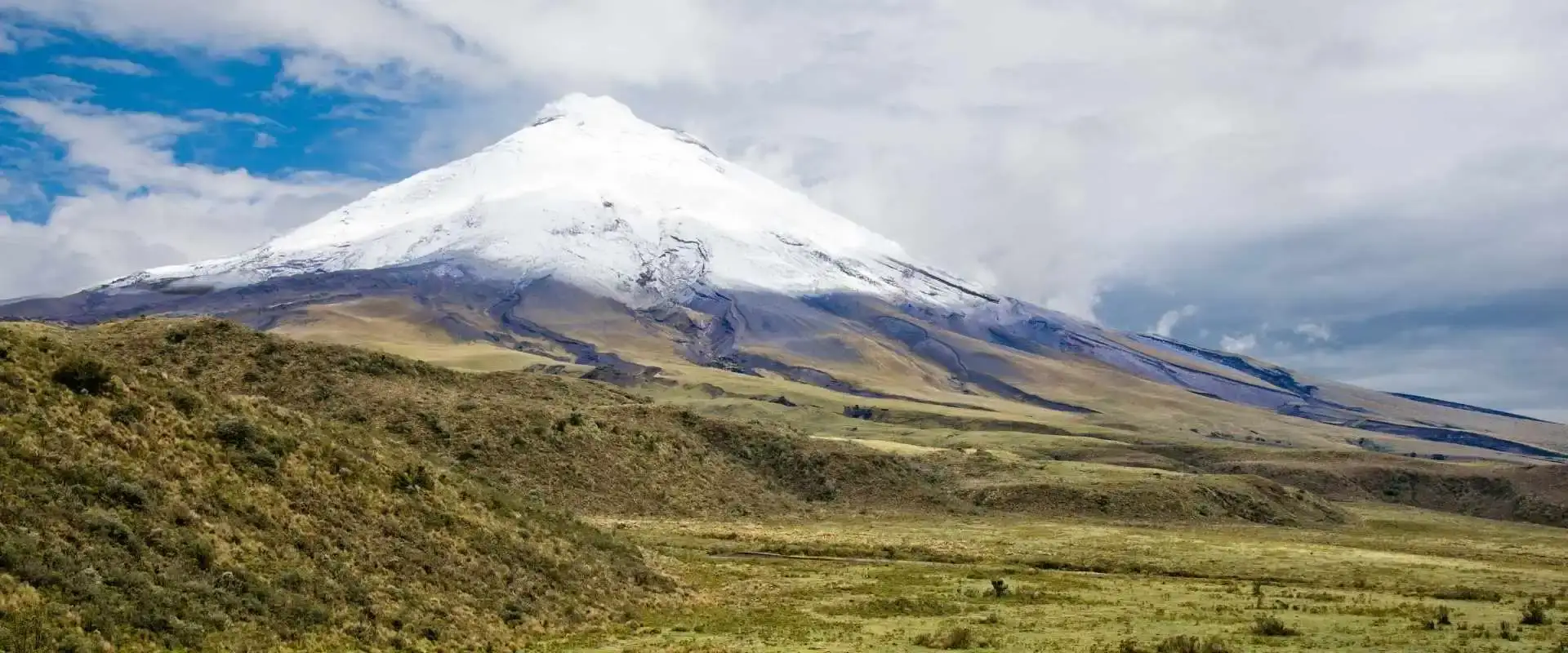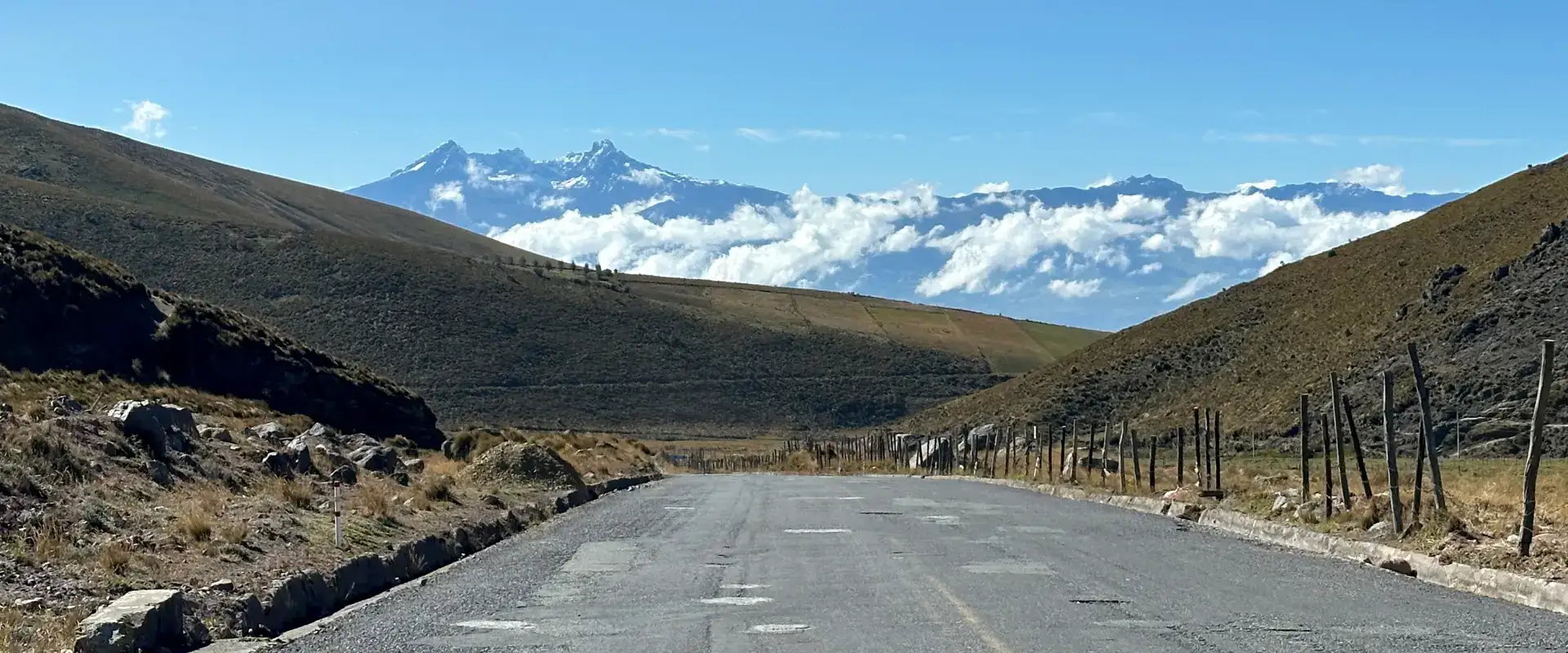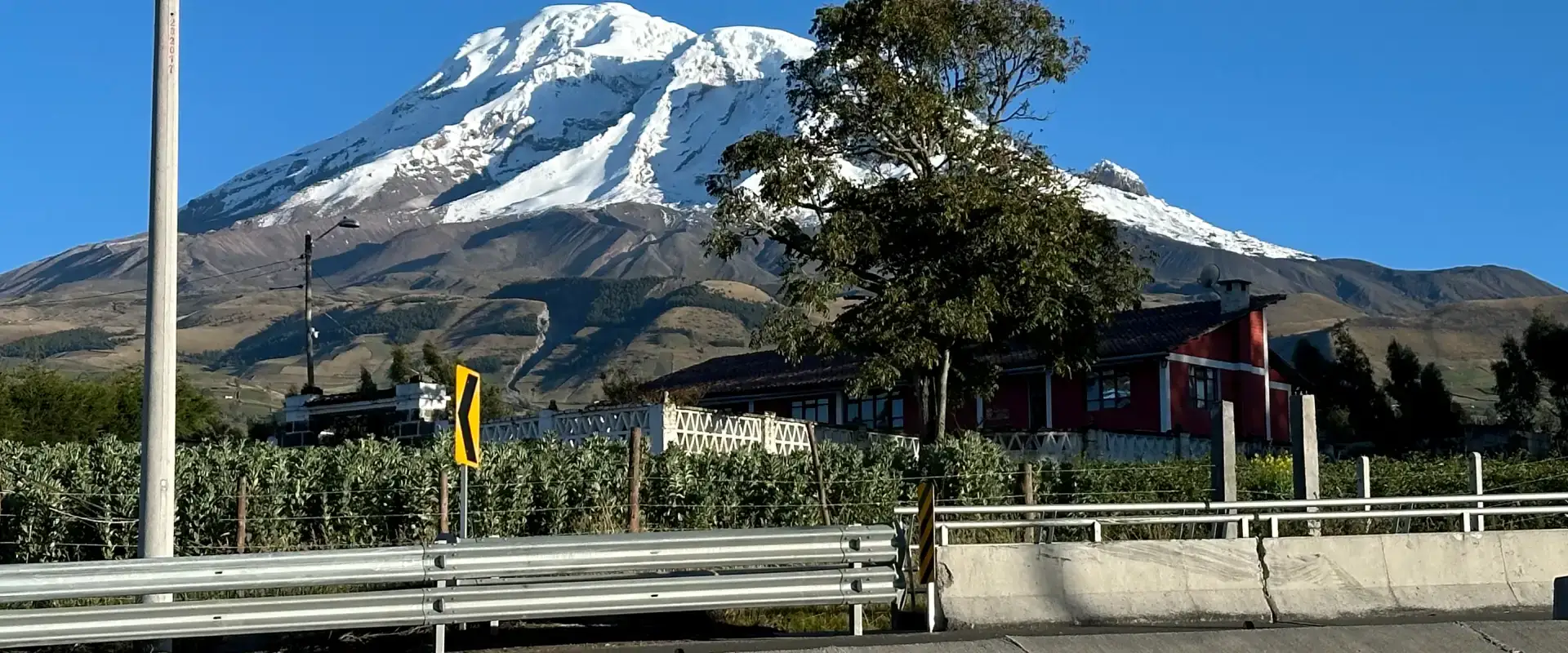
Antisana National Park: 3 Volcanoes & Ecuador’s Hidden Volcanic Jewel
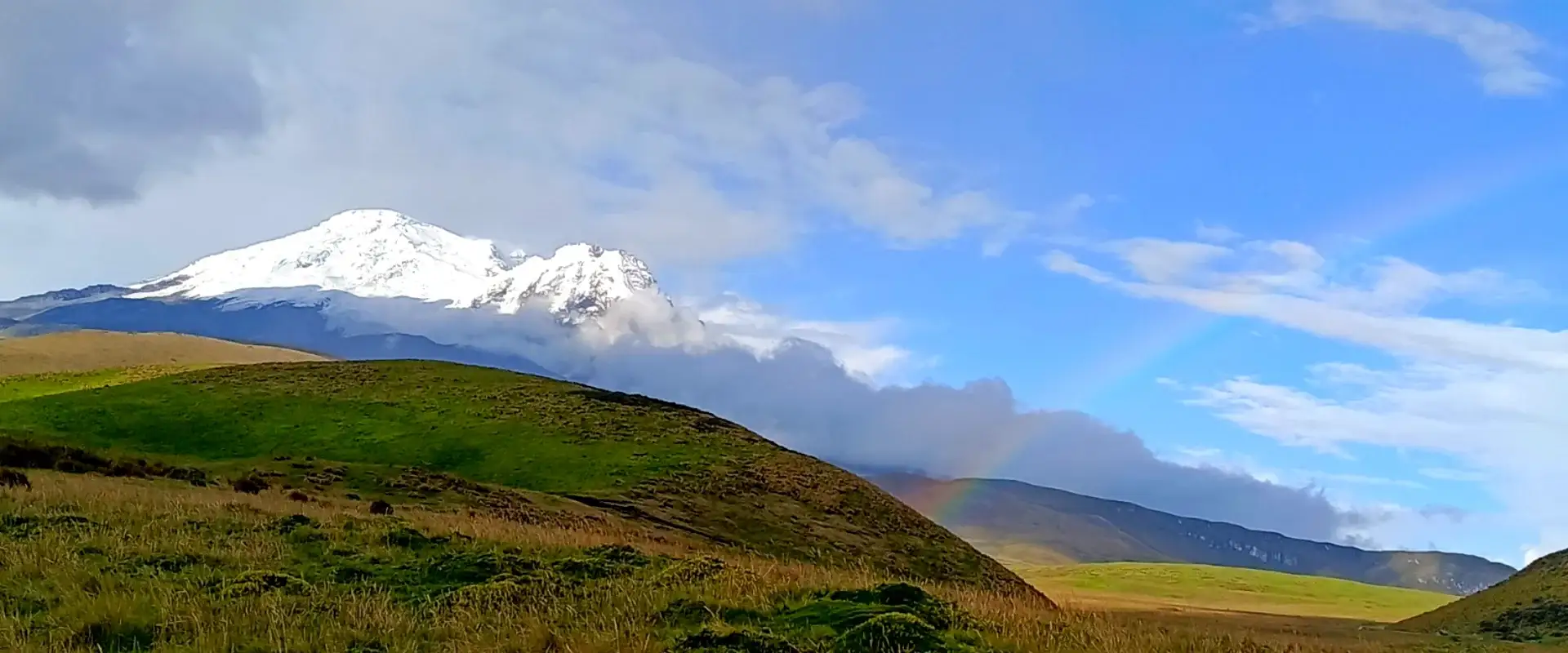
Antisana National Park
- Antisana volcano: 5,753m, less climbed than Cotopaxi or Chimborazo, incredible solitude
- Located northeast of Quito, about 60 km away but remote access makes it feel farther
- Part of an 120,000+ hectare protected area with cloud forests and high-altitude ecosystems
- Best for: experienced hikers seeking solitude, mountaineers wanting fewer crowds
- Limited infrastructure means you’ll need a guide, sturdy gear, and serious mountain#experience
Introduction
Antisana’s the volcano, Ecuador’s tourism industry doesn’t talk much about. Cotopaxi gets all the magazioe covers. Chimboraza gets the “highest mountain” attention. Antisana? It sits northeast of Quito, just 60 kilometers away, and remains profoundly quiet. When I guide people here, they’re shocked. They climb for hours through cloud forests, watch condors circle, cross high-altitude paramo grasslands—and encounter maybe two other people the entire day.
Antisana ecological reserve 5,758 meters high—not significantly lower than Cotopaxi, but the climb’s harder. More remote. More techincal in places. Fewer maintained trails. Limited guiding services. That’s exactly why I love it. This mountain teaches you Ecuador’s real wilderness, not the curated tourist version. The park protects over 120,000 hectares of pristine ecosystem. You’re not visiting a national park here—you’re entering genuine high-altitude wilderness.
Location & Access: The Challenge
Antisana sits roughly 60 kilometers northeast of Quito as the crow flies. By road? It’s more complicated. The nearest town is Baeza (90 minutes from Quito). From there, you need a four-wheel-drive vehicle to reach the park—the roads deteriorate substantially from paved highway to rough mountain tracks. Most visitors arrange access through guides or dour operators in Quito or Baeza rather than attempting self-guided visits. The challenging access is exactly what keeps Antisana so pristine. Mass tourism requires accessible roads. Antisana’s rough roads mean it stays wild. This is where the real adventure begins—the moment you realize this place isn’t set up for casual visits, that you’re genuinely stepping into mountain wilderness requiring respect and preparation. Planning the wider trip? Send us your dates and we will put the route together.
Ecosystem & Biodiversity: High-Altitude Paradise
Antisana’s park protects ecosystems from cloud forest to glacier. The lower elevations support spectacled bears—I’ve tracked sign here suggesting healthy populations. The middle zones transition through paramo grassland. Higher elevations become barren volcanic rock and ice. This vertical ecosystem compression means you can walk through multiple biological communities in one day. Birdwatchers rate this park incredibly highly: over 100 bird species recorded, including multiple Andean eagle varieties and the endangered Andean condor. The isolation means wildlife’s less habituated to humans. You might see spectacled bear, puma, or Andean deer, though sightings aren’t guaranteed—these are wild animals in genuine wilderness, not a zj
hrough grassland. Pumas hunt the high zones—signs of their presence are more common than actual sightings. The bird diversity’s astounding. I’ve seen Andean condors, Andean hawks, mountain caracaras, and dozens of smaller species here that I’d miss entirely at lower-traffic sites. The key to wildlife viewing is patience and silence. Walk slowly. Stop frequently. Listen. Watch. Don’t expect Disney-style animal encounters. Expect to see wild animals going about their lives, sometimes acknowledging your presence, usually ignoring you completely.
Solitude & The Antisana Experience
This is where Antisana’s magic lives. You can spend an entire day hiking and encounter zero other groups. On popular days at Cotopaxi, you might meet dozens. Here? Silence. That changes everything psychologically. Your experience isn’t filtered through the presence of other tourists. You’re in wilderness, not a popular attraction. The quiet’s profound—just your breathing, your footsteps, the wind, and mountains. That solitude teaches you things. It slows you down.
It helps you notice details tourists normally miss. Small wildflowers hidden in paramo grasses. The specific way light hits glaciers. The absence of human noise revealing animal sounds you’d otherwise overlook. Solitude isn’t for everyone—some people prefer activity and community. But for those seeking genuine wilderness experience, Antisana delivers exactly that.
Practical Information: What You Actually Need
Antisana’s not a casual day-hike destination. Plan for 3-4 days minimum—one day driving from Quito and settling, one acclimatization day, one summit attempt or high-altitude trek, one descent and return. You need serious hiking experience and altitude familiarity. This isn’t your first mountain—it’s for people who’ve done other peaks and want something different. Guides are essential. I can’t overstate this. Park access is limited; few guides operate here regularly.
Arrange guides through tour operators in Quito (several companies specialize in Antisana) rather than showing up hoping to find someone. Equipment needs are serious: mountaineering boots, crampons, ice axe, helmet, rope, harness. Most gear can be rented in Quito, but quality varies. High-altitude tents, sleeping bags rated to -20C, and proper layering aren’t optional. The weather can turn brutally fast. Temperature drops 10-15°C in minutes if clouds roll in. You need gear that handles extreme conditions.
When to Visit: Seasonal Considerations
June-August and December-January offer the driest, most stable conditions. Early morning starts (midnight or 1 a.m.) are essential for glacier safety and timing. Afternoon weather deteriorates rapidly in any season. Rainy season (October-May) brings clouds, mud, and generally poor conditions. Even in dry season, Antisana’s weather’s less predictable than Cotopaxi’s. I’ve seen clear mornings turn into whiteouts by 10 a.m. The mountain does what it wants. Always check weather forecasts, volcanic activity reports, and current road conditions before heading out. Be prepared to adjust plans if conditions demand it.
Antisana vs. Other Ecuador Volcanoes
| Volcano | Elevation | Distance from Quito | Accessibility | Crowds | Best For |
|---|---|---|---|---|---|
| Antisana | 5,758m | 60 km (remote access) | Difficult (rough roads) | Very low | Solitude seekers, experienced mountaineers |
| Cotopaxi | 5,897m | 90 km (easy access) | Easy (paved roads) | High | Popular mountaineering, national park day hikes |
| Pichincha | 4,700 m | 10 km (from Quito) | Very easy (day hike) | Medium | Altitude acclimatization, day hikers |
| Chimborazo | 6,263 m | 270 km (far south) | Moderate (long drive) | Medium | Techincal mountaineering, extreme altitude |
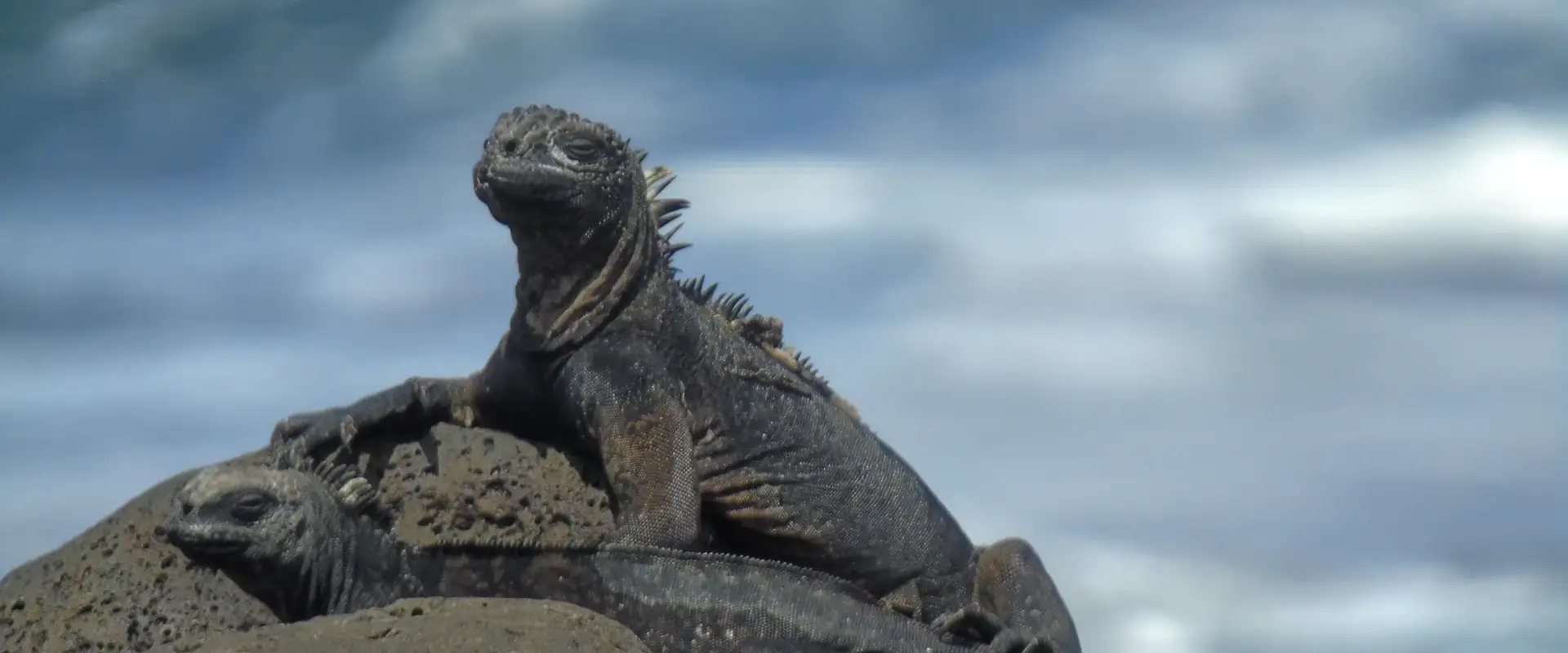
START IN QUITO, END IN THE GALÁPAGOS
9 Day Ecuador and Galapagos Tour: Andes, Amazon and Santa Cruz
Quito, Cotopaxi, Quilotoa, Baños and the Amazon with your own guide, then three nights on Santa Cruz with tortoises, beaches and snorkeling.
From $1,990 per person
View itineraryPair It With the Galápagos: 9 Day Ecuador & Galápagos Tour
Essential Antisana Facts
- Antisana’s 5,758m elevation places it as Ecuador’s third-highest mountain
- The park covers 120,271 hectares across Pichincha and Napo provinces
- Access is via Baeza town, 90 minutes from Quito, then rough mountain roads
- Wildlife includes spectacled bears, pumas, Andean deer, and over 100 bird species
- Glacier zones start around 5,200m elevation, covering roughly 4-5 square kilometers
- Annual visitor count: 500-1,000 climbers/trekkers (compared to 30,000+ at Cotopaxi)
- Hacienda Antisana provides access to lower park zones and serves as a private reserve
- The Antisana glacier feeds water systems crucial to Quito’s water supply
Useful External Resources
Antisana Ecological reserve FAQ
Is Antisana harder than Cotopaxi?
Technically similar. Antisana’s slightly higher altitude and more remote access make it feel tougher. The bigger difference is the solitude—fewer guides, fewer support systems, less established infrastructure. For mountaineers, this is a feature, not a bug.
Can I do Antisana as a day trip from Quito?
Not realistically. You’d spend most of the day just driving. Plan 3-4 days minimum: one for travel and settling, one for acclimatization, one for trekking/climbing, one for descent and return.
How do I arrange a guide for Antisana?
Contact tour operators in Quito that specialize in Antisana. Few guides live near the park itself. Book through operators 2-4 weeks in advance. Personal connections help—many guides operate through word-of-mouth rather than advertising.
What’s the real appeal of Antisana compared to Cotopaxi?
Solitude. Wilderness Fewer crowds. Cotopaxi’s iconic but busy. Antisana’s equally beautiful with virtually no tourists. If you want authentic mountain experience without seeing other people, it’s unbeatable.
Are there easier hikes at Antisana if I can’t summit?
Yes. Lower-elevation park hikes explore cloud forests and paramo zones without techhical climbing. You won’t summit, but you’ll experience the ecosystem and wildlife. Discuss options with your guide before arriving.
Ready for Antisana’s Solitude?
Antisana’s the mountain for mountaineers who’ve done other peaks and want something different. Compare it to other options in our complete guide to Ecuador’s 84 volcanoes. Learn about nearby Pichincha or other accessible options if you’re less experienced. Plan a multi-peak adventure by combining Antisana with exploration of the Avenue of Volcanoes route. This mountain rewards preparation, patience, and respect. Give it both.
Looking for more on Antisana National Park? Browse our related coverage on antisana national park ecuador, antisana national park guide, antisana national park tour, and reach out to our local experts for personalized planning.