Best Amazon Lodges in Ecuador: An Honest 2026 Comparison
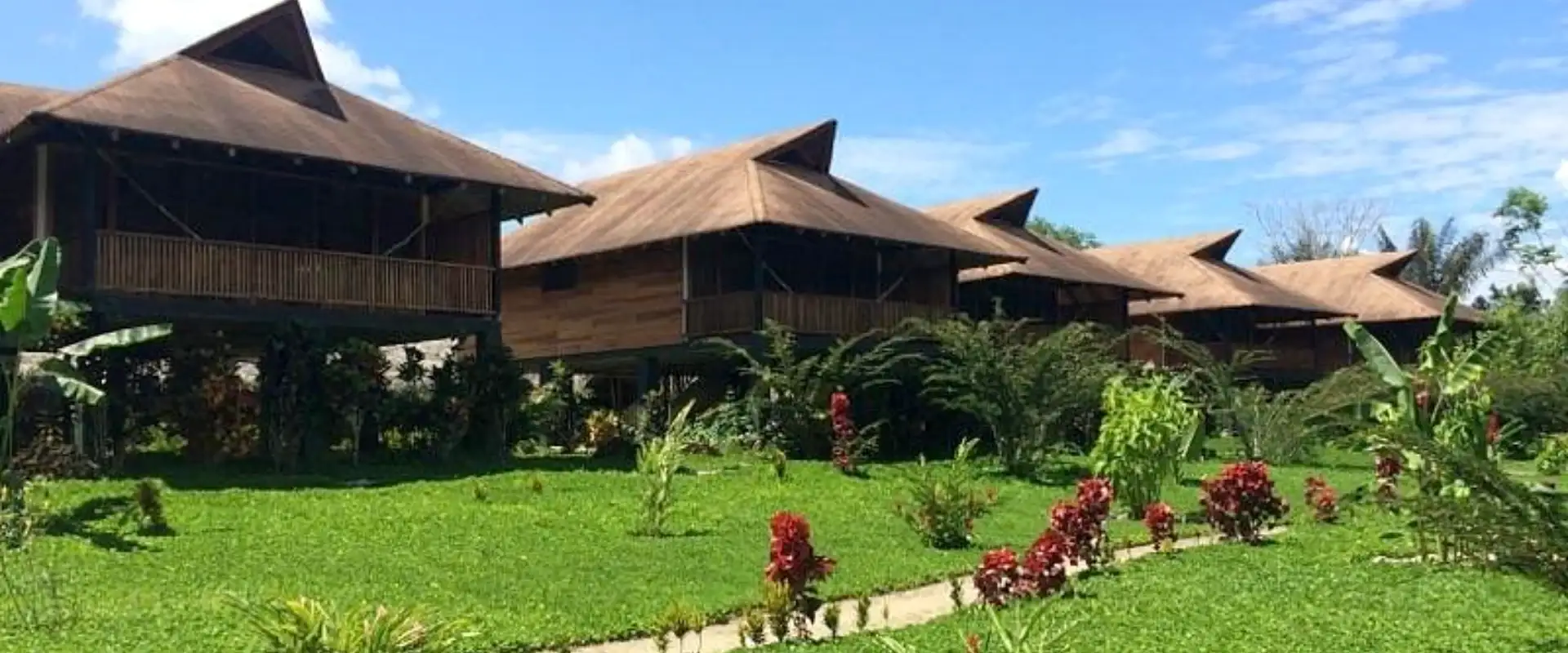
Your lodge decides the trip more than the region does. Two places an hour apart can mean screened huts and shared bathrooms, or a private cabin with a naturalist and a wine list. Here is the honest comparison: nightly prices, how far each one really is from the airstrip, and what the rooms are like once you get past the photos.
This guide is part of our complete Ecuador Amazon rainforest guide. If you have not picked a region yet, start there — the lodge that is right for you depends on whether you end up in Cuyabeno or Yasuní.
Ecuador’s Amazon region covers roughly 40% of the country’s land area, and dozens of Ecuador Amazon lodges offer access to pristine jungle, wildlife encounters, and indigenous culture. The best Amazon lodges in Ecuador are not always the priciest ones, and community-run Ecuador rainforest lodges often deliver the better wildlife guiding. The range of experiences varies dramatically: budget options ($50-80 USD per night) offer authentic jungle accommodation and basic facilities; mid-range lodges ($100-200 USD per night) balance comfort and nature immersion; luxury lodges ($300+ USD per night) provide creature comforts while still offering jungle access. Choosing between options depends on budget, comfort requirements, desired activities, and duration. This guide breaks down the best lodges across price categories and locations.
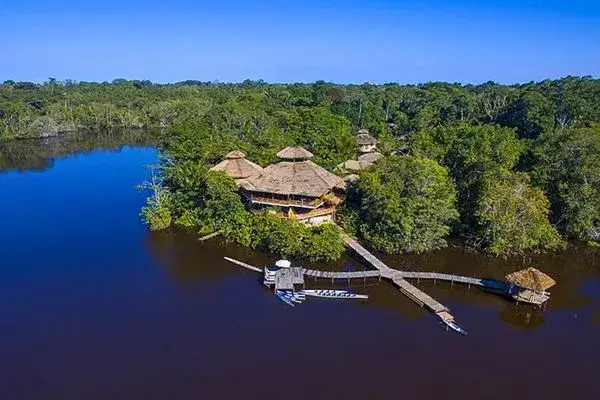
Understanding Amazon Lodge Options
Ecuador’s Amazon lodges range from rustic to upscale, with significant variation in infrastructure, location, wildlife access, and guiding quality. The best option depends entirely on what you’re seeking:
Budget Lodges ($50-80 USD/night)
Basic accommodation, often with shared facilities, limited or self-guided activities, and authentic jungle experience. Good for budget travelers and those prioritizing immersion over comfort. Wildlife encounters are less guaranteed; guides are less specialized.
Mid-Range Lodges ($100-200 USD/night)
Private rooms, improved facilities, organized activities with guides, better meals. The sweet spot for most travelers—balance of comfort and authenticity without luxury pricing.
Luxury Lodges ($300+ USD/night)
Comfortable rooms with amenities, excellent food, expert naturalist guides, organized activities. Luxury doesn’t necessarily mean more wildlife access, but it ensures comfort while experiencing the jungle. Want this as part of a longer Ecuador trip? Tell us your dates and we will build it around you.
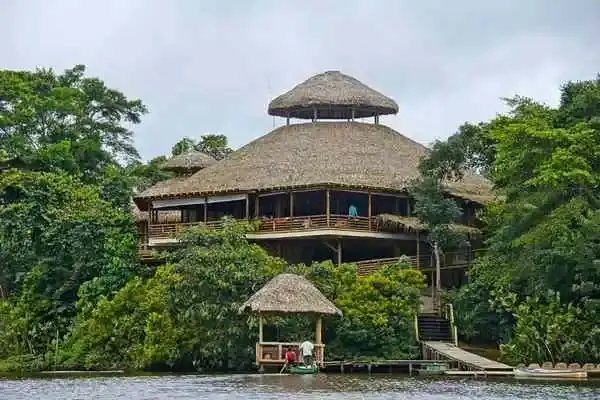
Top Amazon Lodges by Region
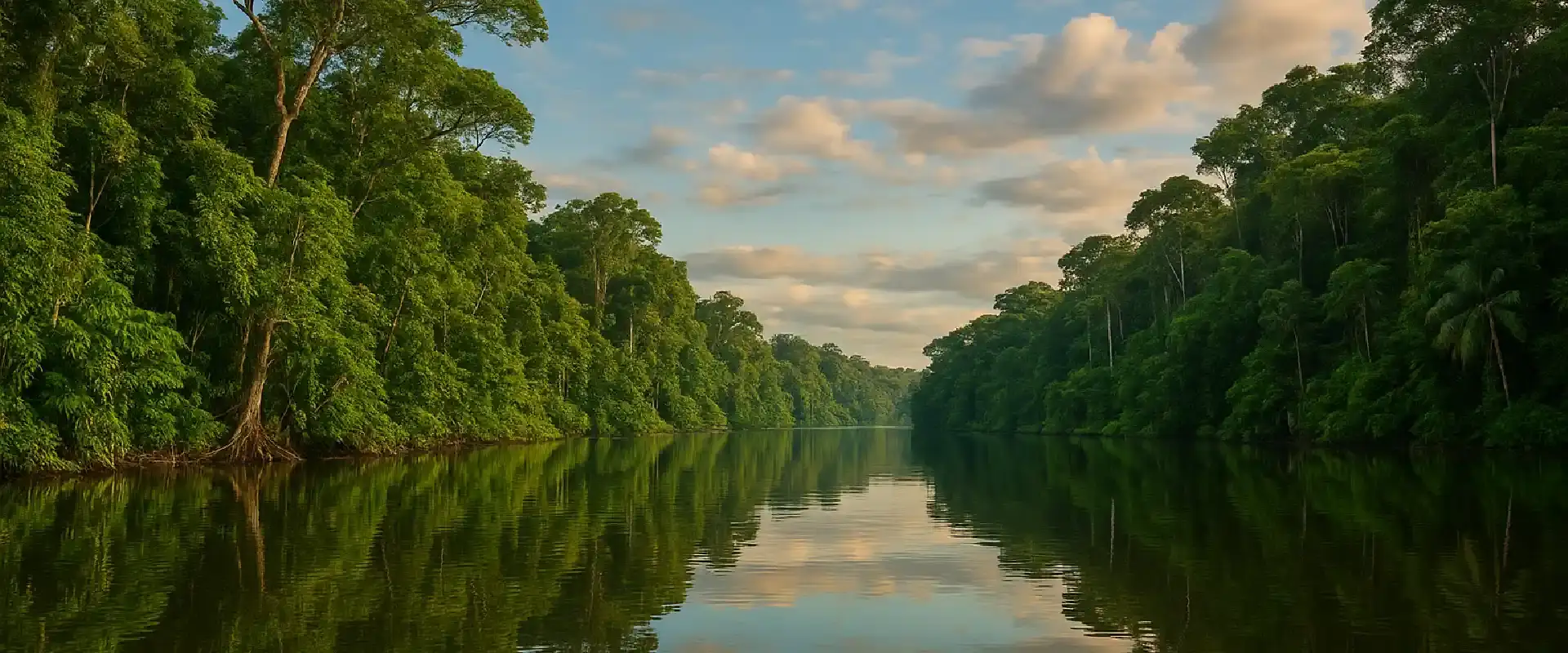
Cuyabeno Reserve (Northeast Amazon): Cuyabeno is Ecuador’s largest protected reserve and offers the most developed lodge infrastructure. Multiple lodges serve this region, making it accessible for various budgets. The reserve is known for wildlife density and river-based activities.
Limoncocha (Central Amazon): Smaller, more intimate lake-based experience. Fewer tourists than Cuyabeno; more wildlife variety due to habitat diversity.
Lower Napo River (Eastern Amazon): Remote jungle with access to indigenous communities. Excellent birding and wildlife. Less developed infrastructure; better for adventurous travelers.
Yasuni Area (Southeast): One of Earth’s most biodiverse locations. Remote, limited access, typically requiring longer stays. Best for dedicated ecotourists.
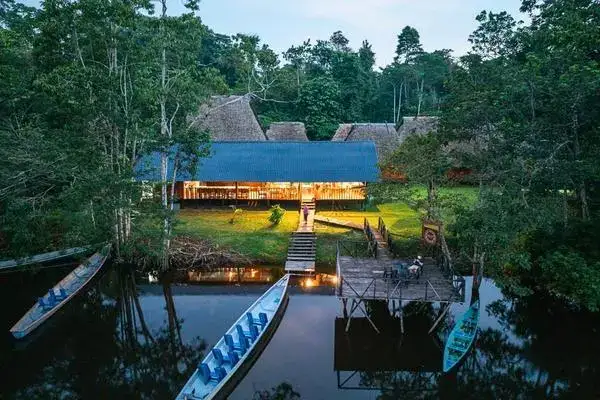
Specific Lodge Recommendations
Cuyabeno Lodge (Mid-Range): Established lodge in Cuyabeno Reserve with naturalist guides, organized activities (jungle walks, wildlife spotting, indigenous community visits), and comfortable rooms. Cost: approximately $100-150 USD per night. Good reviews for wildlife encounters and guide quality. Good choice for balanced experience.
Aguarico Lodge (Budget-Mid-Range): Small lodge with personality, enthusiastic guides, and good rates. Cost: $70-120 USD per night. Known for excellent bird watching and less-crowded experience than larger operations.
Kapawi Ecolodge (Luxury): Remote jungle lodge with excellent sustainability practices, indigenous ownership models, and expert guides. Cost: $300-400+ USD per night. 4-5 day minimum stays. For those seeking responsible luxury and remote experiences.
Sacha Lodge (Mid-Range to Luxury): Well-established lodge near Limoncocha lake with tower canopy platform, naturalist guides, and good wildlife viewing. Cost: $150-250 USD per night. Highly rated for animal encounters and comfortable accommodation.
Napo Wildlife Center (Luxury): Newest luxury option with excellent design, canopy platforms, and exceptional guides. Cost: $350-450+ USD per night. Outstanding reviews for both comfort and wildlife experiences.
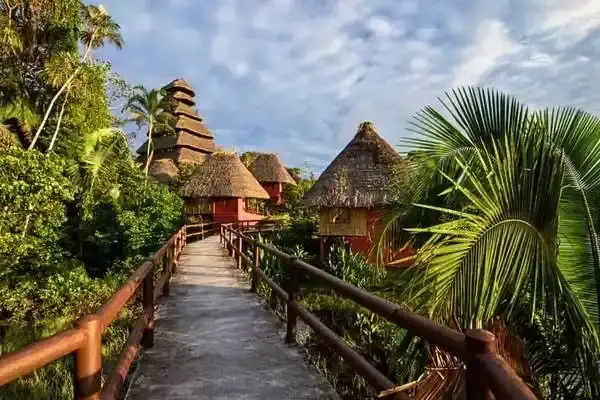
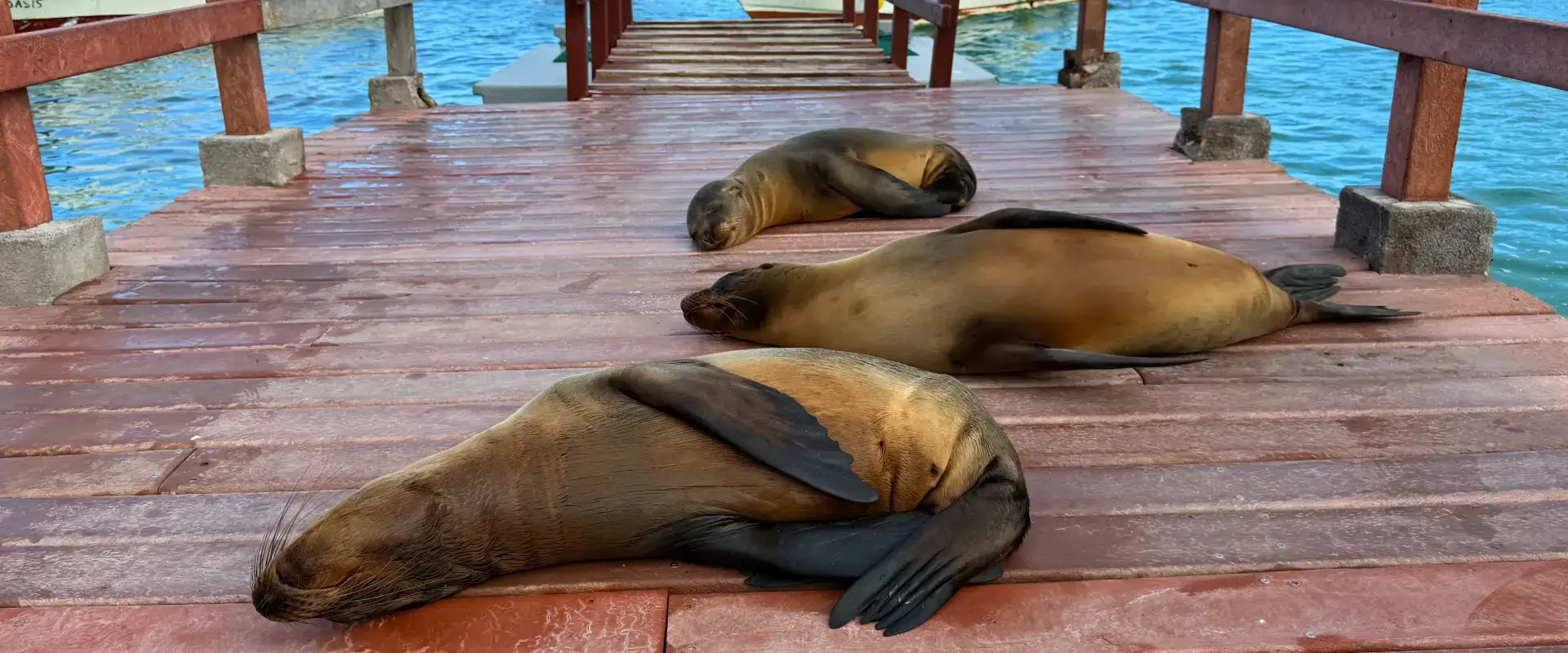
LOCAL GUIDE AND DRIVER, EVERY DAY
12 Day Ecuador and Galapagos Tour: Andes, Amazon and Island Hopping
The Andes and the Amazon with your own guide and driver from Quito, then a week of island hopping on Santa Cruz and Isabela with a yacht day.
From $2,690 per person
View itineraryAndes, Amazon and Galápagos Island Hopping: 12 Day Tour
Activities and Experiences
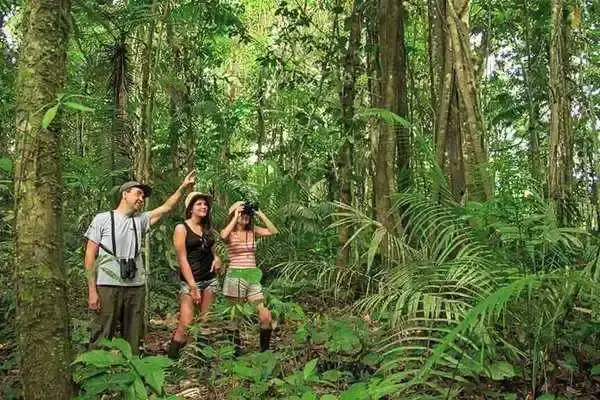
Guided Jungle Walks: Most lodges include daily guided walks searching for wildlife. Guides use binoculars, listen for calls, and navigate trails. Success depends on luck, timing, and guide expertise. Early morning walks are typically most productive.
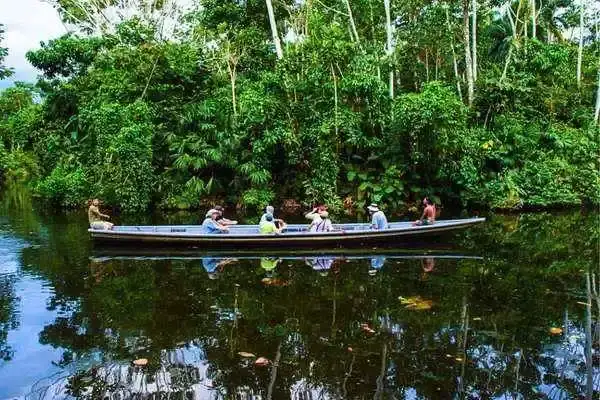
River Activities: Canoeing, wildlife spotting from boats, and river swimming. Rivers are the jungle’s highways; wildlife concentrates here. Night trips often reveal nocturnal species.
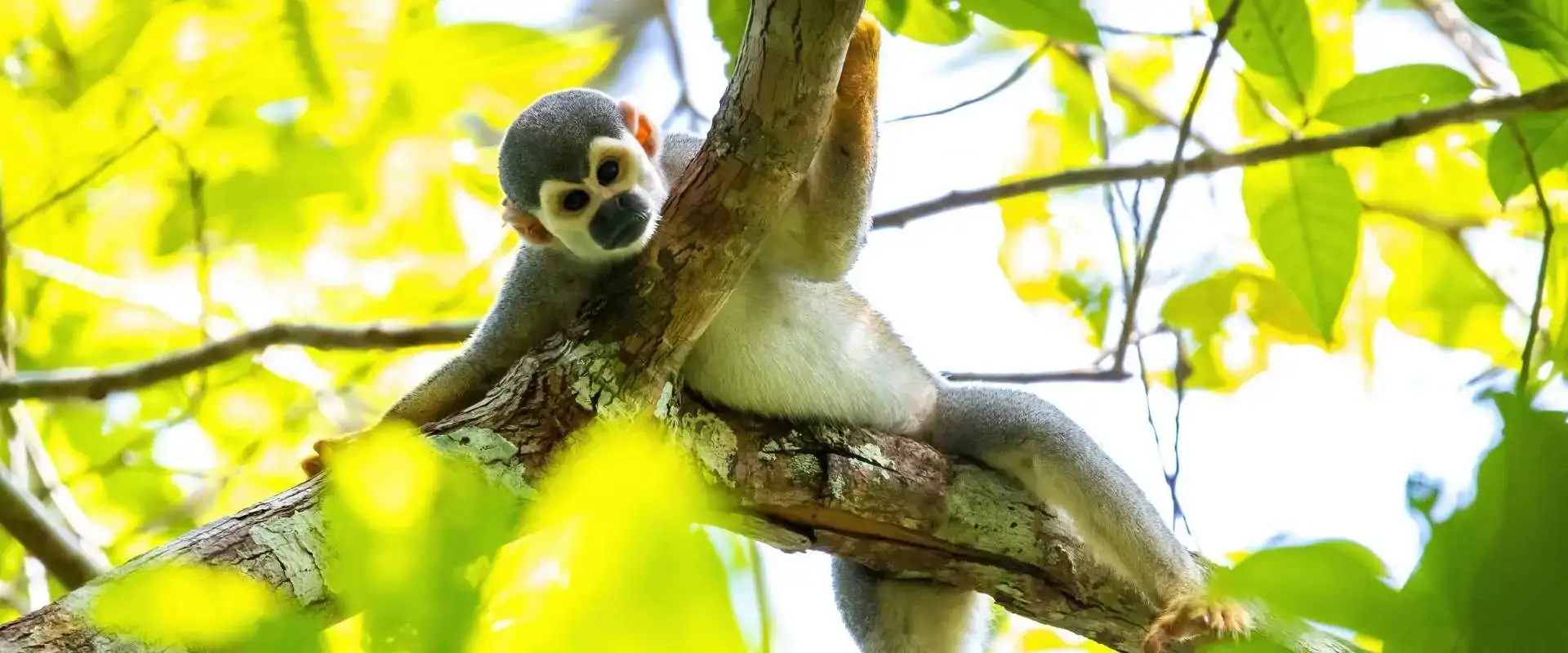
Wildlife Spotting: Monkeys (howler, capuchin, woolly), jaguars (rare), caimans, anacondas, pink river dolphins, giant otters, and hundreds of bird species. Lodges near rivers have better mammal viewing; canopy platforms offer bird access.
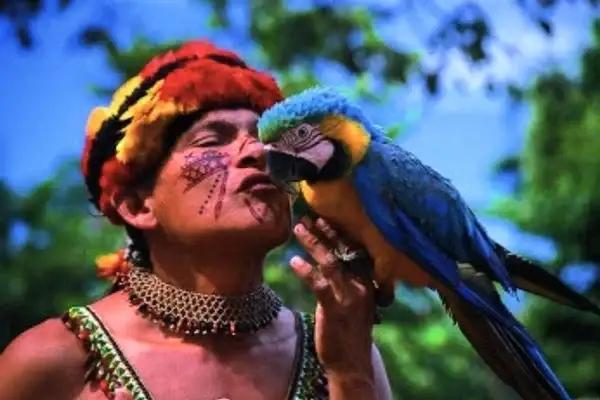
Indigenous Community Visits: Many lodges arrange visits with indigenous communities (Quichua, Shuar, others). These experiences range from authentic cultural exchange to simplified tourist activities. Quality varies; ask lodge recommendations carefully.
Fishing: Some lodges offer fishing expeditions. This is less wildlife-focused tourism and more recreational activity.
Choosing a Lodge: Key Considerations
Budget: Clear budget limits determine available options. Budget lodges can be excellent; luxury doesn’t guarantee better wildlife encounters.
Duration: 3-5 days is standard. Shorter stays feel rushed; longer stays allow better wildlife acclimatization and viewing. 4-5 day stays are ideal.
Activity Level: If comfort is priority, luxury lodges with guided activities eliminate roughing-it. If immersion is priority, budget lodges offer authenticity.
Wildlife Interest: Birders should select lodges with canopy platforms and specialized bird guides. General wildlife tourists are served adequately by mid-range operations. Macaw enthusiasts should ask about clay licks and parrot activity.
Guide Quality: Critical factor. Request information about guide training and experience. English-speaking guides are common in mid-range and luxury lodges; budget lodges may have Spanish-only guides.
Environmental Practices: Ask about sustainability practices, water/waste management, and community relationships. Responsible tourism matters if these values align with yours.
Wildlife Encounter Reality Check
Expectation management is important: you won’t see every species, you may not see jaguars or other mega-fauna, and wildlife encounters are unpredictable. However, you’ll almost certainly see monkeys, birds, river dolphins (in river-based areas), and smaller creatures. The jungle is not a zoo—wild animals don’t perform on schedule.
Experienced guides maximize encounters, but luck remains essential. Early morning walks, river activities, and longer stays improve encounter frequency.
Practical Information
Accessible From: Quito (via flights to Coca or other jungle access towns) or overland via Ecuador’s interior. Flights take 45 minutes; overland takes 6-8 hours. Most lodges arrange transfers from access points.
Costs Beyond Lodging: Flights from Quito ($150-300 USD round-trip), lodge package typically includes meals, activities, and guides ($100-400 USD daily all-inclusive depending on lodge).
Health Precautions: Malaria is present in some Amazon areas. Antimalarial medications are recommended. Yellow fever vaccination is standard travel advice. Insect repellent is essential. Proper clothing (long sleeves, pants) minimizes bites.
Language: Spanish is primary; English is common in mid-range and luxury lodges. Budget lodges may have limited English.
Best Time to Visit
- Dry Season (June-August): Water levels are lower, concentrating wildlife near remaining water. Visibility is better for spotting animals. This is peak season; prices are higher and lodges fill.
- Wet Season (December-March): More flooding, harder wildlife spotting, but fewer tourists and lower prices. Some lodges close or reduce capacity. Adventure travelers often prefer this season’s authenticity.
- Shoulder Seasons (April-May, September-November): Good balance of wildlife activity and tourism pressure. Often the best time to visit for combination of experience quality and manageable crowds.
Cost Breakdown
- Flight to Amazon region: $150-300 USD round-trip from Quito
- Lodge per night (all-inclusive): $70-400+ USD depending on lodge category
- 5-day Amazon trip total: $500-2,500 USD per person depending on lodge selection
Is Amazon Lodge Tourism Worth It?
Yes, with caveats. The Amazon is genuinely unique, wildlife encounters are possible, and the experience is memorable. However, expectations should be realistic about wildlife viewing and comfort levels. Budget travelers get value at $70-120 USD all-inclusive lodges. Mid-range travelers ($150-250 USD) get excellent balance. Luxury travelers ($350+ USD) get comfort alongside jungle immersion.
The best choice depends on budget, priorities, and realistic expectations. Even budget lodges in Ecuador’s Amazon provide legitimate jungle experiences at accessible prices.
Looking for more on Ecuador Amazon Lodges? Browse our related coverage on ecuador amazon lodges guide, ecuador amazon lodges tour, visit ecuador amazon lodges, and reach out to our local experts for personalized planning.