Delicious Typical Amazon Rainforest Food
Amazon rainforest food in Ecuador: maito, chontacuro, frog legs and uchumanka, five jungle drinks, market prices and the towns where locals eat them.

the Quito Trips team, local guides in QuitoUpdated · 7 min read
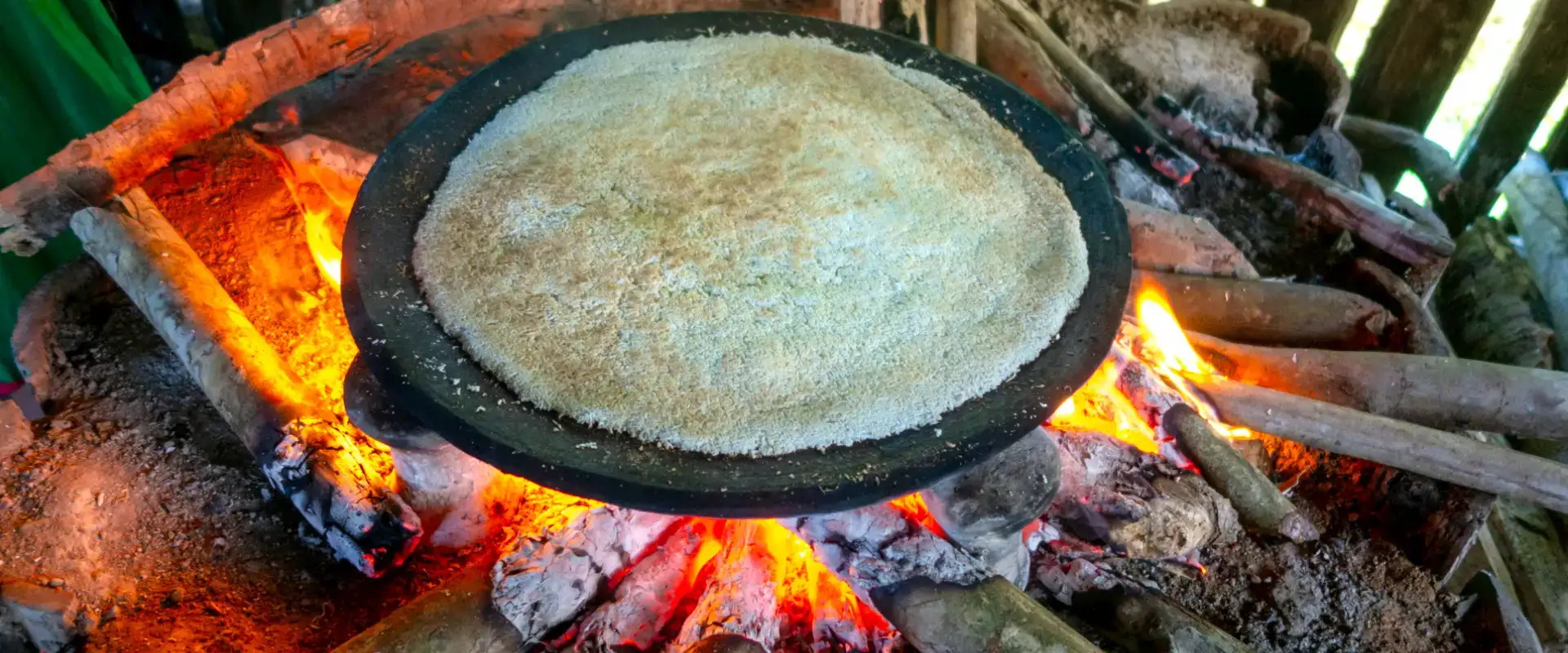
Amazon food in Ecuador has almost nothing in common with Andean food. Expect river fish grilled inside a leaf, palm grubs off the fire, yuca in everything, and drinks made from tree fruit and fermented root. Here is what to order, what it tastes like, what it costs, and what most visitors decline.
Planning the trip itself? This is one chapter of our complete Ecuador Amazon rainforest guide.
The Oriente, as Ecuadorians call the Amazon side of the country, runs from the eastern slopes of the Andes to the borders with Colombia and Peru. Kichwa, Shuar, Cofán, Waorani and Achuar communities live there, and the cooking comes from them: what the river, the chacra (the family plot) and the forest give. Most of the “Amazon food” you read about online is Peruvian or Colombian. Everything below is from the Ecuadorian side, and we say which province it belongs to.
Before you try it
- The markets and weekend fairs of Tena, Puyo and the river towns cook better than hotel restaurants.
- A market lunch is $3 to $5 and a full maito $5 to $8. Bring cash; fair stalls do not take cards.
- If you only have room for two, make them maito and chontacuro. Almost everyone likes the first one. The second is the story you tell at home.
- If a community offers you chicha, take the bowl and drink a sip. Refusing outright is rude.
Ecuadorian Amazon rainforest food: the five classic dishes
Maito de pescado
If you eat one thing in the Oriente, make it this. Maito (the Shuar call it ayampaco) is tilapia or river fish seasoned with salt and annatto, folded into bijao leaves and grilled. The cook warms the leaf first so it bends without tearing, ties the parcel with toquilla straw, and the leaf gives the fish a smoky smell you can’t get from a pot. It comes with yuca, green plantain and heart of palm, and markets charge $5 to $8. The best ones we know are grilled on the riverfront at Misahuallí and at the Tena fair. Not sure where this fits in your itinerary? Send us your dates and we will sort the order out.
Chontacuro
Chontacuro is the larva of the palm weevil, which grows inside the chonta palm. The name is Kichwa for “chonta worm”. At the Tena and Puyo fairs they sell them on a skewer, grilled over coals with a pinch of salt, for $2 to $3. The taste is crunchy outside and creamy inside, a fatty flavor between coconut and pork crackling. Kichwa families have always valued them as protein and fat, and some people eat them raw. For your first one, ask for it well cooked.
Seco de guanta
The guanta (lowland paca) is a large forest rodent, and seco de guanta is its stew, cooked with annatto, cumin and local herbs and served with boiled yuca, rice and fried sweet plantain. It is food for special days. Wild hunting of guanta is regulated, so the meat sold legally at food fairs comes from licensed breeders. If you see it on a menu anywhere else, it is fair to ask where it came from.
Ceviche de palmito
The Amazon version of ceviche has no fish. Fresh heart of palm, the soft core of the palm, is sliced and cured with lime juice, tomato, red onion and cilantro. It is light, vegetarian, and welcome after a few days of grilled food. You also find it on the coast, but in the Oriente the palm is cut that week and the texture shows it: soft, nearly sweet, a little nutty.
Caldo de corroncho
The corroncho is a small armored river catfish that looks like a living fossil. Its broth is a Shuar dish served at festivals: the white meat simmers with yuca, green plantain, garlic, cilantro and annatto until everything is soft. Some cooks wrap it in bijao instead. Outside the Oriente you will almost never see it, so order it when you do.
The three strangest: frog legs, uchumanka and sarapa soup
Chontacuro tops every list of odd jungle food, but it has company. These three rarely make the guidebooks. You find them in the markets of the south and in river communities, and one of them you should not order at all.
Frog legs (ancas de rana)
Frog legs are the signature plate of Zamora Chinchipe, the southern Amazon province. Most places bread and deep-fry them, broaster style; some cook them in garlic. The meat is white and mild, and nearly everyone who tries it says it tastes more like chicken than fish. If your route goes down from Loja to Zamora, this is what to order there.
Uchumanka
In Kichwa, uchu is chili and manka is pot, so uchumanka is a “chili pot”. It is a spicy soup of smoked fish or chicken with heart of palm, forest mushrooms and white cacao seeds, eaten with yuca and green plantain. It used to be party food in Kichwa communities and you still find it in Orellana, at around $5 a bowl in the market.
Sarapa soup: the one to skip
Sarapa soup is turtle meat cooked inside its own shell and served with yuca and plantain; across the border in Peru it is called sarapatera. It is an old dish from the Tena area. The catch is that Amazon river turtles such as the charapa are protected, and trading in them is illegal in Ecuador. If someone offers it, say no. We list it because it shows up on every Amazon food list, not so you go looking for it.
Local guide and driver, every day
12 Day Ecuador and Galapagos Tour
Andes, Amazon and Island Hopping
- 12 days
- Medium effort
From $2,690 per person
Andes, Amazon and Galápagos Island Hopping: 12 Day Tour
Ecuador
Amazon Rainforest Tour Ecuador
5 Days from Quito to Tena
- 5 days
- Medium effort
From $700 per person
Typical drinks of the Ecuadorian Amazon
Chicha de yuca
No drink matters more in community life than chicha de yuca. Cooked yuca is mashed with a wooden tool the Shuar call takana miku and left to ferment overnight. Traditionally the women of the house chew part of the yuca to start the fermentation; it is an old technique, so treat it with respect rather than jokes. The longer it sits, the stronger it gets. Offering chicha is how Kichwa and Shuar families welcome a guest. If they hand you the bowl, take it with both hands and drink at least a sip. Many communities now make a ground version for visitors, in case the chewing put you off.
Sinchicara
Sinchicara is the medicinal drink of Sucumbíos: cane liquor steeped with chuchuguaso, cat’s claw, guayusa, lemon verbena and other forest plants. Communities drink it at celebrations and recommend it for sore joints and cold bones. Take that as tradition, not as medical advice. It is sold bottled in the towns of the province and makes a very Amazon souvenir.
Guayusa tea
Guayusa (Ilex guayusa) is the Amazon’s wake-up leaf. It has caffeine and theobromine, and Kichwa families drink it before dawn around the fire, the old “guayusa hour”. You can try it in any community or buy dried leaves in bags at the Tena market. If caffeine keeps you awake, drink it in the morning and not with dinner.
Chicha de chonta
When the chonta palm fruits, the Shuar, Kichwa and Cofán hold the chonta festival. The orange fruit is boiled, peeled, ground on a stone and left to ferment overnight, and the Shuar give thanks to Nunkui, the spirit of the gardens. The chicha is thick and strong. Drinking it in season, roughly February to April, is one of the best cultural experiences in the Oriente.
Guarapo de caña
Around Puyo and along the Pastaza roads you will see trapiches pressing sugarcane on the spot. That fresh juice is guarapo, and a glass costs about $1. Fresh, it is sweet and cold. Left to ferment for a few days it becomes something much stronger, a cousin of aguardiente.
How much does Amazon food cost?
| What you order | Price | Where |
|---|---|---|
| Set lunch (soup, main, juice) | $3 to $5 | Markets |
| Maito with yuca and plantain | $5 to $8, depending on size | Tena fair, Misahuallí riverfront |
| Skewer of grilled chontacuros | $2 to $3 | Tena and Puyo fairs |
| Uchumanka | About $5 | Orellana markets |
| Glass of fresh guarapo | About $1 | Roadside trapiches in Pastaza |
| Chicha in a community | Not sold by the glass | Part of the visit, or offered as a welcome |
| Main course at a tourist restaurant | $8 to $15 | Tena and Puyo |
Where to try Amazon food in Ecuador
| Place | Province | What to order |
|---|---|---|
| Tena | Napo | Maito and chontacuro at the fair and the central market; weekends have twice the stalls |
| Misahuallí | Napo | Maito grilled by the beach, 40 minutes from Tena |
| Puyo | Pastaza | Guarapo from the trapiches, maito on the riverside walk, the volquetero |
| Towns of Sucumbíos | Sucumbíos | Bottled sinchicara |
| Orellana communities | Orellana | Uchumanka |
| Macas and Shuar towns | Morona Santiago | Ayampaco |
| Zamora | Zamora Chinchipe | Frog legs |
The rule in the Oriente is simple: the closer you eat to the market, the better and cheaper it gets. For the rest of the country’s cooking, see our guide to Ecuadorian food by region.
Quick answers
What is the typical food of the Ecuadorian Amazon?
Maito de pescado is the signature dish: tilapia grilled inside a bijao leaf with yuca and plantain. After it come chontacuro grubs, seco de guanta, palm heart ceviche and caldo de corroncho. The usual drinks are chicha de yuca and guayusa tea.
What are the strangest foods in the Ecuadorian Amazon?
Chontacuro, the palm grub grilled on a skewer, is the famous one. Frog legs from Zamora Chinchipe and uchumanka, a spicy smoked-fish soup from Orellana, come next. Sarapa soup is made with river turtle, a protected species, so do not order it.
What does chontacuro taste like?
Grilled, it is crunchy outside and creamy inside, with a fatty taste somewhere between coconut and pork crackling. The name is Kichwa for chonta worm. Order it well cooked the first time.
How much does food cost in the Amazon?
At markets, a full set lunch is $3 to $5, a maito $5 to $8 and a skewer of chontacuros $2 to $3. A main course at a tourist restaurant in Tena or Puyo runs $8 to $15.
Where can I try Amazon food in Ecuador?
At the markets and weekend fairs of Tena and Puyo, on the riverfront at Misahuallí, and in Napo communities that run their own tourism. Weekends bring more stalls and more choice.
Keep reading
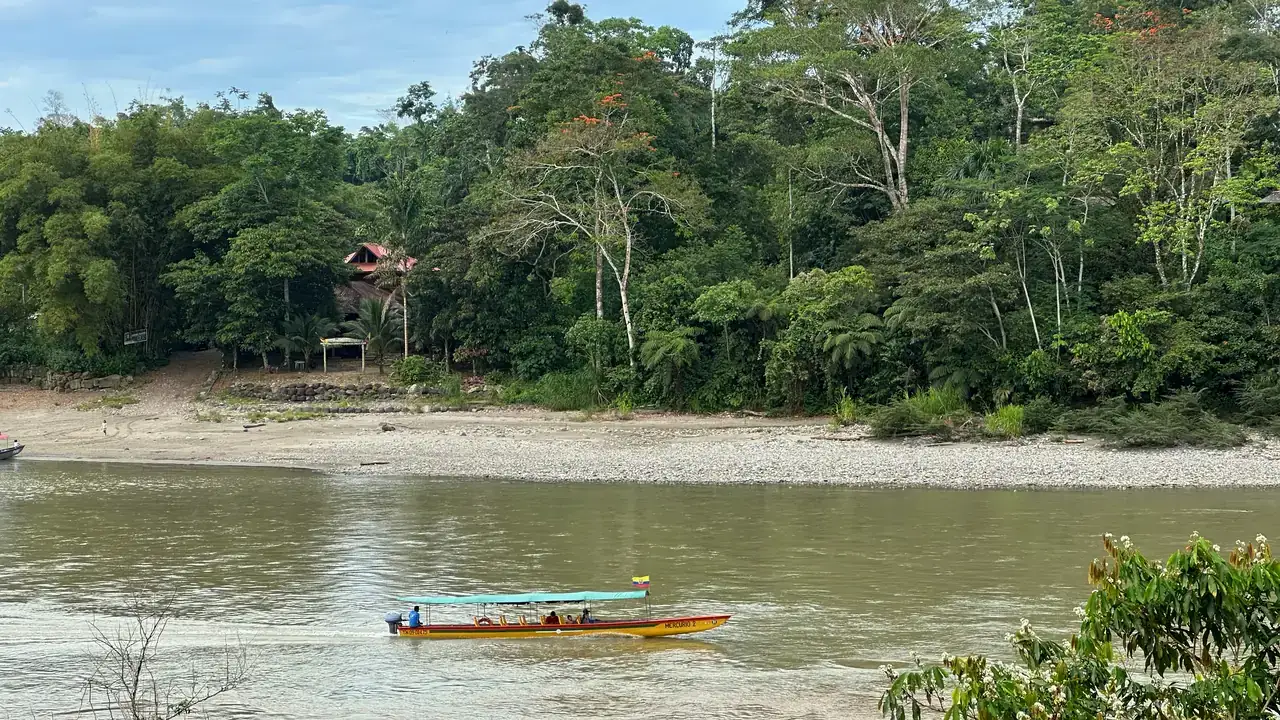 Ecuador Amazon Rainforest: Where to Go, What It Costs and WhenEcuador Amazon rainforest guide from local guides in Quito: Tena, Cuyabeno and Yasuní compared, with lodge prices and the best months to go.
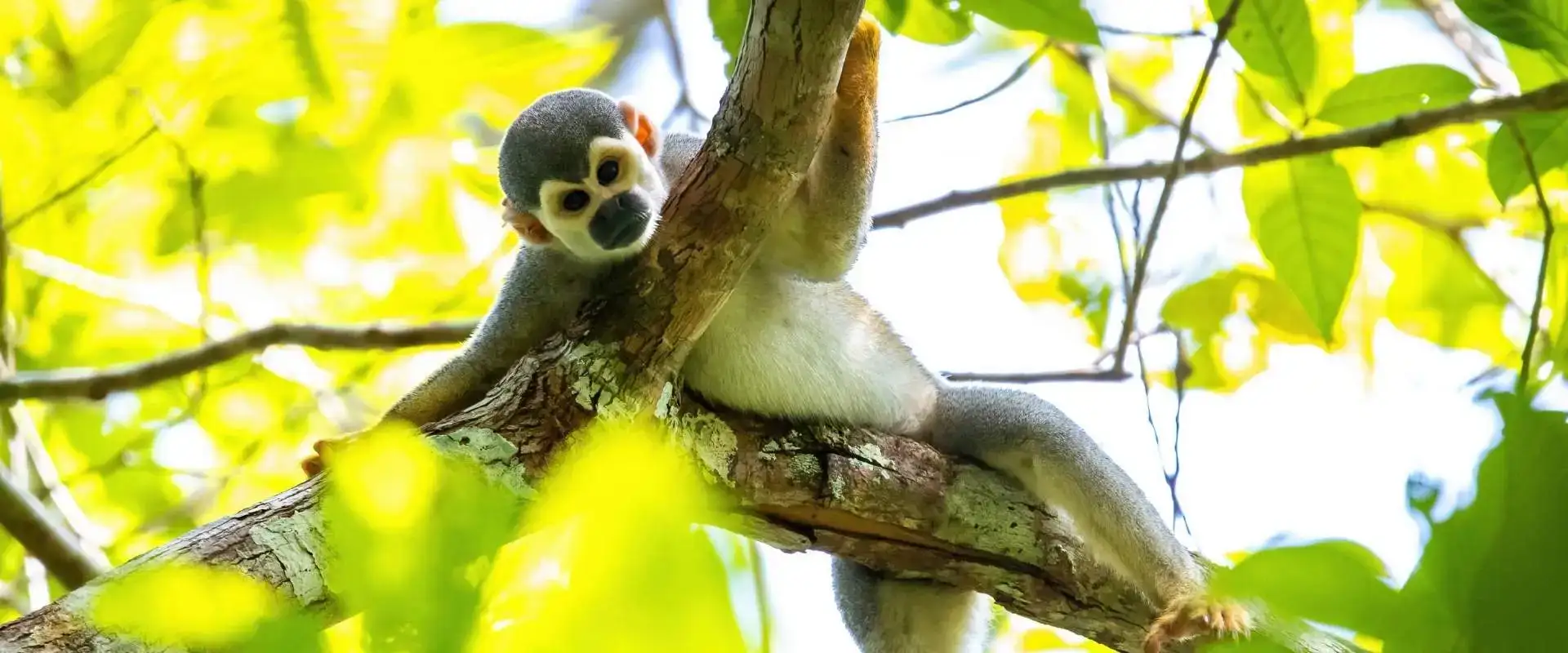 How to Visit the Amazon Rainforest: Which Country, How Long and What It CostsHow to visit the Amazon rainforest: which country to choose, how many days you need, what it costs and when to go, from guides based in Ecuador.
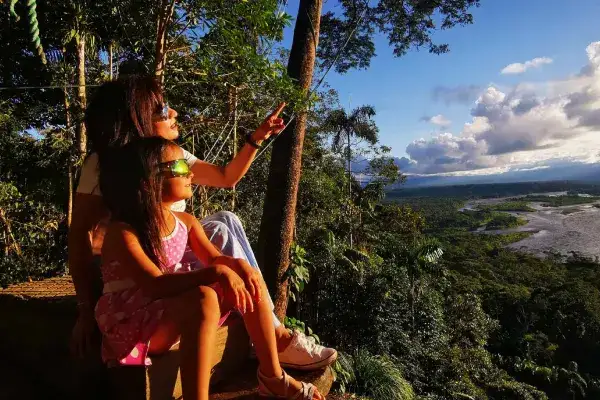 Puyo Ecuador: The Easiest Amazon Town to ReachPuyo Ecuador is 90 minutes from Baños and the cheapest door into the Amazon. What to see in 2 days, what it costs, and who should skip it.