Cuyabeno Reserve Ecuador: Incredible Budget Amazon Guide 2026
Cuyabeno Facts
- Largest lake system in Amazon Ecuador
- Best budget option ($50-$150/night lodges)
- Amazing wildlife: pink dolphins, caiman, giant otters
- Access: Coca → Cuyabeno villages → lakes (4-5 hours)
- Perfect for: Budget travelers, families, lake experiences
If you want the Amazon without spending a fortune, Cuyabeno’s your place. I know what you’re thinking―budget Amazon tours sound sketchy. But I’ll be straight with you: Cuyabeno offers some of the best value in Ecuador’s rainforest. The lakes here are stunning, the wildlife’s incredible, and the local guides know this territory better than anyone. Over the years, I’ve brought hundreds of budget travelers through Cuyabeno, and almost every one tells me it was the best money they spent in Ecuador. Let me show you why this reserve deserves your attention and how to make the most of it without breaking the bank.
What Makes Cuyabeno Different
Cuyabeno’s not Yasuni. It’s something else entirely, and that’s actually great:
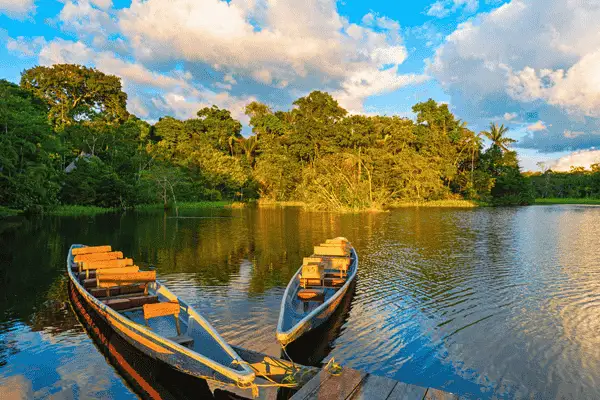
Lake-Focused Experience – While most Amazon tours center on rivers, Cuyabeno’s built around the largest lake system in Ecuador’s Amazon. That means different wildlife viewing, different ecosystems, and a different vibe. Pink river dolphins love these lakes. Caimans gather by the thousands. Giant river otters hunt in the channels.
Budget-Friendly Infrastructure – The lodges here have figured out how to deliver quality experiences affordably. They work with local guides, buy locally, and keep overhead low. That savings gets passed to you.
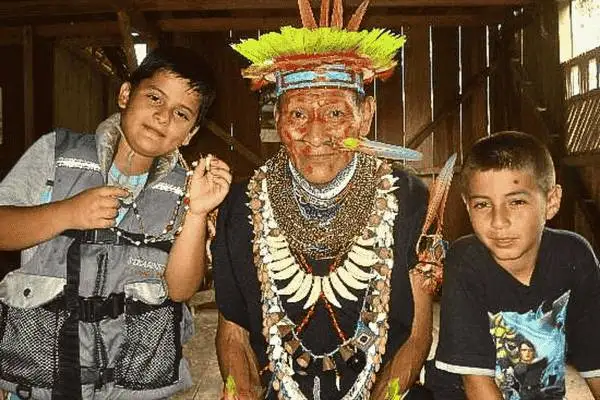
Indigenous Communities – The Siona people have lived in Cuyabeno for generations. Many lodges partner with Siona guides and communities. You’re not just seeing nature; you’re learning how indigenous peoples live in the forest.
Less Touristy – Cuyabeno gets fewer international tourists than Yasuni or the main Coca lodges. You’ll see less crowding on canoes and more authentic community interactions.
Geography: The Lakes System
Understanding Cuyabeno’s geography helps you appreciate it more:
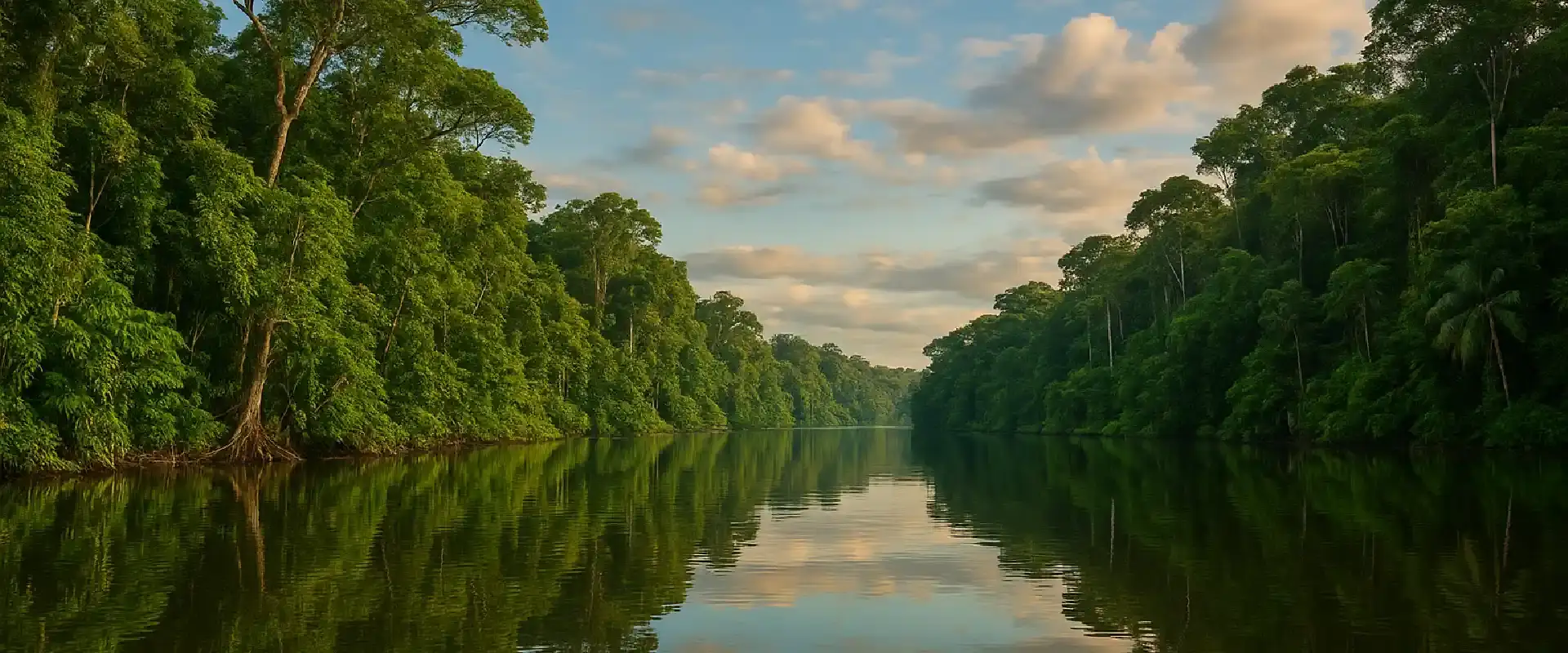
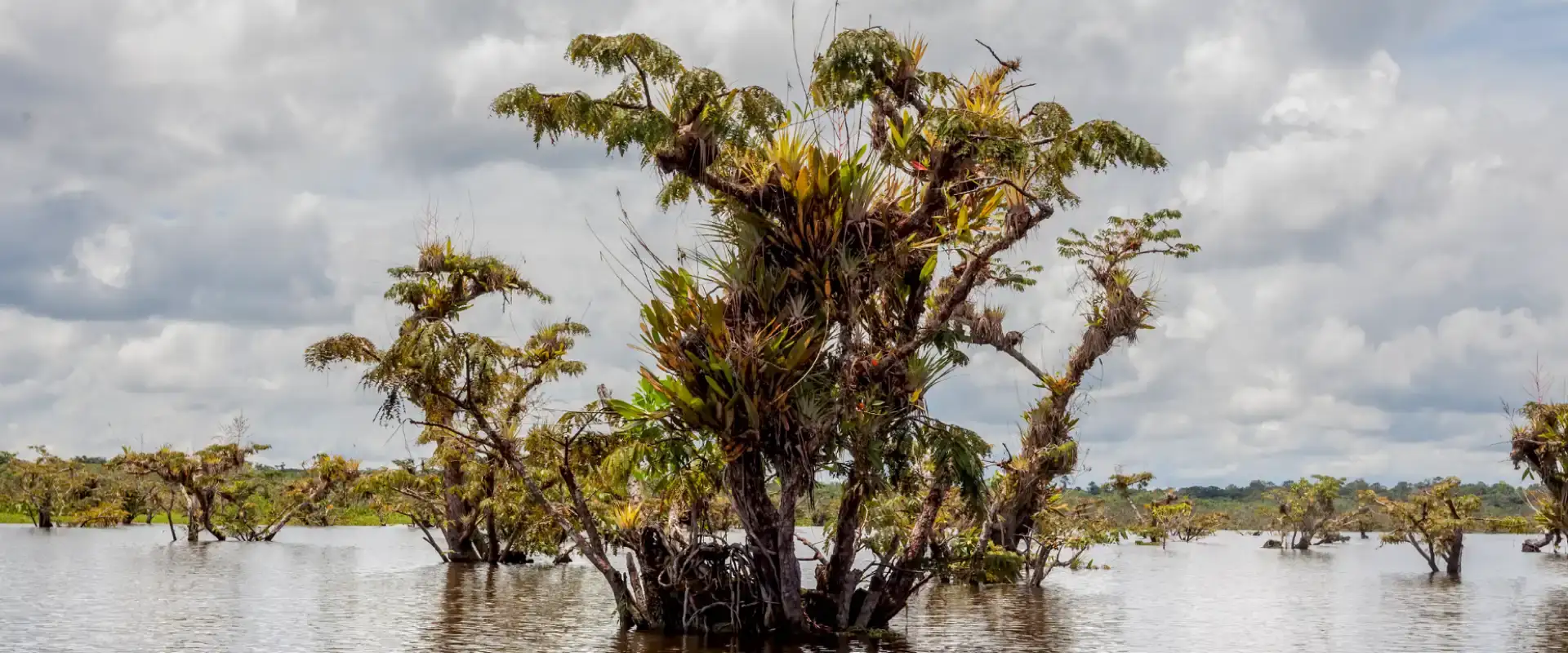
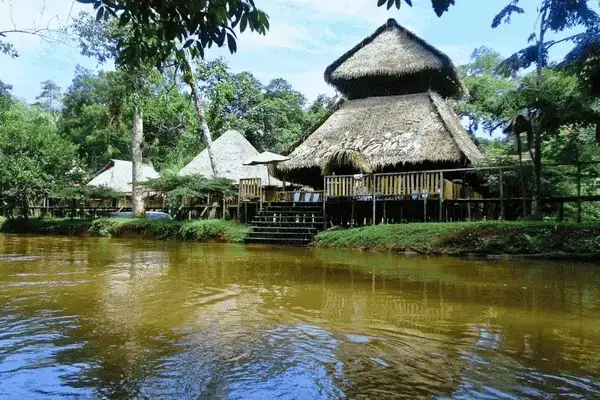
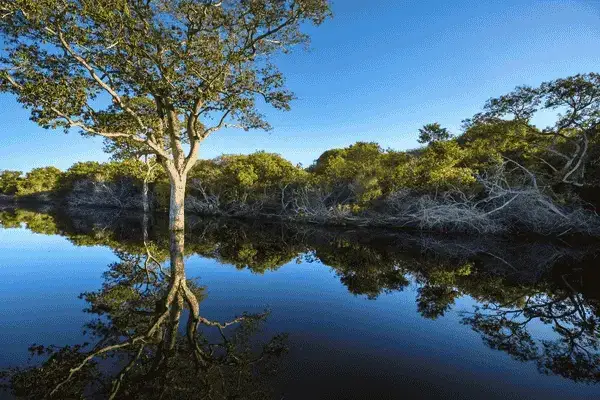
The reserve contains the Laguna Grande and Laguna Canales, connected by channels and waterways. During the dry season (June-July), water levels drop and wildlife concentrates. During wet season (April-May, September-November), water spreads out but access is easier. The landscape is a mosaic of channels, lagoons, and flooded forest. Early morning canoe rides through these channels are magical—mist rising, birds waking, dolphins feeding. Planning the wider trip? Send us your dates and we will put the route together.
Wildlife in Cuyabeno
What’ll you see? Cuyabeno’s known for specific encounters:
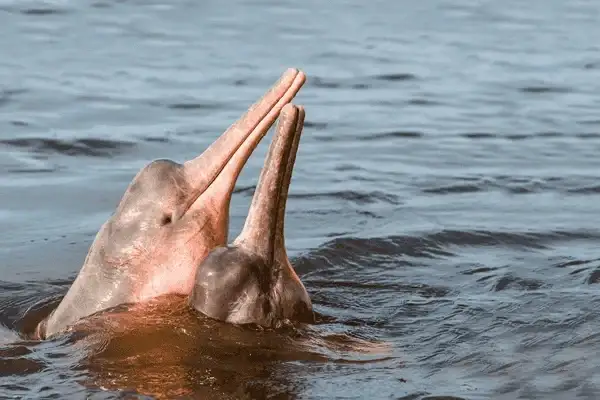
Pink River Dolphins – I guarantee you’ll see them. The channels are perfect dolphin habitat. They’re curious, playful, and absolutely beautiful.
Caimans – Hundreds live in the lagoons. Black caimans, spectacled caimans, sometimes caiman gatherings in the thousands during dry season. It’s surreal.
Giant River Otters – Less common than dolphins but present. When you see them hunting, you understand why they’re called “river wolves.”
Birds – Over 500 species. Macaws, parrots, herons, kingfishers, hummingbirds. The bird-watching is world-class.
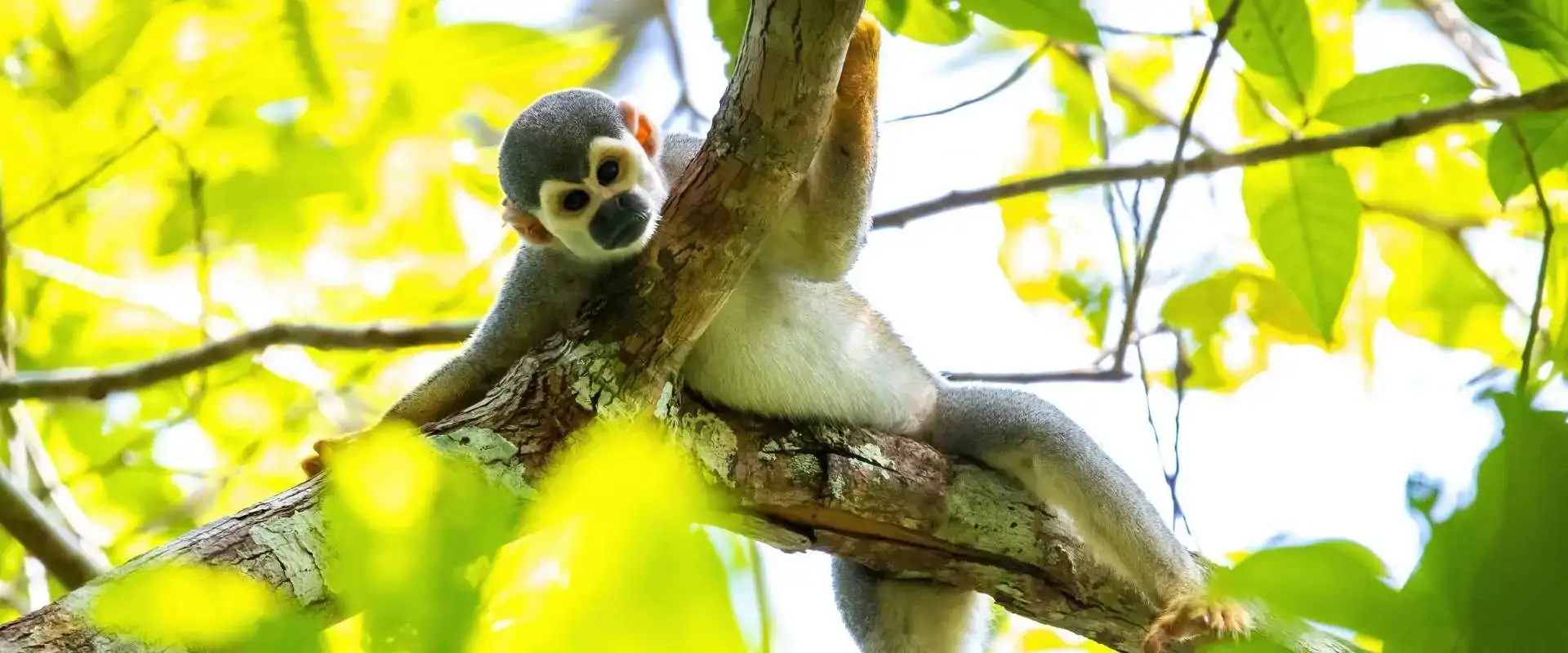
Monkeys – Howler monkeys, capuchins, spider monkeys. Their calls echo across the water.
Anacondas – They exist here. I’ve seen trails where they’ve moved through water. Rare to see one, but you’re in their home.
Budget Lodges: What You Actually Get
Budget doesn’t mean terrible. Here’s what Cuyabeno lodges actually offer:
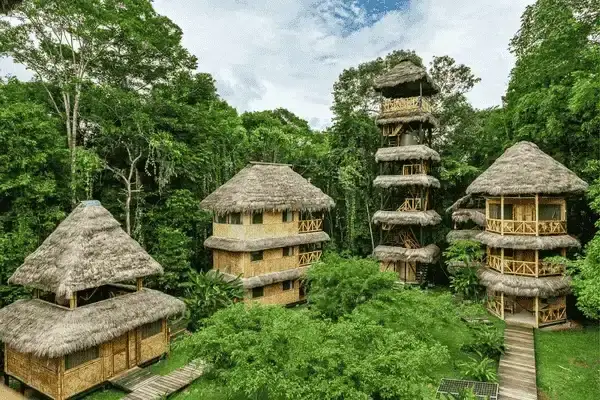
Accommodation – Simple screened cabins with mosquito nets. Usually one to four beds per cabin. Shared or private bathrooms (depends on lodge). Clean, functional, and honest.
Meals – Cooked fresh, usually local ingredients with some international options. Breakfast, lunch, dinner. Snacks throughout the day. Not fancy, but filling and tasty. I’ve had better meals at budget Cuyabeno lodges than expensive places elsewhere.
Guides – Local experts, usually Siona or other indigenous guides. They know the forest intimately. Maybe they don’t speak perfect English, but they understand animal behavior and can navigate by instinct.
Activities – Early morning canoe rides, afternoon activities, evening spotlight tours. Same activities as expensive places; just fewer frills.
Typical Cost – $50-$120 per night including meals and guided activities. That’s incredible value.
Typical Cuyabeno Itinerary
Here’s what a standard 4-day Cuyabeno trip looks like:
Day 1 – Fly Quito to Coca morning. Transfer to Cuyabeno region (long boat ride). Arrive late afternoon. Settle in, dinner, early sleep (you’ll be exhausted).
Day 2 – Wake 5:30 AM. Morning canoe ride to spot pink dolphins and birds. Breakfast. Noon activity (maybe jungle walk). Afternoon canoe ride. Dinner, maybe night spotlighting.
Day 3 – Another round of morning and afternoon activities. Morning: early canoe ride and bird-watching. Afternoon: perhaps a walk in flooded forest or visit to local community. Evening: night canoe ride.
Day 4 – Early morning activity, then prepare for departure. Transfer back to Coca. Flight back to Quito evening.
Pro tip: Add a Day 5 if possible. It allows deeper exploration and doesn’t feel rushed.
Dry vs. Wet Season in Cuyabeno
Season affects your experience significantly:
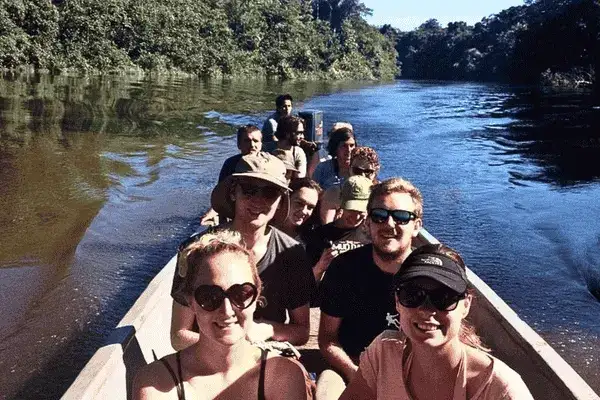
Dry Season (June-July, December-January) – Water levels drop. Caimans and dolphins concentrate in deeper channels. Wildlife viewing from canoes is fantastic. But some flooded forest areas become inaccessible. Lodges might be harder to reach if water’s very low.
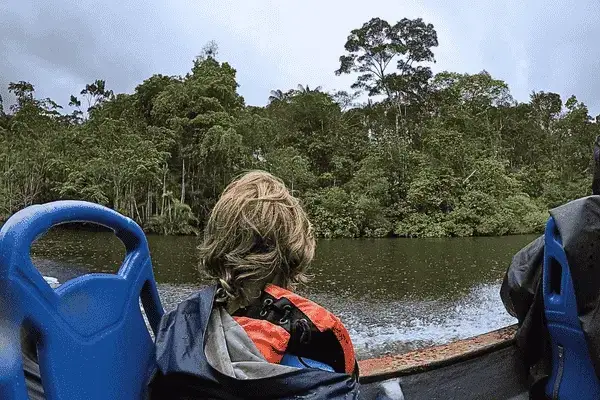
Wet Season (April-May, September-November) – Water’s high. All areas are accessible. Activities are varied. Fewer tourists, lower prices. The forest is verdant and dramatic. You’ll get rained on, but that’s part of the experience.
Sweet Spots – June (transition to dry), September (beginning of wet). You get decent wildlife viewing and manageable water levels.
Community and Cultural Aspects
Cuyabeno’s not just about nature. The people make it special:
Many lodges organize visits to Siona communities. You’ll learn about traditional knowledge, medicinal plants, hunting techniques, and how they live in the forest. These aren’t tourist attractions; they’re real communities sharing their lives. Purchasing local crafts and paying fair prices supports these communities directly. Some lodges employ guides from the same villages they’re located in. That creates accountability and authentic interactions. If conservation matters to you, supporting Cuyabeno lodges supports communities protecting their land.
Cuyabeno vs. Other Amazon Options
How does Cuyabeno compare?
Cuyabeno vs. Yasuni: Yasuni’s more remote and has higher biodiversity per hectare. Cuyabeno’s more accessible and better value. Both are spectacular; it depends on your priorities.
Cuyabeno vs. Coca lodges: Coca lodges are more touristy and established. Cuyabeno’s less crowded and cheaper. Similar wildlife viewing; different atmosphere.
Best for: Budget travelers, families, first-timers, lake-lovers, and anyone who wants authentic Amazon without premium pricing.
| Factor | Cuyabeno | Yasuni | Coca |
|---|---|---|---|
| Budget Lodges Available | Yes (best value) | Some | Few |
| Wildlife Diversity | Very High | Highest | High |
| Accessibility | Good | Moderate | Excellent |
| Tourist Density | Low | Low-Med | Medium-High |
| Avg Cost/Night | $75 | $200 | $180 |
LOCAL GUIDE AND DRIVER, EVERY DAY
12 Day Ecuador and Galapagos Tour: Andes, Amazon and Island Hopping
The Andes and the Amazon with your own guide and driver from Quito, then a week of island hopping on Santa Cruz and Isabela with a yacht day.
From $2,690 per person
View itineraryAndes, Amazon and Galápagos Island Hopping: 12 Day Tour
Cuyabeno Travel Tips
- Book in advance; budget lodges fill up during peak season
- Bring twice as much bug spray as you think you’ll need
- Pack light; you’re moving through canoes and terrain
- Learn a few Spanish words; guides appreciate the effort
- Tip your guide generously ($10-15/day); they make the difference
- Bring an underwater camera case; water splashes everywhere
- Motion sickness medication if you’re prone to boat nausea
- Sleep early first night; your body’s adjusting to new rhythm

Cuyabeno Reserve Ecuador Questions Answered
Is Cuyabeno safe?
Absolutely. I’ve brought hundreds of people here without issues. Follow your guide’s instructions, respect wildlife, and you’re safe. The forest is safer than most city streets.
Why is Cuyabeno cheaper than other areas?
Simpler infrastructure, local guide employment, and low overhead. It’s not cheap because it’s low quality—it’s cheap because it’s efficiently operated and community-based.
Can I see pink river dolphins in Cuyabeno?
Absolutely guaranteed. The lake channels are perfect pink dolphin habitat. You’ll see them daily.
What’s the group size on tours?
Usually 4-8 people per canoe. Sometimes larger groups split between multiple canoes. Smaller groups are more intimate but might cost more per person.
Can I visit Cuyabeno with kids?
Yes, kids 7+ can handle it. Early mornings are tough, but kids get blown away by dolphins and animals. Some lodges specialize in families.
Experience Cuyabeno Without Breaking the Bank
Ready to explore the lakes and pink dolphins? Check our complete Amazon guide for broader context, or dive directly into Cuyabeno lodge options. Compare it with Yasuni and other Amazon lodges to find your perfect fit.
More Amazon Content
- Complete Amazon Guide
- All Amazon Lodges
- Amazon Tours Comparison
- Yasuni National Park
- Amazon Wildlife