Yasuni National Park Ecuador: Complete Guide 2026
Yasuni National Park Ecuador – Quick Facts
- UNESCO Biosphere Reserve with 1,667 bird species
- Home to jaguars, anacondas, pink river dolphins
- Access: Fly Quito to Coca, then 2-4 hours by boat
- Best time: June-July (dry season for water access)
- Trip cost: $1,500-$4,000 for 5-7 days
Yasuni’s where the Amazon gets real. I’m not exaggerating when I say this park is one of the most biodiverse places on Earth. In a single square kilometer, you’ll find more species than exist in entire countries. I’ve spent weeks in Yasuni, and every day brings something new yesterday a harpy eagle, today a jaguar track, tomorrow who knows. It’s the crown jewel of Ecuador’s Amazon, and if you’re serious about the rainforest, Yasuni needs to be on your radar. Let me walk you through why it’s special, how to get there, what to expect, and exactly how to make the most of your time in this magnificent protected area. Not sure how to fit this into a trip? Tell us your dates and we will map it out.
Why Yasuni National Park Is Special
Numbers don’t capture the magic, but they tell part of the story. Yasuni covers 982,000 hectares of pristine rainforest. It’s a UNESCO Biosphere Reserve one of the most important on the planet. Here’s what makes it unique:
- Species Density – This place has more biodiversity per hectare than almost anywhere else. We’re talking 1,667 bird species (roughly 9% of all birds on Earth). Over 200 species of mammals. Amphibians and reptiles that scientists are still discovering. Pink river dolphins. Giant river otters. Jaguars. Anacondas. All in one park.
- Indigenous Communities – The Kichwa and Shuar people have lived here for centuries. Some groups prefer isolation (the park respects this). Others welcome researchers and visitors. This isn’t just a nature preserve; it’s a cultural landscape with living traditions.
- Undisturbed Ecosystem – Large parts of Yasuni are genuinely remote. You’ll see animals that haven’t seen humans before. That changes you.
- Conservation Status – Ecuador protects this park fiercely. There are oil operations nearby, but the core is protected. Climate change is a threat, but the park’s management is proactive.
Geography and Access
Yasuni isn’t just one place it’s a vast landscape. Understanding the geography helps you plan better:
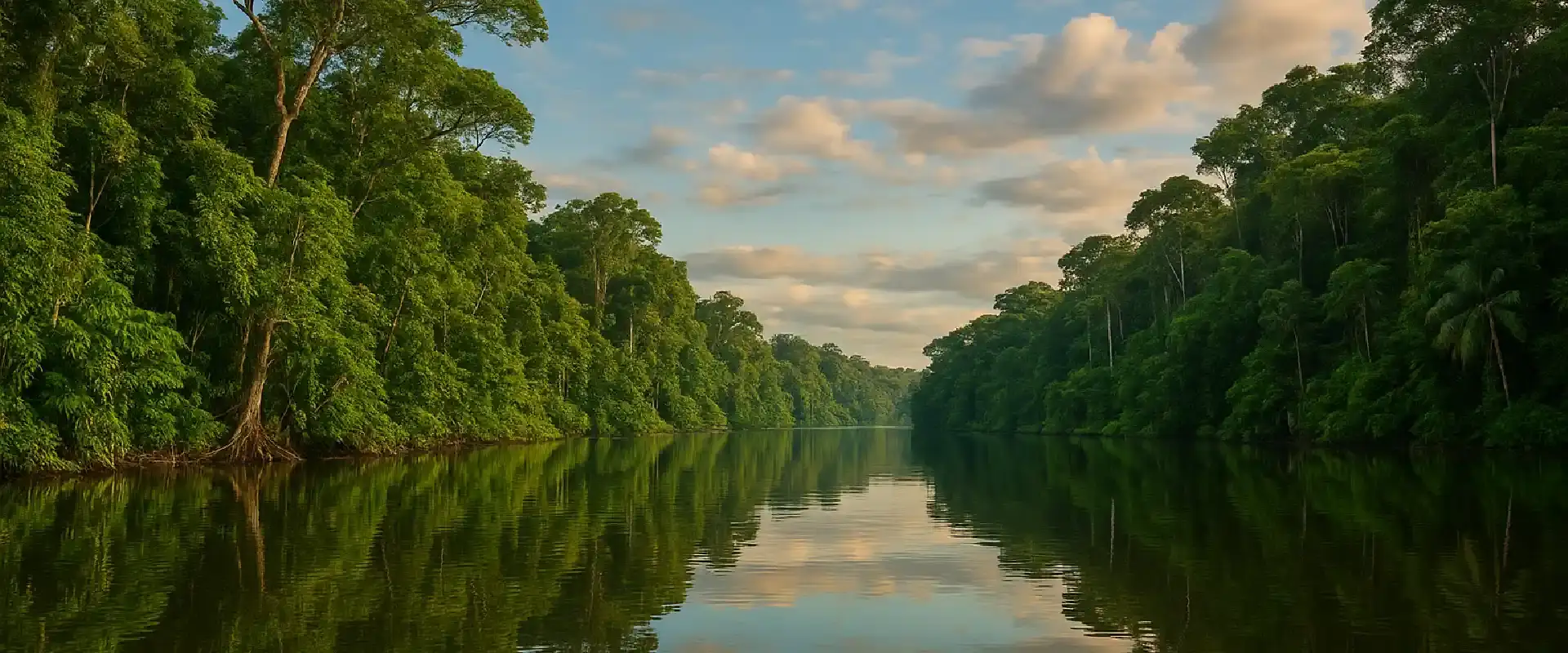
- The Napo River Zone – Most accessible. The Napo flows through the park’s northern section. Most lodges are along or near this river. Access from Coca is 2-4 hours by boat. This is where most tourists go, and it’s phenomenal.
- The Interior Zone – Deeper, more remote. Access requires multi-day expeditions. You’ll see fewer tourists and more pristine forest. For serious explorers.
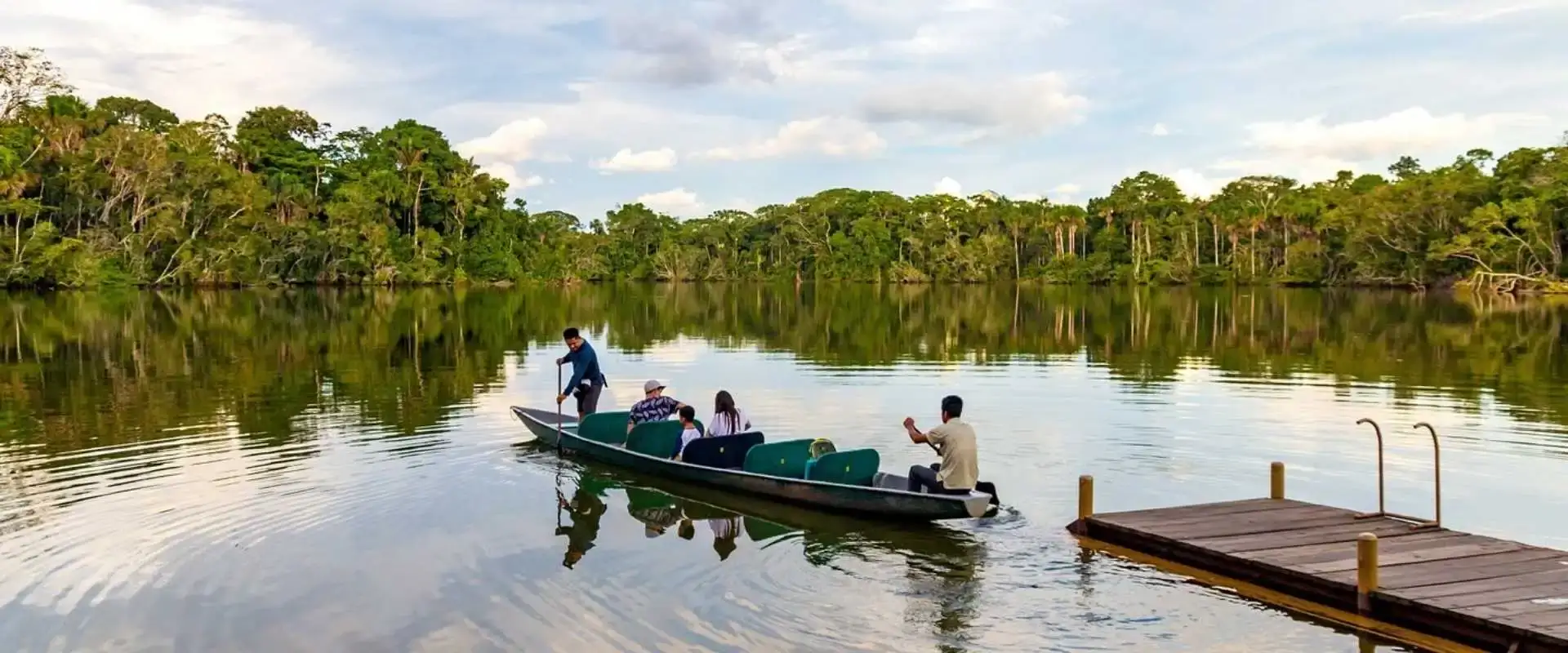
- The Yasuni Lagoons – Lakes within the park that offer different ecosystems. Pink river dolphins love these areas. Lagoon-based lodges give you lake canoe trips alongside river trips.
- To get to Yasuni: Quito → Flight to Coca (2 hours) → Boat into the park (2-4 hours). Most visitors base themselves at a lodge along the Napo River.
Wildlife You’ll See in Yasuni
This is the real draw. What can you actually expect to see?
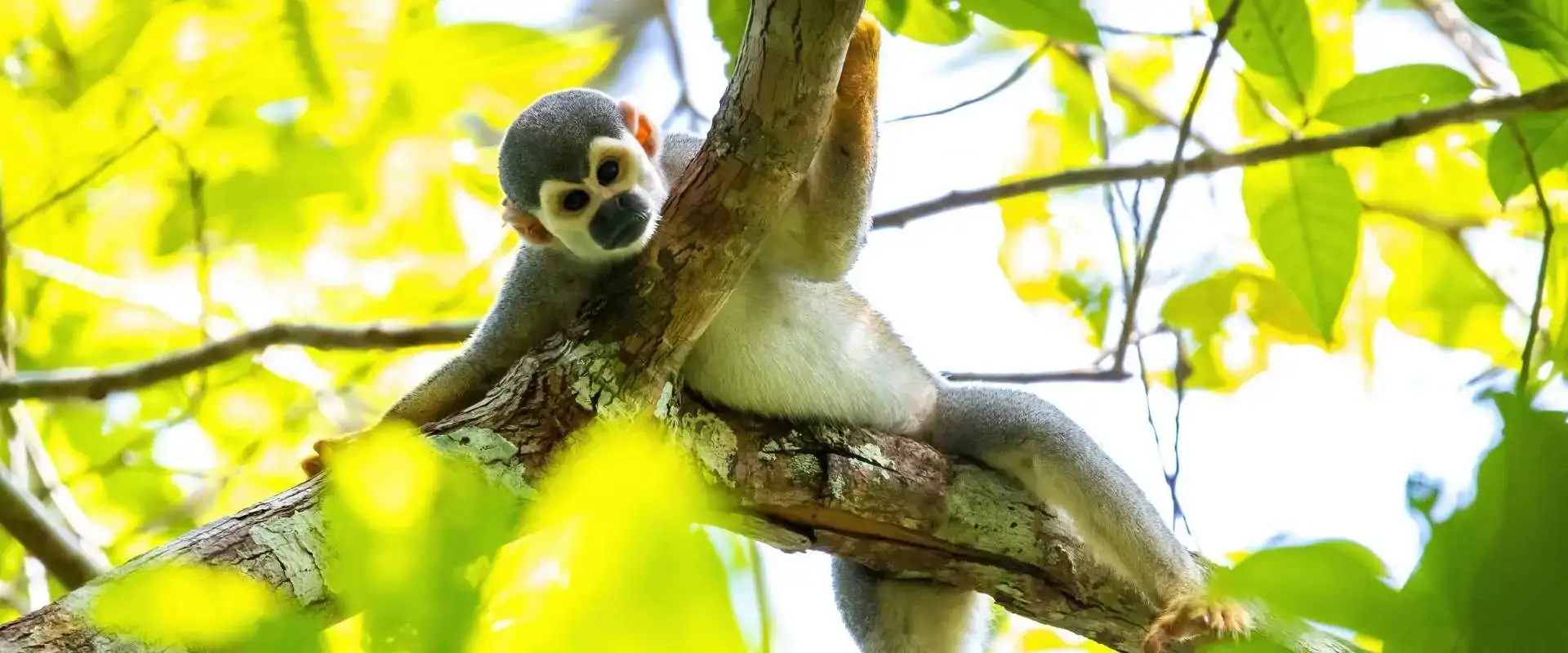
- Very Likely: Pink river dolphins (I guarantee it), giant river otters, caimans, macaws, parrots, thousands of birds, poison dart frogs, monkeys (howler, capuchin, spider monkeys), sloths, anacondas.
- Likely: Jaguars (if you’re patient and lucky), tapirs, peccaries, giant anteaters, harpy eagles, river turtles.
- Possible but Rare: Giant otters (increasingly rare), black jaguars, anacondas over 5 meters.
- The Numbers Game: On a typical 5-day trip, you’ll see 100+ bird species, multiple mammal species, countless insects and frogs. The biodiversity is overwhelming.
Seasons and Best Time to Visit
Dry Season (June-July, December-January):
Water levels drop, making access slightly tricky but wildlife viewing excellent. Animals concentrate near water. Lower water means clearer canoe rides. Lodges are busier; book ahead. This is my preferred season for serious wildlife seeing.
Wet Season (April-May, September-November):
Rivers are high and flowing. Access is easy, and activities are varied. Pink river dolphins are more active during water fluctuations. Fewer tourists, lower prices. The rainforest is literally dripping wet, which is atmospheric.
Best Month Overall:
June. The dry season is starting, wildlife is active, and prices are reasonable compared to July.
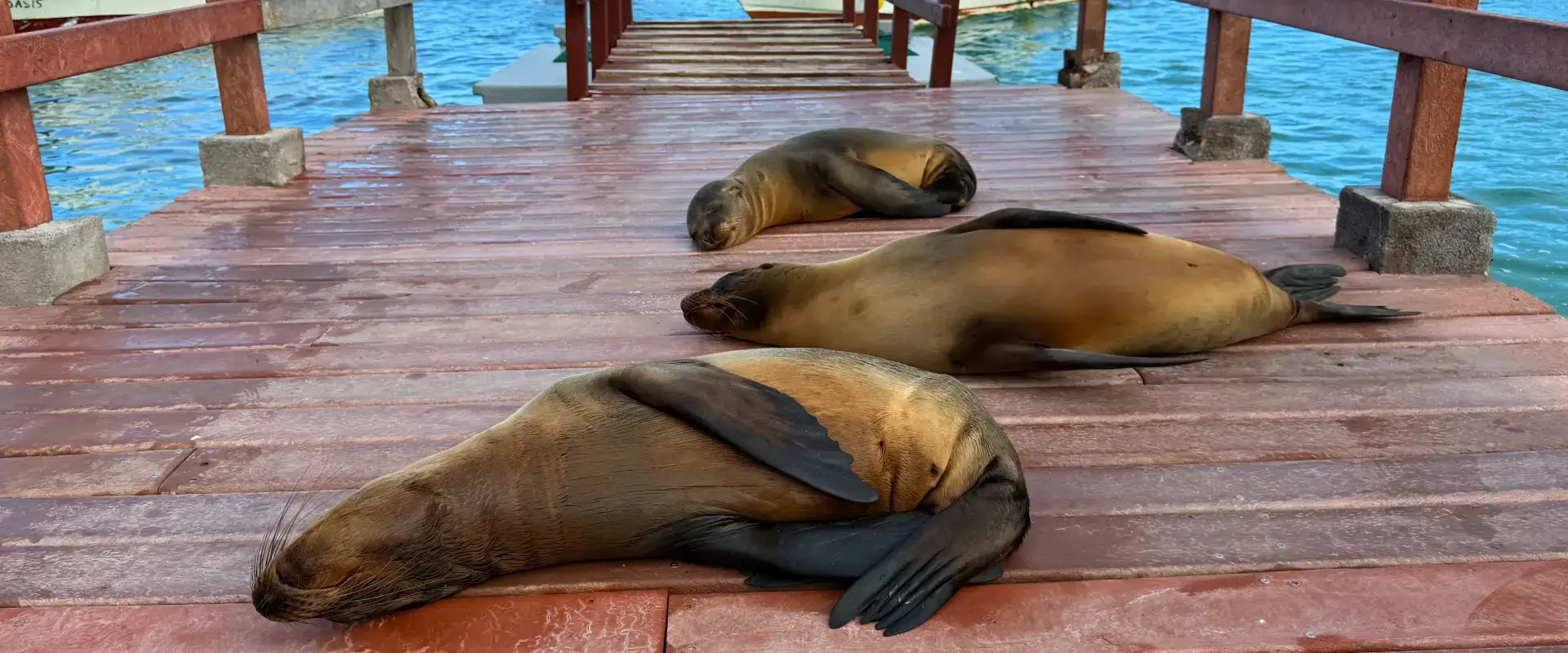
LOCAL GUIDE AND DRIVER, EVERY DAY
12 Day Ecuador and Galapagos Tour: Andes, Amazon and Island Hopping
The Andes and the Amazon with your own guide and driver from Quito, then a week of island hopping on Santa Cruz and Isabela with a yacht day.
From $2,690 per person
View itineraryAndes, Amazon and Galápagos Island Hopping: 12 Day Tour
Lodges and Accommodation in Yasuni
Where you stay affects your entire experience. Yasuni has lodges ranging from budget to luxury:
- Budget Lodges ($70-$120/night): Basic but comfortable. You’ll share space with backpackers, learn from other travelers, and pay less. Guides are usually local experts. The energy is great.
- Mid-Range Lodges ($150-$300/night) – Private cabins, good food, experienced guides. This is what most people choose. You get comfort without the premium price.
- Luxury Lodges ($400+/night):
Premium experience. Gourmet meals, naturalists with scientific backgrounds, personal service. If you’re celebrating or you’ve got the budget, it’s worth it.
Most lodges include meals, guides, and daily activities in their rates. Activities usually include early morning bird walks, daytime canoe rides, night spotlighting, and sometimes jungle hikes.
Activities and Daily Routines in Yasuni
Your typical Yasuni day is structured but flexible:
- Pre-Dawn (5:00-5:30 AM) – You’re awake. Coffee calls It’s still dark, but the jungle’s waking up. Birds are starting to vocalize.
- Early Morning (6:00-8:00 AM) – Canoe ride or jungle walk This is the best time for wildlife. The light’s soft, animals are active, sounds are incredible.
- Mid-Morning (8:30 AM-12:00 PM) – Breakfast, rest, optional activities. Maybe a jungle walk or lagoon visit You’re processing what you’ve seen.
- Afternoon (2:00-4:30 PM) – Another activity. Canoe ride, bird-watching, or lagoon&min9exploration. The light changes everything—afternoon looks completely different from morning.
- Evening (5:00-7:00 PM) – Sunset canoe ride. The light’s golden, animals are feeding, the sky’s changing colors.
- Night (7:00 PM+) – Night canoe ride or night walk. This is when nocturnal animals emerge. Spotlight caimans, tree frogs, bats. The jungle transforms at night.
Conservation and Responsible Visiting
Yasuni’s protected status means we’ve all got responsibility:
- Stay on Trails – Don’t wander off established paths. You’re protecting the forest and protecting yourself from getting lost.
- Listen to Your Guide – They’re not just there for show. They know animal behavior, dangerous spots, and how to minimize disturbance.
- Don’t Disturb Wildlife – Don’t chase animals, throw things to get their attention, or make excessive noise during observation. We’re visitors in their home.
- Use Reef-Safe Sunscreen – Regular sunscreen damages aquatic life. Use reef-safe products.
- Support Local Communities – Buy from local artisans. Tip your guide well Choose lodges that employ locals. Your money can support conservation.
Yasuni Trip Options
| Trip Length | Cost Range | Best For | Logistics |
| 4 days/3 nights | $1,200-$2,500 | Short trips | 3 days in park |
| 5 days/4 nights | $1,500-$3,000 | Ideal balance | 4 days in park |
| 7 days/6 nights | $2,000-$3,500 | Serious exploration | 6 days in park |
| 10+ days/9+ nights | $2,500-$4,000+ | Deep expeditions | Extensive coverage |
Yasuni Visit Essentials
- Bring a good zoom lens (200mm+) for wildlife photography
- Waterproof bags are essential; you’ll get wet
- Wear neutral colors; bright colors spook animals
- Pack twice the bug spray you think you’ll need
- Motion sickness medication if you’re prone to nausea
- Bring an underwater camera case for your phone
- Quality binoculars are worth the investment
- Tip your guide well they make or break the experience
Yasuni Questions Answered
Will I definitely see a jaguar in Yasuni?
No guarantees, but your odds are better here than almost anywhere. I’ve seen fresh tracks and signs many times. Actual jaguar sightings require patience and luck. Your guide will know where they’ve been spotted recently.
Is Yasuni dangerous?
Not if you follow your guide’s instructions. The animals aren’t aggressive toward humans. Anacondas avoid people. Jaguars are scared of us. The dangerous part is getting lost or ignoring safety protocols. Stay smart, and you’re safe.
What’s the difference between Yasuni and Cuyabeno?
Yasuni’s more remote and generally more biodiverse. Cuyabeno’s budget-friendly with excellent lake-based experiences. Both are spectacular. Yasuni if you want maximum remoteness; Cuyabeno if you want value.
Can I visit Yasuni with kids?
Yes, kids 8+ can handle it. Early mornings are tough on them, but the animal encounters blow their minds. Talk to lodges about family-friendly options and adjustments.
How long should I stay to see “real” Yasuni?
Minimum 4 days. 5-7 days is ideal. Longer trips let you explore different zones and increase odds of rare sightings. Anything less than 4 days feels rushed.
Plan Your Yasuni Adventure Now
Ready to experience one of Earth’s most biodiverse places? Check out our complete Amazon guide for broader context, then explore specific Yasuni lodges. Or get in touch directly I’ll help you craft the perfect itinerary.