Best Time to Visit Ecuador: Seasons, Weather & When to Go 2026
Best time to visit Ecuador depends on priorities. June-August and December-January are peak season (clear skies, higher prices, more tourists). March-May and September-November are shoulder seasons (good weather, fewer crowds, better prices)—my recommendation. Rainy season (October-November, April-May) isn’t a deal-breaker; rain passes quickly. Amazon is good year-round. Galápagos: June-November for wildlife, December-May for calm seas. Coastal whale watching: June-September and December-January. Pack layers regardless of season; altitude changes 50°F within hours.
The mistake tourists make is believing you need “perfect” weather. You don’t. I’ve had incredible trips during rainy season because the landscape was lush, guides had time to linger, and everything was cheaper. Perfect sunshine on packed trails with 50 other tourists? Not my definition of better.
This guide breaks down seasonality by region, weather patterns, wildlife timing, and when to visit based on your actual priorities—not just what travel blogs repeat.

Ecuador’s Seasons: The Reality Behind “Rainy” & “Dry”
Ecuador doesn’t have dramatic seasons like temperate climates. You’re near the equator. Temperature barely changes. What changes is rainfall patterns, and calling one season “dry” and another “rainy” oversimplifies it.
The highlands have two rainy seasons: October-November (shorter rains) and April-May (longer rains). But “rainy” means afternoon downpours that last an hour, not all-day rain. Mornings are clear. The landscape stays green because of regular moisture.
The coast has a wet season (December-May) when humidity is intense, but afternoon rain is common. The dry season (June-November) is clearer and hotter.
The Amazon is wet year-round. Rivers are always full. Rain is frequent but brief.
Here’s what I tell travelers: don’t let “rainy season” scare you. It rains in the afternoon. You hike in the morning. Simple.
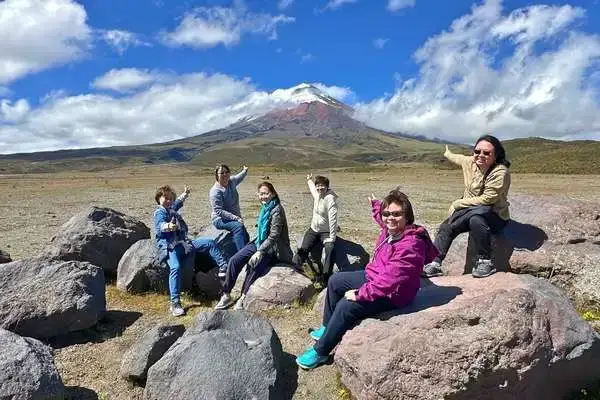
Peak Season (June-August & December-January)
June through August is peak backpacker season. Northern hemisphere summer. Weather’s generally good, skies are clear, and trails are crowded. Prices are highest. Accommodation books weeks in advance. Popular tours sell out.
December-January is the other peak—holiday season. Wealthy Ecuadorians and international tourists flood beaches. Prices spike again.
Pros: Generally clear skies, more tour operators running trips, hotels have full staff, trails are maintained and busy.
Cons: Crowded, expensive, rush-hour atmosphere, less authentic interaction with locals (they’re busy with tourists).
When to visit during peak: If you’re traveling then anyway. But if you have flexibility, avoid these months.
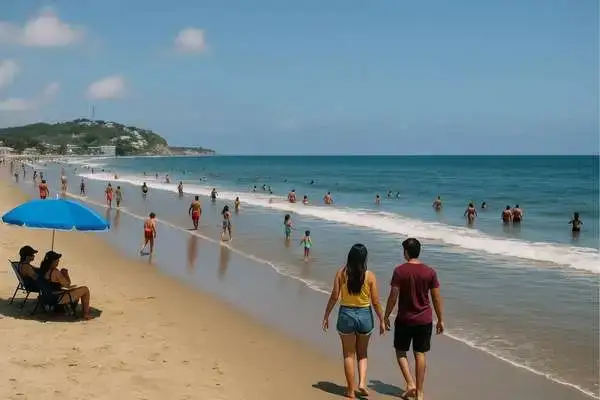
Shoulder Seasons (March-May & September-November): My Recommendation
March through May and September through November are the sweet spot. I have tours running then consistently, and travelers always say the same thing: “Why does everyone say June-August is best? This is perfect.” Not sure how to fit this into a trip? Tell us your dates and we will map it out.
March-May: Good weather generally, shoulder season pricing (10-20% cheaper than peak), fewer tourists. Occasional rain in afternoons (especially May), but it passes. Landscape is green and lush. Morning light is beautiful.
September-November: Similar vibe. Good weather, lower prices, fewer crowds. October-November gets wetter, but again, it’s afternoon rain. Trail conditions are fine. Prices are lowest in this window.
Pros: Cheaper, fewer tourists, authentic local experience, good weather, personalized attention from guides, easier accommodation booking.
Cons: Occasional afternoon rain, some lodges run reduced hours, fewer large tour groups.
Who should visit: Budget travelers, quality-over-crowds people, photographers (low angle sun and green landscapes are stunning), those wanting authentic Ecuador.
Honestly, if I had to pick one month to visit Ecuador, it’s October. Slightly wetter than other months but still manageable, prices are lowest annually, tourist density is reasonable, and everything feels authentic.
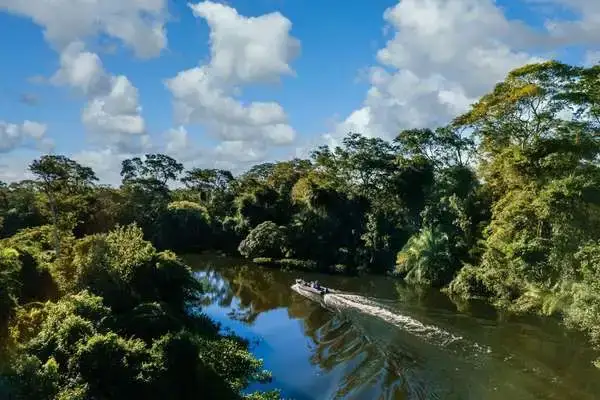
Rainy Season Reality Check (October-November & April-May)
Rainy season gets bad press, but it’s mostly myth. Yes, it rains. But it doesn’t work like monsoonal rain in Southeast Asia where you’re stuck indoors all day.
October-November in highlands: mornings clear, afternoons bring showers lasting 30-60 minutes, evenings clear. You plan hikes for morning, indoor activities for afternoon. Trails are maintained but less crowded. Everything’s green and beautiful. The “problem” is mostly perception.
April-May is similar: manageable afternoon rain, clear mornings, fewer tourists.
Pros: Cheapest prices of the year, minimal tourists, landscape is vibrant, you’re genuinely exploring instead of sightseeing.
Cons: Afternoon rain (not all day, but you should expect it), some unpaved roads can get muddy, certain mountain passes might close temporarily (rare but possible).
My honest assessment: rainy season is underrated. I’ve had phenomenal trips during these months. Book it if prices are a priority or you want authenticity.
Weather by Region: What to Expect Year-Round
Highlands (Quito, Cuenca, Otavalo):
Elevation: 2,400-3,000+ meters. Temperature: 50-70°F year-round. It’s cool. Mornings are cold (50-55°F), afternoons warm (65-70°F). You always need a light jacket and layers. Rainy season months (Oct-Nov, Apr-May) bring afternoon showers; dry season is clearer. Pack: light jacket, layers, rain jacket.
Coast (Montañita, Puerto López, Salinas): See which towns are worth it in our guide to Ecuador beaches.
Temperature: 80-90°F. December-May is hotter and more humid (rainy season feels tropical). June-November is clearer and slightly cooler. Water temperature: 75-80°F year-round, swimmable always. Pack: light clothes, sunscreen, rain jacket, swimsuit.
Amazon (Coca, Misahuallí, lodges):
Temperature: 75-85°F, humid always. Afternoon rain is frequent but expected. Water levels rise in rainy months (better wildlife viewing as animals congregate near water). Pack: lightweight long sleeves (sun and insects), rain jacket, good hiking boots for mud, bug spray, quick-dry clothes.
Galápagos (if you go):
Unique climate. Darwin season (June-November): cooler water (68-75°F), more active wildlife, can be rough seas (brings nutrients, attracts animals). Warm season (December-May): warmer water (79-85°F), calmer seas, less active wildlife. Choose based on whether you want active animals (Darwin) or easy boating (warm).
Matching Your Visit to Wildlife & Activities
Amazon wildlife viewing: Year-round is good. Rainy season (April-November) is slightly better because high water levels push animals to river edges. Dry season (December-March) animals are more spread out. Both work; pick based on weather preference.
Whale watching (Pacific coast): June-September (humpback whales migrate here), also December-January (whales return south). These are the prime months. Other months, whales are absent.
Galápagos wildlife: June-November (Darwin season) is most active—penguins, marine iguanas, seabirds are vibrant. December-May (warm season) animals are less active but seas are calmer, better for photography from stable boats.
Cloud forest hikes & bird watching: December-February is clearest (best for photography). Rainy season (Oct-Nov, Apr-May) is wetter but birds are more active. Choose based on whether you want clear light or active birds.
Mountaineering/volcanoes: June-August typically has better weather. December-January possible but more variable. Avoid rainy season (snow/ice changes, clouds hide summits).
| Month | Highlands | Coast | Amazon | Crowding | Price |
|---|---|---|---|---|---|
| January | Clear, cool | Hot, humid | Wet, manageable | Very high (holidays) | Expensive |
| February | Clear, cool | Hot, humid | Wet, manageable | Medium-high | Moderate |
| March | Clear, occasional rain | Hot, humid | Wet | Medium | Moderate (good value) |
| April | Rainy afternoons | Hot, humid, rainy | Wet, high water | Low-medium | Cheaper |
| May | Rainy afternoons | Hot, humid, rainy | Wet, high water | Low | Cheapest |
| June | Clear, cool | Clearer, less humid | Wet but manageable | Very high (peak) | Expensive |
| July | Clear, cool | Clear, less humid | Wet but manageable | Very high (peak) | Expensive |
| August | Clear, cool | Clear, less humid | Wet but manageable | Very high (peak) | Expensive |
| September | Clear, occasionally rainy | Clearer | Wet but manageable | Medium-high | Moderate |
| October | Rainy afternoons | Warming up | Wet, high water | Low-medium (MY PICK) | Cheapest |
| November | Rainy afternoons | Warming up | Wet, high water | Low | Cheaper |
| December | Clear, cool | Hot, humid | Wet but manageable | Very high (holidays) | Expensive |
Making Your Timing Decision
If you want: Clear skies → June-August or December-February
If you want: Fewer crowds → April-May or October-November
If you want: Budget prices → April-May or September-November
If you want: Balance of weather and value → March, May, September, or November
If you want: Whale watching → June-September or December-January
If you want: Authentic local experience → September-November
If you don’t care about weather but love deals: October
What to Pack Regardless of Season
Pack layers. Always. Quito’s 50°F in the morning and 70°F in the afternoon. You’ll be cold early, hot midday, chilly at night. Bring: light sweater, rain jacket, long-sleeve shirt for sun protection, comfortable hiking pants, good shoes, hat, sunglasses, sunscreen (strong—equator’s intense).
The rain jacket is non-negotiable regardless of season. Afternoon showers happen year-round in highlands. Equatorial sun is intense. Everything else adjusts based on region.
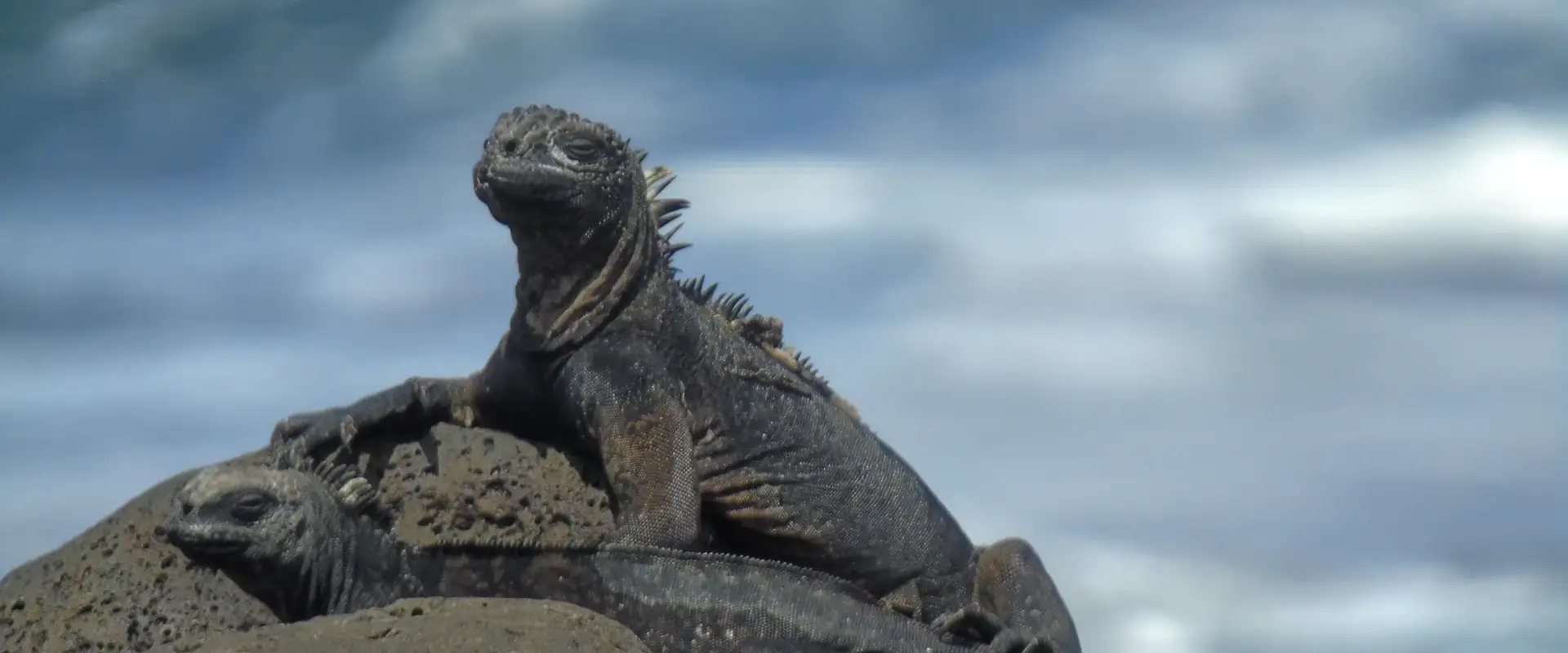
START IN QUITO, END IN THE GALÁPAGOS
9 Day Ecuador and Galapagos Tour: Andes, Amazon and Santa Cruz
Quito, Cotopaxi, Quilotoa, Baños and the Amazon with your own guide, then three nights on Santa Cruz with tortoises, beaches and snorkeling.
From $1,990 per person
View itineraryPair It With the Galápagos: 9 Day Ecuador & Galápagos Tour
Season Decision Checklist:
- Peak season (June-Aug, Dec-Jan): Clear weather, high prices, very crowded, book ahead
- Shoulder season (Mar-May, Sept-Nov): Good value, moderate crowds, manageable weather—RECOMMENDED
- Rainy season (Oct-Nov, Apr-May): Lowest prices, authentic experience, afternoon rain only
- Always pack layers—altitude changes drastically within hours
- Rain jacket essential every month
- Highlands always cool (50-70°F); bring sweater
- Coast/Amazon always humid; bring lightweight clothes
- Whale watching: June-September and December-January only
- Amazon good year-round; high water season (Apr-Nov) has better wildlife viewing
- Galápagos Darwin season (Jun-Nov) for active wildlife; warm season (Dec-May) for calm seas
- October is the cheapest month overall
- Book accommodations 3+ weeks ahead during peak season
- Flexibility on dates saves 15-25% on prices during shoulder season
Best Time to Visit Ecuador FAQ
When is the best time to visit Ecuador?
June-August and December-January are peak season (clear skies, higher prices, crowded). I prefer March-May and September-November (shoulder season)—clear skies, fewer crowds, lower prices. If you want deals, April-May and October-November work great; rainy season afternoon rain is brief and manageable.
What’s the weather like in Ecuador?
Varies by elevation. Quito (2,850m) is cool year-round (50-70°F). Coast is hot and humid (80-90°F). Amazon is hot and humid (75-85°F). Temperature barely changes throughout the year; what changes is rainfall. Pack layers—altitude changes dramatically within hours.
When is rainy season in Ecuador?
October-November and April-May are main rainy months in highlands. Coast: December-May. Amazon: year-round but manageable. “Rainy” means afternoon showers lasting 30-60 minutes, not all-day rain. Mornings are clear. Rain jacket essential, but it’s not a deal-breaker.
When should I go to see wildlife in Ecuador?
Amazon is good year-round. Galápagos: Darwin season (June-November) is cooler with more active wildlife; warm season (December-May) has calmer seas. Coastal whale watching: June-September and December-January. Choose based on activity level or sea conditions.
When are the cheapest times to visit Ecuador?
February-March and April-May are cheaper (rainy season). September-November is cheapest overall. Avoid peak seasons (June-August, December-January) for better prices. Budget travelers, book shoulder season (March-May, September-November) for value.
Schedule Your Ecuador Trip With Confidence
Don’t let “rainy season” scare you. Don’t assume peak season is automatically best. Visit when your schedule allows, understand the weather implications, and pack accordingly. Every month’s Ecuador is good Ecuador. Some are just cheaper and less crowded than others.
Want specifics on what to do during your visit dates? Check our 7-days itinerary for activity planning, or see our complete Ecuador travel guide for comprehensive planning. If you’re weighing Ecuador against other destinations, read our Ecuador vs Peru comparison.
Still deciding between dates? Drop your priorities in comments—I’ll give you specific recommendations based on weather, crowds, and budget.
Looking for more on Best Time To Visit Ecuador? Browse our related coverage on best time to visit ecuador guide, best time to visit ecuador tour, best time to visit ecuador travel, and reach out to our local experts for personalized planning.