Cotopaxi Day Trip from Quito – Volcano Tour & Hiking Guide
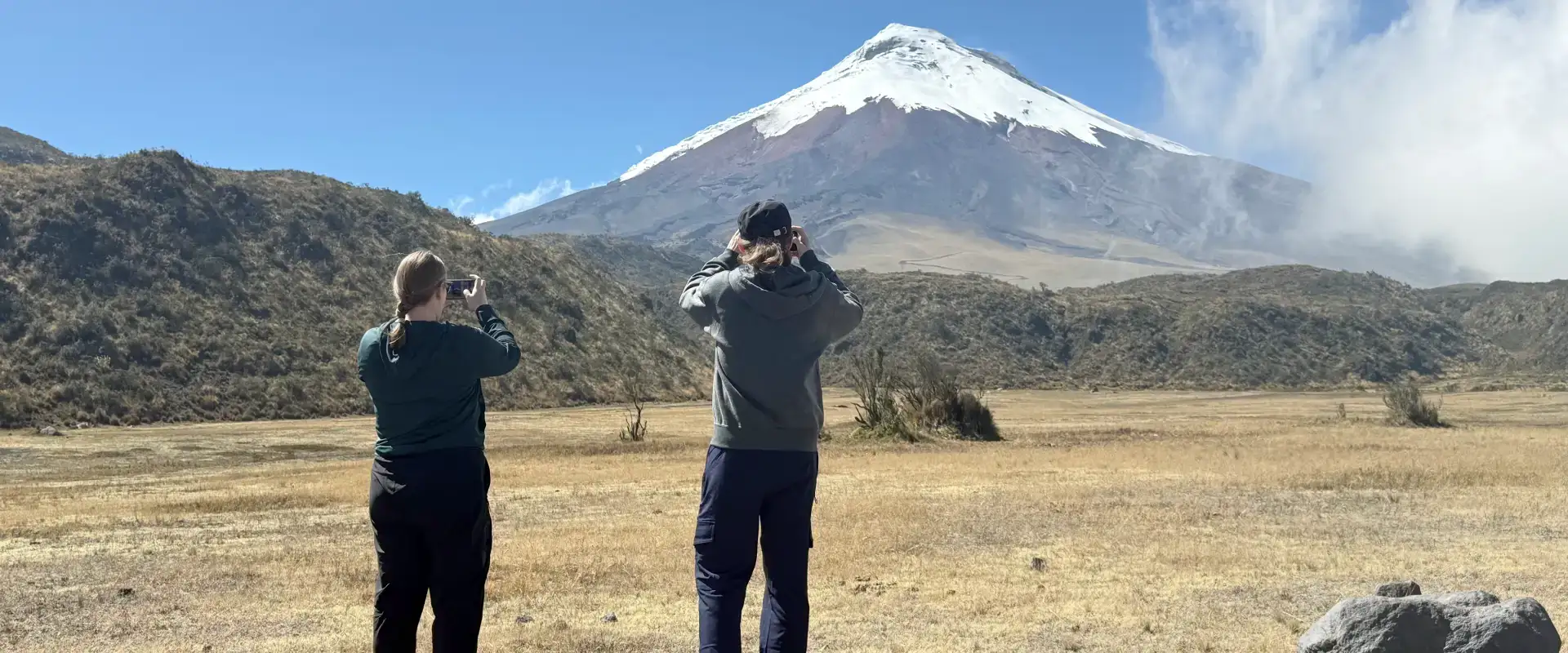
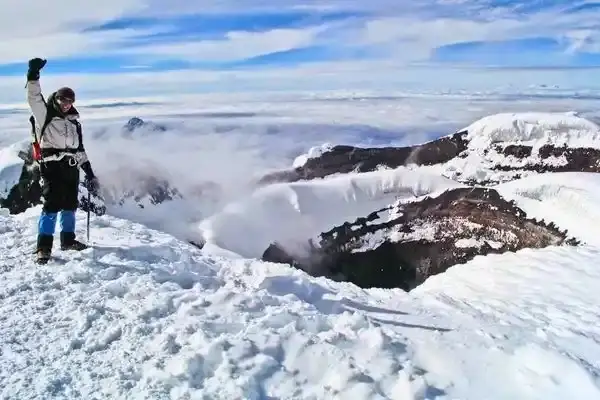
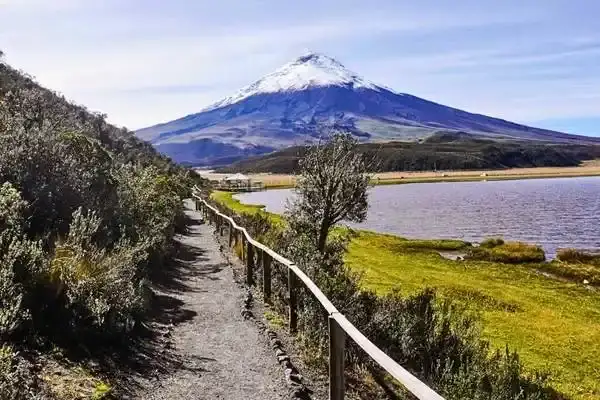
Cotopaxi sits about 60 kilometers south of Quito, a towering snowcapped cone that dominates the Ecuadorian skyline. At 5,897 meters (19,347 feet), it’s the world’s highest active volcano, and a cotopaxi day trip from quito puts you face-to-face with one of South America’s most dramatic peaks. The first time I approached it, the volcano seemed to grow larger the closer we got, until its entire presence filled the horizon. The crater constantly releases volcanic gases, and you can sometimes see a plume rising from the summit. This isn’t a casual stroll—cotopaxi hiking demands proper preparation, acclimatization, (Start that acclimatisation in the city: see the Quito elevation guide.) and respect for high altitude. But the reward is extraordinary: hiking to the glaciers on its slopes, experiencing terrain that changes from jungle-like cloud forest at the park’s base to barren volcanic rock and ice near the summit, and understanding geologically why this volcano commands such respect. Whether you’re a serious mountaineer attempting the summit or someone seeking a high-altitude hike without extreme technical difficulty, this guide will help you plan a cotopaxi volcano tour that matches your abilities and experience.
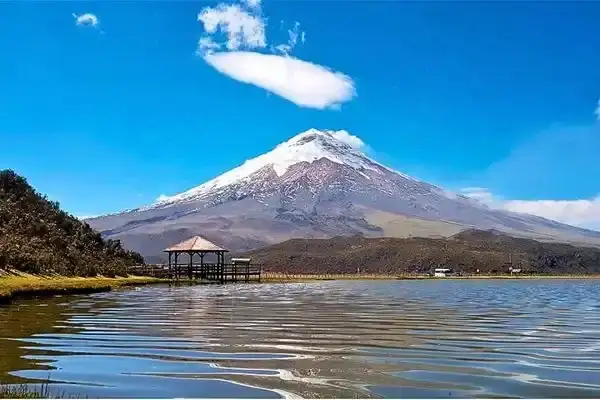
Why Cotopaxi? Ecuador’s Most Active Volcano
Ecuador’s volcanic corridor (Sierra region) hosts numerous volcanoes, but Cotopaxi stands out. It’s actively studied by geologists—eruptions happened in 2015 and 1877, and scientists monitor it constantly. The most recent significant activity released ash across the region, reminding everyone of its power. Yet it’s also remarkably accessible, with established trails and park infrastructure supporting visitors.
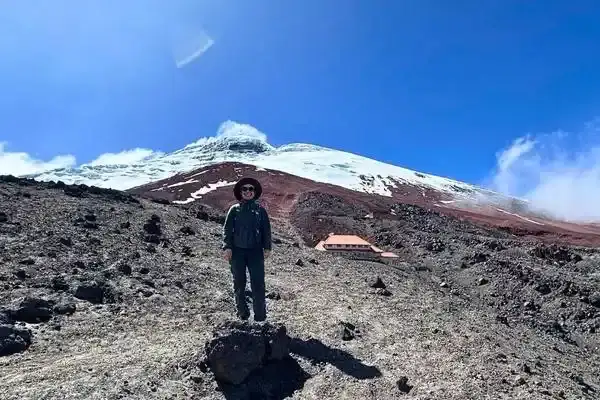
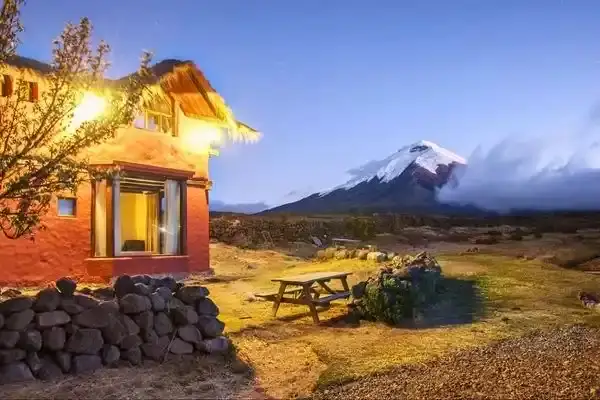
What makes cotopaxi special isn’t just its height—it’s the combination of accessibility, glaciers at equatorial latitude (increasingly rare), and the raw geological drama. Standing at the rifugio (mountain hut) where climbers sleep before summit attempts, surrounded by ice and volcanic rock, you genuinely feel like you’re on another planet. If you would rather someone else handled the logistics, tell us what you have in mind.
Getting to Cotopaxi National Park
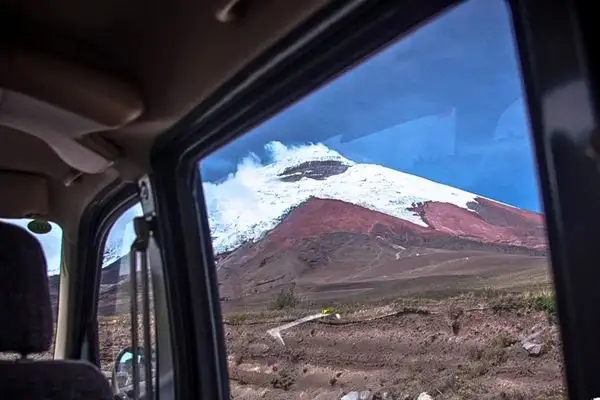
The park sits about 60-90 minutes south of Quito via the Pan-American Highway, depending on traffic and your exact destination within the park. You’ll need a vehicle—public transit reaches the general area but not the park entrances. Most visitors hire a driver or join organized tours. Check our comprehensive day trips from Quito guide for tour operator recommendations.
Entry to Cotopaxi National Park costs around $10-15 USD for foreign visitors. The park’s open daily and has multiple access points. Most hiking groups use the northern access (Panamericana route), which leads to the main rifugio.
Honestly? I’d recommend booking a tour rather than attempting this independently. The high altitude, complex trail network, and need for acclimatization make guide services nearly essential. Guided tours handle logistics, provide oxygen in case of altitude issues, and offer safety expertise.
Understanding Cotopaxi’s Altitude and Acclimatization
Cotopaxi isn’t technically difficult, but altitude is serious business. The park’s entrances sit around 3,500-4,000 meters. Trails climb to 4,600-5,000 meters for day hikes, and the summit sits at 5,897 meters. Quito’s already at 2,850 meters—a significant jump to cotopaxi hiking territory.
Altitude sickness affects roughly 30-50% of visitors at these elevations. Symptoms include headache, nausea, shortness of breath, and sleep disruption. Most cases are mild and manageable, but severe altitude sickness requires immediate descent. Here’s how to mitigate it:
- Arrive at least one day early: Spend a night or two in Quito before attempting high hiking. Your body needs time to adjust.
- Hydrate aggressively: Drink 3-4 liters of water daily in the days before and during hiking. Dehydration worsens altitude symptoms.
- Eat light, frequently: Your body processes carbs more efficiently at altitude. Frequent small meals beat heavy ones.
- Consider altitude medication: Diamox (acetazolamide) helps prevent altitude sickness. Many climbers take it 24 hours before high-altitude activities. Consult your doctor before using it.
- Ascend slowly: Take time hiking uphill. Don’t rush. Your guide will pace this appropriately.
Pro tip: if you develop moderate to severe altitude sickness, descent’s the only treatment. Don’t try to push through it. Guides carry oxygen and know when to recommend descent.
Cotopaxi Hiking Routes: Options for Different Fitness Levels
| Route | Duration | Altitude Gain | Difficulty | Best For |
|---|---|---|---|---|
| Laguna Limpiopungo Loop | 2-3 hours | Minimal (500m total elevation zone) | Easy | Families, time-limited, altitude acclimatization |
| Refuge Jose Rivas | 1-2 hours round-trip | 4000-4800m | Moderate-Hard | Strong hikers, good acclimatization |
| Glacier Zone Hike | 6-8 hours | 1200-1500m | Hard | Experienced hikers, high altitude comfort |
| Summit Attempt | 12-15 hours (plus hut night) | 2900m | Very Hard (technical climbing section) | Mountaineers, experienced climbers only |
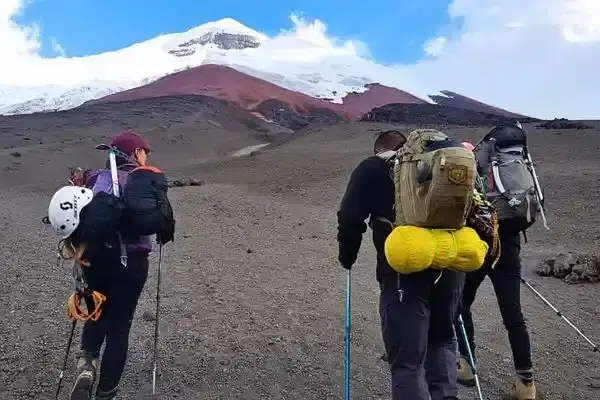
My recommendation for day trippers: the Rifugio hike works well if you’re properly acclimatized. It offers dramatic views, doesn’t require technical climbing, and the hut itself is worth seeing. The Glacier Zone hike’s exceptional for experienced high-altitude hikers. The Laguna Limpiopungo loop suits families or time-limited visitors wanting park experience without intense altitude exposure.
Practical Gear and Preparation
Cotopaxi’s high altitude means weather can be severe. You’ll experience temperature swings from cool during activity to bitterly cold in wind. Here’s essential gear:
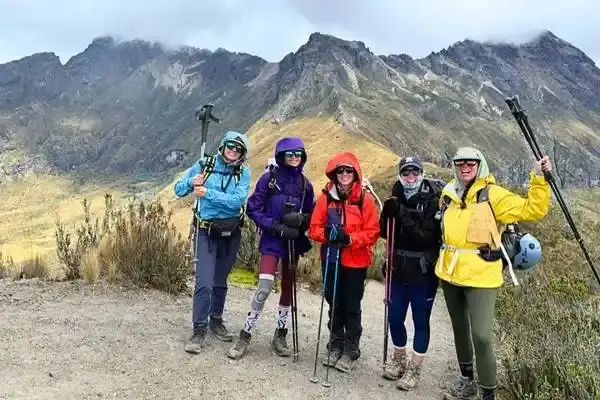
- Layers: Start with moisture-wicking base layers, add insulating mid-layers (fleece), top with windproof/waterproof jacket. The saying “there’s no such thing as bad weather, only bad gear” applies here.
- Boots: Sturdy hiking boots or mountaineering boots with good ankle support. Volcanic rock’s sharp and unforgiving. Break in your boots before the trip.
- Sun protection: Sunscreen (SPF 50+), UV-blocking sunglasses, and a hat. High altitude means intense sun exposure despite cool temperatures.
- Hydration: Insulated water bottles (liquid freezes easily at night). Aim for 2-3 liters capacity. Bring electrolyte tablets.
- Snacks: High-calorie, easy-to-eat foods: energy bars, dried fruit, nuts, chocolate. Your body burns calories fast at altitude.
- Personal items: Headlamp (summit attempts start pre-dawn), toilet paper, medications, blister supplies, sunscreen, lip balm.
If climbing to the hut or higher, your tour operator typically provides crampons and ice axes. Ask what’s included when booking. For day hikes below the glacier zone, hiking boots usually suffice.
A Realistic Day Trip Itinerary
If you’re attempting a true day trip (not staying overnight), here’s what’s realistic:
7:30 AM: Depart Quito in tour vehicle.
8:30 AM: Arrive at park, pay entrance, brief acclimatization.
9:00 AM: Begin hiking (Jose Rivas refuge route recommended).
10:00 PM: Reach rifugio or turnaround point for views.
11:00 PM: Begin descent.
12:00 PM: Limpiopungo lagoon trek.
1:00 PM: Lunch/rest at hut or viewpoint.
2:00 PM: Return to park entrance.
3:00 PM: Begin drive to Quito.
7:30 PM: Arrive Quito.
This assumes good fitness and proper acclimatization. Slower paces extend these times. Summit attempts require overnight stays at the hut and aren’t realistic day trips.
START IN QUITO, END IN THE GALÁPAGOS
9 Day Ecuador and Galapagos Tour: Andes, Amazon and Santa Cruz
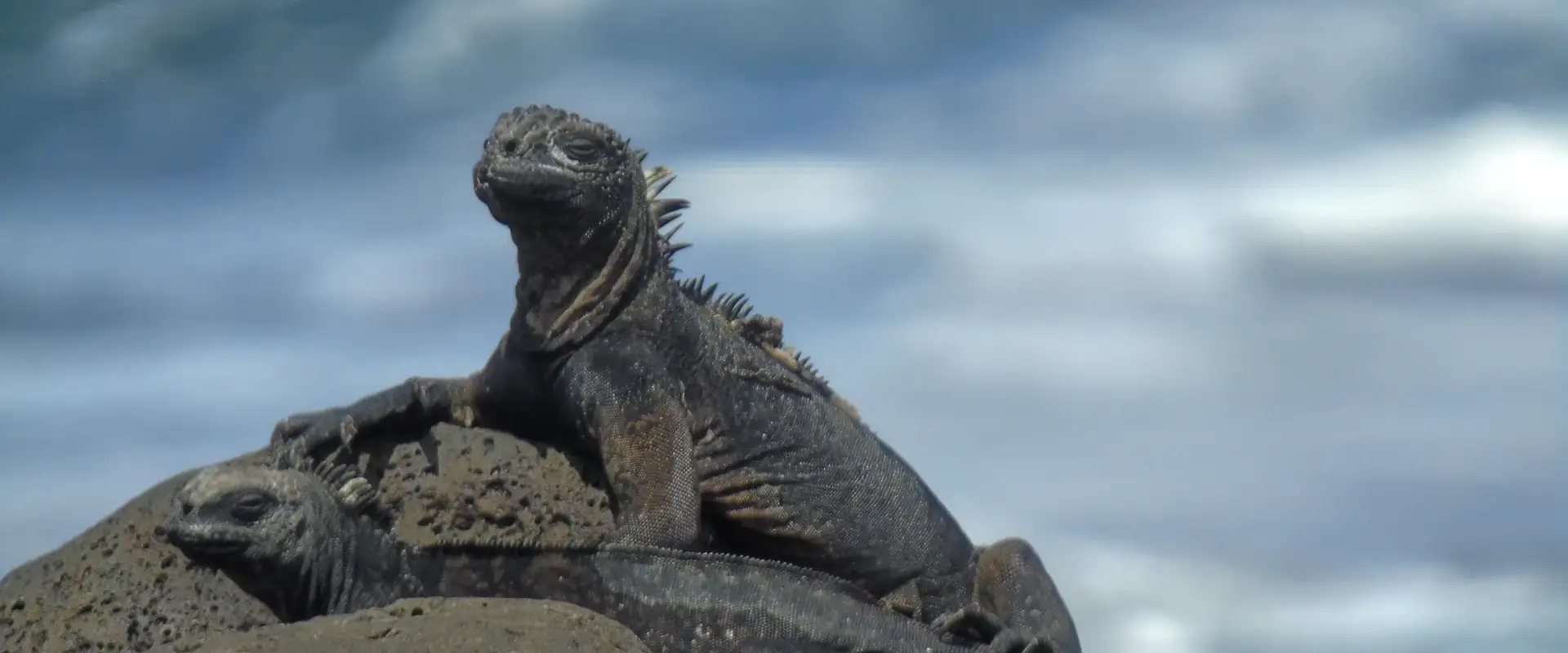
Quito, Cotopaxi, Quilotoa, Baños and the Amazon with your own guide, then three nights on Santa Cruz with tortoises, beaches and snorkeling.
From $1,990 per person
View itineraryPair It With the Galápagos: 9 Day Ecuador & Galápagos Tour
Why Overnight is Better Than Day Trip
I’ll be honest: attempting Cotopaxi as a single-day trip from Quito is ambitious and doesn’t give your body adequate acclimatization. A better option is spending a night near the park (several mountain lodges exist) or at the rifugio itself if attempting higher climbs. This lets your body adapt and makes the experience less rushed.
If budget or time constraints force day-trip, go for the lower-altitude hikes (Laguna Limpiopungo) rather than pushing to the rifugio. You’ll enjoy it more and reduce altitude risk.
Cost Breakdown
- Park entrance: $10-15 USD
- Guided tour (day hike): $80-120 USD per person
- Transportation from Quito: $40 – 60 USD (included in many tours)
- Meals/snacks: $15-20 USD
- Total day trip (with tour): $150-250 USD
Summit attempts cost significantly more ($400-800+ USD) due to overnight hut fees, additional guide time, and equipment.
Combining Cotopaxi with Other Day Trips
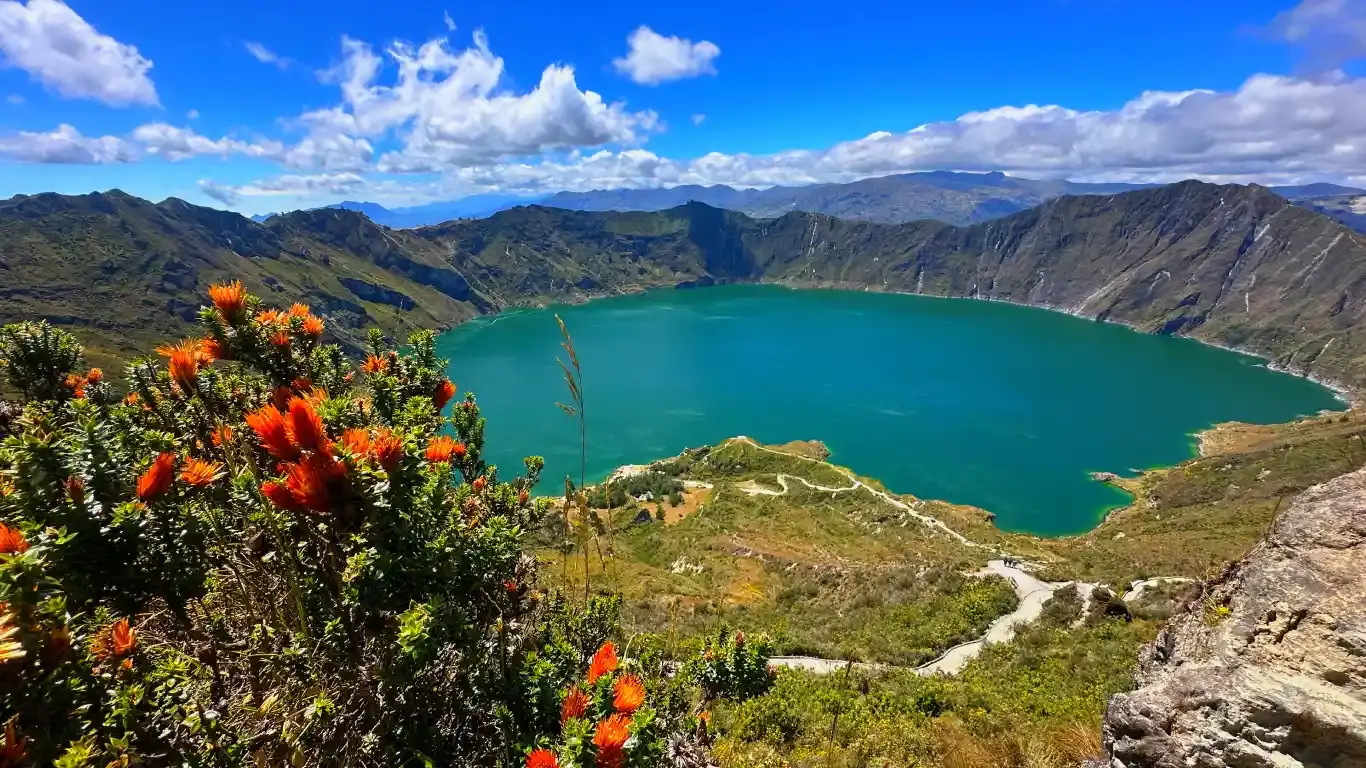
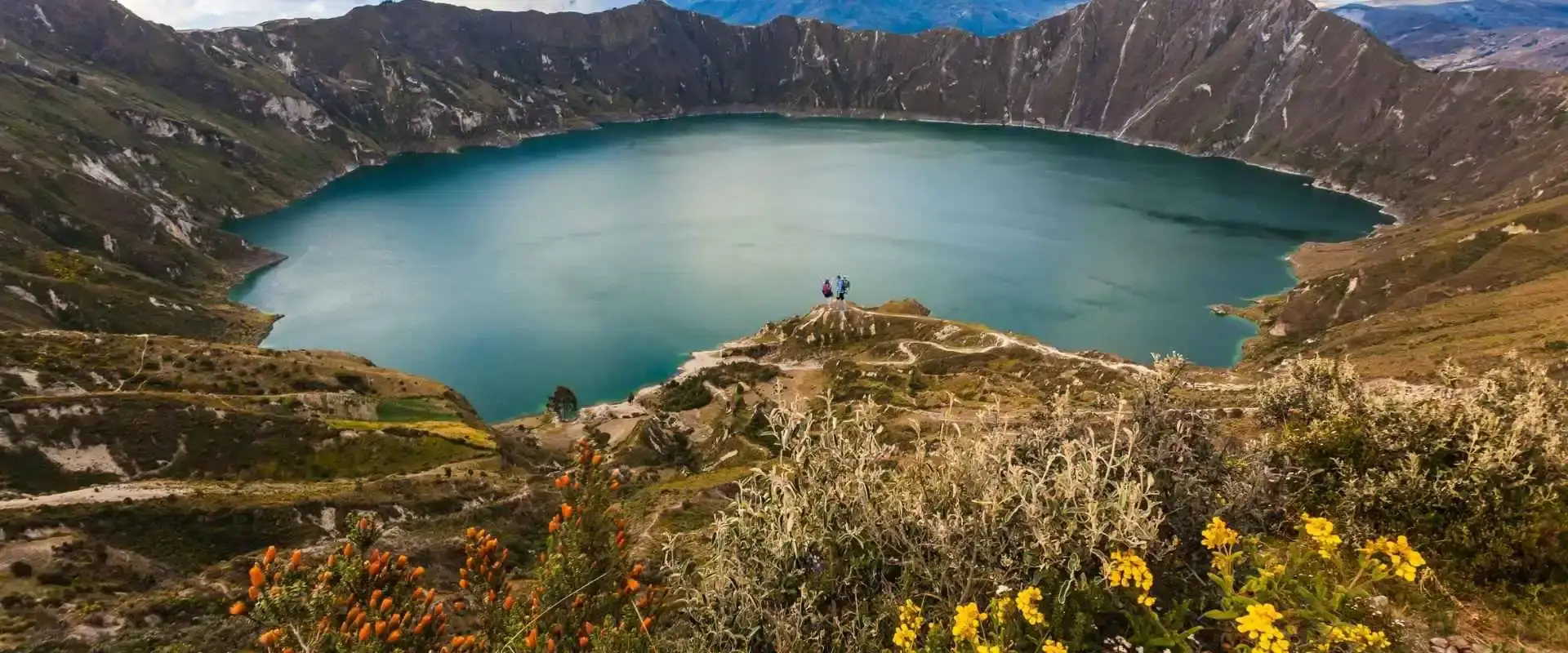
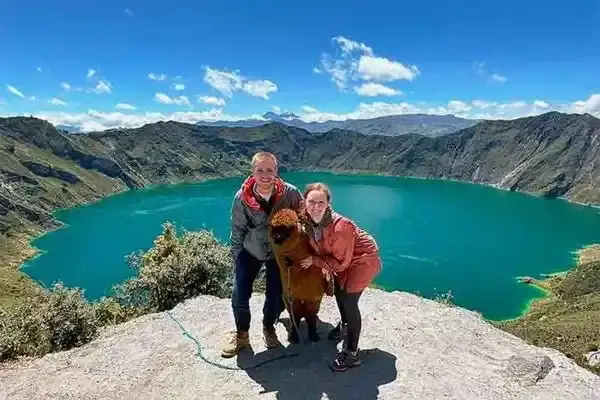
Cotopaxi’s location (south of Quito) makes it difficult to combine with northern day trips like Mitad del Mundo or Otavalo. However, you could potentially combine it with Quilotoa crater lake (further south on the same route) for a multi-stop day trip, though this would be rushed. For comprehensive trip planning, check our full day trips from Quito guide to compare options and build your itinerary.
FAQ: Cotopaxi Volcano Day Trip Questions
Can beginners climb Cotopaxi?
The day hikes (Laguna Limpiopungo, lower trails) are accessible to beginners with decent fitness. Summit attempts require mountaineering experience, technical climbing skills, and acclimatization. Beginners should stick to the low-altitude park hikes.
What’s the best season for Cotopaxi hiking?
June-August offers the most stable weather and clearest views. December-March brings more rain. However, Cotopaxi’s always cold and weather can change rapidly. Come prepared for any condition.
Do I need mountaineering experience for the summit?
Yes. The final section involves climbing a 60-degree snow/ice slope with crevasse hazards. You need proper technical training and equipment. This isn’t a hike—it’s a mountaineering expedition.
What if I get altitude sickness?
Tell your guide immediately. Never hide symptoms. Your guide will assess severity and either slow the pace, provide oxygen, or recommend descent. Descent is the only cure for serious altitude sickness.
Should I do the summit or a day hike?
For first-time Ecuador visitors, day hikes suit most people. Summits require serious training and significant time commitment. Experience the park, hike the rifugio trail, and save the summit for dedicated climbing expeditions.
Experience Ecuador’s Volcanic Landscape
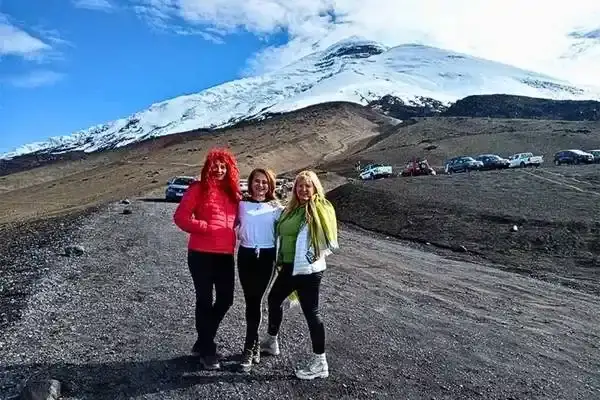
A cotopaxi day trip from quito connects you to Ecuador’s dramatic geological reality—a landscape where volcanoes aren’t just photographs but living, breathing mountains. The park’s accessible trails suit various fitness levels, yet the high-altitude environment demands respect and preparation. Whether you’re doing a gentle acclimatization hike at Laguna Limpiopungo or pushing toward the glacier zone, you’ll leave with a deeper understanding of South American volcanology and your own high-altitude capabilities. Start planning today, secure a guide, and prepare for one of Ecuador’s most memorable outdoor experiences. For ways to combine Cotopaxi with other adventures, explore our complete day trips from Quito guide.
Useful External Resources
Looking for more on Cotopaxi Day Trip From Quito? Browse our related coverage on cotopaxi day trip from quito ecuador, cotopaxi day trip from quito guide, cotopaxi day trip from quito tour, and reach out to our local experts for personalized planning.