Ecuador Amazon Animals: Wildlife Guide 2026
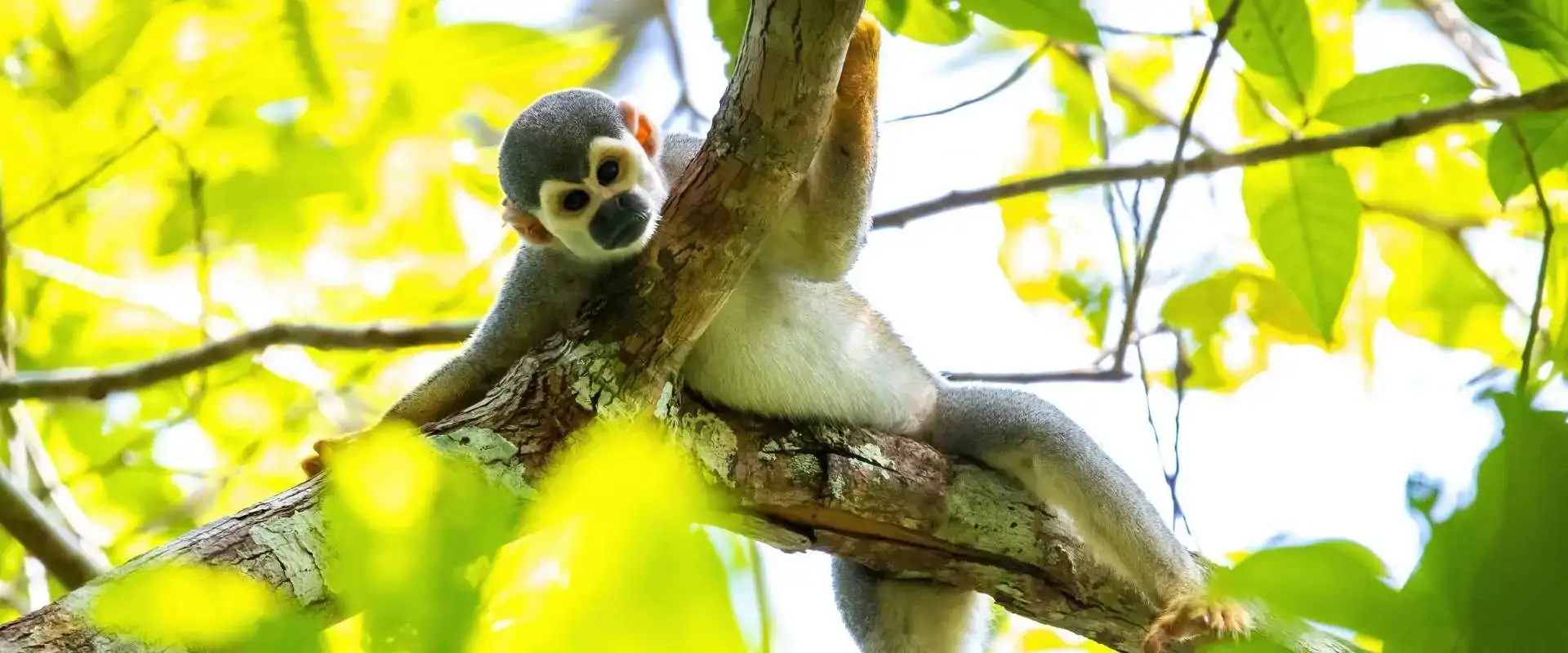
You are probably not going to see a jaguar. What you will realistically see is monkeys, caiman, parrots at a clay lick, river dolphins if you are in the right water, and more insects than you expected. Here is what actually lives in the Ecuadorian Amazon, and where your odds are best for each one.
This wildlife guide is part of our complete Ecuador Amazon rainforest guide. Where you sleep decides what you see, so it pairs with our roundup of the best Amazon lodges in Ecuador.
Ecuador Amazon Animals:
The Amazon region of Ecuador is one of the most biodiverse ecosystems on the planet, and when we talk about Ecuador Amazon Animals, we refer to an extraordinary variety of species that inhabit this tropical rainforest, from colorful birds like macaws and toucans to mammals such as monkeys, sloths, and jaguars, as well as reptiles, amphibians, and an immense diversity of insects, creating a vibrant environment where every corner offers a unique connection with wildlife and nature. If you would rather someone else handled the logistics, tell us what you have in mind.
This is where the Amazon gets truly alien:
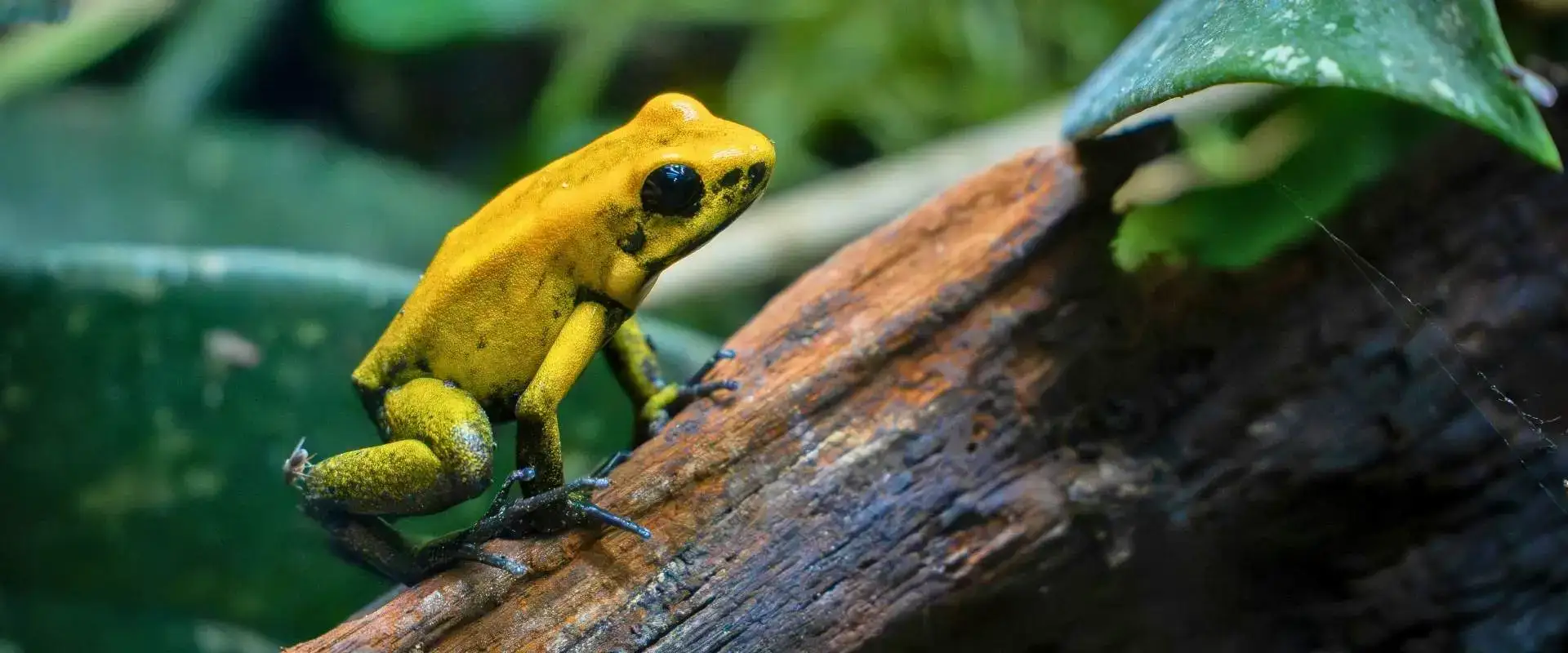
- Poison Dart Frogs – Tiny (your thumbnail size), insanely colorful, and toxic enough to kill multiple humans. They’re harmless if you don’t touch them. Spotting one is special because they’re so small but so vivid. The bright colors? That’s advertising: “Don’t eat me, I’m poisonous.”
- Tree Frogs – Dozens of species, many that sound like laser guns, chainsaws, or alien spacecraft. Rain forest frogs at night create a symphony of noise.
- Snakes – Besides anacondas, there are coral snakes (venomous), boa constrictors, and dozens of others. Most avoid humans. Your guide will point them out before you’d ever notice.
- Turtles – River turtles, yellow-spotted river turtles, others. They sun themselves on logs. Your guide will spot them immediately; you’ll wonder how.
- Caimans (already mentioned, but they’re also amphibious hunters) – They’re reptiles, technically. I’m grouping them here because they’re hunters from the water.
Insects: The Real Numbers Game
Here’s something that blows people’s minds: the insects.
Ecuador’s Amazon contains approximately 1.5 million insect species. You won’t see them all (thank God), but you’ll see enough to understand the density. Beetles the size of your hand. Butterflies in colors that shouldn’t exist. Ants that are ecosystem engineers. Cicadas that sound like power tools. Mosquitoes (yeah, those too). The insect world dwarfs the mammal and bird world in sheer numbers. A single rainforest tree hosts more insect species than exist in Canada. That’s the scale we’re talking about.
Where to See Which Ecuador Amazon Animals
Location matters for wildlife viewing:
- River and Canoe Spotting: Pink dolphins, caimans, giant otters, herons, kingfishers, turtles, riverside birds.
- Jungle Walks: Monkeys, sloths, anteaters, jungle birds, tree frogs, insects, snakes.
- Open Water (Lakes): Pink dolphins, caimans, caiman gatherings, waterbirds.
- Canopy (High Trees): Macaws, harpy eagles, parrots, tree-dwelling mammals.
- Night Activities: Nocturnal frogs, caimans (spotlight reflects in their eyes), night birds, insects attracted to lights.
Behavior and Ecology: Why Animals Do What They Do
Understanding animal behavior makes viewing richer:
- Pink Dolphins Hunt Cooperatively – They work together to herd fish. Multiple dolphins circle prey, forcing them toward shallow water, then feast. It’s coordinated, intelligent hunting.
- Howler Monkeys Mark Territory Vocally – That terrifying roar? It’s territorial marking. They’re essentially saying, “This is ours,” to other groups. It carries for miles through the forest.
- Poison Dart Frogs Are Parenting Legends – The male guards eggs. When tadpoles hatch, he allows them to crawl onto his back, then carries them to water. Single-parent dedication.
- Caimans Regulate Temperature in Water – They’re cold-blooded. Water is their thermostat. That’s why you see them basking in sun or resting in shade.
- Anacondas Are Ambush Hunters – They wait for prey, then strike with speed and constrictive force. Their metabolism is low enough that they can go months without eating.
Safety Around Animals: Dos and Don’ts
You’re sharing space with wild animals. Respect them:
DO: Keep distance (20+ meters ideally). Use binoculars for closer viewing. Stay quiet on canoes. Listen to your guide’s instructions absolutely. Move slowly and deliberately.
DON’T: Chase animals. Make sudden movements or loud noises. Touch anything without guide approval. Get between mothers and babies. Assume an animal is safe because it’s not attacking.
Special Cases: Anacondas? Leave them alone, they’ll leave you alone. Jaguars? Run into a jaguar? Stay calm, back away slowly, don’t turn your back. Giant otters? Don’t get between them and their escape routes to water. Poison dart frogs? Look but don’t touch.
LOCAL GUIDE AND DRIVER, EVERY DAY
12 Day Ecuador and Galapagos Tour: Andes, Amazon and Island Hopping
The Andes and the Amazon with your own guide and driver from Quito, then a week of island hopping on Santa Cruz and Isabela with a yacht day.
From $2,690 per person
View itineraryAndes, Amazon and Galápagos Island Hopping: 12 Day Tour
Photography Tips for Amazon Animals
If you’re bringing a camera:
- Equipment – Zoom lens (200mm+), waterproof camera bag, underwater case for your phone, tripod if you’re serious.
- Settings – Fast shutter speed (animals move), high ISO (forests are dark), aperture depends on your camera and lens.
- Tactics – Move slowly. Let animals come to you. Early morning and evening have best light. Be patient. Some of your best shots will be moments you weren’t expecting.
- Ethics – Don’t use flash on animals (it stresses them). Don’t get so close for a photo that you disturb behavior. The experience is more important than the shot.
Best Viewing Times and Seasons
- Early Morning (5:30-7:00 AM) – Wildlife is most active. Birds are calling, monkeys are moving. Get on the water before sunrise.
- Late Afternoon/Evening (4:00-6:00 PM) – Second peak activity time. Different animals than morning. Evening light is magical.
- Dry Season (June-July) – Animals concentrate near water. Viewing is easier because water levels are lower.
- Wet Season (April-May) – Water’s everywhere. Animals disperse. But river dolphins are more active during water fluctuations.
Common Ecuador Amazon Animals: Where and When to See Them:
| Animal | Viewing Likelihood | Best Time | Where |
| Pink River Dolphin | Guaranteed | Early morning, evening | Rivers and lakes |
| Macaw | Very likely | Morning | Forest canopy |
| Howler Monkey | Very likely | Early morning | Forest high trees |
| Caiman | Very likely | Any time | Rivers, lagoons |
| Giant Otter | Likely | Morning | Rivers |
| Jaguar | Rare | Any | Deep forest (tracks) |
| Anaconda | Uncommon | Wet season | Forest floor, water |
Amazon Animal Viewing Tips
- Be patient; the best wildlife moments come to those who wait
- Your guide is your eyes; trust their pointing and instruction
- Bring binoculars; they reveal details you’d otherwise miss
- Listen actively; sounds help you spot hidden animals
- Move slowly and deliberately; sudden movements scare animals
- Wake up early; early morning is prime viewing time
- Don’t rely on photos; the experience matters more than the shot
- Ask your guide questions; they love explaining animal behavior
Amazon Animals Questions Answered
Looking for more on Ecuador Amazon Animals Guide? Browse our related coverage on ecuador amazon animals guide tour, ecuador amazon animals guide travel, visit ecuador amazon animals guide, and reach out to our local experts for personalized planning.
Will I see a jaguar?
Unlikely, but possible. They’re there, but they’re reclusive. You’ll see evidence (tracks, scat), but actual sightings are rare. That’s part of what makes them special.
Are anacondas dangerous?
Not to humans if left alone. They’re non-venomous constrictors. They’d rather avoid you. In my fifteen years, I’ve never encountered an aggressive anaconda.
What’s the most dangerous animal I’ll encounter?
Honestly? Mosquitoes (malaria risk) and getting lost. The big charismatic animals? They’ll avoid you. Follow your guide, use bug spray, and you’re fine.
How do I photograph a pink dolphin?
Fast shutter speed, high ISO, be ready to shoot immediately. Dolphins move suddenly. They surface unpredictably. Get multiple shots; most won’t be in focus.
Can I see poison dart frogs?
Yes, during jungle walks. They’re small and well-camouflaged, so your guide is essential. They’re not aggressive; don’t touch and you’re perfectly safe.