Ecuador Currency 2026: Real USD & ATM Tips From Quito
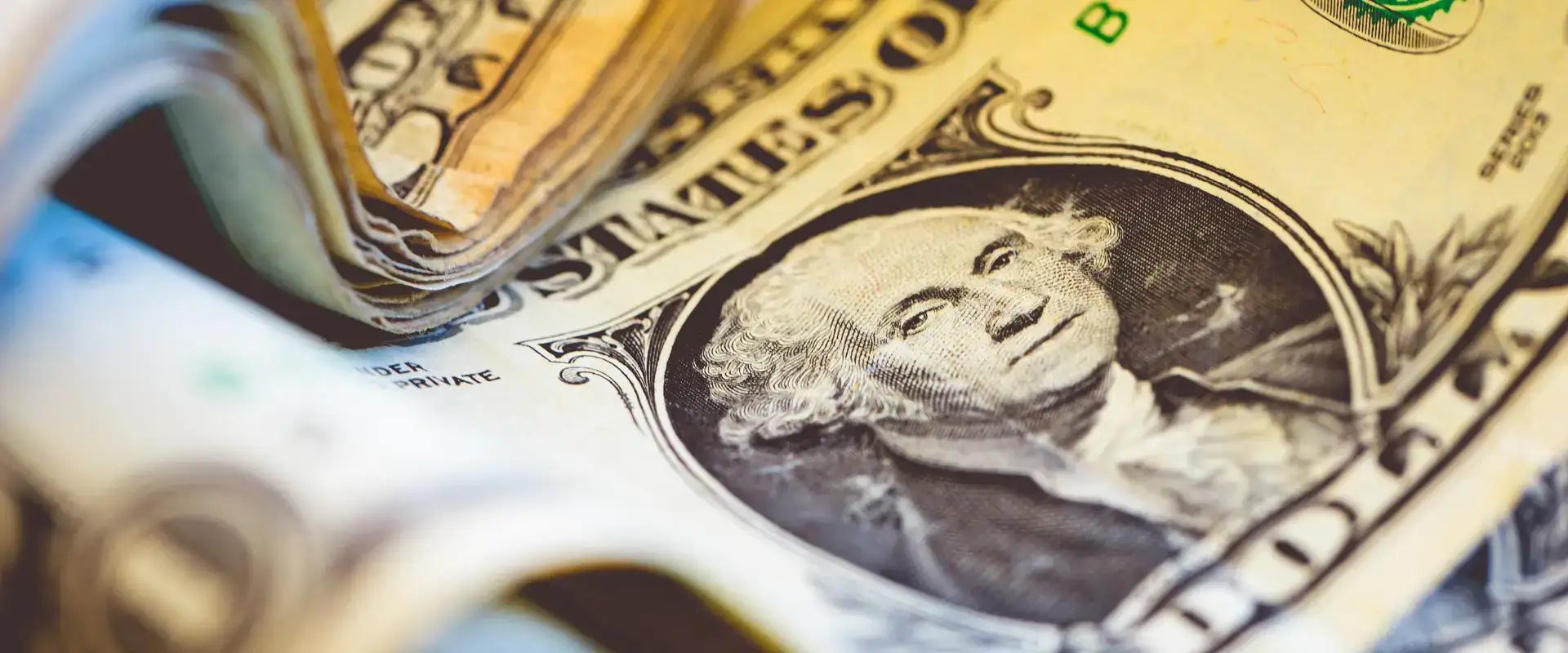
You don’t need to exchange a thing—ecuador currency is the US dollar. According to the Banco Central del Ecuador, the country adopted the USD as official currency in January 2000 after a banking crisis collapsed the old sucre. You’ll spend the same bills and coins you carry from home, plus Ecuador-minted centavo coins (1, 5, 10, 25, 50¢) that swap freely with American change.
- No Exchange Needed: Visitors from the US don’t need to exchange a single bill.
- Coin System: Ecuador mints its own 1, 5, 10, 25, and 50¢ coins—same size/value as US coins.
- Bill Denominations: Bring $1, $5, $10, $20 notes. Few vendors break $50 or $100.
- Bill Condition: Crisp, untorn dollar bills only. Worn or written-on bills get rejected.
Pair It With the Galápagos: 9 Day Ecuador & Galápagos Tour
Ecuador uses US dollars as its official currency, so bring dollars or withdraw from ATMs—no exchange needed. ATMs are available in major cities and tourist towns. Credit cards work at most establishments but cash is essential for markets and small restaurants. Budget $40-60 per day for hostels, local food, and transport. Withdraw larger amounts less frequently to minimize ATM fees. Notify your bank before traveling to avoid card blocks. Skip airport ATMs (highest fees); use in-bank ATMs instead.
Money stuff makes travelers anxious. I’ve had people ask me a hundred times about Ecuador’s currency, worried about getting cheated or running short. It’s actually one of the easiest things about traveling here because we use US dollars. That decision by the government in 2000 completely changed how travelers experience Ecuador. It’s one reason Americans find this place so straightforward compared to other South American countries.
I run a travel business, and one thing I’ve learned is that money questions reflect deeper travel anxiety. People worry they’ll get scammed, they’ll run out of cash, they’ll be stranded. In Ecuador, these worries are overblown. The currency situation is transparent, ATMs work, and costs are low. Yes, ATM fees exist. Yes, you should have a strategy. But it’s not complicated.
This guide covers what you actually need to know: how to bring money, where to access it, what ATM fees to expect, and how to structure your spending so you’re not constantly managing cash. By the end, you’ll feel confident about the money side and can focus on the actual experience.
What Currency Does Ecuador Use? The US Dollar Explained
So, what currency does Ecuador use? The short answer: the US dollar—same bills, same coins, no exchange needed. In 2000, Ecuador switched from the sucre to the US dollar as its official currency. This happened during economic crisis—the sucre was essentially worthless—and the government made a dramatic decision: adopt the dollar entirely. No central bank control over currency printing. Just straight dollars.
For travelers, this is a massive advantage. No exchange rates to calculate. No currency conversion fees. Your USD stays USD the entire time. If you’re from the US, it’s like traveling within your own currency. If you’re from elsewhere, you convert once at your home airport or ATM when you arrive, and everything’s straightforward from there.
Coins exist: 1¢, 5¢, 10¢, 25¢ pieces, plus $1 coins (less common). Paper money comes in $1, $5, $10, $20, $50, $100 denominations. Smaller denominations are more useful—many places can’t break a $100.
What this means: bring small bills. A wallet of $20 and $10 notes is more useful than a single $100 bill. If you only have large bills, use ATMs in bank lobbies to get smaller denominations or ask shops if they can break bills (some will, some won’t).
Currency of Ecuador: Where to Bring or Get Your USD
The currency of Ecuador is the same one you have in your wallet right now—pure US dollars, no parallel local currency. You’ve got a few realistic options:
Bring US dollars: I usually travel with $300-400 in cash as a buffer. Bring it in carry-on luggage, not checked bags. Small bills primarily. Cost? Nothing; you’re just carrying your own money. Want this as part of a longer Ecuador trip? Tell us your dates and we will build it around you.
Use ATMs when you arrive: Land in Quito or Guayaquil, find an in-bank ATM, withdraw $200-300, and you’re set. This is the strategy most travelers use. Cost is the ATM fee—typically $2-4 per withdrawal.
Credit cards: Carry a backup but don’t rely on it exclusively. Hotels and established restaurants take Visa and Mastercard. Markets, street food, and small establishments don’t. American Express? Less common; I’d skip it unless it’s your primary card.
Travel insurance with emergency cash: Some travel insurance includes emergency cash access. Check your policy. It’s a safety net more than a primary strategy.
Here’s my real advice: bring $300-400 in US dollar cash and one credit card. Land, visit an ATM in the airport bank or at your first hotel, and withdraw $200-300. That gives you cash for the next 5-7 days. Repeat as needed.
Ecuador Currency to USD: ATMs, Networks & Fees
Converting ecuador currency to USD is a non-issue (they’re the same thing), but knowing which ATMs charge the lowest fees is what saves you real money. ATMs are throughout Ecuador, but specifics matter.
Major networks: Banco del Pichincha, Banco de Guayaquil, Banco Pacifico, and CAJA (cooperative). Most accept Visa, Mastercard, and international ATM cards. Look for blue, red, or orange ATM machines—colors indicate networks.
Availability: Abundant in Quito, Guayaquil, Cuenca, and other tourist destinations. Smaller towns have one or two. Remote villages? You won’t find ATMs; bring cash.
Fees: Here’s where it stings. ATM fees are $2-4 per withdrawal typically. Airport ATMs charge $3-4 because they’re opportunistic. Convenience store ATMs charge $2-3 because they’re convenient. Bank ATMs inside bank lobbies charge $1-2. Strategy: use in-bank ATMs, withdraw larger amounts (though this carries risk), and avoid airport/convenience store ATMs if possible.
Withdrawal limits: Daily limits are usually $500-1000 depending on your bank. Ask your bank before traveling what your limits are. Multiple withdrawals on the same day might be blocked.
Hours: In-bank ATMs work 24/7. In-lobby ATMs sometimes require a card swipe to enter. This is an advantage—they’re secure. Plan your withdrawals accordingly.
Safety: Use ATMs in daylight or busy times. Avoid late-night solo ATM visits. Use ATMs inside banks or hotels rather than standalone machines on streets. Watch for skimming devices (they’re rare but exist). If an ATM looks suspicious—tape on slots, loose parts—skip it.
Ecuador Currency to Dollars: Credit Cards & Payment Methods
Since ecuador currency to dollars is a 1:1 question, your card transactions in Ecuador post in the exact same USD amount you’d see at home—no FX conversion line. Credit cards work at hotels, established restaurants, shops, gas stations, and airlines. Visa and Mastercard are standard. American Express is less common—maybe 50% of places that take cards accept it.
Card fraud happens anywhere, but it’s not an Ecuador-specific thing. Notify your bank before traveling; otherwise, international transactions might get blocked. I’ve had it happen where a hotel charged my card and the bank blocked it as suspicious activity.
Debit cards work at ATMs and stores, but they’re risky if your account’s compromised—that’s your actual money, not borrowed money like credit cards. Use credit cards when possible for fraud protection.
Never give your card to someone to process off-site. Always stay with your card. This isn’t unique to Ecuador, but it’s worth repeating.
Contactless payment? Apple Pay, Google Pay? They work at some establishments in bigger cities, but cash and card remain more reliable. Don’t count on digital wallets here.
The backup strategy: if something happens to your primary card, you want options. Carry one credit card and one debit card from different banks if possible. It’s rare both get compromised simultaneously.
Daily Budget Breakdown & Money Management
Let me give you realistic numbers from actual travelers I’ve guided:
Budget Category: $40-60/day – This is the absolute minimum for backpackers. Hostels ($12-18/night), market meals and street food ($15-20/day), and buses ($2-5/day). Tight but doable if you’re not into nightlife.
Comfortable Category: $70-100/day – Nicer hostel or budget hotel ($25-35/night), restaurants with variety ($25-35/day), and activities ($20-30/day). This is what most travelers aim for.
Premium Category: $120+/day – Mid-range hotels ($50-80/night), restaurants you pick based on name not budget ($30-50/day), tours and activities ($40+/day).
Specific costs to budget: Hostel bed: $12-20/night. Private room mid-range hotel: $40-70/night. Market meal: $2-4. Restaurant meal: $4-12. Bus within city: $0.35. Long-distance bus Quito to coast: $8-12. Domestic flight Quito to Amazon: $100-200. Galápagos flight: $500-800. Day tour with meals: $50-90.
Multi-day tours are often better value than doing activities à la carte. A 3-day Amazon tour ($350-450) includes meals and lodging, so it’s not as expensive as it sounds compared to hotel + meals separately.
Money management tactic: Carry cash in two places—pocket and bag. If one’s lost, you’ve got backup. Avoid carrying all your money in one location. Use hostel safes for passports and spare cash. Withdraw enough for 5-7 days at a time to minimize ATM fees, but not so much that losing it ruins your trip.
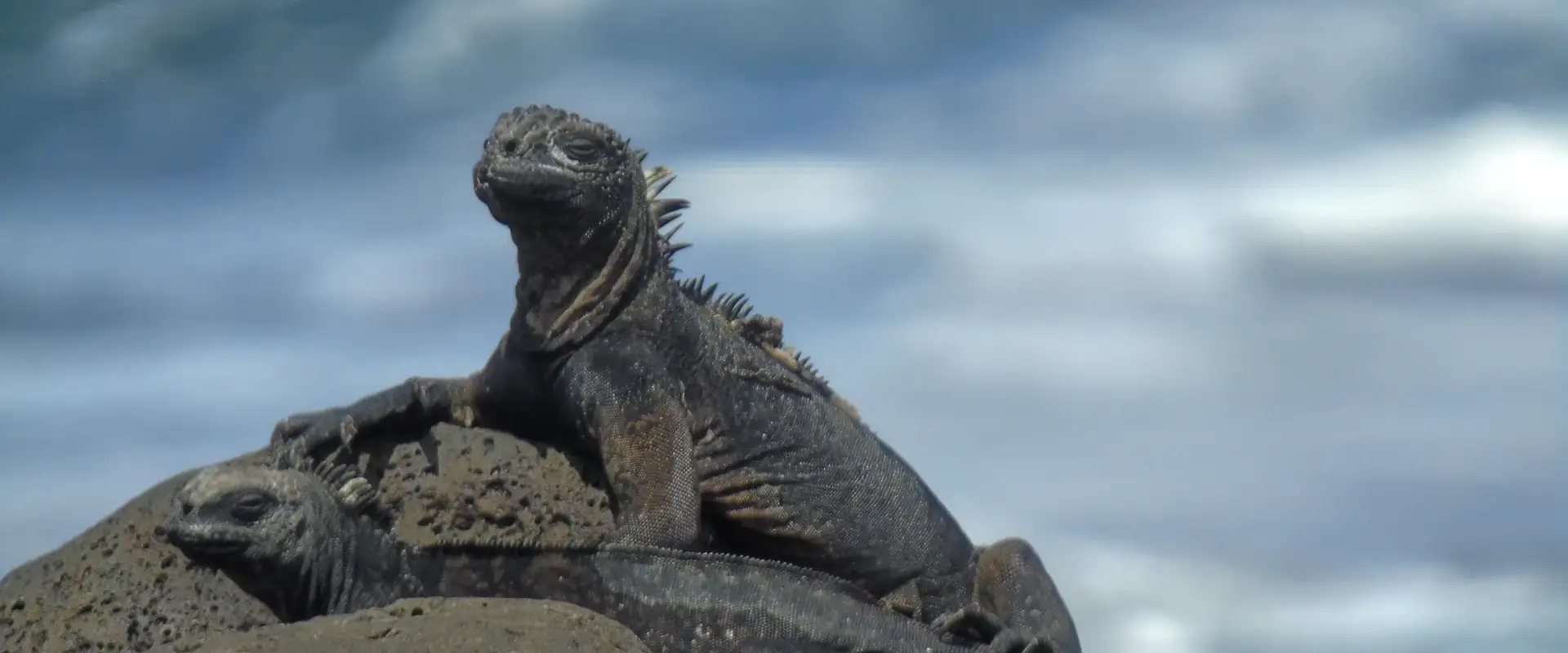
START IN QUITO, END IN THE GALÁPAGOS
9 Day Ecuador and Galapagos Tour: Andes, Amazon and Santa Cruz
Quito, Cotopaxi, Quilotoa, Baños and the Amazon with your own guide, then three nights on Santa Cruz with tortoises, beaches and snorkeling.
From $1,990 per person
View itineraryBanking Hours, Currency Exchanges & Special Situations
Banks open 9 AM to 5 PM Monday through Friday, 9 AM to 1 PM Saturday. Closed Sundays. ATMs in bank lobbies operate 24/7 but require card access to enter. Plan accordingly—don’t let your cash run dry on Sunday with banks closed.
Currency exchanges aren’t a thing here because we use dollars. If you somehow have another currency, exchanging it gets difficult. Exchange offices (casas de cambio) exist in major cities but charge fees and rates aren’t favorable. Just use ATMs instead—you get better rates through your bank than through exchange offices.
Traveler’s checks? Honestly, they’re obsolete. ATMs and credit cards replaced them. Some banks still exchange them, but it’s a hassle. Skip them.
Bitcoin and crypto? Some tourist areas in Quito accept it, but it’s niche. Don’t count on it. Stick with dollars and cards.
Lost or stolen cards: Contact your bank immediately. US banks’ 1-800 numbers don’t work from Ecuador; look up the international number before traveling. Your bank can wire emergency funds or overnight a new card to your hotel. It takes a day or two but it’s possible.
Regional Money Variations & Tips by Area
Quito & major cities: ATMs everywhere. Cards accepted widely. Can withdraw cash easily. Prices higher than rural areas.
Coastal towns: ATMs in major beach towns like Montañita and Puerto López. Smaller fishing villages might have one ATM. Bring cash before heading to remote beaches.
Amazon lodges: Many require pre-payment. Some accept cards for the full amount; others prefer deposit by bank transfer and balance paid in cash. Clarify with your lodge. Don’t assume cards will work deep in the jungle.
Galápagos: Everything has a price and cash-dependent. Budget $150-300/day minimum. Many establishments accept cards, but bring extra cash. Tourism fees are separate and payable by card or cash.
Rural villages & mountain towns: Cash only usually. No ATMs. Don’t go remote expecting to withdraw money. Plan ahead.
| Activity/Cost | Budget | Comfortable | Premium | Notes |
|---|---|---|---|---|
| Hostel Bed | $12-15 | $18-25 | $30+ | Private rooms cost $40-80 |
| Daily Meals | $10-15 | $20-30 | $40+ | Markets cheaper than restaurants |
| Transport/Buses | $2-5 | $3-8 | $10+ | City buses $0.35 or 0.45; long-distance $0.05/km |
| Activities/Tours | $15-30 | $30-60 | $100+ | Multi-day tours have better per-day value |
| Flights (domestic) | $60-100 | $60-100 | $100+ | Book in advance for better rates |
| Daily Total | $40-60 | $70-100 | $150+ | Galápagos adds $100+/day |
Essential Money Management Tips:
- Bring $300-400 USD cash in carry-on luggage
- Use in-bank ATMs to minimize fees ($1-2 vs. $3-4 at airport ATMs)
- Withdraw $200-300 at a time, not small amounts repeatedly
- Notify your bank of travel dates before leaving home
- Carry one credit card as backup; Visa/Mastercard most accepted
- Keep credit card separate from cash in case of loss
- Use hostel safes for passports and spare money
- Market meals cost $2-4; restaurants cost $6-12 for similar food
- Budget $40-60/day for hostels, food, and transport (backpackers)
- Budget $70-100/day for comfort (mid-range hotels, varied restaurants)
- Don’t change money at airports or exchange offices (ATM rates better)
- Carry cash in two locations for redundancy
- Plan cash withdrawals before remote trips—no ATMs in villages
- Avoid ATMs late at night or in sketchy areas
- Watch for ATM skimming; use well-lit, secure machines
- Multi-day tours often better value than daily activities
- Check daily withdrawal limits with your bank before traveling
- Don’t overstay—fines and fees aren’t worth it
Ecuador Currency FAQ
Looking for more on Ecuador Currency? Browse our related coverage on ecuador currency guide, ecuador currency tour, visit ecuador currency, and reach out to our local experts for personalized planning.
What currency does Ecuador use?
Ecuador uses the US dollar (USD) as its only official currency. There’s no separate Ecuadorian banknote in circulation—just the same US bills you’d use at home, plus locally minted Ecuadorian centavo coins (1, 5, 10, 25, 50¢) that swap freely with American coins. So if you’re flying in from the US, you literally don’t need to exchange a thing.
How much is 1 USD in Ecuador?
One US dollar is worth exactly one US dollar in Ecuador. Since Ecuador adopted the dollar in 2000, there’s no exchange rate to track—$1 buys you the same thing in Quito as it does in Miami. The ecuador currency to USD ratio is always 1:1.
Why does Ecuador use US currency?
Ecuador adopted the US dollar in January 2000 after a banking crisis sent the old sucre into hyperinflation—the rate dropped from 18,000 to 25,000 sucres per dollar in just months. Dollarization froze inflation, restored consumer confidence, and stabilized the economy. It’s now permanent and politically untouchable.
Is it better to use cash or card in Ecuador?
Cash for everyday purchases (taxis, markets, small restaurants, anywhere outside Quito and Guayaquil city centers). Card for hotels, big restaurants, tour bookings, and major supermarkets. Most small businesses add a 4-8% surcharge for credit card payments, so cash often saves you money.
Are ATMs available in Ecuador?
Yes—ATMs (called cajeros automáticos) are everywhere in Quito, Guayaquil, and Cuenca. Banco Pichincha, Banco del Pacífico, and Produbanco have the most reliable networks. Fees run $3-$5 per withdrawal plus your home bank’s international fee. ATMs are scarce in the Galápagos and Amazon regions—bring extra cash before you head there.
What’s the daily budget for Ecuador?
Budget travelers: $30-50/day (hostels, set lunches, public buses). Mid-range: $80-120/day (mid-range hotel, restaurant dinners, occasional tours). Luxury: $200+/day (boutique hotels, local guides, fine dining). The Galápagos roughly doubles each tier because of import costs and entry fees.
What was Ecuador’s currency before the US dollar?
The Ecuadorian sucre—introduced in 1884 and named after independence hero Antonio José de Sucre. By 1999, banking collapse sent the sucre into freefall, and Ecuador switched to the dollar on January 9, 2000. The last sucre banknotes stopped circulating in March 2001.
Are there special rules about US bills in Ecuador?
Yes, two big ones: First, bring small bills—$1, $5, $10, $20. Vendors rarely break $50 or $100 notes (locally called billetes feos, “ugly bills”). Second, bills must be crisp and intact. Torn, taped, or written-on bills get rejected even by banks. Check your cash before you board the plane.
Money Figured Out, Adventure Ahead
Once you understand Ecuador’s currency situation, the money stress dissolves. It’s straightforward, costs are low, and ATMs work. Bring some cash, use ATMs strategically, keep a credit card backup, and you’ll never stress about money again.
Want context on how far your money goes? Check our complete Ecuador travel guide with regional price breakdowns, or read our Ecuadorian food guide to see what affordable meals look like. For multi-day trip planning with budget in mind, see our 7-days itinerary.
Have questions about specific ATM situations or payment methods? Drop them in the comments.
The Bottom Line on Ecuador Currency
Here’s the takeaway: ecuador currency is the easiest part of your trip—US dollars, no exchange, no math. Bring small bills, keep them crisp, use a major-bank ATM in Quito or Guayaquil for refills, and tip 10% in restaurants. Money handled. Now go enjoy Ecuador. For deeper reading, the references below are worth a look.