Ecuadorian Food: Best Local Guide by Region (Sierra, Coast, Amazon, Galápagos)
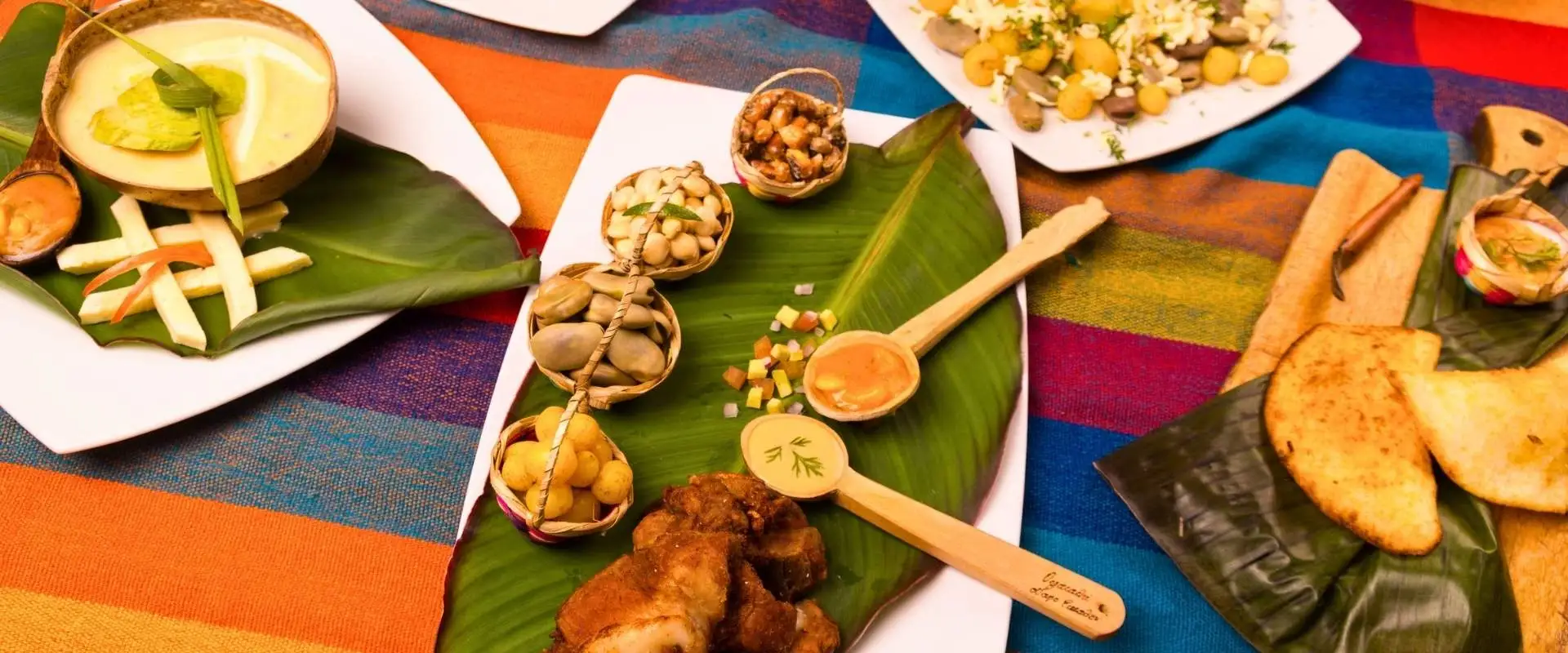
Most “best Ecuadorian food” lists you find online are wrong, or at least incomplete. They mix Sierra dishes with coastal ones, leave out the Amazon entirely, and treat Galápagos like an afterthought. The truth is that Ecuador isn’t one cuisine — it’s four. The food in Quito at 2,850 meters is a different culinary world from what you eat in Manta on the Pacific or Tena in the Amazon basin. Mixing them up like the listicles do gives you a fake “Ecuadorian food” that doesn’t really exist.
Ecuadorian food splits into four regional cuisines: Sierra (Andean potato-and-pork dishes), Coast (seafood and plantain), Amazon (river fish and yuca), and Galápagos (lobster and brujo). Traditional Ecuadorian food rotates by region, and the official tourism body MINTUR catalogs over 400 traditional dishes across these four zones. Typical Ecuadorian food changes every 200 km of altitude — and most famous Ecuadorian food lists ignore this. What is Ecuadorian food, really? Four cuisines under one flag.
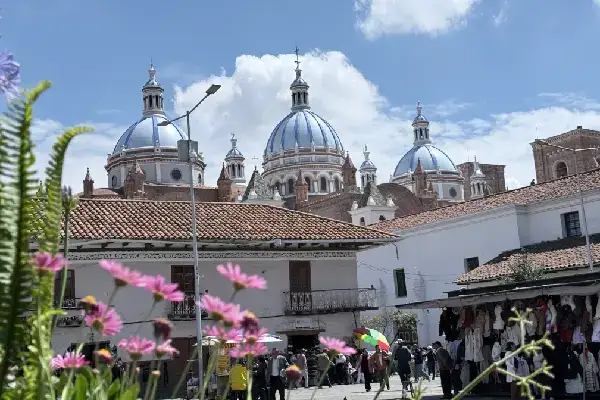
Ecuador 7-day trip: all four food regions in one route.
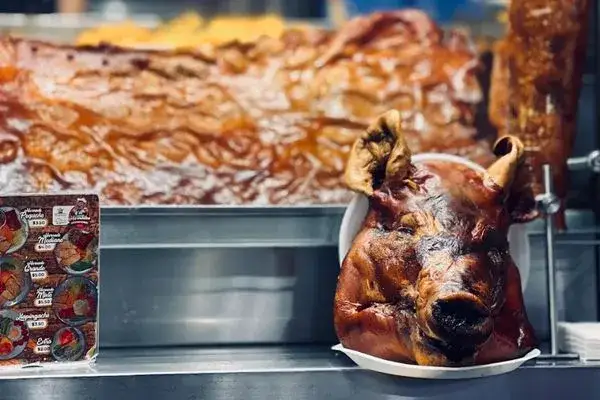
Why Ecuadorian Food Has Four Regions, Not One
Ecuador’s geography forces this division. The Andes split the country into a coastal lowland, a high Sierra, and an Amazon basin, each with completely different climates, ingredients and indigenous food traditions. Then the Galápagos, 1,000 km offshore, developed its own seafood-fusion identity. A traditional Sierra cook works with potatoes, corn, freshwater fish, cheese, and meats; a coastal cook builds everything around shrimp, plantain, peanut, and tropical fruit; an Amazon cook uses river fish, cassava, palm hearts, and ingredients you’ve never seen. Calling all of that one cuisine is like calling Italian and Mexican food the same thing because they both use tomatoes.
Sierra (Andes) Food: The Heartland
What most travelers eat in Quito, Otavalo, Riobamba, Cuenca, Loja and the Andean towns. Cool weather, high altitude, slow-cooked stews, hearty starches, the country’s capital cuisine.
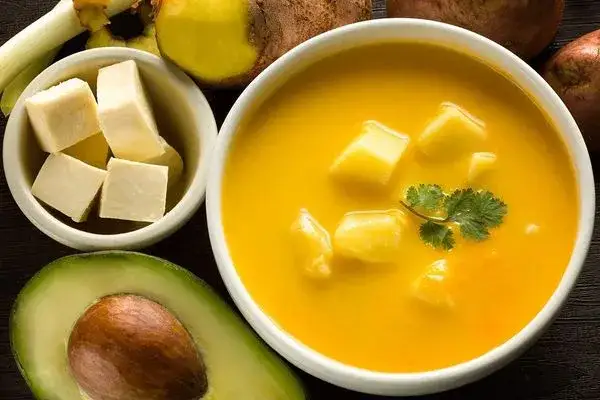
Locro de papas
Andean potato-and-cheese soup with avocado on top. The ultimate altitude comfort food. You’ll see it on every Sierra menu. Best at family-run almuerzos (set lunches) for $3-5.
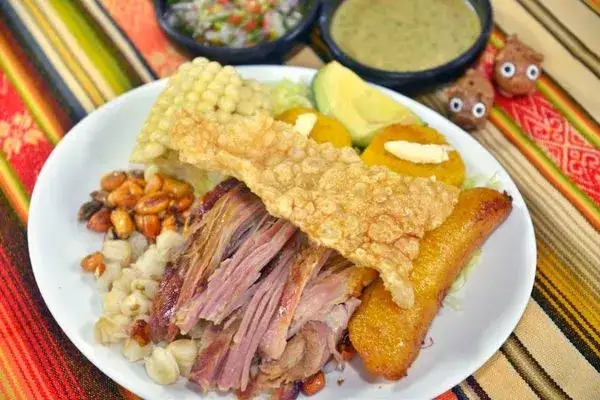
Hornado
Whole-roast pork with crispy skin, served with corn (mote), beans, and avocado. Slow-roasted in wood ovens. Markets in Sangolquí (Sundays) and Cuenca have the country’s best. $4-7 a plate.
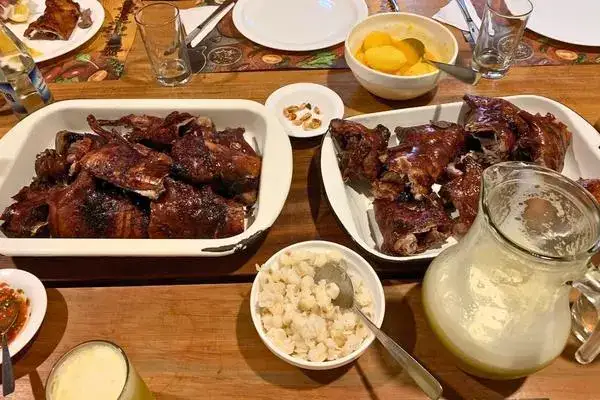
Cuy (roast guinea pig)
The most-asked-about dish from foreign visitors. Yes, it’s traditional. Yes, locals eat it. Best at family restaurants in the Sierra — Cuenca, Cuicocha lake area, the road to Saquisilí. The taste is somewhere between rabbit and dark-meat chicken. $15-25 per cuy (one feeds two people). Not sure where this fits in your itinerary? Send us your dates and we will sort the order out.
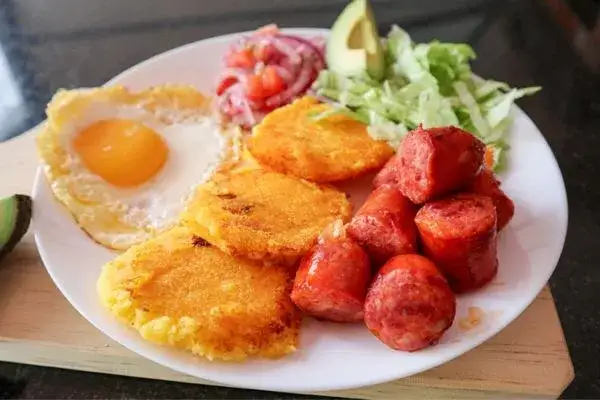
Llapingachos
Cheese-stuffed potato patties grilled on a hot plate, usually served with peanut sauce, sausage and a fried egg. Sierra street-food classic. $3-6 a plate.
Mote
Corn that’s been hominy-style processed and served with everything. Mote pillo (corn + scrambled egg) is the Cuenca breakfast standard.
Caldo de gallina
Rich chicken broth, often served at dawn at markets. The Otavalo Saturday market food court has the country’s best version. $2-3.
Fritada
Pork chunks slow-cooked in their own fat with herbs, then fried at the end. The Sierra weekend lunch. Almuerzo restaurants do it daily.
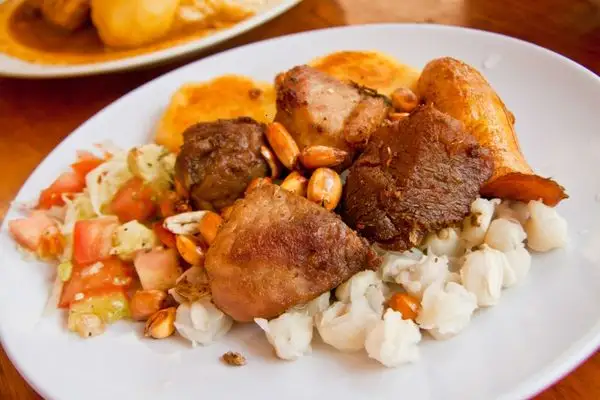
Coast (Pacific) Food: Seafood + Plantain
Manta, Salinas, Montañita, Bahía, Esmeraldas — the Pacific coast eats nothing like the Sierra. Hot weather food: lighter, brighter, more acidic, built around shrimp and saltwater fish. Plantain is the carb of choice instead of potato.
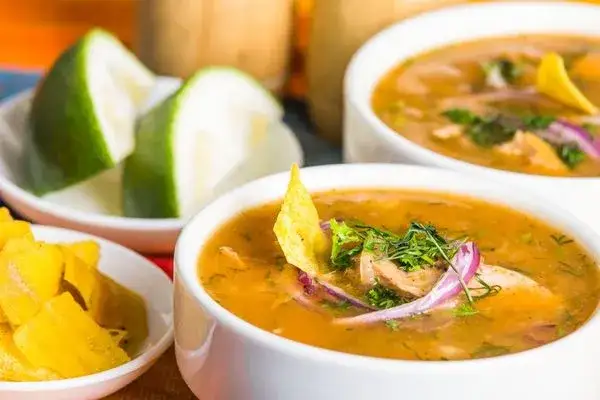
Encebollado
Tuna stew with red onion, yuca and lime — the Ecuadorian breakfast hangover cure. Nationally beloved but coast-perfected. Try it at a market food stall, not a tourist restaurant. $3-5.
Ceviche ecuatoriano
Different from Peruvian — Ecuadorian ceviche is “wet” with leche de tigre broth, often shrimp-based, served with chifles (plantain chips) and popcorn on the side. Best at coastal towns and markets in Guayaquil. $5-12.
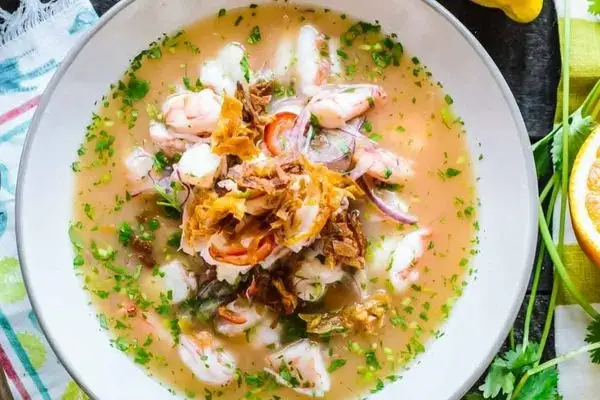
Encocado
Fish or shrimp stewed in coconut milk, hugely popular on the northern coast (Esmeraldas province). Afro-Ecuadorian heritage dish. The northern beach towns do this best. $8-12.
Bolón de verde
Mashed green-plantain ball stuffed with cheese, pork or chicharrón, then pan-fried. Coastal breakfast staple. $2-4.
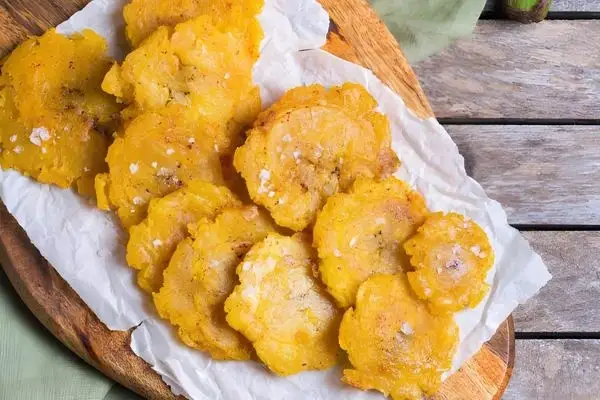
Patacones
Twice-fried green plantain rounds, salty and crunchy. Side dish to nearly everything coastal. Made in front of you at beach shacks.
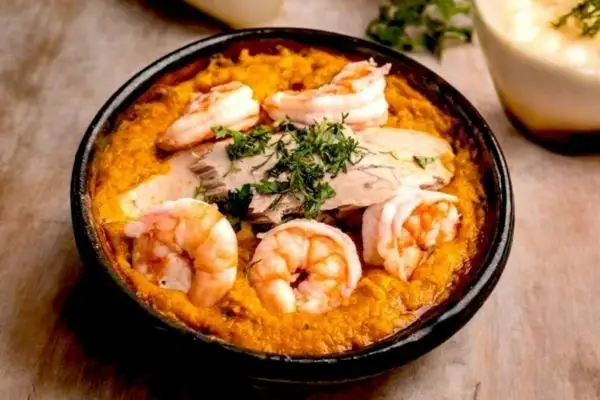
Cazuela
Seafood stew thickened with peanut and green plantain, baked in a clay pot. Manta’s signature dish. $10-15 at proper coastal restaurants.
Amazon (Oriente) Food: River Fish + Cassava
The least-documented Ecuadorian regional cuisine. Built around river ingredients (paiche fish, tilapia, piranha), cassava, palm hearts, exotic fruits, and indigenous Kichwa, Shuar and Achuar traditions. You’ll mostly encounter this in lodge cuisine, indigenous community dinners, or in the Amazon-gateway towns of Tena, Coca and Puyo.
Maito
River fish (often tilapia or paiche) wrapped in bijao or banana leaves with salt, herbs and palm hearts, then grilled over open fire. The signature Amazon dish. The leaves come off at the table. Indigenous communities and Tena restaurants serve the real version.
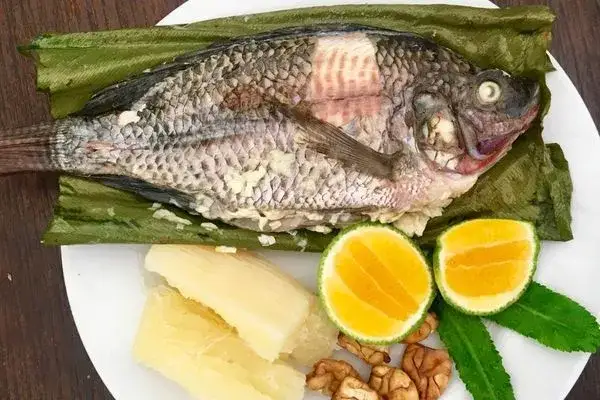
Yuca
Cassava — boiled, fried, or pounded into bread. The Amazon’s daily starch. Yuca with maito is the standard plate.
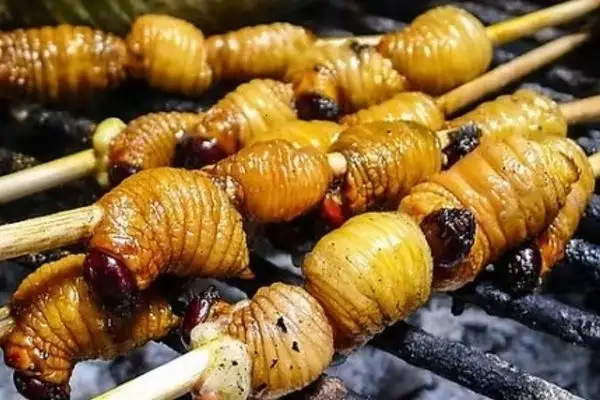
Chontacuro
Yes, the Amazon palm grub. Eaten as a delicacy by Kichwa communities, often grilled on a stick. Tastes nutty when cooked. Tena markets sell them; lodges occasionally serve.
Chicha de yuca
Fermented cassava drink, traditionally chewed and fermented by women. Indigenous community ceremonies. Mild alcohol content; tangy.
Palmito
Heart of palm, much fresher in the Amazon than the canned version. Served as salad, fritters, or in stews.
Galapagos Food: The Fusion
The Galápagos developed a hybrid cuisine — coastal Ecuadorian seafood traditions adapted to limited supply chains and a tourism economy. Most ingredients are imported by ferry from the mainland; everything fresh comes from the local fishery. Eat where the fishermen eat, not at the cruise dock restaurants.
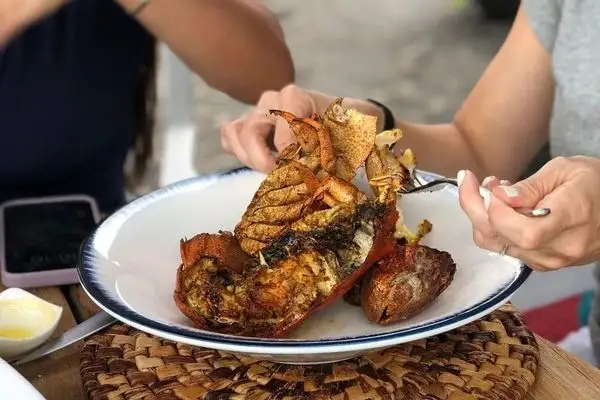
Lobster (langosta espinosa)
Spiny lobster, in-season July-September. The cheapest fresh-lobster dinner in Latin America. Try at a kiosko on Charles Binford street in Puerto Ayora (Santa Cruz). $20-35 a plate including sides.
Encebollado de pescado fresco
The mainland classic, but with fish caught the same morning. The texture difference is real.
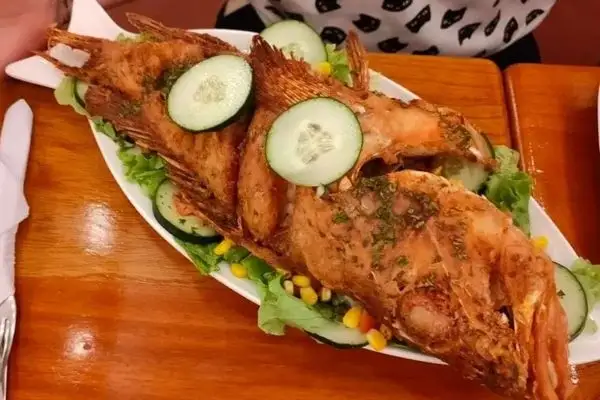
Brujo (sailfish)
Local big-fish species, often grilled or in stew. Distinctive sweet flavor.
Sea cucumber + black coral notes
Historically Galápagos fishermen depended on sea cucumber harvest. Most species are now protected; you won’t see it on menus, but the history shapes the islands’ food culture.
Ecuadorian Drinks Worth Knowing
- Canelazo: Hot cinnamon-spiced drink with sugarcane alcohol. Sierra altitude warmer; ubiquitous in Quito.
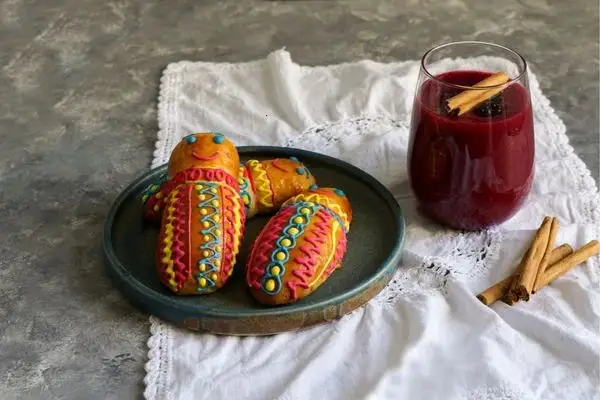
- Colada morada: Purple corn + 13 fruits drink, served with guaguas de pan (sweet bread baby figures) for Day of the Dead (Nov 2).
- Naranjilla / lulo juice: Sour-sweet Andean fruit, the country’s most distinctive juice flavor.
- Tomate de árbol: Tree tomato — tart, blended into juice with sugar.
- Chicha: Fermented corn drink (Sierra) or yuca (Amazon). Indigenous traditions.
- Pájaro azul / Zhumir: Local sugarcane spirits. Pájaro azul is the Cuenca specialty.
Where to Actually Eat in Ecuador
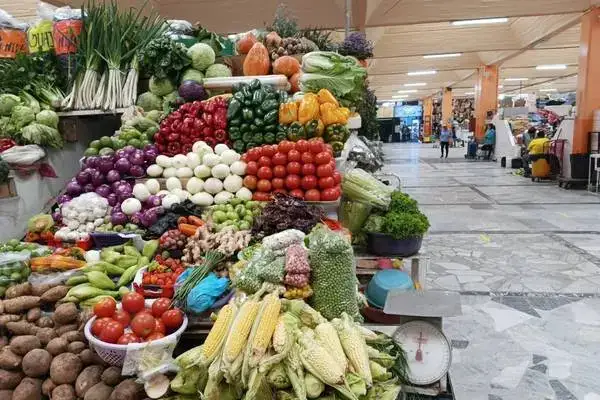
Skip the gringo-trail tourist restaurants on the main plaza of every Sierra town. The good food is at:
- Markets (mercados): Every Ecuadorian town has one. The food court is upstairs or in the back. $3-6 for a full plate of regional specialty.
- Almuerzos (set lunches): Family-run lunch spots. $3-5 for soup + main + juice + small dessert. Look for “almuerzo $3” handwritten signs.
- Asadero / parrilladas (grill houses): Weekend dinner staple in the Sierra.
- Beach kiosks (kioskos): Charles Binford in Galápagos, the malecón in Salinas, the seafront in Manta.
- Sunday hornado markets: Sangolquí (near Quito), Saquisilí, Cuenca — full-day food festivals.
Frequently Asked Questions
What is Ecuadorian food?
What is Ecuadorian food? It’s four regional cuisines under one flag — Sierra (Andean potato/corn/cheese-based), Coast (seafood/plantain/peanut), Amazon (river fish/cassava/palm), and Galápagos (seafood fusion). Most “best of Ecuadorian food” lists mix the regions, but locals eat very differently in each one.
What is traditional Ecuadorian food?
Traditional Ecuadorian food is regional and pre-Columbian at its roots. The most iconic traditional Ecuadorian food dishes are hornado (slow-roasted pork) in the Sierra, encebollado (tuna and yuca soup) on the Coast, and maito (river fish wrapped in bijao leaves) in the Amazon. Markets serve the most authentic versions.
What is typical Ecuadorian food?
Typical Ecuadorian food varies by region but the most common dishes you’ll see on local menus are llapingachos (potato-cheese cakes) in the Sierra, bolón de verde (plantain ball) on the Coast, and ceviche almost everywhere. Typical Ecuadorian food relies heavily on potatoes, plantains, rice, and pork or fish.
What is the national dish of Ecuador?
There isn’t one official national dish, but the closest contenders are encebollado (the unofficial national hangover cure) and seco de chivo (goat stew). Official tourism info: Ministerio de Turismo del Ecuador.
Is Ecuadorian food spicy?
Usually no — Ecuadorian food is generally mild compared to Mexican or Peruvian. The heat comes on the side via “ají” (a spicy sauce of tree chili, onion, and tomato) that you add to taste. For more on traditional ingredients see the Wikipedia entry on Ecuadorian cuisine.
What is a delicacy in Ecuador?
The classic Ecuadorian delicacy is cuy — roasted guinea pig, an Andean tradition over 5,000 years old, served at Sunday markets in Cuenca, Sangolquí and Latacunga. Other delicacies: hornado (whole roasted pork), seco de chivo (slow-cooked goat stew), and Galápagos lobster (langosta espinosa). Locals treat these as special-occasion food, not the everyday plate.
What are some common Ecuadorian street foods?
The street food you’ll see everywhere: encebollado (tuna and yuca soup) at Coast food stalls, bolón de verde (green plantains mashed with cheese and pork) for breakfast, llapingachos (potato patties with chorizo) in Sierra mercados, empanadas de viento (puffy cheese pastries), and shrimp ceviche served with rice or chifles. Best spots: Mercado Central in Quito and the malecones in Manta and Guayaquil.
What is the most famous Ecuadorian food?
The most famous Ecuadorian food internationally is ceviche (especially the Coastal version with shrimp or fish) and cuy (roasted guinea pig from the Andes). Inside Ecuador, encebollado is often called the national hangover cure and a strong contender for most famous Ecuadorian food dish.
Where can I try authentic Ecuadorian food?
Local markets (mercados) are the best — every town has one with a food court. In Quito: Mercado Central, Mercado Iñaquito, Mercado San Roque. In the highlands: Saquisilí Thursday market and Sangolquí Sunday hornado festival. Skip the tourist restaurants on Plaza Grande.
What are Ecuadorians known for eating?
Ecuadorians eat by region. Sierra (Andes) diet centers on potatoes, corn, and pork. Coast: fish, shrimp, green plantains, peanut sauces. Amazon: river fish and yuca. Galápagos: lobster, brujo, fresh fish. Traditional dishes locals eat daily are rice plus a protein plus a small salad, with ají sauce on the side. Most Ecuadorian food is served with rice — a leftover from the country’s position in South America’s rice belt.
Plan Your Ecuadorian Food Tour
The best way to eat your way through Ecuador is to follow the regions. Two days in Quito for the Sierra basics (locro, hornado, llapingachos), two days on the coast for ceviche and encocado, an Amazon lodge night for maito, and Galápagos lobster if your trip includes the islands. That four-region food map is the real “Ecuadorian cuisine” experience — and it tastes nothing like the listicles suggest.
For region-specific deep dives see our Ecuadorian cuisine archive. Pair with our Quito guide for the best Sierra food spots, our coast guide for seafood, or our itinerary planner to build a multi-region food trip.