
La Ronda Quito: 7 Honest Things to Do on Calle La Ronda
La Ronda Quito is Old Town’s liveliest colonial street. What to eat, when to visit (after 7pm), and how to walk in from Plaza Grande in 10 min.

the Quito Trips team, local guides in QuitoUpdated · 7 min read
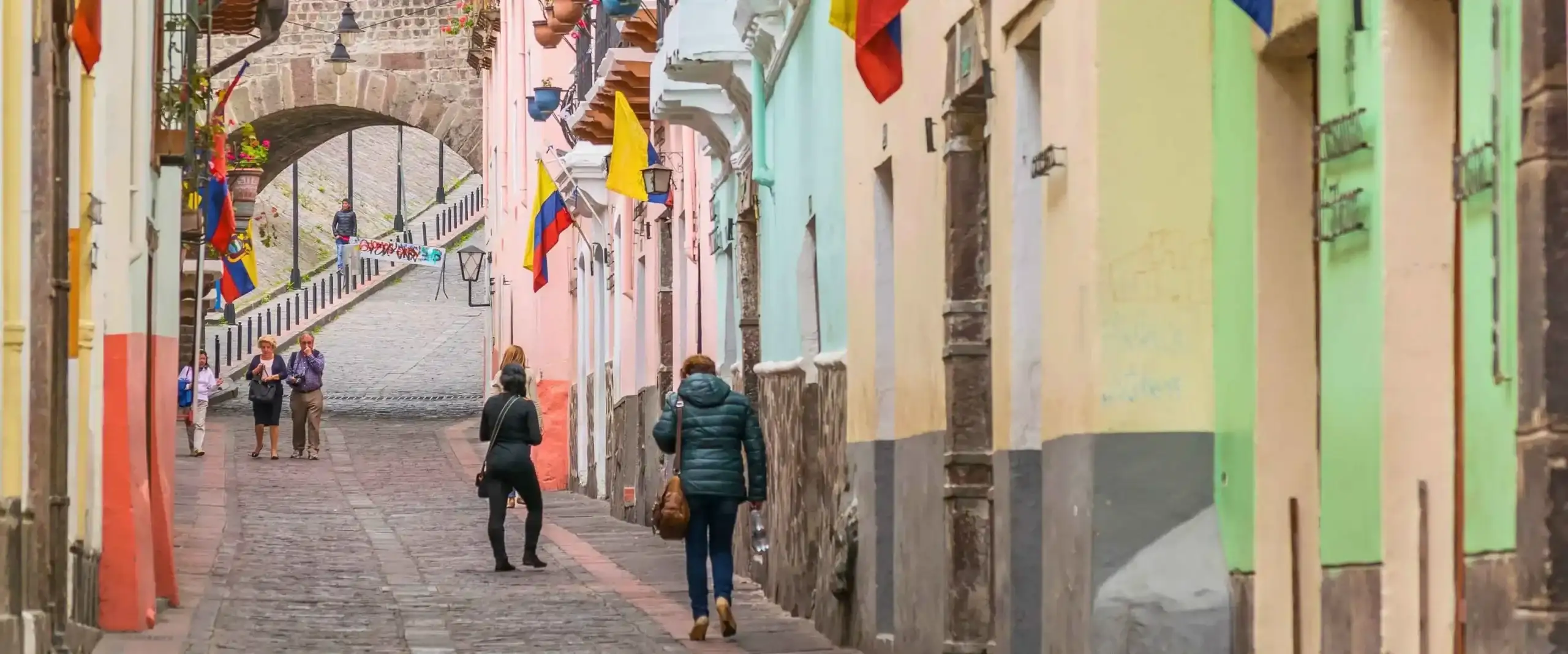
La Ronda Quito (officially Calle La Ronda) is a restored 17th-century pedestrian street in Quito’s UNESCO-listed Old Town, part of the first city in the world declared a World Heritage Site (1978). It runs along Morales Street between Venezuela and Guayaquil. On Tripadvisor, 2,579 travelers rate it 4.3 out of 5, and it ranks #19 of 290 things to do in Quito. After 7pm the street fills up: empanadas de viento, canelazo, live music and artisan workshops you can walk into.
Pair it with the Galápagos: 9 Day Ecuador & Galápagos Tour
If you only have one evening in Quito, spend it here. In a few blocks you get colonial history, food, craft workshops and nightlife.
La Ronda sits inside the Quito Historic Center and is one of the most visited, and most photographed, spots in Ecuador.
Below you’ll find what to do, what to eat, how to stay safe and a few things locals know.
What is La Ronda Quito? (Calle La Ronda)
Some background most guides leave out. The street follows the old Ullaguanga-huayaco creek bed, an indigenous path older than the colonial city. By the 19th century La Ronda was where poets, musicians and intellectuals met, among them Eugenio Espejo, a forerunner of Ecuador’s independence. There’s even an underground speakeasy that locals call The Bat House, hidden behind one of the colonial doorways. Walk slowly and you’ll notice what most people miss: numbered house markers, courtyards, hand-painted signs.
La Ronda is one of the oldest streets in Quito and goes back to colonial times. After its restoration, it became a small cultural district with:
- Traditional artisan workshops
- Ecuadorian food and drinks
- Museums and galleries
- Live music and nightlife
If you’re spending time in the Quito Historic Center, put it on your list.
Top things to do in La Ronda Quito Ecuador
1. Visit the artisan workshops
The best thing to do on La Ronda is walk into the workshops. They’re working studios, not gift shops. You can sit at a real Andean loom and try weaving with the artisans, watch family wooden toy makers who have passed the craft down three generations, or taste traditional fruit ice cream made from Andean fruits (mortiño, taxo, naranjilla) with recipes older than refrigeration. Most travelers walk right past these doors. Go in and you’ll meet the people who make what they sell. Not sure where this fits in your itinerary? Send us your dates and we will sort the order out.
Stop at Casa de las Artes (Houses 989-999), a museum and gallery in nine rooms with rotating shows of Quiteño art and a recreated colonial home interior. Entry is free, and the staff will walk you through the pieces if you ask. Give it 30-45 minutes.
- Hand-carved wooden toys
- Traditional musical instruments
- Handmade sweets and candies
- Decorative crafts inspired by Andean culture
Many artisans are glad to show you how they work, so you’ll come away knowing more than what things cost.
2. Try traditional Ecuadorian food
Eating is a big part of a night on La Ronda. Small local places line the street, most of them serving the same Quito classics.
The ones to order:
- Empanadas de viento: light, crispy pastries filled with cheese and dusted with sugar
- Canelazo: a warm drink made with cinnamon, sugar and aguardiente
- Helado de paila: ice cream stirred by hand in copper pans
Tip: have your canelazo in the evening, once the temperature drops. That’s how people in Quito drink it.
3. See La Ronda at night
By day La Ronda is quiet. At night it becomes one of the liveliest streets in Quito. Expect:
- Live Andean and Latin music
- Street performers and entertainers
- Bars with traditional and modern drinks
- Crowds of locals and visitors out for the evening
With the lanterns on and the old facades lit up, it’s a good date spot, and just as fun with a group of friends.
4. Photograph the colonial architecture
La Ronda is one of the most photogenic streets in Ecuador, mostly because so much of the colonial street survived.
Start in Quito, end in the Galápagos
9 Day Ecuador and Galapagos Tour
Andes, Amazon and Santa Cruz
- 9 days
- Medium effort
From $1,990 per person
You’ll see:
- Narrow cobblestone streets
- Brightly painted houses
- Wooden balconies filled with flowers
- Warm lantern lighting at night
The best light comes:
- Golden hour (late afternoon)
- Evening when lights turn on
5. Visit the chocolate and sweet shops
Ecuador grows some of the best cacao in the world, and La Ronda is an easy place to try it.
You can:
- Taste artisanal Ecuadorian chocolate
- Learn about cacao production
- Try traditional sweets made locally
Some shops run short demonstrations, so you learn how it’s made while you taste.
6. Catch a street performance
A lot of what happens on La Ronda isn’t scheduled.
Depending on the day, you may run into:
- Traditional musicians
- Dance performances
- Street artists and entertainers
Because of them, no two nights on the street look quite the same.
7. Slow down in a café or bar
If you’d rather sit than walk, La Ronda has plenty of places to stop and watch the street go by.
You’ll find:
- Cozy cafes with Ecuadorian coffee
- Small bars with local drinks
- Outdoor seating with street views
What to eat on Calle La Ronda Quito
| Dish / Drink | Description | How Locals Enjoy It | When to Try |
| Empanadas de viento | Crispy fried pastry filled with cheese and topped with sugar | Eaten hot, usually standing on the street | Evening / cold weather |
| Humitas | Soft corn-based dough, slightly sweet, wrapped in husks | With coffee as a light snack | Afternoon |
| Quimbolitos | Fluffy sweet cake steamed in leaves, often with raisins | As dessert with hot drinks | Afternoon / evening |
| Tamales | Savory corn dough with chicken or pork filling | A more filling snack or light meal | Anytime |
| Locro de papa | Creamy potato soup with cheese and avocado | Warm comfort food for cold nights | Evening |
| Traditional Canelazo Quiteño | Warm drink with cinnamon, sugar, and aguardiente | Sipped slowly while walking La Ronda | Night |
| Colada morada | Thick, warm drink made with fruits and spices | Seasonal, often with guaguas de pan | Afternoon |
| Ecuadorian hot chocolate | Cacao-based drink, often served with cheese | Cheese dipped into the chocolate (local style) | Evening |
| Local craft beer | Small Ecuadorian breweries | Drunk slowly at one of the bars | Evening |
What it costs: travelers report paying around $13 USD for 4 large empanadas plus drinks at the street-side spots (per recent Tripadvisor reviews), which works out to roughly $3.25 per empanada. Sit-down restaurants charge $10-18 per main. That’s more than the downtown comedores, and you’re paying partly for the setting. Canelazo usually runs $3-4 a cup. Bring cash, because many of the smaller places don’t take cards.
Best time to visit La Ronda in Quito
- Daytime: quiet, good for photos and the workshops
- Evening: music, food and bars
- Weekend: the busiest nights
If you can only come once, come in the evening.
Safety tips for La Ronda Street Quito
La Ronda is generally safe, mostly because it’s full of visitors and police. Still:
- Stay within the main street
- Avoid empty surrounding streets late at night
- Keep an eye on your belongings
- Use registered taxis or ride apps
How to get to La Ronda Quito Ecuador
La Ronda is in the Quito Historic Center:
- Taxi or Uber from anywhere in Quito
- Walking distance from the main historic sights
The exact address: Calle La Ronda runs along Morales Street between Venezuela and Guayaquil, in Quito’s Historic Center. From Plaza Grande, walk south down García Moreno street for about 10 minutes (3 short blocks). By public transit, the Trole (trolleybus) is easiest; get off at Plaza de Santo Domingo and you’re at the entrance. Restaurants and bars open from 3pm to midnight, and the artisan galleries from 10am to 6pm. If you’re staying at Casa Gangotena or anywhere near Plaza San Francisco, La Ronda is a 5-minute walk downhill; ask reception for the route along García Moreno. The street was restored as a cultural pedestrian street in 2006, and it’s one of the few Old Town streets closed to cars.
Questions about La Ronda Quito
What is La Ronda Quito?
La Ronda Quito (Calle La Ronda) is a restored 17th-century pedestrian street in Quito’s Old Town. Locals know it for its colorful colonial houses, artisan workshops, live music and traditional Ecuadorian food and drink. It gets busy after 7pm.
Is La Ronda Quito worth visiting?
Yes. It’s one of the best-known streets in Quito, and in one short walk you get colonial history, street food and a night out. Tripadvisor ranks it #19 of 290 things to do in Quito based on 2,579 traveler reviews.
Is La Ronda safe at night?
La Ronda Quito is generally safe in the early evening (until about 10pm), since it’s busy and police are easy to spot. Stay on the main pedestrian section, don’t wander into the dark streets nearby, and keep valuables out of sight, as you would anywhere in the Old Town.
How much time do you need in La Ronda?
Plan 2 to 3 hours if you only want to walk the street, photograph the colonial houses and grab an empanada. Stay longer (3 to 4 hours) if you also want to step into the artisan workshops, sit down for dinner, and catch live music.
Is La Ronda good for families?
Yes, especially during daylight and early evening. Kids enjoy the chocolate shops, traditional ice cream, wooden toy makers, and the occasional street performance. Late nights are better for adults.
Do you need to pay to enter La Ronda?
Entry to La Ronda Quito is free. You only pay for food, drinks, workshops, or specific experiences. Walking the street, taking photos and watching musicians costs nothing.
When is La Ronda Quito most lively?
Friday and Saturday from about 7pm to 11pm. That’s when the music spills onto the street, the restaurants fill up and everyone is holding a canelazo (warm spiced sugarcane drink). Weekdays are calmer, and better if you want to actually talk to the artisans.
How do I get to La Ronda from Plaza Grande?
From Plaza Grande, walk south down García Moreno street for about 10 minutes (3 short blocks) to reach the start of Calle La Ronda. You can also take the Trole (trolleybus) and get off at Plaza de Santo Domingo, which leaves you right at the entrance.
One last thing before you go
La Ronda works best without a tight plan. Walk in from Plaza Grande around 7pm and let the canelazo and the music decide the rest. For the neighborhood around it, our Quito Old Town guide covers the nearby streets and plazas, and what to skip. If you’d rather have someone walk you through it, the Ecuador tours below all start here in Quito.
If you want to walk the Old Town with a guide who knows the back stories, and add Cotopaxi, Otavalo or the Amazon, we run Ecuador trips for just your group that start in Quito. See our full Old Town guide or write to us when you’re ready to plan.
Keep reading
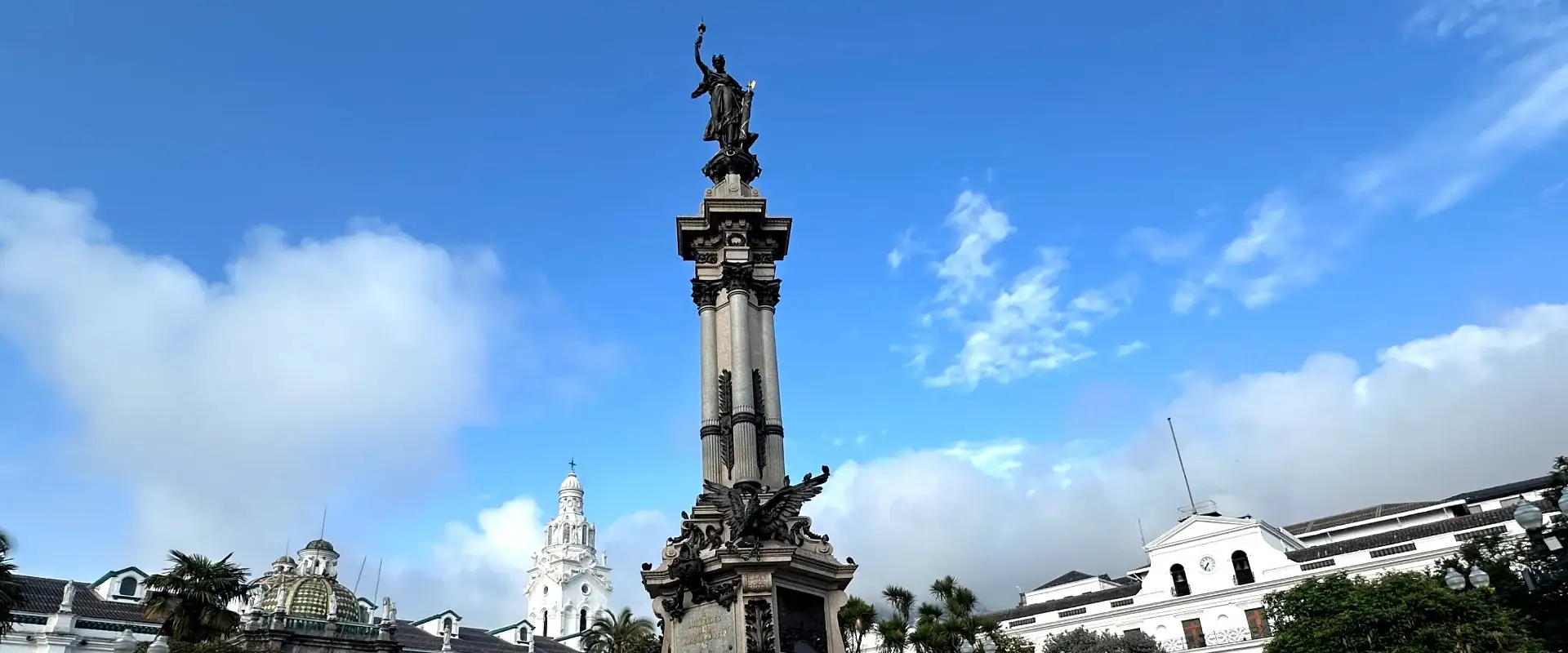 Quito Old Town Guide 2026: 6 Honest Highlights & Real Walking TipsQuito Old Town guide 2026: 6 honest highlights, walking route, 2026 prices, safety by hour. The UNESCO centro historico from a local fixer.
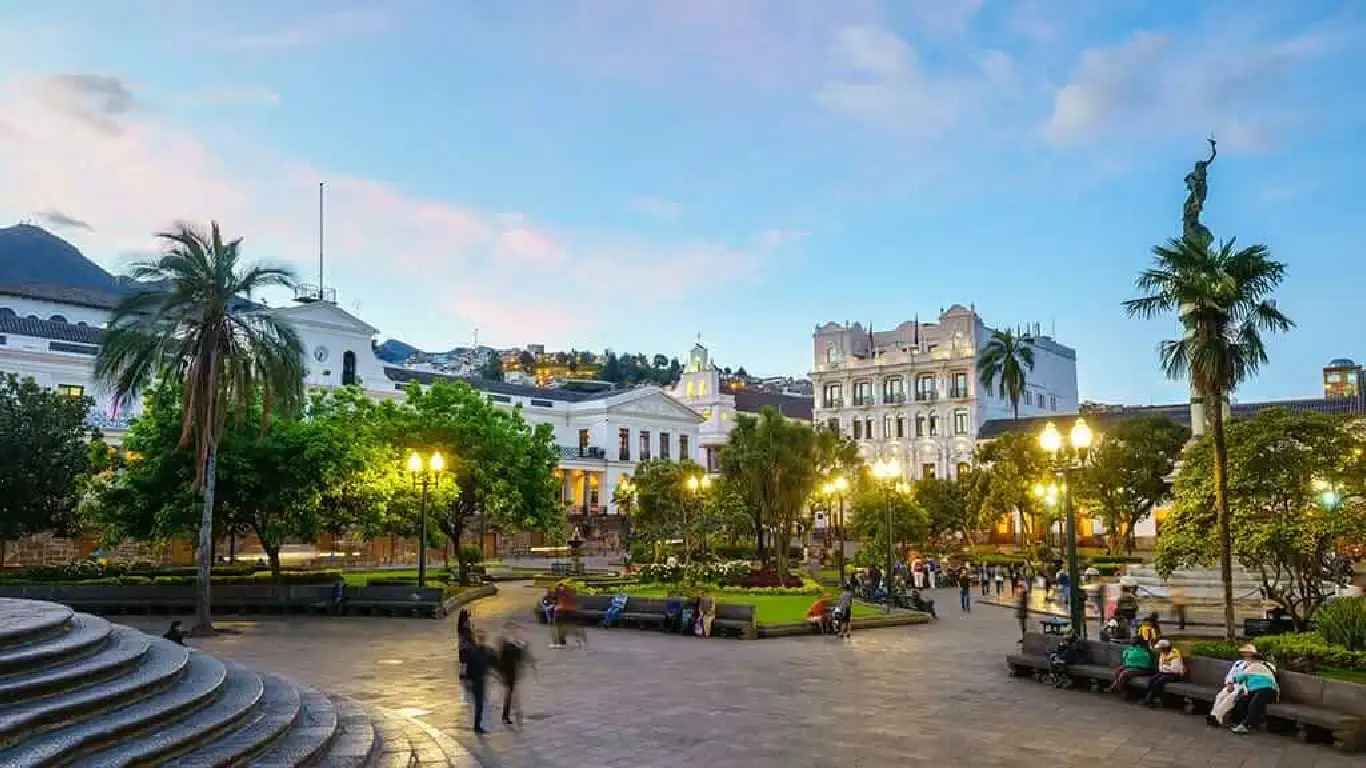 Quito Self-Guided Walking Tour 2026: Old Town Route & Free Tour TipsQuito Old Town walking tour 2026: honest self-guided route, free walking tour Quito tips, prices, duration, safety. UNESCO route, fixer style.
 21 Best Things to Do in Quito, Ecuador (2026 Local Guide)Things to do in Quito picked by a local: 21 honest picks. Old Town, viewpoints, free walks and day trips. Real recommendations, no brochure list.