Zumbahua Market Ecuador: The Most Authentic Indigenous Market in 2026
I’ve been selling textiles in Zumbahua market for two decades. I watch families arrive for real—not tourists, but families from surrounding communities buying what they need for the week. I see vendors setting up before sunrise, arranging potatoes and onions precisely, smoothing their textiles. And I see tourists discover this place and experience something genuine. That last thing is rare in Ecuador’s market tourism world.
Zumbahua isn’t packaged for tourists. There’s no “tourist market” section where prices triple. No cruise-ship crowds. It’s an actual working market where indigenous families shop and work. Yes, tourists come, and vendors know we’re there. But the market exists for locals first. That’s what makes it special. This guide explains how to visit respectfully, what you’ll actually encounter, what to buy (and what to skip), and how to experience Zumbahua as something genuine rather than photo-op.
Zumbahua Market Basics: The Real Details
Zumbahua market happens Saturday mornings from roughly 7:00-10:00 AM. That’s it. One morning per week. The timing is traditional—farmers and artisans travel from surrounding communities on Friday evening or Saturday morning, set up by dawn, sell until mid-morning, then leave to tend fields or return to their villages.
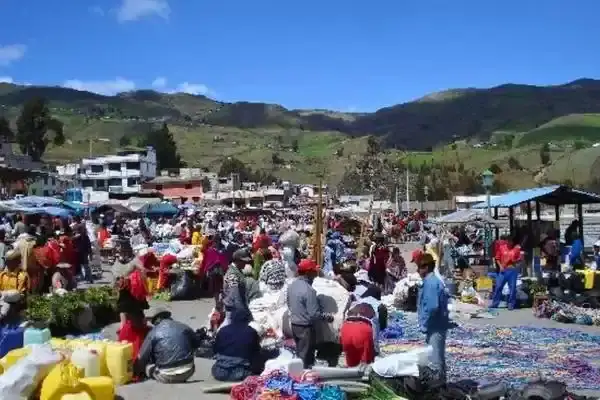
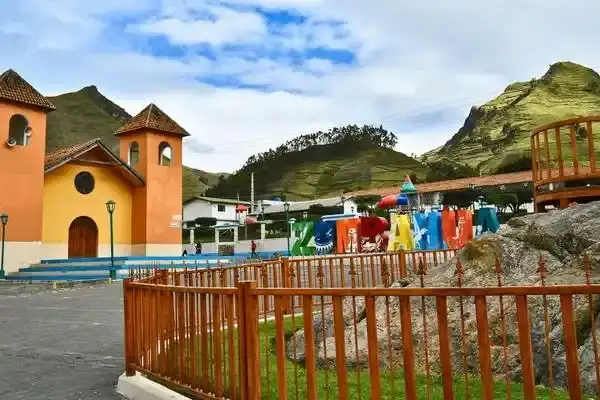
The location is Zumbahua town center—a small plaza surrounded by colonial stone buildings. Population of Zumbahua itself is maybe 2,000 people. During market day, that swells to 3,000-4,000. Most vendors are Kichwa-speaking indigenous people from the surrounding mountains—Quilotoa area, villages up toward Cotopaxi, and communities scattered through the high Andes.
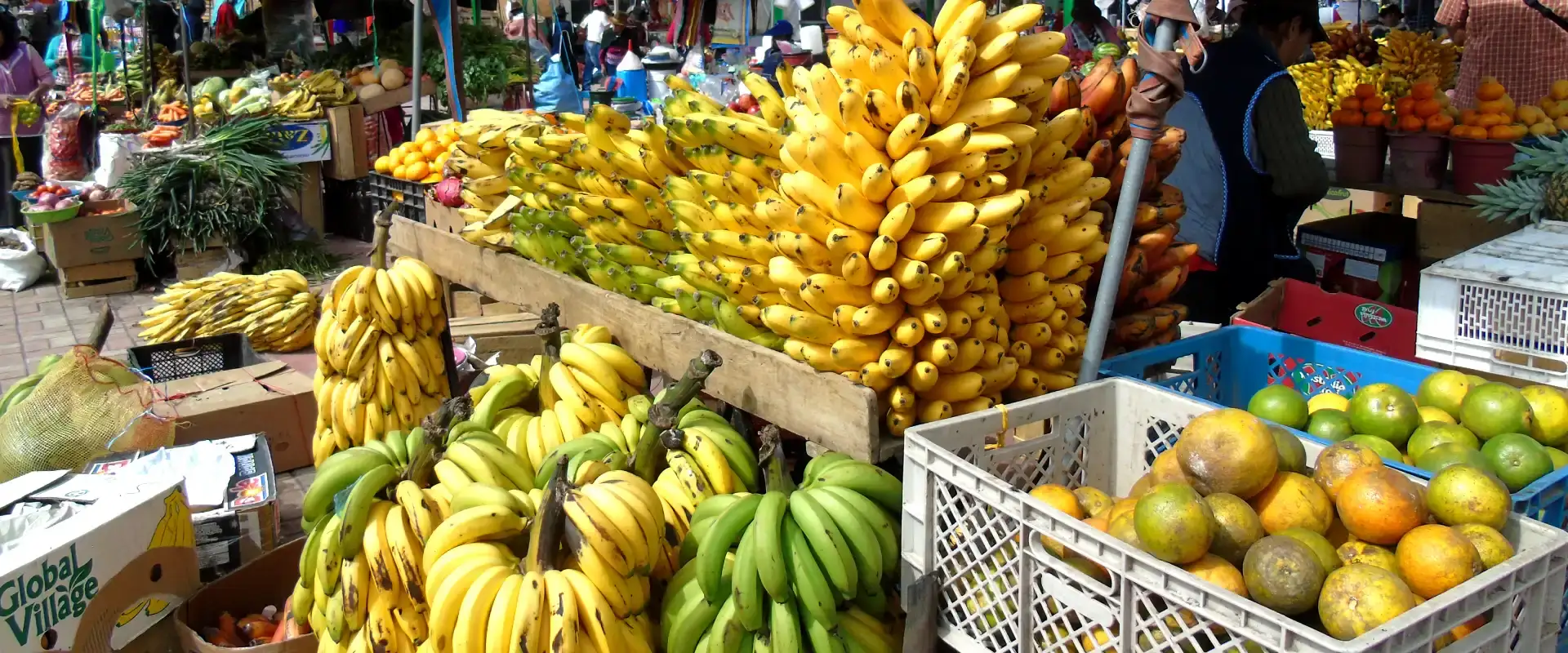
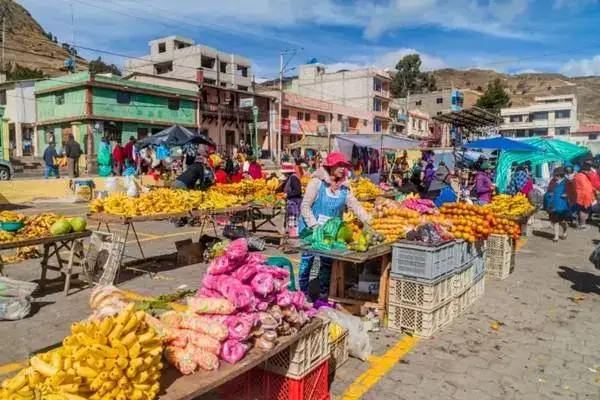
What you’ll see: dozens of vegetable vendors (potatoes, quinoa, beans, seasonal vegetables), textile vendors selling weavings and clothing, artisans with crafts (baskets, wood items, leather goods), some food vendors, and basic items (cooking supplies, tools, seeds). The agricultural section is by far the largest—this is still primarily a farmer’s market where people actually buy food for the week.
Market language is Kichwa, with many vendors also speaking Spanish. English is rare. Most interactions will be in Spanish or Kichwa—download a translation app if that makes you more comfortable.
| Detail | Information |
|---|---|
| Day & Time | Saturday 7:00 AM – 10:00 AM |
| Location | Zumbahua town center plaza |
| Entry Fee | Free |
| Population Mix | ~80% locals, 20% tourists |
| Main Languages | Kichwa, Spanish, (rarely English) |
| Best Items to Buy | Weavings, textiles, traditional hats, vegetables |
| Budget for Items | $1-5 vegetables, $15-40 weavings, $20-50 ponchos |
What You’ll Actually Buy: Textiles and Crafts
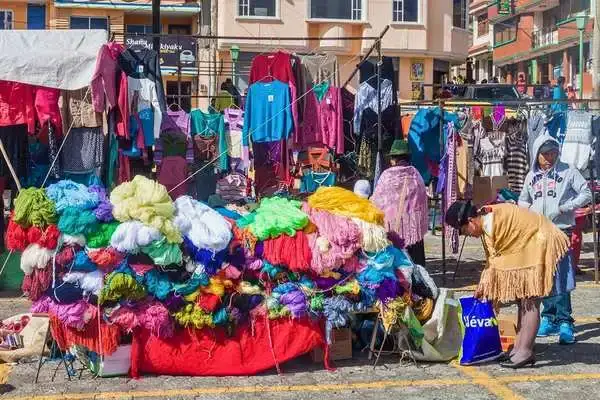
Most visitors come for textiles. Zumbahua is part of Ecuador’s textiles heartland—the communities around here have been weaving for centuries, and the market reflects that. What you’ll see:
Traditional Weavings: These are the crown jewels. Belts (faja), bands, small tapestries—woven on backstrap looms by women mostly. Patterns vary by community, with different villages having distinctive designs. These are genuinely handmade, one-of-a-kind pieces. Price: $10-30 depending on size and complexity. These are investment pieces—they’ll last decades and become more beautiful with age. Not sure where this fits in your itinerary? Send us your dates and we will sort the order out.
Ponchos and Clothing: Various styles available. Traditional Kichwa ponchos are distinct—geometric patterns, natural or dyed colors, handwoven. Prices $20-60 depending on quality. You can also find other clothing items—belts, shawls, skirts worn by community members.
Traditional Hats: Kichwa communities have distinctive hat styles. The hats sold here are legit—actually worn by locals in daily life, not manufactured for tourists. $8-15 for quality traditional hats. Wearing one isn’t cultural appropriation if you’re genuinely interested in the culture; just respect that it’s tied to specific communities.
Baskets and Crafts: Woven baskets, small wood carvings, ceramics. Less developed than the textile market but genuinely crafted. $5-20 depending on item.
Don’t Buy: Mass-produced items that look handcrafted (you can tell—they’re too perfect and repetitive). Items making environmental claims without verification. Anything labeled “authentic traditional” but obviously made elsewhere (rough surface finish, machine consistency). The mass-market stuff exists alongside authentic items—use your eyes.
The Vegetable Section: Where Locals Actually Shop
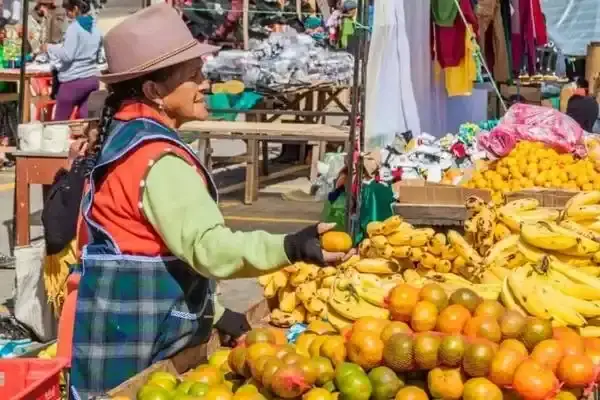
Most of the market is vegetables and food. This is less interesting for tourists but genuinely important. This is how communities eating high in the Andes get their food. Farmers truck or drive potatoes, beans, quinoa, corn, and seasonal vegetables to market weekly.
As a tourist, you probably won’t buy vegetables (unless you’re staying somewhere with kitchen access). But walking through the vegetable section is where you see Zumbahua authentically—families budgeting for the week, vendors negotiating prices, the genuine rhythm of rural commerce.
Interesting items: quinoa (straight from harvest), varieties of potatoes you’ve never seen, fresh corn, highland beans, seasonal vegetables. If you’re cooking, buying directly here costs 50% of tourist market prices. Vendors will happily pack items for you.
Visiting Respectfully: Etiquette and Cultural Considerations
This is crucial. Zumbahua is a working market, not a tourist attraction staged for your entertainment. Here’s how to visit respectfully:
Photography: Always ask before photographing people. Say “¿Puedo tomar una foto?” (Can I take a photo?). Most people will say yes once asked. They understand photography, but permission matters. Photographing just items is fine—you’re not photographing people without permission.
Bargaining: Textiles and crafts are often negotiable, especially if buying multiple items. Vendors expect some bargaining. Vegetables have set prices—don’t try to negotiate those. Start respectfully (“Too expensive for my budget?”) rather than aggressively.
Interaction: Try Spanish. Vendors appreciate effort. A simple “Buenos días” (good morning) and “Gracias” (thanks) matter. People are friendly, but friendliness is earned through respect.
Dress Respectfully: No need for elaborate courtesy, but avoid athletic wear or revealing clothing. Wear actual clothes. People notice and respond better.
Shopping Behavior: Vendors might try to sell you things. That’s their job. You can say no firmly but kindly. Don’t be rude. But also—buy if you’re genuinely interested. Supporting artisans directly is the whole point.
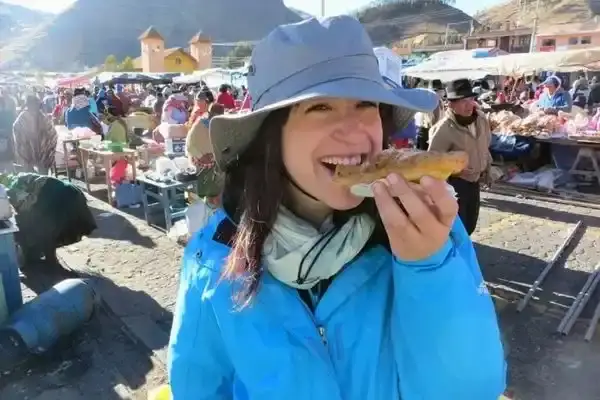
Stay Awhile: Don’t rush through like you’re checking off a tourist box. Linger. Have a coffee. Eat something. Show that you’re genuinely interested in the place, not just extracting material and leaving.
Getting to Zumbahua from Quilotoa Area
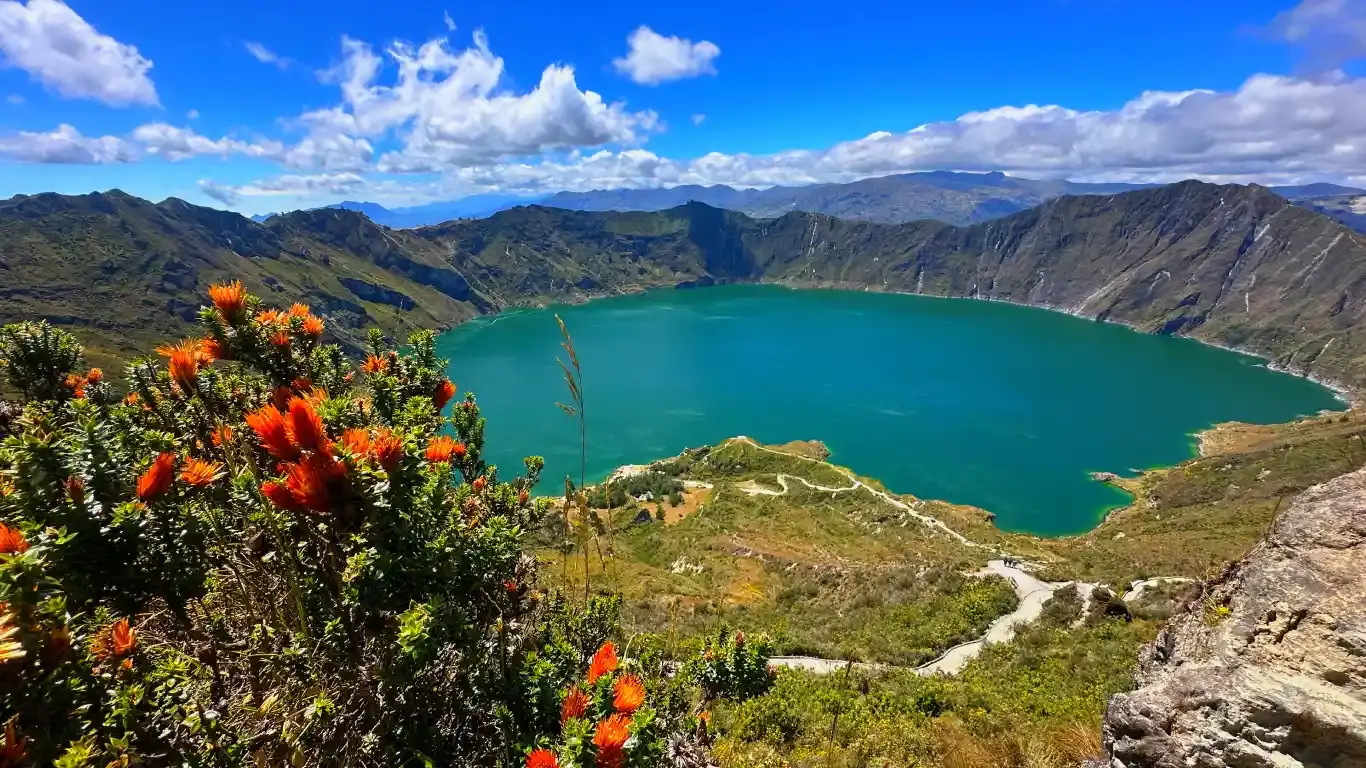
Zumbahua is the gateway town to the Quilotoa Loop. If you’re doing the loop, you’ll likely pass through Zumbahua anyway. Timing it for Saturday means experiencing the market.
From Latacunga: Direct minibuses run Latacunga-Zumbahua Friday evening and Saturday morning ($3-5, 1.5 hours). They arrive around 7-8 AM, perfect for market timing.
From Quilotoa Village: If already at Quilotoa, catch a minibus toward Latacunga and stop at Zumbahua (about 30 minutes, $1-2). Or hire a taxi if you have time flexibility.
From Chugchilán: Similar story—minibuses pass through Zumbahua. Coordinate timing with drivers.
Most travelers do this: arrive Zumbahua Saturday early morning, experience market 7-10 AM, then catch buses onward to Quilotoa or elsewhere by 10-11 AM. It’s a 2-3 hour morning experience that fits perfectly into Quilotoa Loop itineraries.
START IN QUITO, END IN THE GALÁPAGOS
9 Day Ecuador and Galapagos Tour: Andes, Amazon and Santa Cruz
Quito, Cotopaxi, Quilotoa, Baños and the Amazon with your own guide, then three nights on Santa Cruz with tortoises, beaches and snorkeling.
From $1,990 per person
View itineraryPair It With the Galápagos: 9 Day Ecuador & Galápagos Tour
Practical Market Day Information
Best Time to Arrive: 7:00-7:30 AM. Vendors are setting up, the market’s fresh, crowds are minimal. By 8:30 AM, it’s busier. By 9:30 AM, it’s winding down. The early window is genuinely best.
Money: Bring cash. There’s one ATM in Zumbahua town, but it’s unreliable. Many vendors can’t take cards. Bring $50-100 USD in mixed denominations (small bills, larger bills). Prices are in USD.
What to Bring: Small backpack for items (no need for day pack really—you’ll buy a woven bag), reusable shopping bags, light jacket (mornings are cool), and translation app helps.
Food at Market: Small restaurants open Saturday mornings serving breakfast (fried potatoes, cheese, tortillas, coffee). Cost $2-4. Worth grabbing breakfast there. Some vendors sell cooked food in the market itself.
Bathroom Situation: There’s a public bathroom near the market center. It’s basic but functional. Expect $0.25 fee.
What Makes Zumbahua Different from Tourist Markets
Ecuador has multiple indigenous markets. Otavalo is world-famous but packed with tourists and mass-produced goods. Latacunga has markets but mostly for locals. Zumbahua sits in the middle—genuinely local market where tourists are welcome but not catered to.
The difference: In Zumbahua, if you’re standing next to someone, there’s a decent chance they’re local, not tourist. Prices don’t triple for tourists (though vendors will ask higher for obvious tourists—that’s universal). The market exists first for the community, second for tourism. That priority order makes everything different.
You see real commerce—families deciding what to buy for the week, artisans making sales that genuinely matter to their livelihood, real conversations in Kichwa that have nothing to do with you. It’s not staged. That authenticity is why people travel hours to experience Zumbahua instead of convenient tourist markets near Quito.
FAQ: Questions About Market Visits
Is it safe to visit Zumbahua as a solo female traveler?
Absolutely. Zumbahua is safe. The market is busy and well-traveled. Vendors are professional. The typical safety precautions (don’t display expensive items, keep valuables close) apply, but Zumbahua has a good safety record. I guide solo women regularly, and they love it.
Can I negotiate prices for everything?
Textiles and crafts—yes, some negotiation is expected. Agricultural items—no, prices are set. Restaurants and services—not really. Start any negotiation respectfully. Most vendors are reasonable. If someone won’t negotiate, their price probably reflects fair value.
Are the textiles actually handmade?
The ones worth buying are genuinely handmade. You can tell—they have slight variations, the weave shows individual craftsmanship. Mass-produced items are too uniform. If something’s expensive and labeled “traditional,” examine it carefully. Ask vendors directly—”¿Hecho a mano?” (handmade?). They’ll be honest.
Should I buy something even if I don’t want it?
No. Don’t feel obligated. But if you see something genuinely beautiful and reasonably priced, supporting artisans directly is the whole point. If you don’t want anything, that’s fine—just being there respectfully and observing the market matters.
What if I can only go on a day other than Saturday?
The market is Saturday. If you miss Saturday, you’re missing the market. Other days, Zumbahua is just a small town. This is important—plan your Quilotoa Loop timing to hit Zumbahua on Saturday if possible.
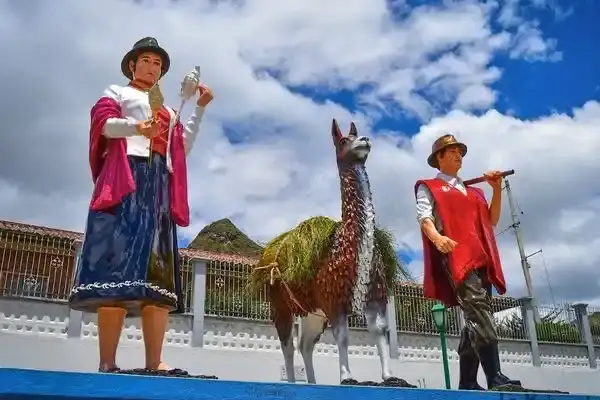
Connection to Quilotoa Loop Journey
- Quilotoa Lake Ecuador: Complete Travel Guide — Plan your full Quilotoa experience, including Saturday market timing.
- The Quilotoa Loop Trek: 4-Day Guide — The loop passes near Zumbahua—coordinate your timing.
- Quilotoa to Chugchilán: Single Day Hike — Combine with Zumbahua Saturday market for perfect Quilotoa weekend.
- Quilotoa and Cotopaxi: Complete 5-Day Adventure — Zumbahua is a stop on the way between these two destinations.