
Horseback Riding Ecuador: 7 Best Spots in the Andes (2026 Local Guide)
Horseback riding Ecuador: 7 best haciendas in the Andes. Cotopaxi, Cayambe, Quilotoa routes. Real prices, what to bring, day-trip vs multi-day options from Quito.

the Quito Trips team, local guides in QuitoUpdated · 4 min read
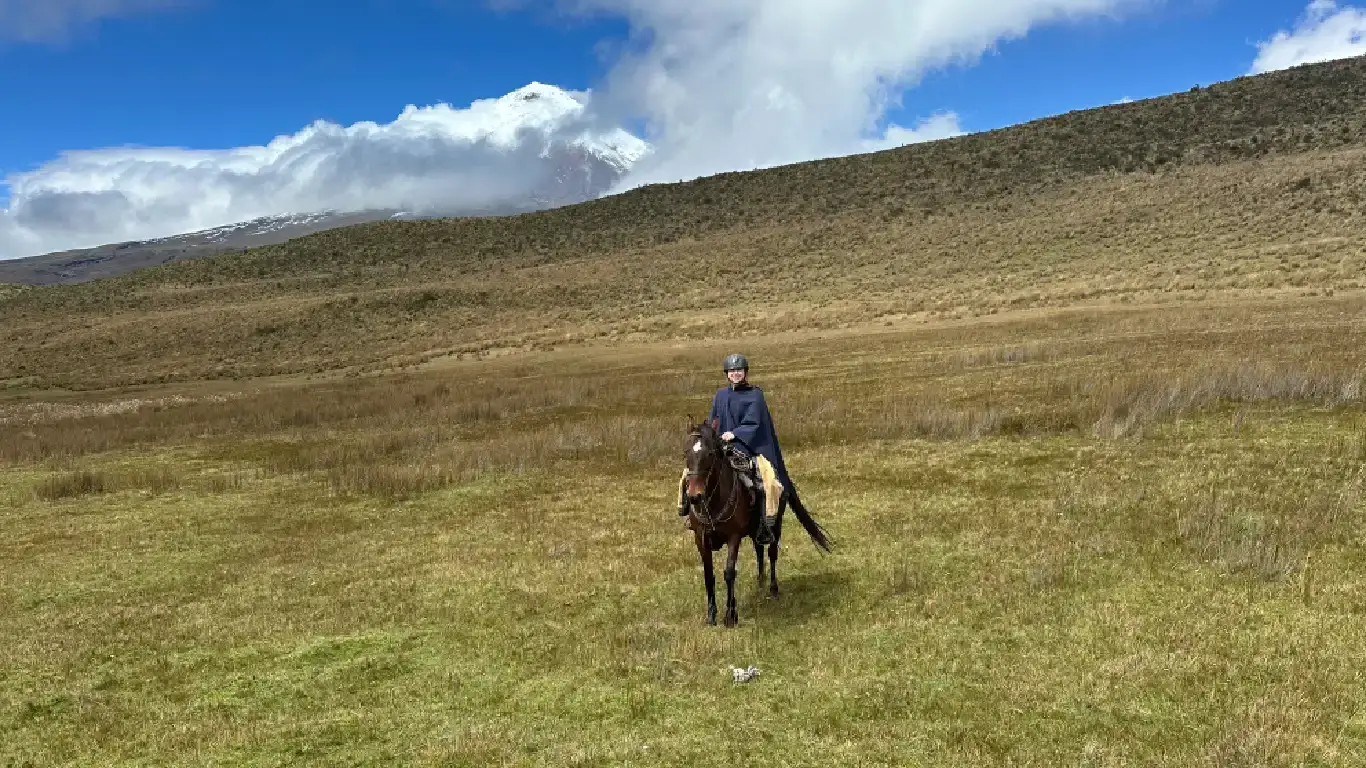
Horseback riding in Ecuador takes you from the misty páramo of Cotopaxi to the wet trails of the Mindo cloud forest, with volcano views and chagra (Andean cowboy) guides on most routes. I put this horseback riding Ecuador guide together for beginners and experienced riders alike. It covers where to ride, what a tour includes, what it costs and how to pick one near Quito.
Pair it with the Galápagos: 9 Day Ecuador & Galápagos Tour
The best horseback riding ecuador trips start at hacienda elevation (2,800 m) and climb into the paramo. The horses are criollo and Chagra-trained. They are calm with beginners but tough enough for 8-hour rides at 4,000 m. MINTUR, the tourism ministry, lists certified equine tour operators in Cotopaxi and Imbabura provinces.
Why Ecuador is one of the best countries for horseback riding
Ecuador is small, and the landscapes change fast. A few hours from Quito you can ride volcanic páramo at 3,800 m (12,500 ft), drop into an old caldera or follow cloud forest trails full of birds. Add the chagra tradition, low tour prices and well-trained horses, and you have one of the best places in Latin America to travel on horseback.
Top regions for horseback riding in Ecuador
1. Cotopaxi National Park: horseback riding near Quito
Cotopaxi is where most people go for horseback riding near Quito. You ride across open páramo grassland and volcanic rock, where wild horses graze at the foot of Cotopaxi (5,897 m / 19,347 ft), one of the highest active volcanoes in the world. The park is 1.5 hours south of Quito. That short drive is why it is the most booked day trip on horseback. Working out how many days you need? Send us your dates and we will come back with a plan.
- Best for all levels, from beginners to advanced riders
- Volcano views, chagra cowboy culture and open Andean plains
- Rides last 2–8 hours (half-day and full-day options)
- Altitude: 3,400–3,800 m (11,100–12,500 ft)
2. Pululahua volcanic crater: a quiet ride close to the city
What surprised me most about horseback riding in Ecuador after 20 years guiding: even total beginners come back glowing. The horses do most of the work, the paramo scenery is shocking, and a chagra-led ride includes the cultural piece (lasso work, herding, lunch in a hacienda kitchen).
Pululahua is one of the few inhabited volcanic craters in the world. Trails go down into the caldera past small farms, patches of cloud forest and a few good viewpoints. It is 45 minutes north of Quito, so a half-day ride fits easily.
- Good for beginners and families
- Crater walls, green farmland and plenty to photograph
- Rides last 2–4 hours
- Altitude: about 2,500 m (8,200 ft) inside the crater
3. Andean haciendas: riding with a place to stay
The old haciendas (Andean estates) are where riding feels most local. Hacienda San Agustín de Callo, built on Inca foundations near Cotopaxi, and Hacienda La Alegría both run multi-day rides. You sleep in colonial rooms, eat local food and ride with chagras who grew up on horseback.
- Good for travelers who want culture and nature on a multi-day trip
- Cowboy culture, comfortable rooms and guided rides over several days
- Trips last 1–7 days
Start in Quito, end in the Galápagos
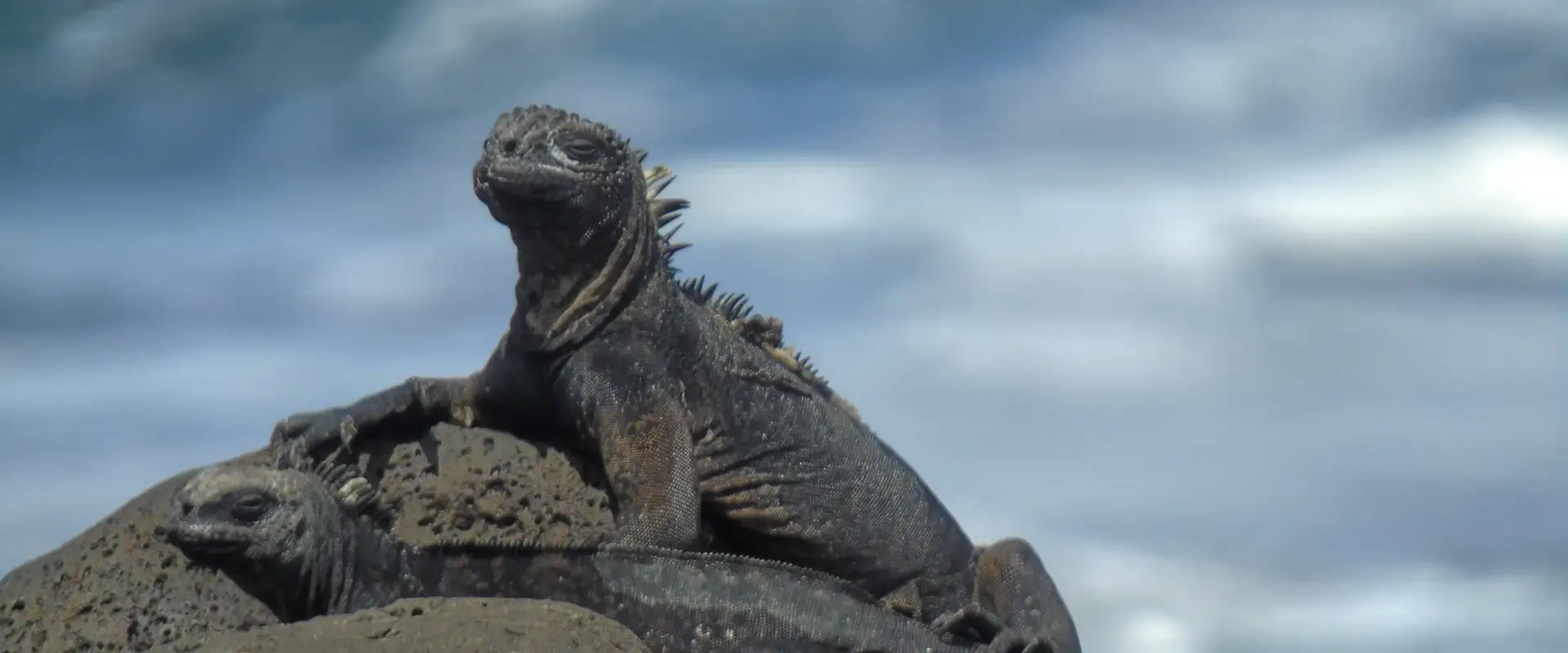
9 Day Ecuador and Galapagos Tour
Andes, Amazon and Santa Cruz
- 9 days
- Medium effort
From $1,990 per person
Ecuador
Cotopaxi and Baños Tour
2 days from Quito, with a night in Baños
- 2 days
- Easy
From $364 per person
4. Mindo cloud forest: riding among birds and rivers
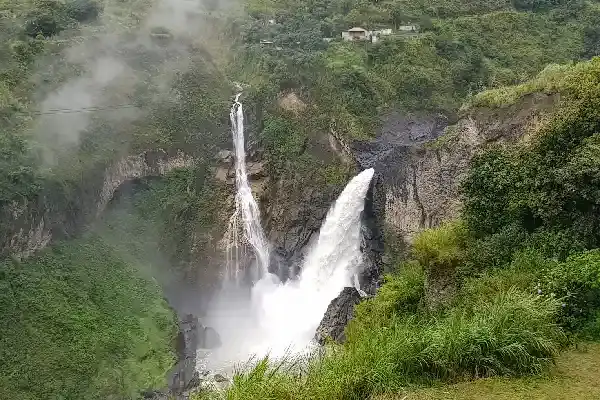
Mindo is the cloud forest town most visitors from Quito pick, and it is a good one for birdwatchers. Rides follow forest trails past rivers and waterfalls in one of the most biodiverse areas on the planet. It is 2 hours from Quito.
- Good for wildlife fans and families
- Tropical birds, waterfalls and an easy pace
- Rides last 2–5 hours
- Altitude: about 1,200 m (3,900 ft)
What to expect on a horseback riding tour in Ecuador
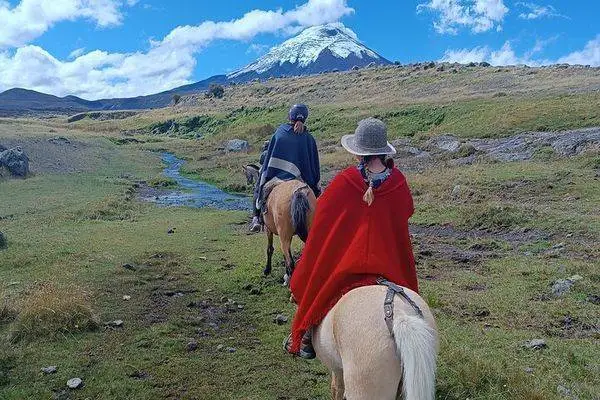
Most tours here are well run and fine for beginners. A typical one includes:
- Bilingual guides (English/Spanish)
- Calm, trained horses for every level
- Helmets and riding gear
- Optional round-trip transfers from Quito
- Photo stops at viewpoints
- Lunch on full-day tours
- Small groups (usually 4–12 riders)
Horseback riding Ecuador: prices and tour options
Riding here costs less than in most of South America. This is what you can expect to pay from Quito:
- Half-day tour (2–4 hours): $45–$80 USD per person
- Full-day tour (6–8 hours): $80–$130 USD per person
- Multi-day hacienda trip (2–7 days): $200–$600+ USD per person
- The price usually covers the guide, horse, gear, and meals on full-day tours
Tips for horseback riding in Ecuador
- Watch the altitude. Many rides go above 3,000 m (9,800 ft), so spend at least one night in Quito first, drink plenty of water and go slowly.
- Wear long pants (jeans or trekking trousers) and closed-toe shoes or boots, dress in layers, and bring sunscreen and sunglasses. The Andean sun burns even on cool days.
- The dry season (June–September) has the clearest skies and the best volcano views. You can still ride all year.
- Book with a licensed company. Check for certified guides, horses in good shape and real reviews on TripAdvisor or Google.
- Almost every organized tour takes first-time riders and families with children.
Frequently asked questions: horseback riding Ecuador
These are the questions guests ask me most about horseback riding in Ecuador. If yours is not here, write to us and a local guide will answer.
Is horseback riding in Ecuador safe for beginners?
Yes. Most horseback riding tours in Ecuador are set up for beginners and casual riders. The horses are picked for calm temperaments, guides give basic riding instruction, and helmets are standard.
How far is Cotopaxi horseback riding from Quito?
Cotopaxi National Park is about 1.5 hours (90 km / 56 miles) south of Quito on the Pan-American Highway. Most operators pick you up at your Quito hotel.
What is chagra culture in Ecuador?
Chagras are the Andean cowboys of Ecuador. They have herded cattle across the high páramo grasslands for centuries, and the Paseo del Chagra festival in Machachi celebrates their riding, their ponchos and their way of life every year. Many rides in the Cotopaxi region are led by chagra guides.
What is the best time of year for horseback riding in Ecuador?
The dry season (June to September) is the best time for horseback riding in Ecuador, especially in the Andes, because clear skies give you the best views of Cotopaxi and the other volcanoes. The wet season (October–May) brings more rain and mist. Tours still run year-round, and the hills are greener then.
Where is the best horseback riding in Ecuador?
The best horseback riding in Ecuador is at the Andean haciendas above 2,800 m. Hacienda La Alegria near Cotopaxi, Hacienda Zuleta in Imbabura, and the rides up to Quilotoa lake are the three I send guests to most often.
How much does horseback riding cost in Ecuador?
Day rides start at $50-80 USD per person at most haciendas. Multi-day rides (2-4 days) run $250-600 USD all-in including meals and lodging. Colonial haciendas like Zuleta charge $800-1200 USD for 3 days.
Do I need riding experience to ride in Ecuador?
No. Most hacienda rides accept beginners. The horses are calm criollo and Chagra-trained breeds used to nervous riders. Tell the hacienda your level honestly. Multi-day or technical paramo rides require intermediate skill (sitting trot, controlled canter).
What altitude is horseback riding in Ecuador?
Most rides are 2,800-4,000 m. Cotopaxi paramo rides reach 4,500 m. Acclimatize at least 2 days in Quito (2,850 m) before high-altitude rides. Drink water, eat light, no alcohol the night before.
What should I bring for horseback riding in Ecuador?
Layered clothing (paramo weather changes fast), a waterproof outer layer, sturdy boots with a heel, gloves, a sun hat or helmet (haciendas usually provide one), sunscreen, a water bottle and a small daypack. Always wear long pants.
Riding on a longer trip from Quito
Cotopaxi and most of the haciendas above are on the road south from Quito, the same road our multi-day tours take. Our Cotopaxi and Baños tour spends its first day in Cotopaxi National Park. Tell us your dates and whether you want time on a horse, and we will tell you what fits.
Keep reading
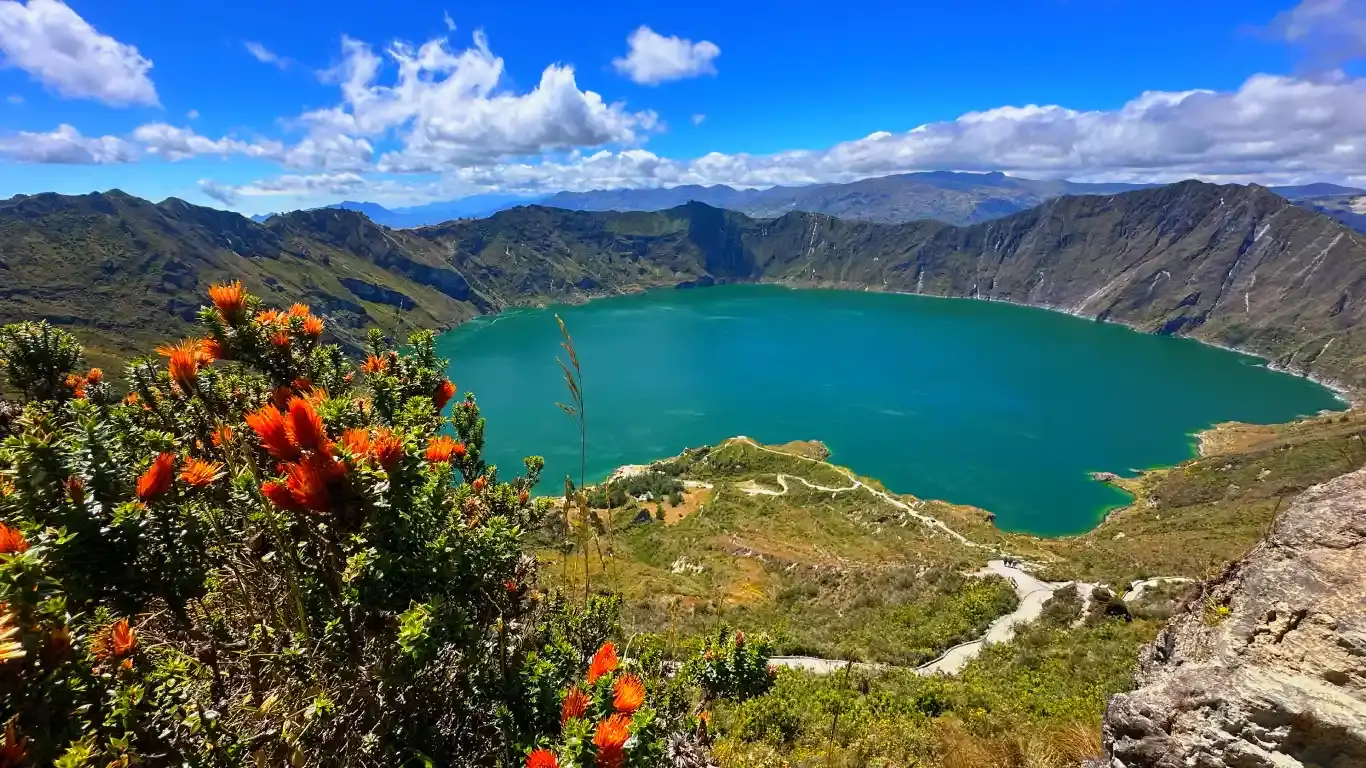 Quilotoa Lake Ecuador: Complete Travel Guide & Hiking Tips 2026Quilotoa Lake Ecuador: a turquoise crater lake at 3,914 m, 3 to 4 hours from Quito. How to get there, entrance fee, rim hike, where to stay and safety tips.
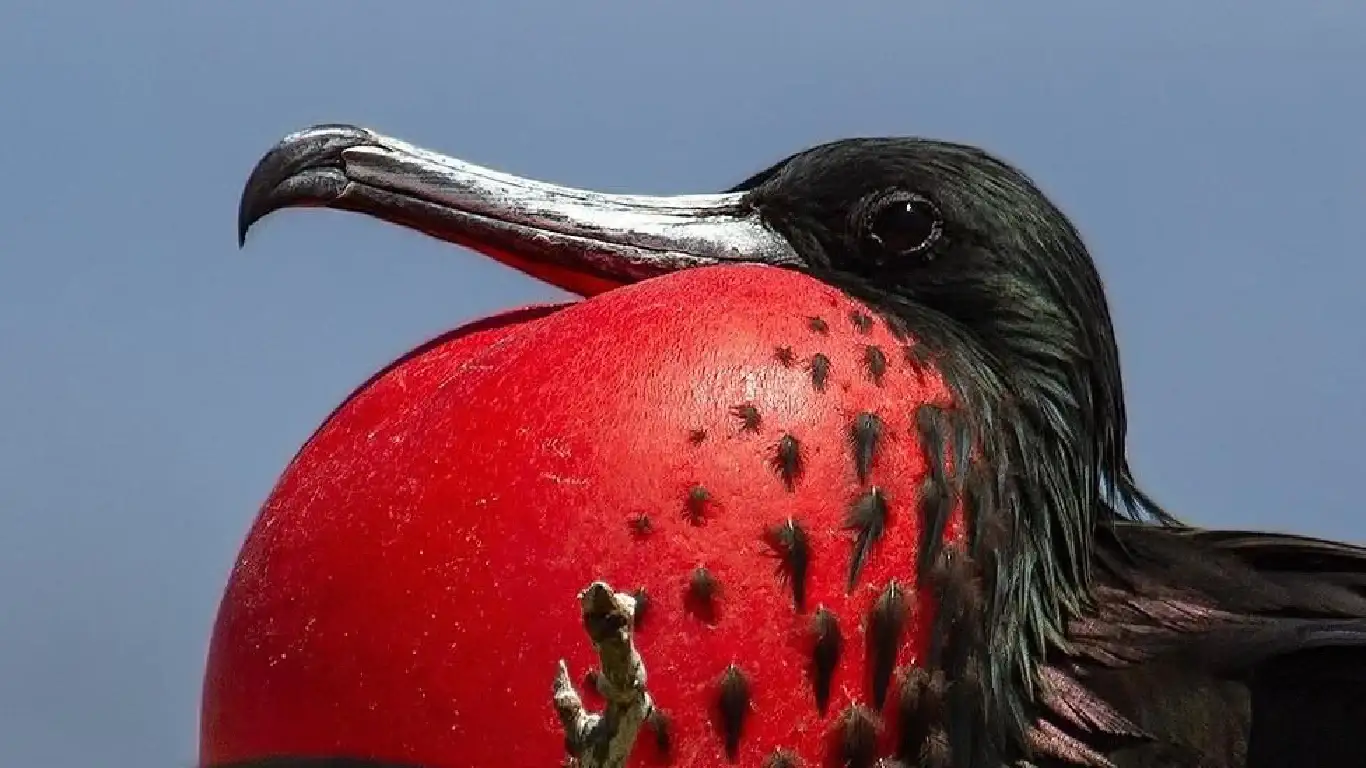 Ecuador Bird Watching: Birding Guide to 1,600+ Species in 6 HabitatsBirding in Ecuador: 1,600+ species in 6 habitats. Mindo, Antisana, Yasuni. The 7 best routes from Quito and what each one really delivers.
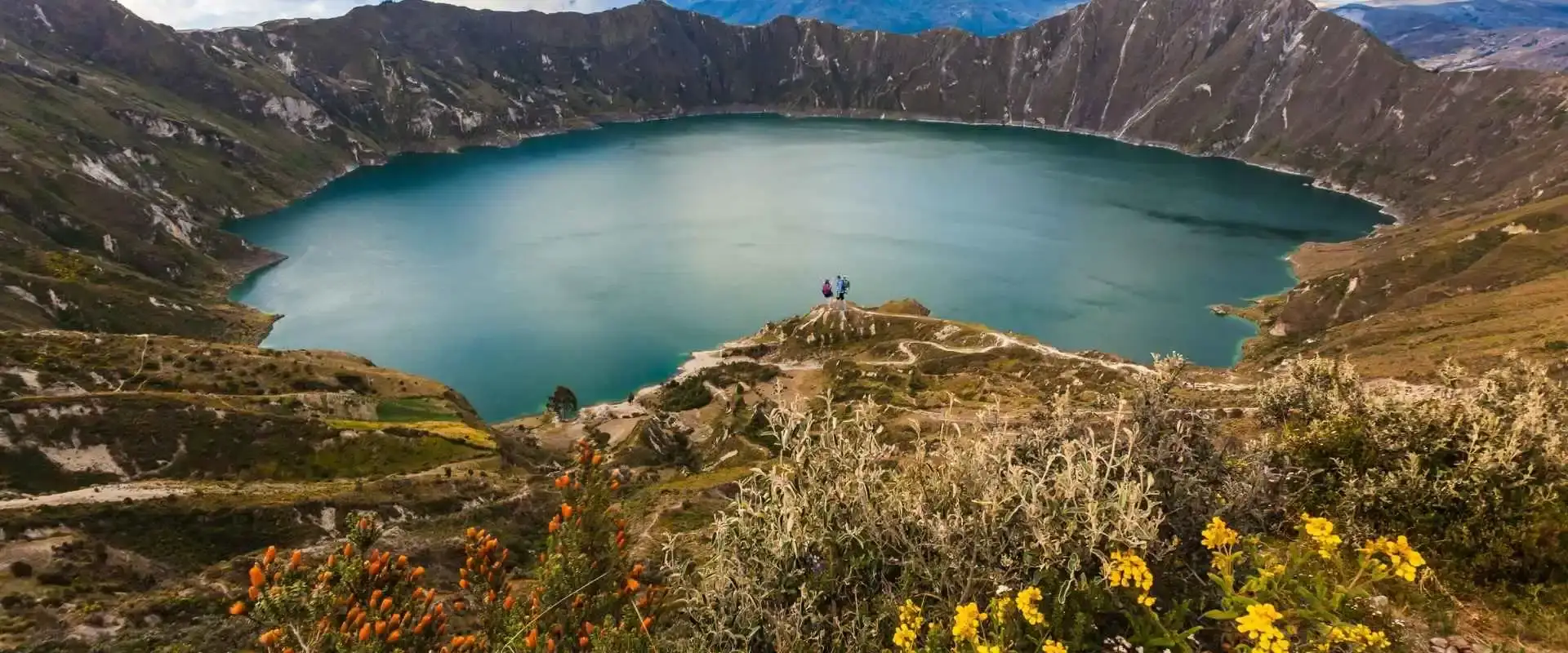 Quilotoa Loop Trek Ecuador: Complete Day-by-Day GuideQuilotoa Loop trek, day by day: four days through Ecuador’s indigenous highlands, with altitude tips, packing list, costs, guesthouses and the best time to hike.