Ecuador Bird Watching: Local Guide to 1,600+ Species in 6 Habitats
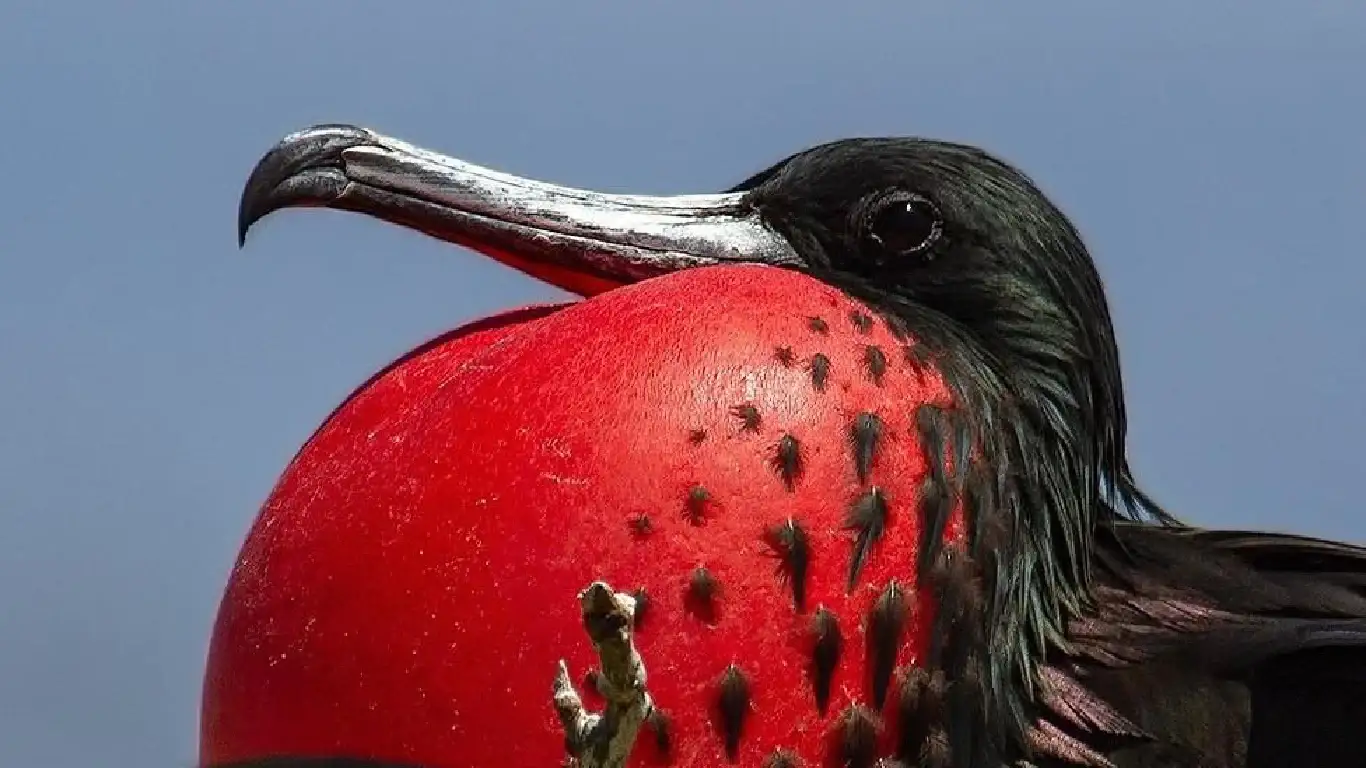
Ecuador bird watching in one paragraph: Ecuador packs 1,600+ bird species (more than the US and Canada combined) into 6 distinct habitats reachable from Quito — cloud forest at Mindo, paramo at Antisana, Amazon at Yasuni, dry forest on the coast. The diversity is unmatched per square mile anywhere on Earth.
Ecuador & Galápagos Tours of 9 to 14 Days
Ecuador Bird Watching Tours offer an unmatched opportunity to explore one of the most biodiverse countries in the world. Ecuador is recognized globally as the N° 1 birdwatching destination, with more than 1,700 bird species, including over 130 hummingbirds, iconic Andean birds, Amazon specialties, and unique Galápagos wildlife. Whether you are a beginner birder, a seasoned bird photographer, or a nature enthusiast, Ecuador Bird Watching Tours guarantee extraordinary sightings and memorable experiences every day. Ecuador’s compact size and excellent infrastructure make it possible to visit multiple ecosystems in a short period, allowing travelers to maximize their birding opportunities without long, exhausting journeys. To see a detailed itinerary and book your adventure, check our Birding Tour
The thing about ecuador bird watching nobody mentions: you do not need to be a hardcore birder to be wrecked by it. The hummingbird feeders at Mindo lodges have 12 species at a single feeder at sunrise. Even people who could not name a bird before walk away converted. Charles Darwin Foundation documents Ecuador’s endemic species.
Why Choose Ecuador for Bird Watching Tours?
Incredible Bird Diversity
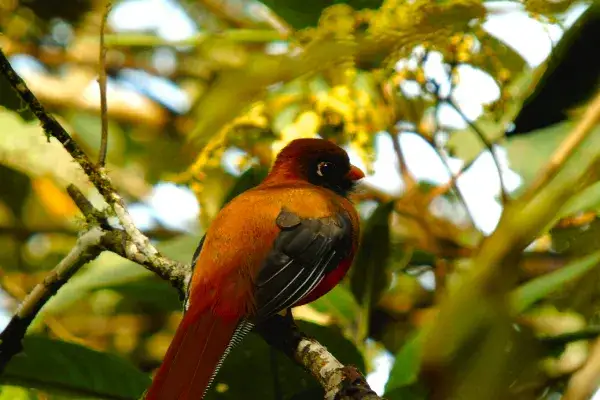
Ecuador has one of the highest bird densities per square kilometer on the planet, which makes Ecuador Bird Watching Tours truly exceptional. In just a few hours, you can move from high-Andean paramo to cloud forests and tropical lowland rainforests, each offering unique species and behaviors. From hummingbirds hovering around flowers to rare Andean species perched in moss-covered trees, Ecuador’s diversity ensures that no two birding days are ever the same. For travelers seeking both variety and quality, this density provides unmatched opportunities to add new species to your life list in a single tour.
Easy Access to Top Birding Hotspots
Unlike many other birding destinations around the world, Ecuador’s top sites are highly accessible. Major birding regions like Mindo, Guango Lodge, and Papallacta are located close to cities such as Quito and connected by paved roads. Travelers can reach these areas quickly while enjoying comfort and convenience. Many lodges and eco-resorts are specifically designed for birdwatchers, providing viewing platforms, hummingbird feeders, and specialized trails. This combination of accessibility and infrastructure makes Ecuador ideal for both novice and experienced birders, allowing more time to focus on wildlife rather than long drives. Learn more about Ecuador’s birding adventures on our Ecuador Bird Watching Tours page.
Expert Local Guides
Your Ecuador Bird Watching Tours experience is enhanced by knowledgeable local guides who specialize in bird identification, ecology, and photography. These guides are adept at recognizing bird calls, understanding species behavior, tracking migratory patterns, and positioning photographers for perfect shots. Their expertise not only increases the chances of seeing rare and elusive species but also provides educational insights into the ecology and conservation efforts in each region. A guided tour ensures a richer, safer, and more rewarding birding experience.
Top Bird Watching Hotspots in Ecuador
For serious ecuador bird watching, the play is multi-habitat. One trip can give you paramo (Antisana condors), cloud forest (Mindo cock-of-the-rock), and Amazon (Yasuni parrot clay licks) — three of the world’s most distinct birding zones, all within Ecuador. Working out how many days you need? Send us your dates and we will come back with a plan.
1. Mindo & Tandayapa Cloud Forest
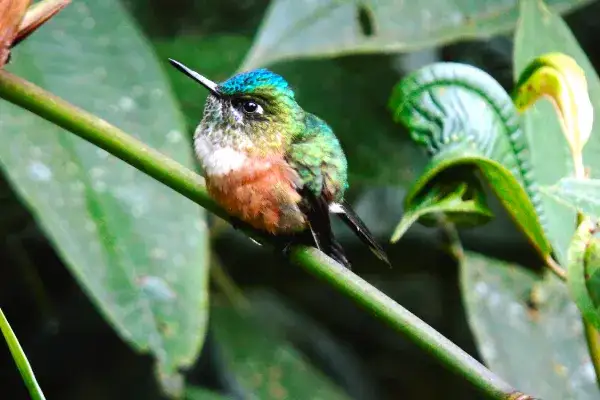
Mindo and Tandayapa are famous for their hummingbird gardens, where dozens of species gather daily. You can see the Andean Cock-of-the-Rock displaying in the forest, and watch colorful tanagers, toucans, and flycatchers in mixed-species flocks. Trails in this area are well-maintained and accessible, making it perfect for beginners, families, and photographers. Guided tours ensure you learn about each bird’s habits, nesting patterns, and unique behaviors, creating a comprehensive and enjoyable experience.
2. Guango Lodge & Papallacta Region
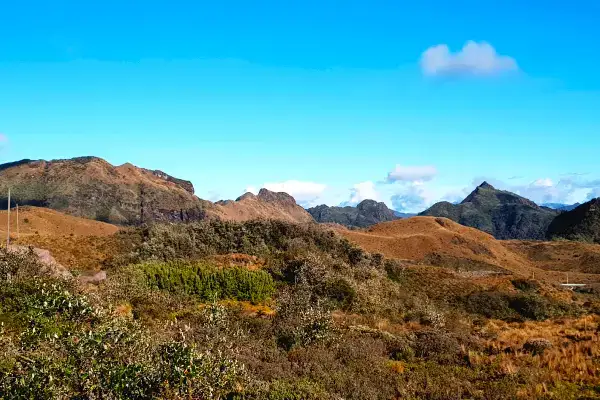
Guango Lodge, located a short drive from Quito, offers half-day and full-day birding excursions. Highlights include the Sword-billed Hummingbird, Mountain-Toucans, Torrent Ducks, and high-Andean species unique to this region. Papallacta’s thermal springs provide a relaxing break after a morning of birdwatching. The lodge’s feeders attract multiple species simultaneously, offering excellent opportunities for photography. Visitors often spend hours observing, photographing, and learning from expert guides who know the habits of each species. For detailed itineraries and booking information, visit our Birding Tour Ecuador – Guango Lodge page.
3. Amazon Rainforest: Yasuní & Cuyabeno
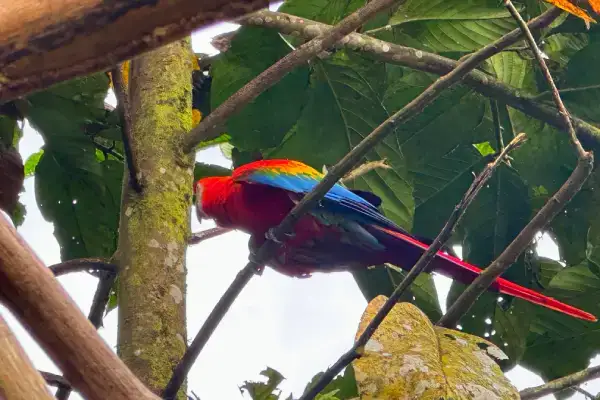
Ecuador’s Amazon is a paradise for birders. The Yasuní and Cuyabeno reserves host Hoatzin, Harpy Eagle, macaws, parrots, antbirds, and manakins. The sheer diversity and density of species make this region a bucket-list destination for serious birders. Trails, canopy towers, and river excursions allow birdwatchers to see species in multiple forest layers. Expert guides share their knowledge about ecological interactions, migration patterns, and conservation efforts, giving visitors a full understanding of this biologically rich ecosystem.
4. The Andean Highlands
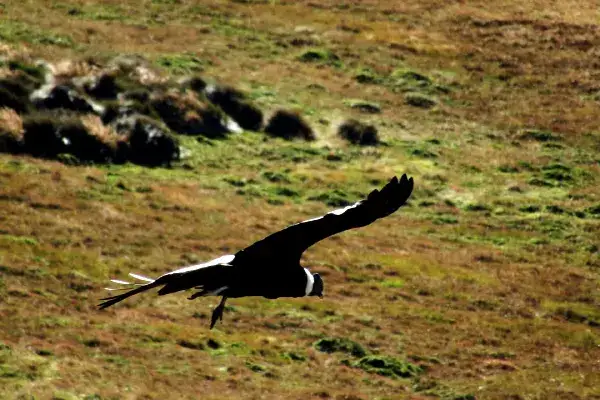
The highlands offer dramatic landscapes and unique avian species. Travelers may spot Condors soaring above valleys, Carunculated Caracaras patrolling paramo areas, and other paramo specialists. Birding in the Andes contrasts sharply with lowland experiences, providing photographers and birders with dynamic scenery and opportunities to study species adapted to high altitudes. Guides emphasize safety and acclimatization while ensuring that each bird sighting is maximized.
5. Galápagos Islands
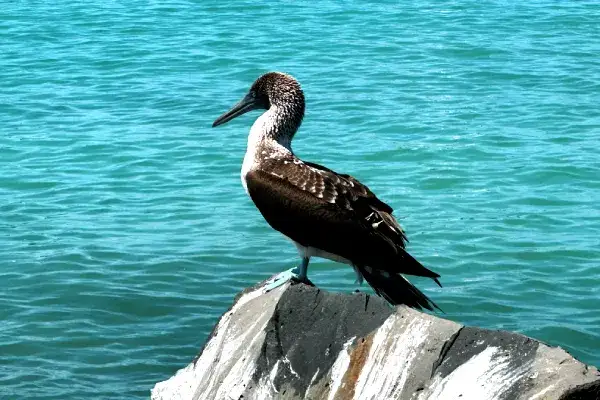
The Galápagos Islands host some of the world’s most unique bird species. Darwin’s Finches, Blue-footed Boobies, Galápagos Penguins, and Waved Albatross are highlights. These islands combine extraordinary birdwatching with breathtaking landscapes and other wildlife encounters. Birders can explore volcanic landscapes, coastal habitats, and inland forests, all while observing species found nowhere else on Earth. Tours here are ideal for combining photography, wildlife observation, and ecological learning.
Must-See Birds in Ecuador
Some of the most sought-after species on Ecuador Bird Watching Tours include:
- Andean Cock-of-the-Rock
- Plate-billed Mountain-Toucan
- Booted Racket-tail
- Hoatzin
- Harpy Eagle
- Torrent Duck
- Club-winged Manakin
- Golden Tanager
- Over 130 hummingbird species
Each species can be found in specific regions, making multi-location tours a must for serious birders. Photography enthusiasts can take advantage of feeders and clear observation points, ensuring remarkable shots of rare and colorful birds.
Best Time for Bird Watching in Ecuador
Birding is excellent year-round, but timing can affect sightings:
- December–June: Best light for photography and lush vegetation. Breeding displays are often visible.
- July–November: More stable weather in the Andes, easier access to mixed-species flocks.
- Migration periods throughout the year bring extra species to certain regions, adding variety to your list.

START IN QUITO, END IN THE GALÁPAGOS
9 Day Ecuador and Galapagos Tour: Andes, Amazon and Santa Cruz
Quito, Cotopaxi, Quilotoa, Baños and the Amazon with your own guide, then three nights on Santa Cruz with tortoises, beaches and snorkeling.
From $1,990 per person
View itineraryRecommended Ecuador Bird Watching Tours
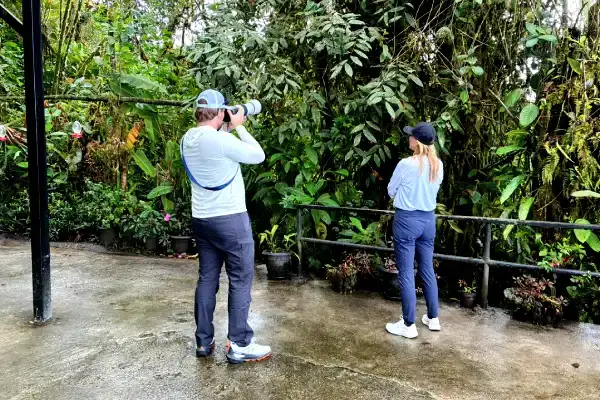
Full-Day Tours: Ideal for travelers staying in Quito, with quick access to Mindo, Guango Lodge, Papallacta, and Antisana.
Multi-Day Tours: Perfect for serious birders wanting to maximize their species list, combining Andes, Amazon, and cloud forest itineraries with specialized lodges.
Bird Photography Tours: Tailored for photographers seeking slow-paced, species-targeted days, specialized hides, and controlled lighting.
Why Ecuador Bird Watching Tours Beat Every Other Destination
With over 1,680 confirmed species packed into a country smaller than Colorado, Ecuador bird watching tours offer the highest species-per-square-kilometer ratio on the planet. Three of the world’s top 10 birding hotspots sit within Ecuador’s borders: the Mindo cloud forest, the Amazonian lowlands of Yasuní, and the highland páramo around Antisana. That concentration means you can spot 300+ species in a single week-long trip without exhausting bus rides between distant regions.
What sets bird watching Ecuador apart isn’t just the numbers — it’s access. Unlike African safari birding or Borneo canopy walks that require days of travel, Ecuador’s birding trails start 90 minutes from Quito’s international airport. From the Tandayapa Valley to the Silanche road and the legendary Paz de las Aves lodge, world-class ecuador birding tours are genuinely accessible to birders of any experience level.
Best Regions for Ecuador Bird Watching Tours
The Mindo cloud forest alone hosts 500+ species including the Andean Cock-of-the-Rock, Plate-billed Mountain Toucan, and the iconic Velvet-purple Coronet hummingbird. The Amazon basin around Napo adds another 600+ species. Highland birding in Papallacta, Antisana, and Cajas National Park delivers specialties like the Andean Condor and Sword-billed Hummingbird. Every Ecuador bird watching tours itinerary should combine at least two of these ecosystems for maximum diversity.
What to Pack for Your Ecuador Birding Adventure
Essential gear for birding in Ecuador depends on the altitude. For Mindo and cloud forest tours, bring waterproof layers, sturdy hiking boots with ankle support, and a headlamp for predawn owl walks. Binoculars with 8×42 or 10×42 magnification are the standard; if you’re into photography, a 100-400mm telephoto lens handles most canopy species from trail level. Don’t forget insect repellent for the Amazon lowlands and sunscreen for the highland páramo above 3,500 meters.
When to Book Ecuador Bird Watching Tours for Best Sightings
The sweet spot is October through March, when migratory species from North America boost Ecuador’s already enormous species count. The Cock-of-the-Rock mating dances at Paz de las Aves peak from November to February. Hummingbird breeding activity in the cloud forest peaks in December. Amazon birding is best in the drier months (September to January) when trails are passable and mixed flocks are active at dawn. Book ecuador bird watching tours at least 4 weeks ahead for popular lodges like Tandayapa Bird Lodge, San Isidro, or Wildsumaco.
Budget vs. Luxury Ecuador Birding Tours: Real Price Comparison
Budget ecuador bird watching tours start at $80-$120 per day including a local guide, transport, and basic lodge. Mid-range trips with specialized ornithologist guides, better optics, and comfortable eco-lodges run $200-$350 per day. Luxury birding experiences at Mashpi Lodge or San Jorge de Tandayapa push $400-$600, but include gourmet meals, private hides, and night-vision equipment for owling sessions. For independent birders, self-guided routes through the Mindo cloud forest cost as little as $30-$50 per day — bus from Quito, hostel in town, and trail access at Paz de las Aves ($25 entrance, guide included).
The best value play is booking a 5-day birding in Ecuador package that combines Mindo (2 days), Antisana highland (1 day), and Amazonian lowlands (2 days). Most local operators bundle this at $550-$800 total, covering all transport, guides, lodging, and meals. That budget gets you 250-350 species across three ecosystems — hard to beat anywhere on the planet.
Top 5 Ecuador Bird Watching Hotspots (Ranked by Species Count)
After 15 years guiding ecuador bird watching tours across every province, these five locations consistently deliver the highest species counts per visit. Each one is accessible from Quito within half a day, making them practical for birders on tight schedules.
1. Mindo Cloud Forest (500+ Species)
The Mindo valley between 1,200 and 1,600 meters is the undisputed champion of Neotropical birding. The Angel Paz reserve delivers guaranteed Cock-of-the-Rock sightings at dawn. The Milpe Bird Sanctuary adds Chocó endemics that don’t appear anywhere else. Hummingbird feeders at Sachatamia or Séptimo Paraíso lodge attract 30+ species before breakfast. Most bird watching ecuador itineraries start here for good reason — density, accessibility, and infrastructure are unmatched.
2. Tandayapa Valley (400+ Species)
Sitting just above Mindo on the western Andean slope, Tandayapa Bird Lodge and Bellavista Cloud Forest Reserve attract serious listers from around the world. The old Nono-Mindo road cuts through pristine cloud forest where mixed flocks roam at dawn. Expect Toucan Barbets, Golden-headed Quetzals, and the spectacular Plate-billed Mountain Toucan on a two-day stay. The elevation gradient here (1,700-2,200m) fills a gap that Mindo doesn’t cover.
3. Antisana Reserve & Papallacta Pass (Highland Specialties)
For Andean Condors, Carunculated Caracaras, and Black-faced Ibis, the Antisana ecological reserve at 4,200 meters is unbeatable. On a good morning you can spot 6-8 condors soaring the thermals above the páramo. Papallacta pass adds Tawny Antpitta, Rufous-bellied Seedsnipe, and other highland specialists that don’t descend to the cloud forest. These ecuador birding tours work perfectly as a day trip from Quito.
4. Yasuní National Park — Amazon Lowlands (600+ Species)
Yasuní holds the world record for bird diversity per hectare. The clay licks at Napo Wildlife Center draw hundreds of parrots and macaws at dawn — Scarlet, Blue-and-Yellow, and Chestnut-fronted Macaws all in one frame. Canopy towers at Sacha Lodge put you eye-level with White-throated Toucans and Paradise Tanagers. Budget 3-4 days minimum for Amazon birding in ecuador to hit the nocturnal species, river islands, and terra firme forest flocks.
5. Cajas National Park (Páramo Endemics)
Near Cuenca in the southern highlands, Cajas National Park at 3,100-4,450 meters hosts Violet-throated Metaltail, Rainbow Starfrontlet, and the near-endemic Cajas Seedsnipe. The glacial lakes create microhabitats that attract Andean Teal, Andean Coot, and migrating waders. It’s less visited than northern hotspots, which means fewer birders competing for space on the trails.
Related Guides: Read our complete Mindo Cloud Forest Ecuador travel guide for the full picture, or explore specific activities like Mindo bird watching, the Mindo zipline canopy adventure, Mindo waterfalls hike, and the Mindo chocolate tour.
How many bird species are in Ecuador?
Ecuador has 1,600+ confirmed bird species — more than the US and Canada combined. That includes 130+ hummingbird species, 88+ tanagers, and the Andean condor. The diversity comes from 6 distinct habitats packed into a Colorado-sized country.
Where is the best bird watching in Ecuador?
Mindo cloud forest (cock-of-the-rock, hummingbirds), Antisana paramo (Andean condor, carunculated caracara), Yasuni Amazon (parrot clay licks, 600+ species), and the Tandayapa Valley (24+ hummingbird species at single lodge). All four reachable from Quito within 90 min – 8 hours.
What is the best time of year for bird watching in Ecuador?
Year-round is good — Ecuador has no real seasonal migration. December to May is the wet season (lush, more activity but rainy). June to November is dry season (clearer skies, easier hiking). For specific species: hummingbirds peak Sep-Dec, lekking cock-of-the-rock most active Mar-Jun.
Do I need a guide for bird watching in Ecuador?
For serious birding — yes. A local guide who knows call recognition can show you 50+ species in a day where you would find 10 on your own. They know seasonal feeding spots, can spot a hummingbird 30 m up in a tree, and have scopes for canopy birds.
What should I bring for bird watching in Ecuador?
10×42 binoculars (the standard birding pair), waterproof outer layer (paramo and cloud forest rain), neutral colors (no white or red), insect repellent for Amazon, sun hat, water, field guide or Merlin app on phone. Most lodges provide scopes.
For additional resources and bird species checklists, visit eBird to see up-to-date sightings in Ecuador.
For more specialized guides, explore the hummingbirds of Ecuador with our top 10 species guide, compare cloud forest destinations in Mindo vs Mashpi, or discover the luxury Mashpi Lodge Ecuador deep in the Chocó rainforest.