Best Mindo Zipline Canopy Adventure Ecuador Guide 2026
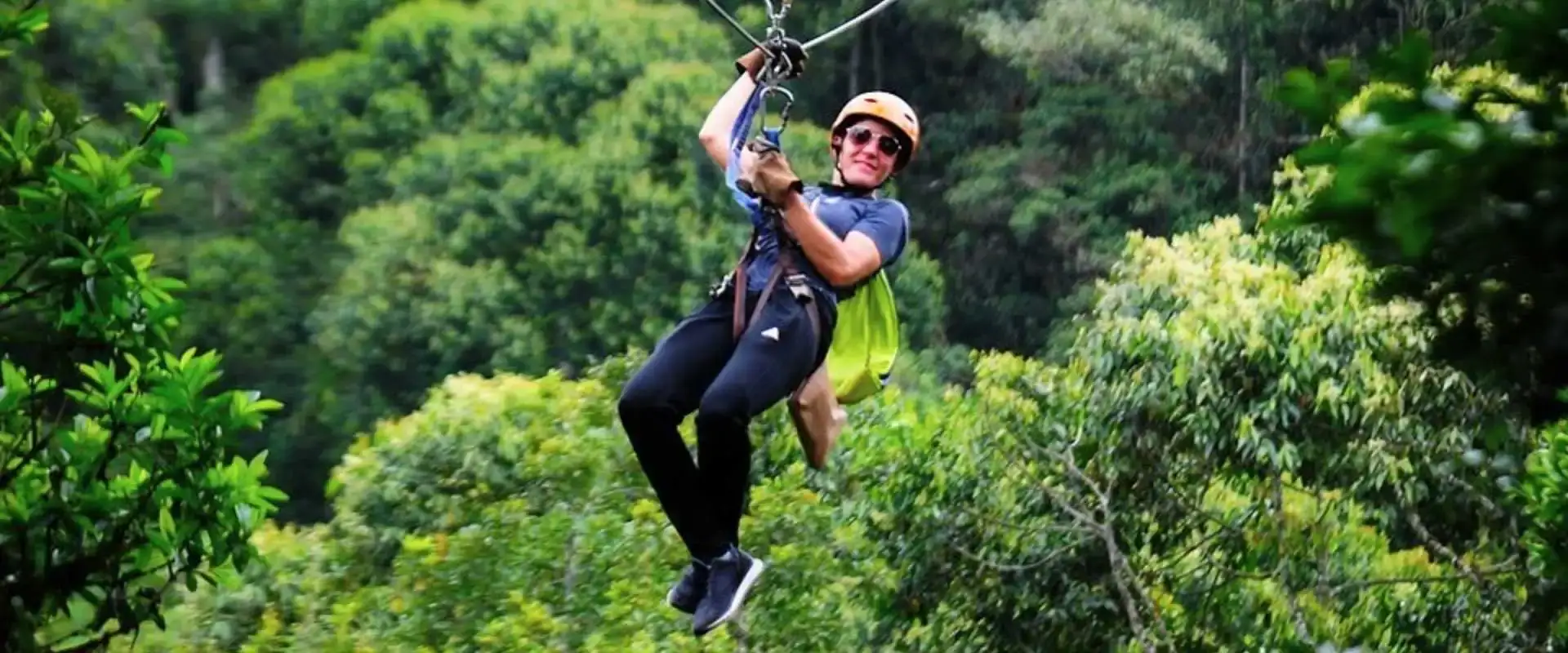
The Mindo zipline at Mindo Canopy Adventures runs 10 cables between 150 and 500 meters long, rigged with a double-cable safety system and Petzl pulleys. A full 1–1.5 hour tour costs $15–$20 per person, operates daily from 9 AM to 4 PM, and sits 2.5 km up Ruta Saloya — about a 10-minute drive from Mindo town.
What Is the Mindo Zipline Experience, Really?
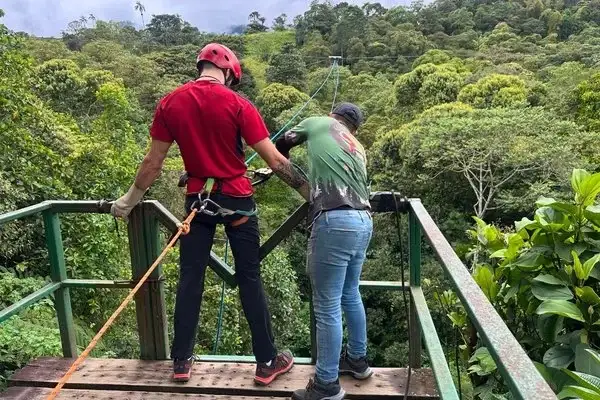
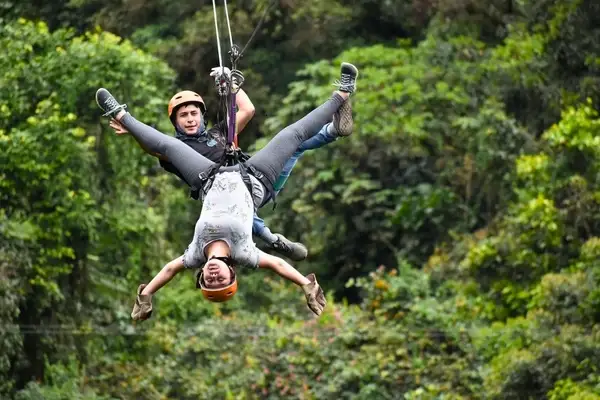
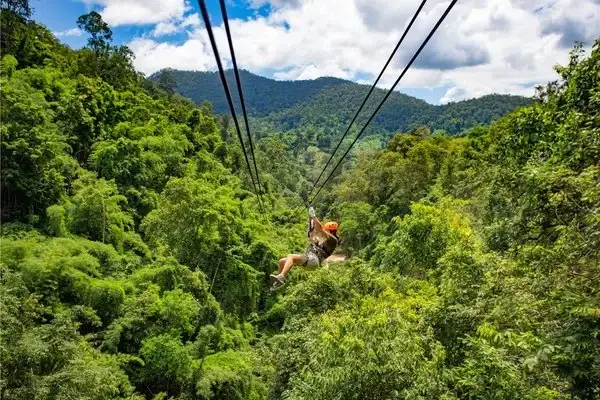
A Mindo zipline tour is a continuous circuit of aerial cables strung between platforms in the cloud forest canopy, roughly 60 to 100 meters above the ground. You clip in with a harness, step off a wooden tower, and glide — sometimes upside down, sometimes Superman-style — until a controlled brake system brings you back to earth.
Two operators dominate the local market. Mindo Canopy Adventures (the original, opened in 2005) runs the 10-cable route on Ruta Saloya. Mindo Ropes & Canopy is the newer competitor with shorter lines but cheaper entry. I’ve taken groups to both. For first-timers who want the real cloud forest views and longer rides, the Canopy Adventures route is the one to book.
Why the Mindo Cloud Forest Zipline Beats Other Ecuador Circuits
Ecuador has ziplines in Baños, Puyo, and even on the coast, but Mindo is the only one that threads you straight through primary cloud forest. On a clear morning you’ll glide past Tanager flocks and hear the Pava de Monte calling below. No other zipline Ecuador location gives you that mix of adrenaline and biodiversity in the same ride.
The 10 Cables at Mindo Canopy Ziplines (What You Actually Ride)
Here’s the part most blogs skip: specific cable details. The Mindo canopy ziplines circuit includes 10 lines ranging from a 150-meter warm-up run to a 500-meter monster called “La Reina.” Total riding time is about 40 minutes of pure air, plus the walks between platforms through the cloud forest trail.
Superman, Butterfly, and Couples: The Zipline Techniques
On the longest cables, guides offer three acrobatic positions. Superman (stretched face-down with arms forward) is the showstopper — you’ll feel like you’re flying. Mariposa (butterfly, upside-down) gives you a full view of the canopy above. Parejitas (couples, stacked face-to-face) is a rite of passage for honeymooners visiting Mindo. Trust me: try at least one.
Cable Lengths and Difficulty Progression
The circuit is designed so you build confidence. The first two lines are short and slow — good for nervous first-timers. Lines 3 through 7 get longer and faster, with the 400-meter cable giving you serious speed. The final 500-meter ride is where most people finally relax and enjoy the view instead of gripping the harness.
Mindo Zipline Prices 2026 (Real Numbers, No Surprises)
Price transparency matters here because travel blogs often quote outdated figures. As of 2026, the Mindo canopy adventure direct ticket costs $15–$20 USD per person for the full 10-cable circuit. Viator and GetYourGuide resell the same tour for $25–$35 with transport add-ons from Quito. Kids under 10 typically get a 30% discount; group rates kick in at 6 people.
What’s Included in Your Mindo Zipline Ticket
Your ticket covers the full 10-cable run, all safety gear (harness, helmet, gloves, double-cable hookup), a bilingual guide ratio of 1 instructor per 4 riders, and the photo package if you ask at check-in. Transport to the canopy base and insurance are not included in the walk-in price — bring cash or card and plan on a short taxi from Mindo town.
Is the Mindo Zipline Safe? (Honest Answer from a Local Guide)
Yes, and I say that after 12 years of sending clients down these cables. Mindo Canopy Ziplines operates under Ecuador’s Ministerio de Turismo adventure-sport certification, uses Petzl Trac Plus pulleys, and runs a double-cable redundancy system — if one cable ever failed (it hasn’t), the second catches you instantly. The brake system is built to US standards. Not sure where this fits in your itinerary? Send us your dates and we will sort the order out.
Weight, Age, and Health Restrictions
Minimum age is 6 years old, maximum weight is 120 kg (265 lbs). Kids under 35 kg ride tandem with a guide. People with recent knee or shoulder surgeries, serious back issues, or advanced pregnancy are politely turned away at check-in — not because the ride is rough, but because the braking force at the end of long cables can be jarring. If you have any doubts, email them beforehand.
Accident Record and What Guides Check Before You Launch
In over 20 years of operation, Mindo Canopy has never had a fatal accident. Minor incidents (bruised ankles from bad landings, scraped hands) are rare and almost always tied to riders ignoring the pre-launch briefing. Before every launch, the guide checks your harness buckles, carabiner direction, helmet fit, and your hand position on the brake cable. Pay attention during that 60-second check.
How to Get to the Mindo Zipline from Quito or Mindo Town
From Quito, it’s a 2-hour drive northwest via the Calacalí–La Independencia highway. Public buses leave the Ofelia terminal every 30 minutes and cost about $3.50. Once in Mindo, grab a taxi or ecotaxi (the little three-wheeled tuk-tuks) for $3–$5 up Ruta Saloya to the canopy base. Walking takes roughly 40 minutes uphill if you’re feeling energetic.
Booking Options: Walk-In vs. Online vs. Tour Package
Walk-in is the cheapest but not always available in high season (June–August, December–January). Online booking via Viator or GetYourGuide guarantees your slot but adds a 20-40% markup. The sweet spot is booking a Mindo day tour from Quito that bundles the zipline with the tarabita cable car, chocolate tasting, and butterfly garden — around $85 for the full day with pickup included.
Best Time of Day and Year to Ride
Morning runs (9–11 AM) are your safest bet for clear skies. By noon the cloud forest lives up to its name and visibility drops — which is atmospheric but not ideal for photos. Avoid afternoons between December and May; that’s when Mindo’s rainy season hits hardest, and cables close temporarily during thunderstorms.
What to Wear and Bring for Your Mindo Canopy Adventure
Closed-toe shoes are mandatory — hiking sneakers or trail runners work perfectly. Wear long pants or sport leggings (the harness will pinch bare thighs). Bring a light jacket; the cloud forest sits at 1,250 meters and temperatures drop fast when it’s cloudy. Skip loose jewelry, long scarves, and anything that could snag on a carabiner. A GoPro with a chest strap is allowed; phones on handheld mounts are not.
Combining the Mindo Zipline with Other Cloud Forest Activities
One ride isn’t enough to justify the 2-hour trip from Quito — most travelers pair it with two or three other activities. The classic combo is zipline + tarabita cable car + waterfalls hike, which fills a full day without feeling rushed. If you have two days, add the Mindo chocolate tour and a sunrise bird-watching walk.
START IN QUITO, END IN THE GALÁPAGOS
9 Day Ecuador and Galapagos Tour: Andes, Amazon and Santa Cruz
Quito, Cotopaxi, Quilotoa, Baños and the Amazon with your own guide, then three nights on Santa Cruz with tortoises, beaches and snorkeling.
From $1,990 per person
View itineraryEcuador & Galápagos Tours of 9 to 14 Days
Zipline + Tarabita + Nambillo Waterfalls Combo
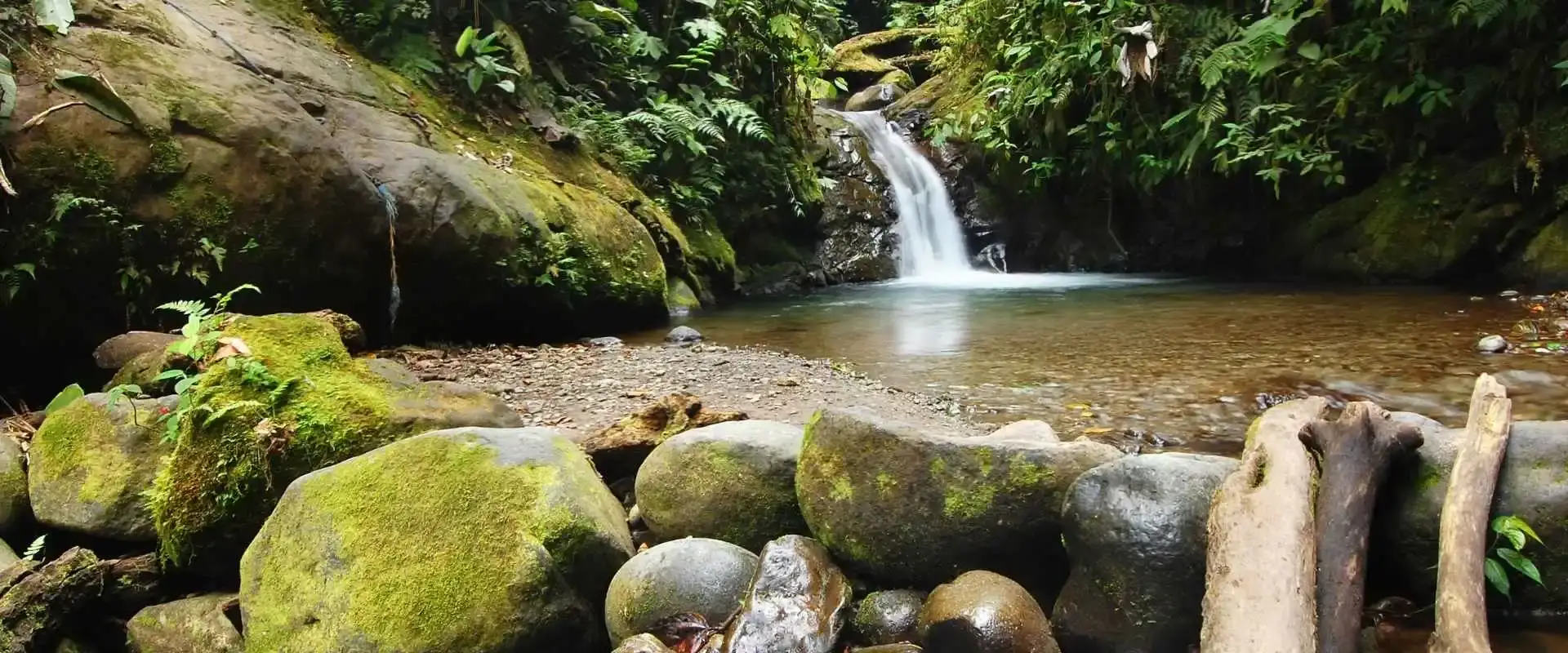
After the zipline, cross town to the Mindo tarabita (a small cable car over the canyon, $5 round trip) and hike the 7-waterfalls loop. Budget 4 hours for the hike, wear grippy shoes, and pack your swimsuit if you want to jump into the natural pools at Cascada Nambillo. Read my full Mindo Waterfalls hike guide for the route details.
Zipline + Chocolate Tour + Bird Watching: The Full Mindo Day
Adrenaline in the morning, cacao in the afternoon, birds at dawn the next day — that’s how I build the itinerary for clients who want to see the best of Mindo. The Mindo chocolate tour at Yumbos pairs perfectly with a zipline lunch break, and the bird watching walks finish the cluster.
Mindo Zipline vs. Baños Zipline: Which Is Worth Your Time?
If you only have time for one zipline in Ecuador, Mindo wins for scenery and safety record. Baños has longer single cables (the famous Casa del Arbol line hits 700 meters) but runs through patchy secondary forest and open valleys. Mindo keeps you inside living cloud forest the entire circuit, which is where the magic lives. Baños is cheaper by about $5 per person; Mindo delivers better photos and wildlife sightings.
Insider Tips Most First-Timers Get Wrong
A few things I wish someone had told me before my first ride at the canopy. Eat a light breakfast — a full stomach plus sudden drops equals queasiness. Use the bathroom before you gear up; once the harness is on, you’re committed for the next 90 minutes. Tip your guide $2–$3 per person if you ask for extra tricks or longer runs; it’s customary and genuinely appreciated.
Getting the Best Photos from the Zipline
The official photo package ($10 for digital copies) is actually solid — the guides know the exact spots to capture your face at launch and mid-cable. If you bring your own action cam, mount it on your helmet or chest strap facing backward. Your best frames will be from the 400 and 500-meter lines when you drop into the valley and the canopy opens up below.
Three Common Mistakes That Ruin the Experience
First: arriving soaking wet from the rain without a dry layer — you’ll freeze on the platforms. Second: ignoring the brake-hand instructions and slamming into the end pad at full speed. Third: trying to film with your phone in your hand instead of a secure mount. I’ve seen too many iPhones fall 80 meters into the forest. Don’t be that person.
Who Should (and Shouldn’t) Book the Mindo Zipline
The circuit is perfect for curious first-timers, adrenaline seekers, couples on honeymoon, families with kids aged 8 and up, and solo travelers who want a memorable half-day. Skip it if you have serious vertigo (the platforms are exposed), untreated back or neck injuries, or if heights trigger full-blown panic attacks. For everyone in between, it’s one of the best adventure activities in Ecuador.
Mindo Zipline Reviews: What Past Riders Actually Say
Checking TripAdvisor and Google Maps reviews before booking adventure activities is smart, and the mindo zipline holds up well under scrutiny. Mindo Canopy Adventures sits at a 4.8-star rating from 83 Tripadvisor reviews and 4.9 stars on Google with hundreds of reports. The consistent praise focuses on three things: professional guides, well-maintained equipment, and the cloud forest setting itself.
Complaints, when they appear, tend to come from visitors who booked through large aggregator platforms and paid double the walk-in rate — not from the experience itself. A few reviewers mention that morning slots get crowded in peak Ecuadorian school holidays (late July, December). Booking for a weekday afternoon is usually quieter. Read the reviews with filters on “recent” and “low rating” to catch any operational shifts.
What Return Visitors and Locals Love About the Circuit
The people who come back twice almost always cite the same reason: the guides genuinely enjoy their work. After 20 years running cables, the team at Mindo Canopy knows how to read nervous riders, calibrate speed, and pull off tricks like the Superman position safely. Local Ecuadorian families book group discounts for birthdays and school graduations — that’s usually the strongest signal that an operation is solid.
Final Thoughts: Is the Mindo Zipline Worth It?
Honest answer after guiding hundreds of clients here: yes, every time. The combination of real cloud forest, well-maintained cables, genuinely professional guides, and the rush of flying over a 100-meter canyon is hard to beat anywhere in South America. Book the full 10-cable circuit, pair it with the waterfalls hike, and you’ll leave Mindo with stories you’ll still be telling next year.
Sustainability and the Cloud Forest Around the Mindo Zipline
Something worth knowing before you book: the canopy cables at Mindo sit inside a privately protected section of cloud forest. Ticket revenue funds trail maintenance, reforestation, and the conservation reserve that keeps this ecosystem intact. When you ride, you’re directly supporting the protection of one of Ecuador’s most biodiverse habitats — home to over 500 bird species, orchids, and endemic frogs.
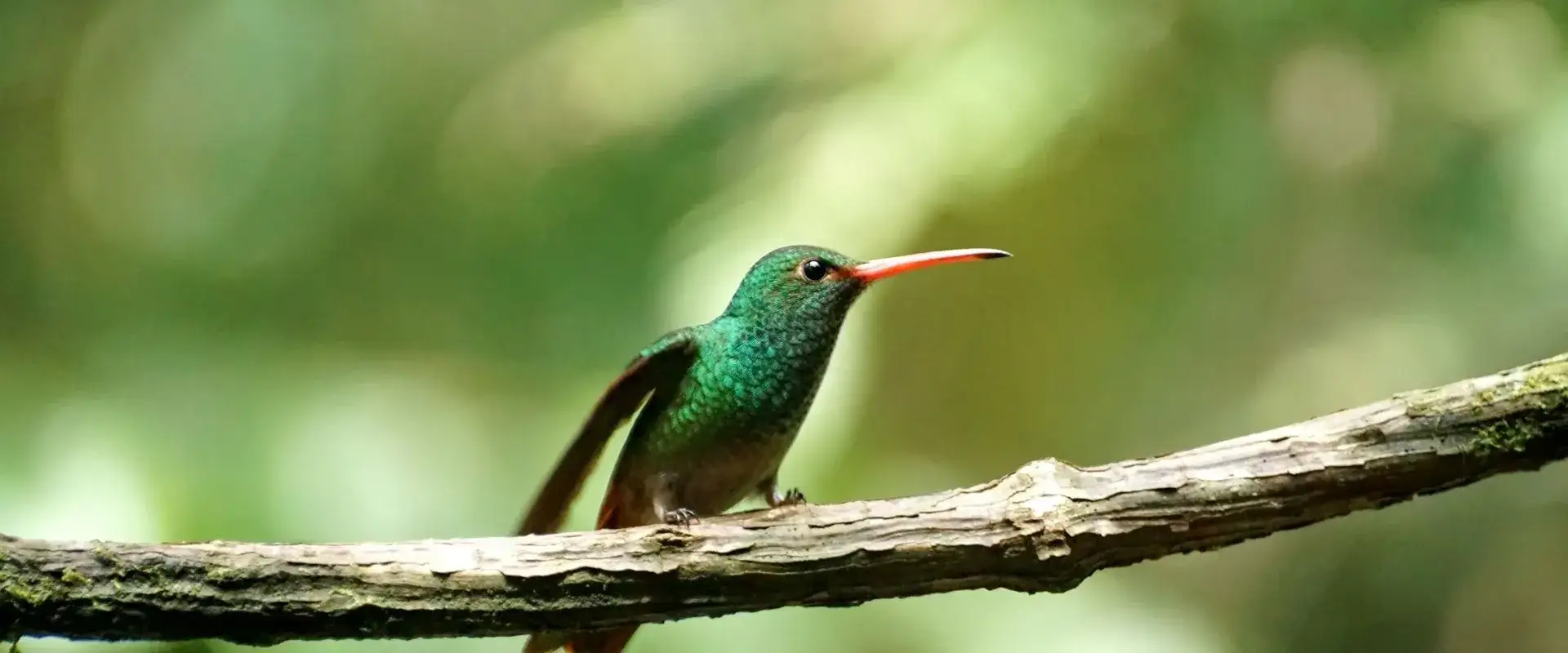
On the walks between platforms, keep your eyes open for glasswing butterflies, cock-of-the-rock males showing off near the third cable, and hummingbirds buzzing the flowering trees along the trail. Guides will happily stop and point things out if you ask. That’s the advantage of a small, local operation versus a mass-market zipline park — you’re surrounded by real forest, not landscaped lawns.
Responsible Travel Tips for Mindo Adventure Activities
Pack out everything you pack in — granola bar wrappers, tissues, empty water bottles. Don’t use flash photography on the cables (it stresses nearby wildlife). Skip the temptation to pick orchids or touch tree frogs; the reserve monitors vegetation closely. Support the local economy by eating lunch in Mindo town afterward instead of grabbing fast food on the drive back to Quito — the almuerzos at Mishqui Quinde or El Quetzal are legit.
Why Booking Local Beats Big Agencies Every Time
The price difference between booking direct with Mindo Canopy Adventures versus an international aggregator can be 40–60%. Direct booking also means your money stays in the village, goes toward guide salaries, and funds the cable inspections that keep the operation running safely. If you’re already going to Mindo, just show up at the base on Ruta Saloya and buy your ticket in person. Fast, cheap, and supports the people who built this place.
Mindo Zipline FAQ: Quick Answers
Explore More Mindo Adventures
The zipline is just one of many incredible experiences in the cloud forest. Our Mindo Cloud Forest Ecuador complete guide covers everything from getting there to where to stay. After your canopy adventure, explore the hummingbirds of Ecuador at nearby feeders, compare budget vs luxury in our Mindo vs Mashpi guide, visit the stunning Mashpi Lodge, or plan a comprehensive Ecuador bird watching tour.
How much does the Mindo zipline cost in 2026?
The walk-in mindo zipline ticket at Mindo Canopy Adventures is $15–$20 USD per person for the full 10-cable circuit. Online pre-bookings through Viator or GetYourGuide run $25–$35. Full-day Mindo tours from Quito that bundle the zipline with tarabita and chocolate tasting average $85 with transport included.
Is the Mindo canopy zipline safe for beginners?
Yes. The circuit uses a double-cable safety system, Petzl Trac Plus pulleys, US-standard brakes, and is certified by Ecuador’s Ministry of Tourism. Over 20 years of operation with no fatal accidents. Guides brief every rider before launch and ride the first cable with nervous first-timers tandem if needed.
How long does the full Mindo zipline tour take?
Plan on 1 to 1.5 hours from check-in to last cable. That includes gearing up, the safety briefing, roughly 40 minutes of actual riding across 10 lines, and the short walks between platforms through the cloud forest trail.
What is the minimum age and weight for the Mindo canopy adventure?
Minimum age is 6 years old. Kids under 35 kg ride tandem with a guide. Maximum weight is 120 kg (265 lbs). Riders with recent joint surgeries, serious back issues, or advanced pregnancy are not permitted because of the braking force on long cables.
Can I do the Mindo zipline as a day trip from Quito?
Absolutely. Quito to Mindo takes about 2 hours by car or bus. Most travelers book an organized day tour that leaves Quito at 7 AM, runs the zipline late morning, adds the tarabita and waterfalls in the afternoon, and returns by 7 PM. Self-drivers can do it faster.
When is the best time to visit the Mindo cloud forest zipline?
June through November is the drier season — best for clear views and stable operations. Morning slots (9–11 AM) give you the clearest skies year-round. Avoid December through May afternoons, when heavy cloud forest rain can temporarily close cables during thunderstorms.