Hummingbirds of Ecuador 2026: 132 Species, Real Cloud Forest Spots
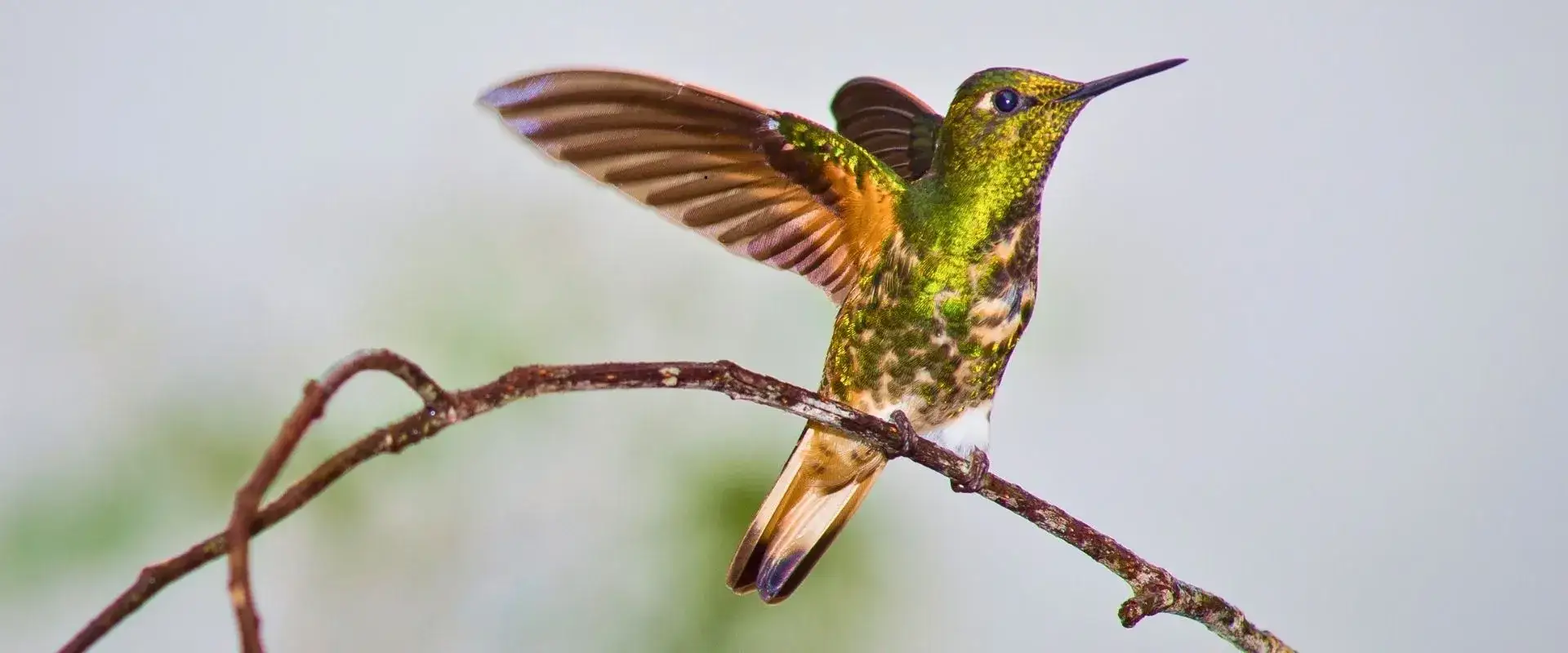
Hummingbirds of Ecuador number 132 species—second only to Colombia, packed into a country smaller than Nevada. Per the Cornell Lab of Ornithology, Ecuador hosts roughly 40% of the world’s hummingbird species. The four reliable cloud-forest spots near Quito are Mindo, Mashpi, Yanacocha, and Tandayapa Valley—each one delivering 20-40 species at a single feeder station.
- 132 species in Ecuador — about 40% of the world’s hummingbirds in one country.
- Mindo Cloud Forest: 30+ species at one feeder station, 2 hours from Quito.
- Year-round viewing: equatorial location = no migration, so any month works.
- Altitude range: hummingbirds at every elevation from sea level to 4,800m (Ecuadorian Hillstar).
Ecuador & Galápagos Tours of 9 to 14 Days
The moment that hooked me on hummingbirds of Ecuador birding happened at a cloud forest lodge near Mindo. A Velvet-purple Coronet hovered six inches from my face, studied me for three seconds, then vanished. That was 14 years ago. Since then I’ve logged over 130 hummingbird species across Ecuador — and the country holds more than 130 confirmed species, making it the hummingbird capital of the world.
Ecuador hosts 130+ hummingbird species — more per square kilometer than any other country. The best viewing spots are the Mindo cloud forest (30+ species at lodge feeders), Tandayapa Valley, Papallacta Pass, and Mashpi Reserve. Peak activity is October through March during breeding season. Entrance fees range from $5-$25 per reserve.
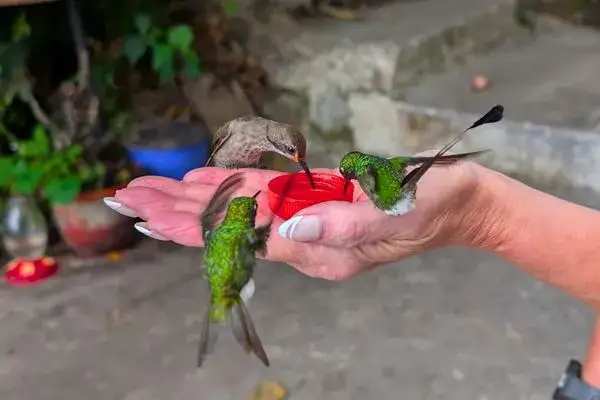
Why Ecuador Is the World Capital of Hummingbirds
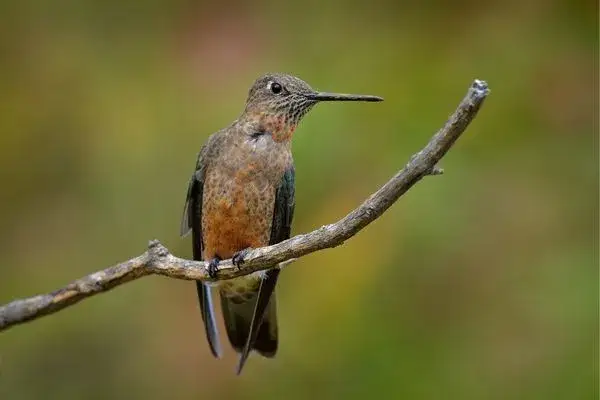
Geography made Ecuador a hummingbird paradise. The Andes split the country into eastern and western slopes, creating dozens of isolated micro-climates between sea level and 4,500 meters. Each altitude band has its own suite of hummingbirds of ecuador specialties — from the Giant Hummingbird at 3,800 meters to the tiny Woodstar species in the coastal lowlands. The cloud forest belt between 900 and 2,500 meters holds the highest concentration, with Mindo alone recording 35 species at a single feeding station.
Ecuador’s network of private reserves and community-run lodges has turned hummingbird watching into a significant ecotourism economy. Feeders attract birds reliably year-round, making Ecuador the easiest place on Earth to photograph hummingbirds at close range. No other country combines this species density with this level of visitor infrastructure.
Top 10 Hummingbirds of Ecuador You Need to See
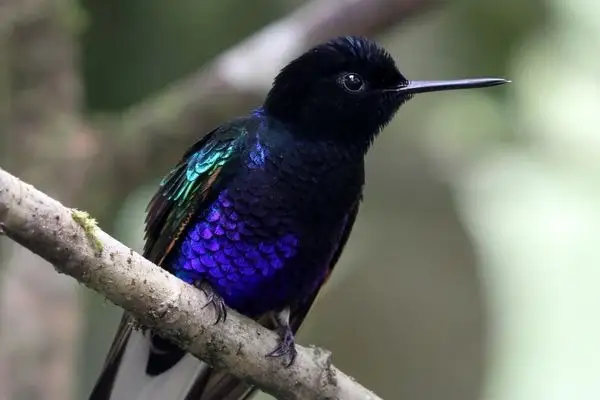
1. Velvet-purple Coronet (Boissonneaua jardini)
The showstopper of the western cloud forest. Deep purple body with a glittering green crown — it looks like it was dipped in jewels. Common at Mindo feeders, Tandayapa, and Mashpi Lodge. Best photographed in morning light when the iridescence hits full intensity.
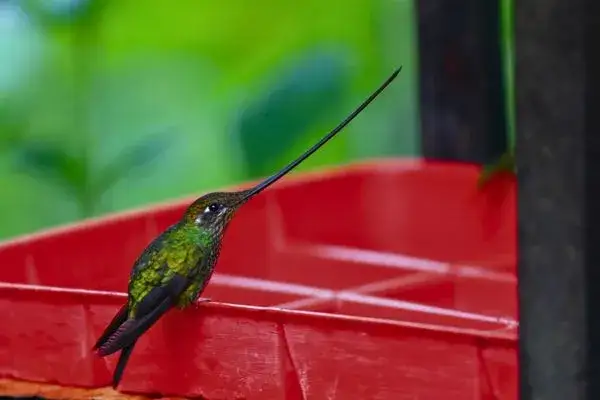
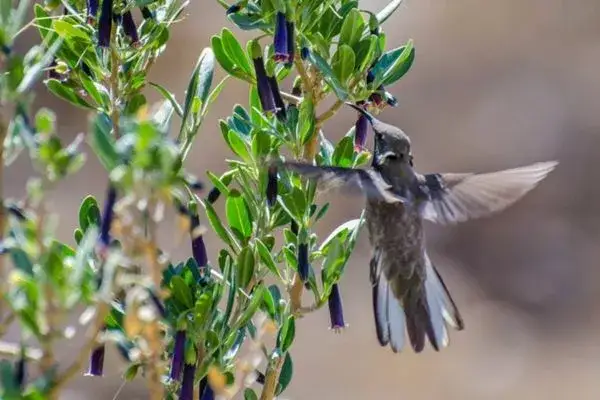
2. Sword-billed Hummingbird (Ensifera ensifera)
The only bird whose bill is longer than its body. Found at highland cloud forest between 2,500-3,500 meters. Papallacta Pass and Guango Lodge are reliable spots. Evolved to feed from deep tubular Datura flowers that no other hummingbird can reach. One of the most photographed hummingbirds of Ecuador visitors seek out.
3. Empress Brilliant (Heliodoxa imperatrix)
A Chocó endemic — large, aggressive at feeders, with a glowing green throat patch. Common throughout the Mindo cloud forest between 800-1,800 meters. Males defend their favorite perch near feeders for hours, making them easy to photograph once you find their territory.
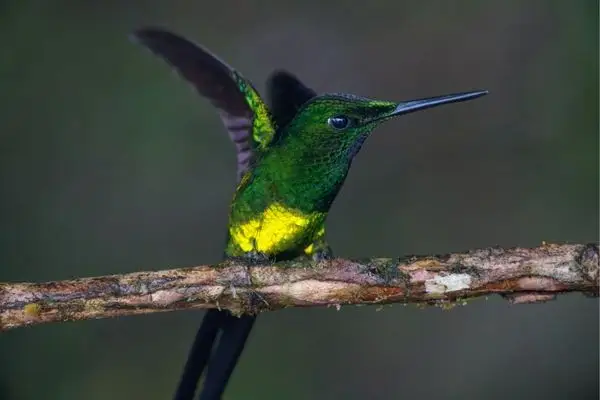
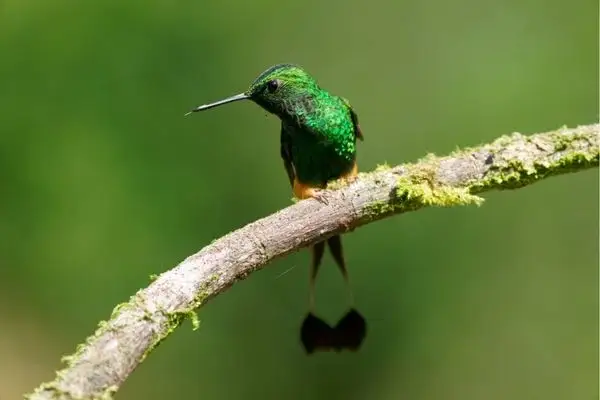
4. Booted Racket-tail (Ocreatus underwoodii)
Tiny, with fluffy white “boots” on its legs and two elongated tail feathers ending in racket-shaped tips. Found on both Andean slopes from 1,000-2,500 meters. The male’s display flight — hovering with the racket-tails swinging — is one of the most elegant things you’ll see in Ecuador birding.
5. Andean Hillstar (Oreotrochilus estella)
The highland specialist. Lives above 3,500 meters in the páramo where temperatures drop near freezing. Enters torpor at night to survive the cold. Found at Antisana Reserve, Chimborazo, and Cajas National Park. Unlike lowland hummingbirds, Hillstars perch on rocks and bushes rather than hovering at flowers — an adaptation to conserve energy in thin air. If you would rather someone else handled the logistics, tell us what you have in mind.
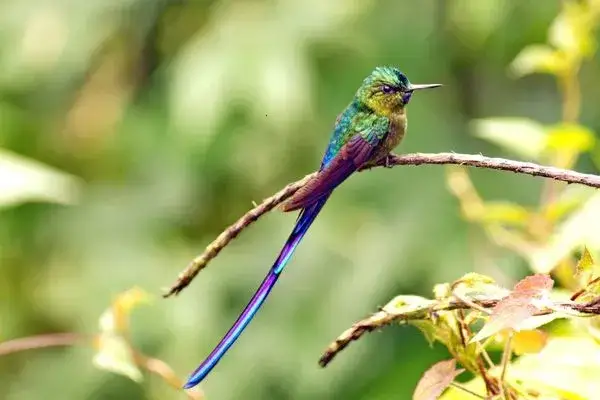
6. Violet-tailed Sylph (Aglaiocercus coelestis)
The male’s tail is impossibly long — a shimmering violet ribbon that trails behind him in flight. Western slope specialist from 900-2,100 meters. Common at Mindo, Milpe, and Tandayapa feeders. Photographing this species mid-flight with the tail fully extended is a bucket-list shot for bird photographers.
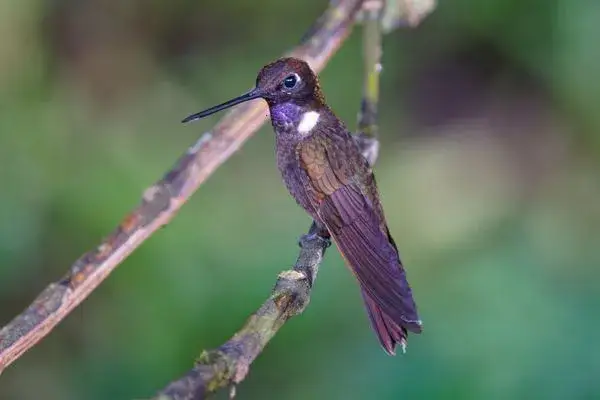
7. Brown Inca (Coeligena wilsoni)
Understated compared to flashier species but beautiful up close — warm brown plumage with a white chest patch and violet throat. A Chocó endemic reliably found at Mindo lodge feeders and the Mashpi reserve. Often overlooked by beginners who mistake it for a female of another species.
8-10. White-whiskered Hermit, Purple-throated Woodstar & Giant Hummingbird
The White-whiskered Hermit is a trap-liner — follows a circuit of Heliconia flowers in the understory instead of guarding a feeder territory. The Purple-throated Woodstar weighs barely 3 grams, the smallest hummingbird in western Ecuador. And the Giant Hummingbird near Quito’s highland valleys weighs 24 grams — 8x heavier than the Woodstar. These three round out the essential hummingbirds of ecuador species list.
Best Places to See Hummingbirds of Ecuador
START IN QUITO, END IN THE GALÁPAGOS
9 Day Ecuador and Galapagos Tour: Andes, Amazon and Santa Cruz
Quito, Cotopaxi, Quilotoa, Baños and the Amazon with your own guide, then three nights on Santa Cruz with tortoises, beaches and snorkeling.
From $1,990 per person
View itineraryMindo Hummingbirds: 30+ Species at One Feeder Station
The Mindo bird watching circuit is the single best place for hummingbird diversity in Ecuador. Séptimo Paraíso lodge, Sachatamia, and Alambi reserve each maintain sugar-water feeders that attract 15-30 species daily. The Tandayapa Bird Lodge, 30 minutes above Mindo, adds another 10+ highland species not found at lower elevations. Budget $5-15 per reserve entrance. A Mindo cloud forest trip is the fastest way to see the most hummingbirds of Ecuador has to offer.
Papallacta Pass & Guango Lodge: Highland Specialists
Guango Lodge at 2,700 meters on the Papallacta road is the go-to for Sword-billed Hummingbird, Tourmaline Sunangel, and Long-tailed Sylph. The feeders here operate year-round and the lodge allows day visitors for a $10 entrance fee. From Quito, it’s a 2-hour drive east toward the Amazon — combine it with a soak at Papallacta hot springs for the perfect highland day trip.
Mashpi Reserve: Chocó Lowland Endemics
At 950 meters, Mashpi Lodge captures lowland Chocó hummingbirds that don’t reach Mindo’s higher elevations — including Green Thorntail, White-whiskered Hermit, and Rufous-tailed Hummingbird in their highest density. The lodge terrace feeders attract 15-20 species. Combined with Mindo, you can see 50+ hummingbird species in a 4-day trip.
Hummingbird Ecuador Photography Tips from the Cloud Forest
Hummingbird ecuador photography splits travelers into two camps: those who try to freeze the wings (and fail), and those who lean into the blur (and get something beautiful). Fast shutter speed (1/2000s minimum) freezes wing motion. Flash with a diffuser fills in the iridescent throat patches that disappear in flat light. Sit still for 10 minutes near a feeder — the birds will approach within arm’s length. Use a 100-400mm lens for perched shots and a 70-200mm for feeder action. Morning light (6:30-8:30 AM) gives the warmest colors. Overcast days actually help — the diffused light makes iridescence glow evenly without harsh reflections.
The best investment for hummingbird photography in Ecuador is time, not equipment. Spend two full mornings at a single feeder station. By the second session, you’ll know each species’ preferred perch, approach angle, and feeding schedule. That knowledge produces better images than any lens upgrade.
Hummingbird Watching Ecuador: Best Seasonal Guide
hummingbirds of Ecuador viewing is excellent year-round because most species are resident, not migratory. That said, breeding season (October through March) brings peak activity: males perform aerial displays, territorial aggression increases at feeders, and nesting females are visible in the understory. The pre-dawn hour (5:45-6:30 AM) is when hummingbirds are most active after a night of torpor — they need to refuel fast.
The drier months (June through November) make trail access easier at highland sites like Papallacta and Antisana. Cloud forest sites like Mindo are accessible year-round but expect afternoon rain December through May. For photographers, overcast mornings (common in cloud forest) produce the best iridescence shots — direct sunlight creates harsh spots and blown highlights on metallic plumage.
Ecuador Hummingbirds: How to Attract and Identify Them
Spotting ecuador hummingbirds at your hostel garden or backyard is easier than most travelers think—it comes down to the right feeder, the right sugar mix, and a bit of patience. At feeder stations, hummingbirds of Ecuador species follow predictable patterns. Large species (Empress Brilliant, Collared Inca) dominate the feeders and chase smaller birds away. Medium species (Coronets, Brown Inca) visit in quick bursts between the dominant birds’ territorial sweeps. Small species (Woodstars, Thorntails) sneak in from the sides or feed from peripheral flowers instead. Knowing this hierarchy helps you predict where each species will appear.
Identification tips for beginners: focus on three features — throat color (gorget), tail shape, and bill length. These three characters separate 80% of hummingbirds of ecuador species at feeder stations. Download the Merlin Bird ID app before your trip — it identifies hummingbirds by photo and by sound, and works offline in Ecuador.
Hummingbird Conservation in Ecuador: Threats and Protection
Ecuador’s hummingbirds face three main threats: habitat loss from agricultural expansion, climate change pushing cloud forest zones upward, and illegal capture for the pet trade. The Black-breasted Puffleg (fewer than 250 individuals) and the Blue-throated Hillstar (discovered 2017, confined to a single mountain) are critically endangered. Ecotourism plays a direct role in conservation — lodge revenue funds private reserves that protect cloud forest habitat.
When you visit hummingbird feeder stations in Ecuador, your entrance fee ($5-25 per reserve) directly supports habitat protection. The Paz de las Aves reserve in Mindo was purchased with birding tourism revenue. Tandayapa Bird Lodge funds ongoing reforestation on its property. Every hummingbirds Ecuador trip you take contributes to the survival of these species.
Budget Guide: Ecuador Hummingbird Species Tours & Costs
A dedicated hummingbird watching Ecuador trip costs surprisingly little. Self-guided option: bus from Quito to Mindo ($3.50), hostel ($15-25/night), reserve entrances at Paz de las Aves ($25), Milpe ($10), Sachatamia ($10), and Alambi ($8). Total for 3 days of world-class hummingbird photography: $120-$180 including meals. Guided option: hire a local birding guide in Mindo ($50-80/day) who knows every feeder station, approach angle, and peak activity window.
The luxury route through Mashpi Lodge ($550/night) or Tandayapa Bird Lodge ($200/night) adds expert ornithologist guides, premium feeder setups with photography blinds, and species you won’t find at budget stations. For serious hummingbirds Ecuador photography, budget 5 days splitting time between Mindo (3 days, budget) and Guango Lodge or Tandayapa (2 days, mid-range) for maximum species diversity across altitude zones.
Hummingbirds Ecuador FAQ
How many species of hummingbirds are in Ecuador?
Ecuador has about 132 hummingbird species — roughly 40% of all hummingbird species on Earth, packed into a country the size of Nevada. Only Colombia has more. The Cornell Lab of Ornithology tracks the official count.
Do hummingbirds in Ecuador migrate?
Most don’t. Ecuador sits on the equator, so the climate barely shifts year-round — no need to migrate. A few highland species move a bit between elevations during cold snaps, but in general you can see hummingbirds any month, any season.
What is the best place to see hummingbirds in Ecuador?
Mindo Cloud Forest. It’s 2 hours from Quito, has lodges with feeder stations that pull in 30+ species at once, and the elevation (1,250m) is comfortable for everyone. For highland specialists like the Sword-billed and Andean Hillstar, add Guango Lodge or Yanacocha Reserve.
When is the best time of year to see hummingbirds in Ecuador?
Any time. Because Ecuador is equatorial, hummingbirds are active year-round. If you want the driest weather for hiking between feeder stations, aim for June–September. The wet season (October–May) brings more flowering plants, which actually attracts more birds to natural sources.
Do I need to worry about altitude when birding for hummingbirds in Ecuador?
If you’re going to Mindo (1,250m), no. If you’re heading to Yanacocha (3,500m), Papallacta (3,300m), or Guango (2,700m) — yes, take it easy the first day, drink water, skip alcohol. Most birders adjust within 24 hours.
What percent of the world’s hummingbird species live in Ecuador?
Roughly 40% — about 132 of the world’s ~340 hummingbird species are found in Ecuador. That’s the highest density of hummingbird diversity on the planet relative to country size.
Which is the rarest hummingbird of Ecuador?
The Black-breasted Puffleg, with only around 300 individuals left in the wild — restricted to a tiny stretch of cloud forest on the Pichincha volcano. Critically endangered. Fundación Jocotoco and the IUCN Red List track its status.
How much does a hummingbird-watching tour in Ecuador cost?
Day trips from Quito to Mindo run $60-120 per person with transport, guide, and lunch. Multi-day birding tours (Guango Lodge 2-day or Mindo 3-day) start around $400-650 per person all-inclusive — that’s where you actually get the rarer highland species the day trips skip.
Ready to See These Hummingbirds of Ecuador in Person?
Reading about hummingbirds is one thing—watching them buzz the feeders three feet from your face at a Mindo or Guango lodge is another. Here’s the easiest way to make it happen.
Final Thoughts: Why Ecuador Is a Hummingbird Paradise
Ecuador has more hummingbird species than anywhere else its size — and the best spots are within a few hours of Quito. You don’t need a multi-week expedition or a professional birding background to see them. The four cloud-forest lodges in this guide put you face-to-face with feeders every single morning, no special skills required.
With over 130 confirmed Ecuador hummingbird species, this country offers the most diverse hummingbird watching experience on the planet. Hummingbird watching Ecuador tours typically start at $15-$25 per person at established lodges, though you can spot dozens of species simply by visiting the right feeders. The Mindo hummingbirds alone account for more than 30 species at a single feeding station — making it one of the easiest places in the world to photograph these tiny, iridescent birds up close. Whether you’re a serious lister working through Ecuador hummingbird species or a casual traveler wanting to see your first Sword-billed Hummingbird, the cloud forests deliver.
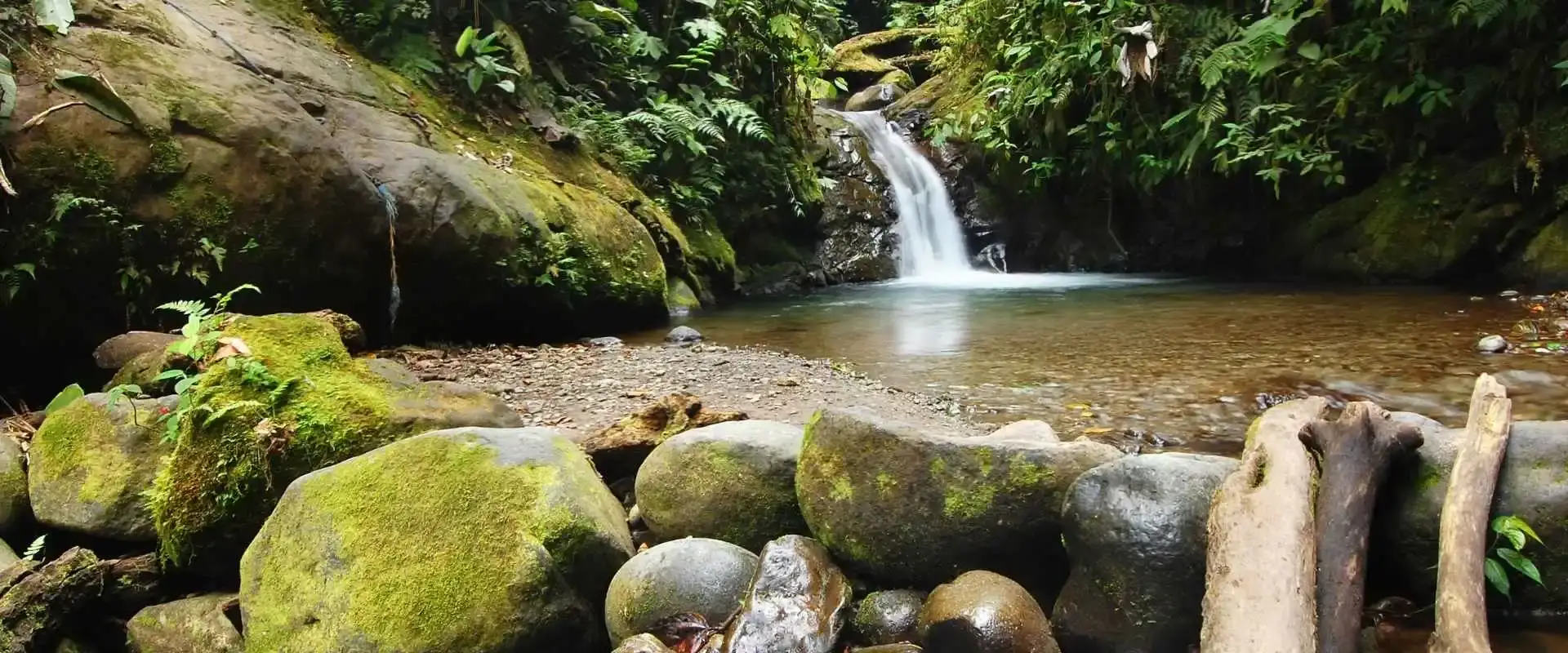
While you’re in the cloud forest spotting hummingbirds, make the most of your trip. The Mindo zipline canopy adventure lets you soar above the same forests where these birds live. Cool off at the beautiful Mindo waterfalls — several species feed along the trails. And the Mindo chocolate tour is the perfect afternoon activity after a morning birding session.
Looking for more on Hummingbirds Of Ecuador? Browse our related coverage on hummingbirds of ecuador guide, hummingbirds of ecuador tour, hummingbirds of ecuador travel, and reach out to our local experts for personalized planning.
Related Guides: Mindo Cloud Forest Ecuador | Mindo Bird Watching | Ecuador Bird Watching Tours | Mashpi Lodge Ecuador | Mindo vs Mashpi