
San Cristobal Galapagos: Kicker Rock, Beaches and Puerto Baquerizo Moreno
San Cristobal, Galapagos: sea lions in town, Kicker Rock for snorkeling, the El Junco crater lake and the giant tortoise center.

the Quito Trips team, local guides in QuitoUpdated · 3 min read
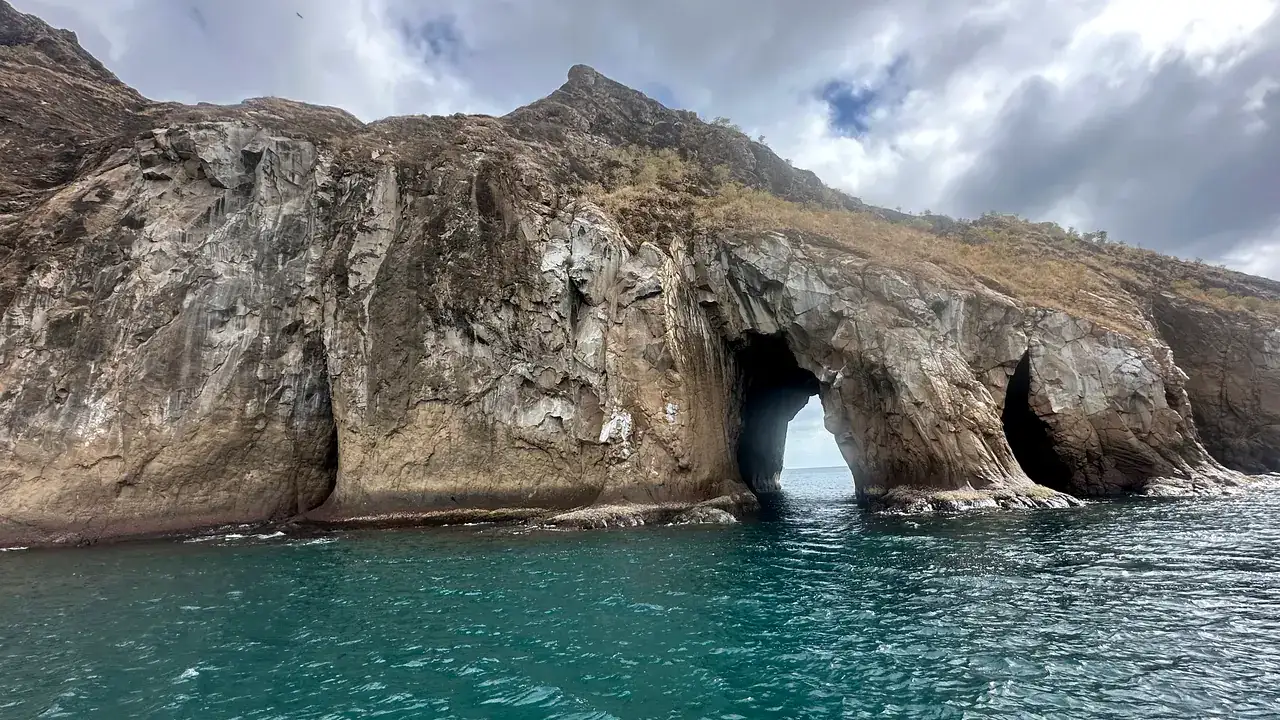
San Cristobal, Galapagos, is the island where the town and the wildlife meet. Sea lions sleep on the beach and on the benches of Puerto Baquerizo Moreno, the capital of the islands, and the airport sits at the edge of town. From there you snorkel at Kicker Rock, walk up Cerro Tijeretas on the island where Darwin first landed in 1835 and drive up to a crater lake and a giant tortoise center. Here is what to do on the island and how it fits into a land-based trip.
Getting to San Cristóbal
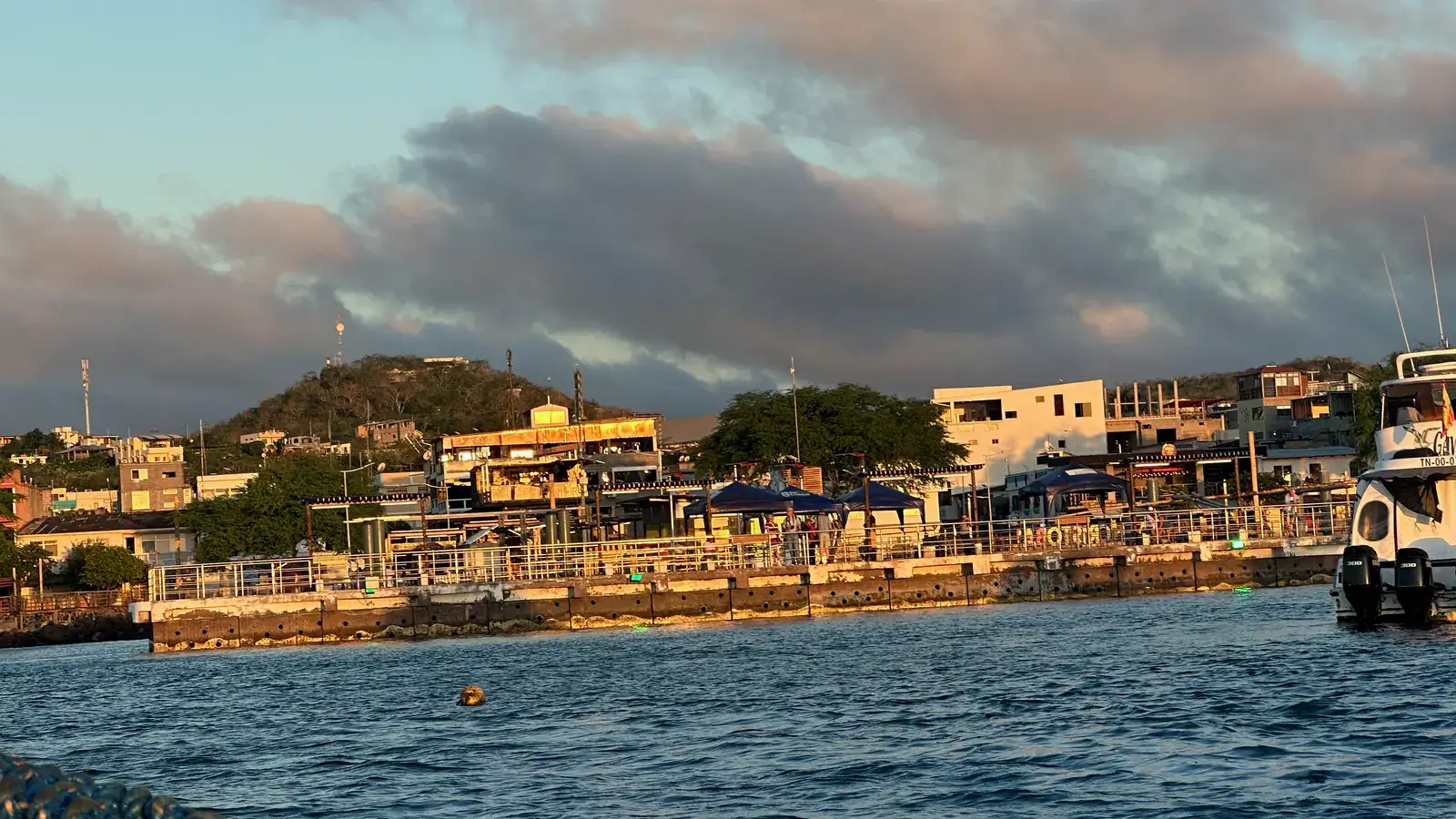
Flights from Quito and Guayaquil land at the edge of Puerto Baquerizo Moreno, a few minutes from the hotels. That makes San Cristóbal a good island to start or end a trip, since you skip the ferry and the drive that Baltra needs. From Santa Cruz the speedboat takes about two hours and usually leaves early in the morning. Our guide on how to get to the Galápagos covers flights and fees.
Puerto Baquerizo Moreno
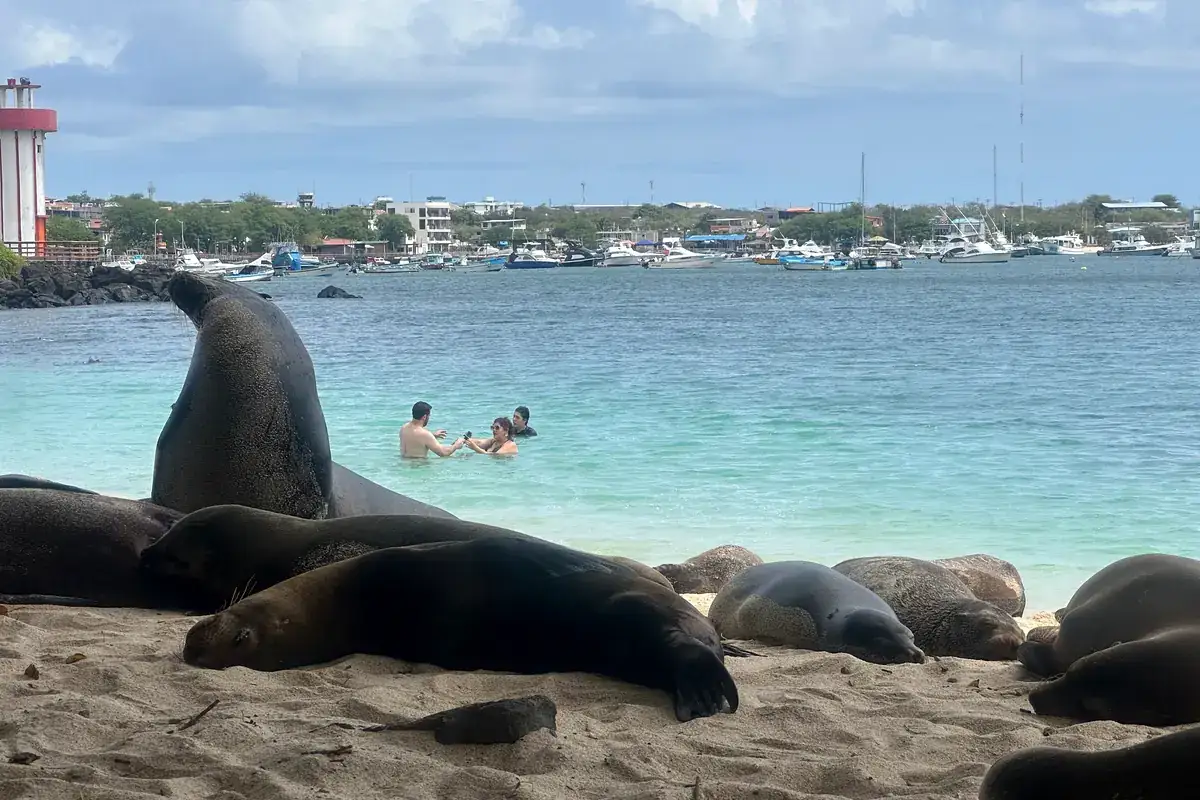
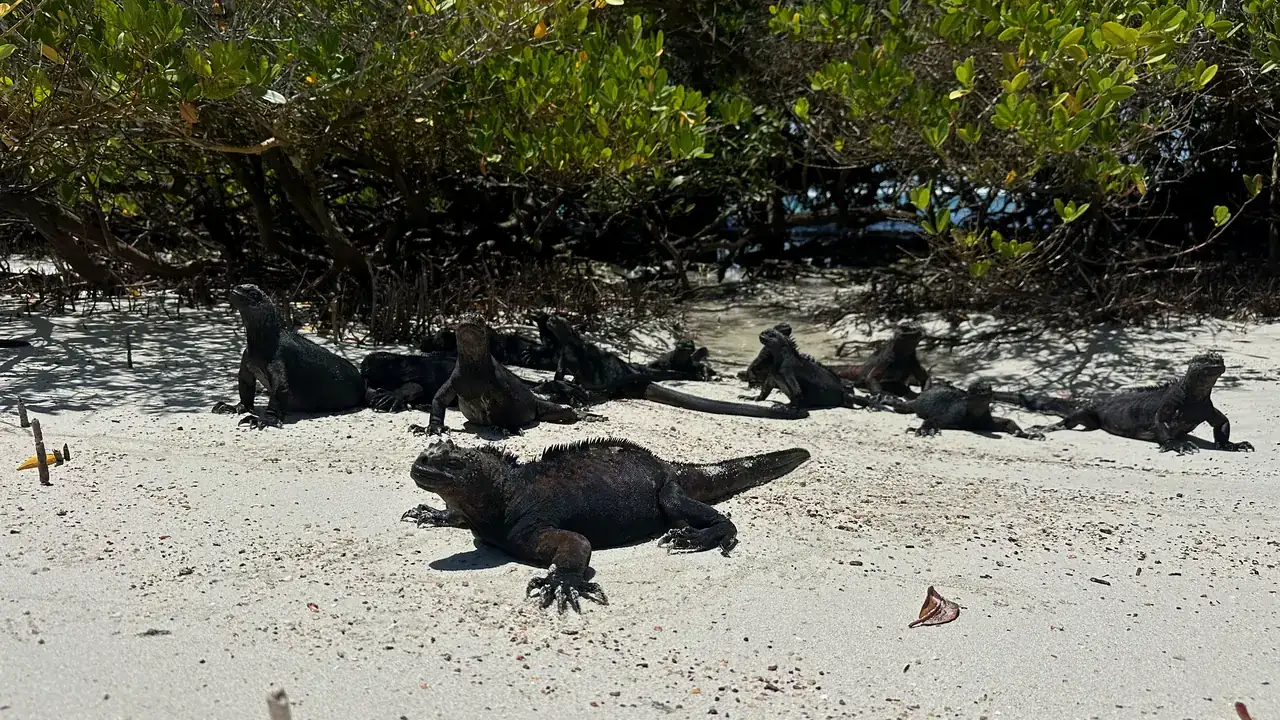
Puerto Baquerizo Moreno is the capital of the Galápagos province, a quiet town on a curved bay. Watch your step on the waterfront: sea lions sleep on the rocks, on the benches and on Playa Mann, a small town beach where people swim next to them.
The Interpretation Center, a short walk from town, tells the natural and human history of the islands, and it is a good first stop before the wildlife.
Cerro Tijeretas
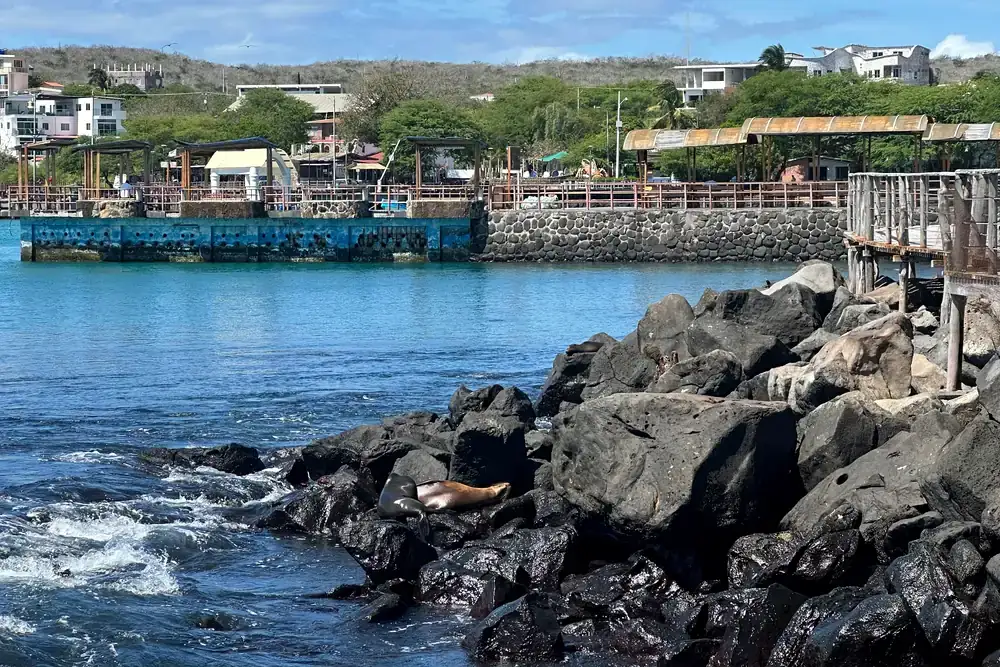
From the Interpretation Center a trail climbs to Cerro Tijeretas, with a view over the bay. Darwin's first landing in the Galápagos, in September 1835, was on San Cristóbal. The cove below the hill is calm and clear, a good place for a first swim with a mask.
Kicker Rock
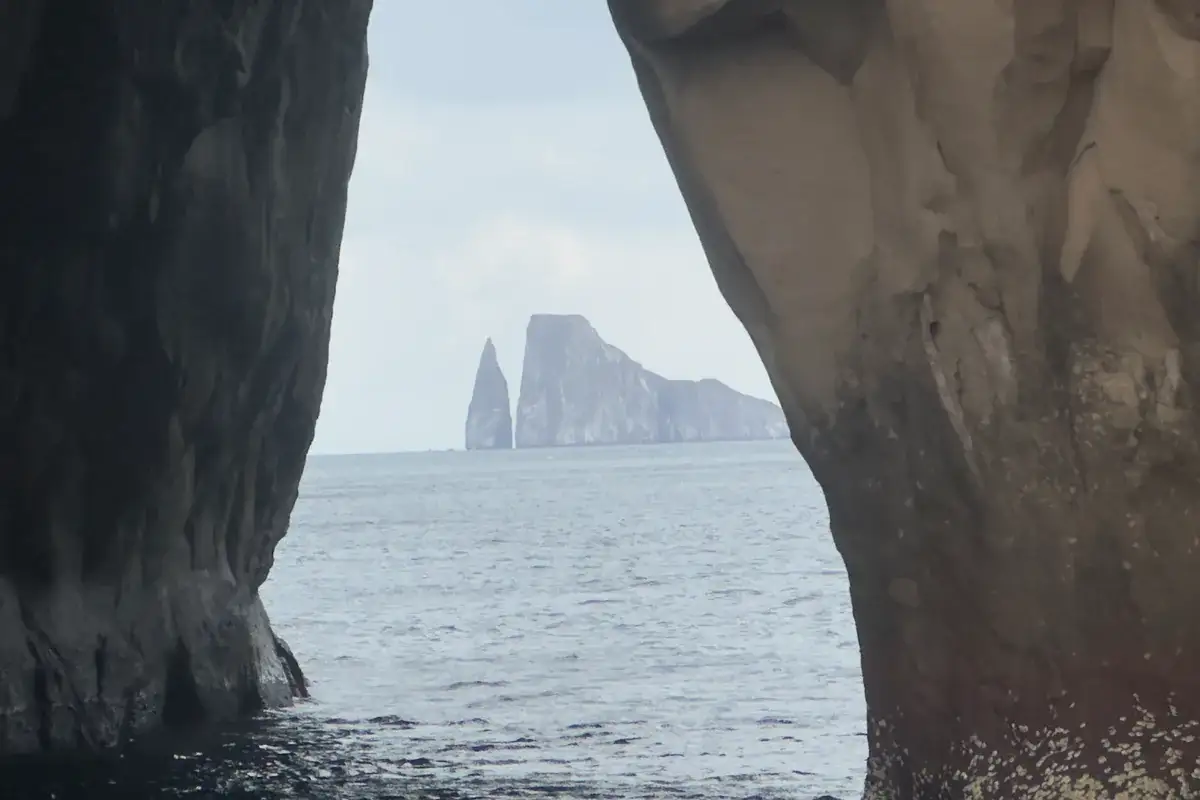
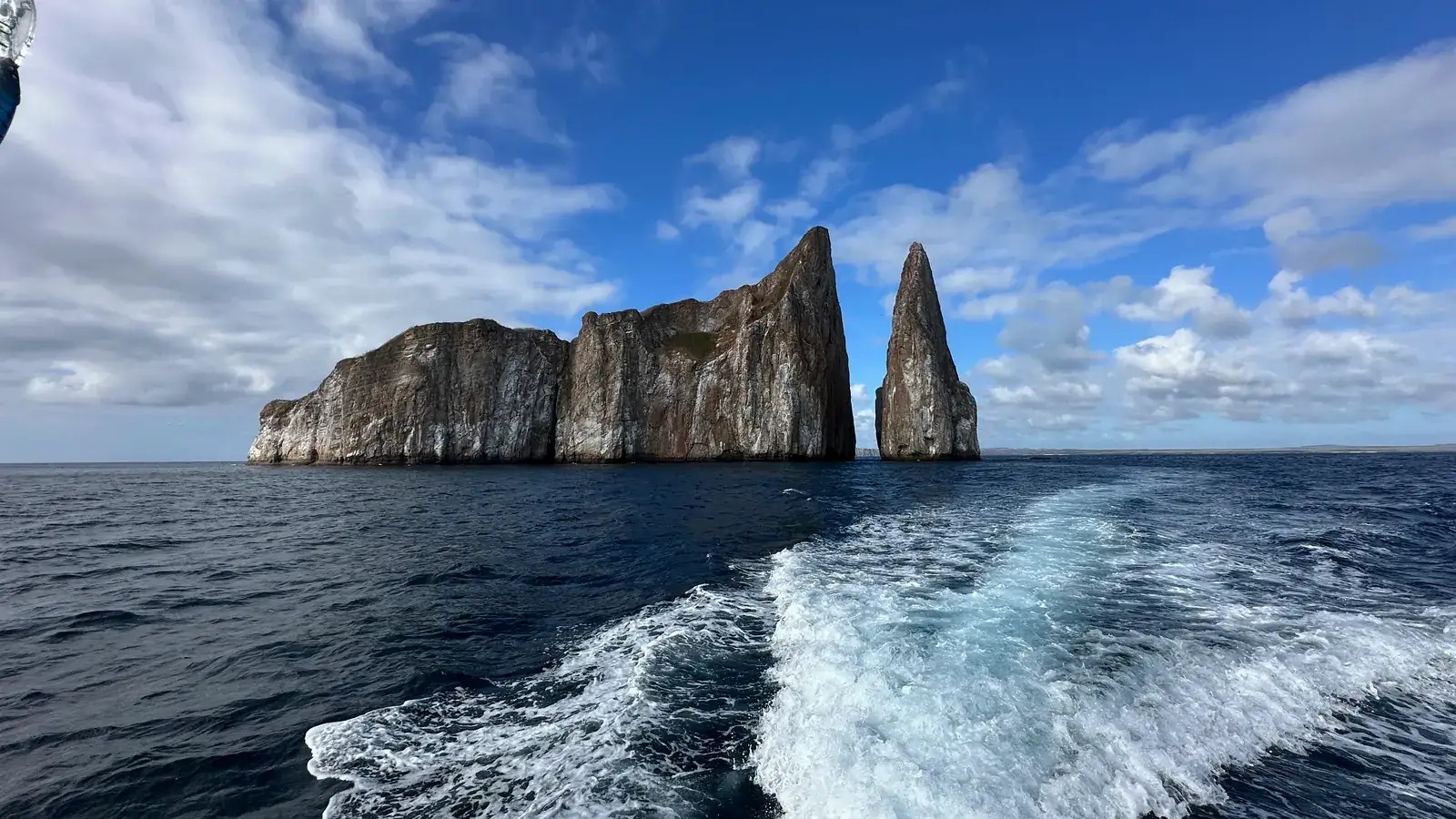
Kicker Rock, which locals call León Dormido, is two eroded volcanic cones that rise straight out of the sea off the north coast, about 45 minutes to an hour by boat from town. You snorkel in the channel between the rocks, where sea turtles and rays pass below you and, on many days, Galápagos sharks. The water is deep, and the crew lends you a vest if you want one.
Lunch is served on board. On the way back the boat stops at a beach, usually Cerro Brujo or Puerto Grande, depending on the park schedule for that day. From June to November the water is cool, so a wetsuit helps; on most of our tours the rental is extra.
The highlands: El Junco and the tortoises
A road crosses the island to the highlands. El Junco is a freshwater lake in an old crater, about 700 m above the sea, and frigatebirds fly down to it to rinse the salt from their feathers. In the cool season the highlands are often in mist, so bring a light jacket.
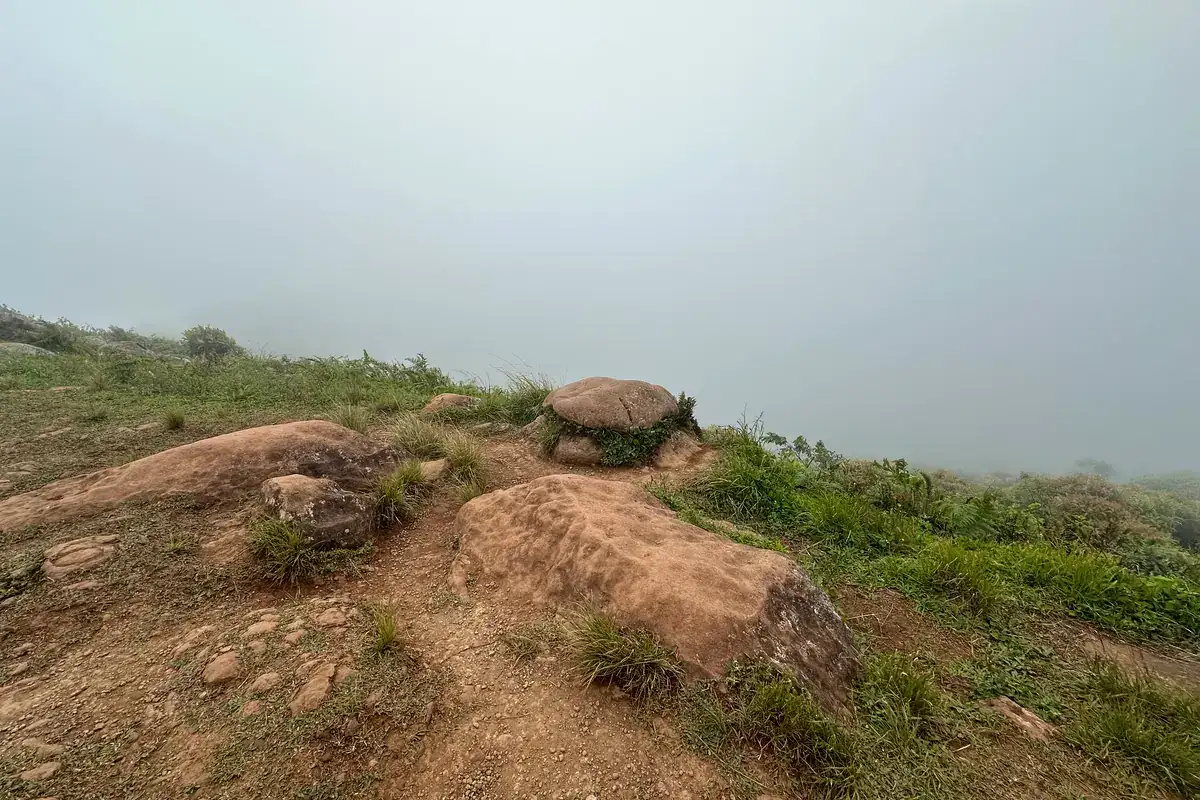
Further on, the Galapaguera of Cerro Colorado protects the giant tortoise that lives only on San Cristóbal. The road ends at Puerto Chino, a white sand beach on the far side of the island, where there is time for a swim before the drive back.
Choosing between the two islands
Santa Cruz is more central: the yacht day trips leave from there, and it has the most hotels and restaurants. San Cristóbal is quieter, has its own airport in town and has Kicker Rock. With ten days, you do not have to choose. Our 10 day Galapagos tour starts with three nights on San Cristóbal and then moves on to Santa Cruz and Isabela. Our Santa Cruz Island guide covers the other side.
Three nights on San Cristóbal, Santa Cruz and Isabela
10 Day Galapagos Tour
Three Islands by Land and a Yacht Day
- 10 days
- Medium effort
From $2,598 per person
How many days on San Cristóbal
Three nights is the right amount. The first afternoon goes to the Interpretation Center and Cerro Tijeretas, the second day to Kicker Rock and the third to the highlands and Puerto Chino. Before you pack, our Galápagos packing list covers wetsuits, shoes for the lava and the cash you need on arrival.
San Cristóbal: questions we get
Is San Cristóbal worth visiting?
Yes, especially on a longer trip. It has Kicker Rock, sea lions on the town beach, a freshwater crater lake in the highlands and a giant tortoise found only on this island. Its airport sits at the edge of town, so it is an easy place to start or end a trip.
How do you get to Kicker Rock?
By boat from Puerto Baquerizo Moreno, about 45 minutes to an hour each way. The tour includes snorkeling in the channel between the two rocks, lunch on board and a stop at a beach on the way back.
Do you need to be a strong swimmer to snorkel at Kicker Rock?
The water there is deep, so you should be comfortable swimming. The crew lends you a vest if you want one, and you can stay close to the boat.
Where is the San Cristóbal airport?
At the edge of Puerto Baquerizo Moreno, a few minutes from the hotels. Flights arrive from Quito and Guayaquil.
How many days do you need on San Cristóbal?
Three nights let you do Cerro Tijeretas, a full day at Kicker Rock and a day in the highlands. Our 10 day tour spends three nights here before moving on to Santa Cruz and Isabela.
Keep reading
 Santa Cruz Island Galapagos: Puerto Ayora, Tortuga Bay and the HighlandsSanta Cruz Island, Galapagos: Puerto Ayora, Tortuga Bay, Las Grietas, the giant tortoises of the highlands and the yacht day trips.
 Galapagos Honeymoon: Islands, Best Months and Costs for TwoGalapagos honeymoon by land: which islands suit a couple, the months with the warmest water, and what two people pay with flights and park fees.
 Galapagos Packing List for a Land-Based TripGalapagos packing list for a land-based trip: clothes for both seasons, shoes, snorkel gear, cash for the park fee and what inspection stops.