
Galapagos Packing List for a Land-Based Trip
Galapagos packing list for a land-based trip: clothes for both seasons, shoes, snorkel gear, cash for the park fee and what inspection stops.

the Quito Trips team, local guides in QuitoUpdated · 5 min read
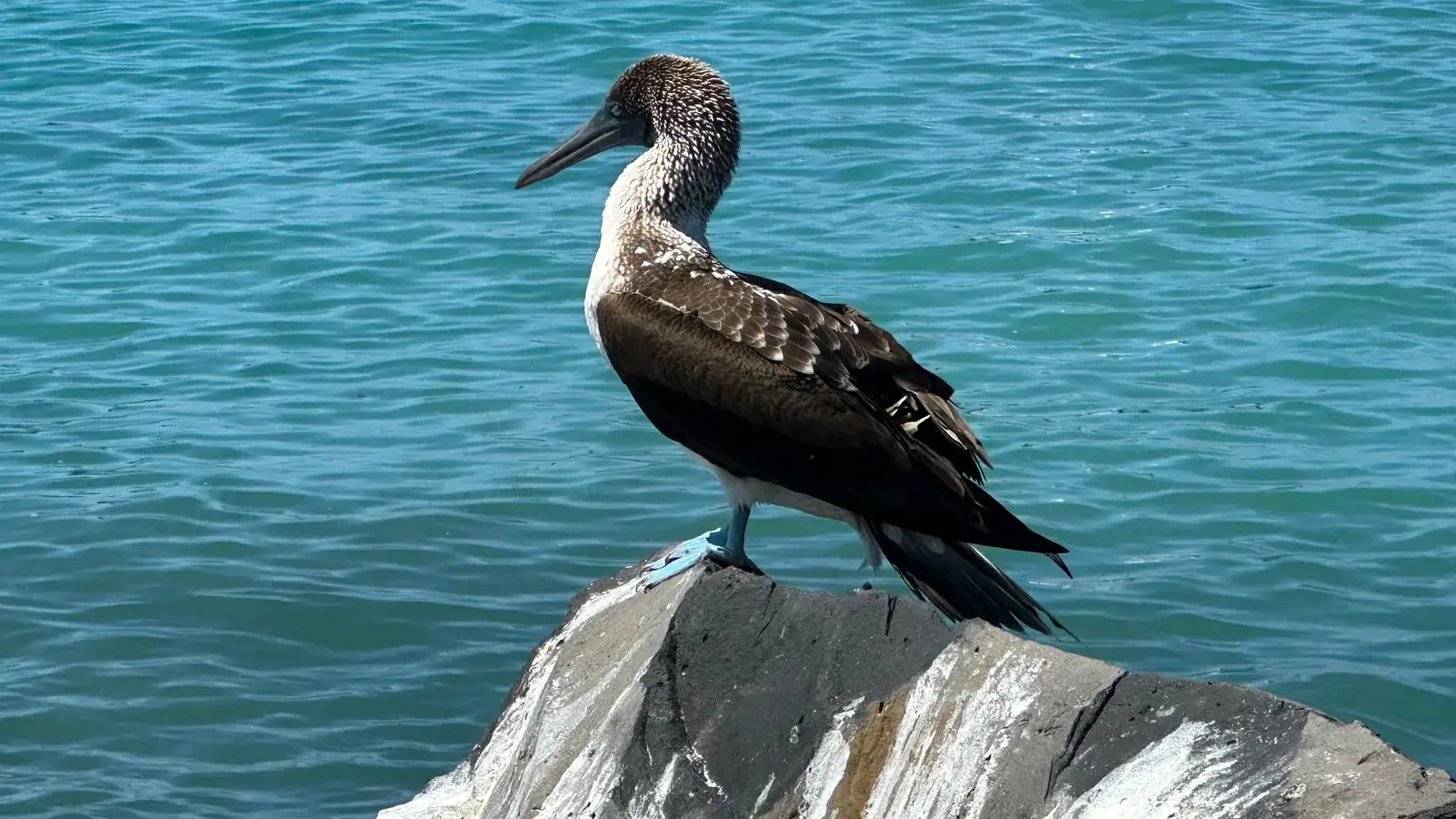
This Galapagos packing list is for a land-based trip, where you sleep in hotels on the islands and go out each day on foot or by boat. You need less than most lists suggest. The airlines are strict on the island flights and your bag rides with you on every speedboat, so pack light and pack for water, sun and a little cold.
Bag limits on the Galápagos flights
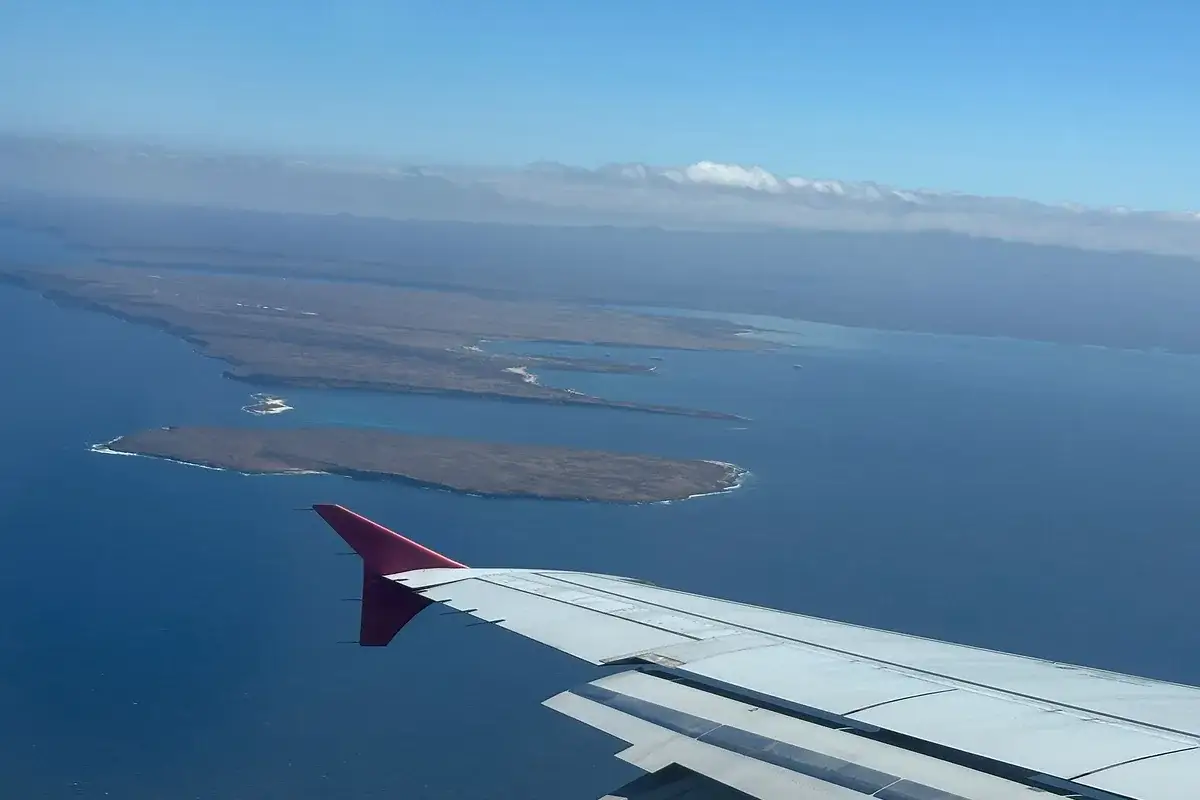
The allowance depends on your fare. Many tickets include one checked bag of up to 23 kg and a carry-on of about 8 kg, and the planes have little room overhead. Wear your heaviest shoes and jacket on flight day. Our guide on how to get to the Galápagos explains the flights and the airport steps.
Clothes for both seasons
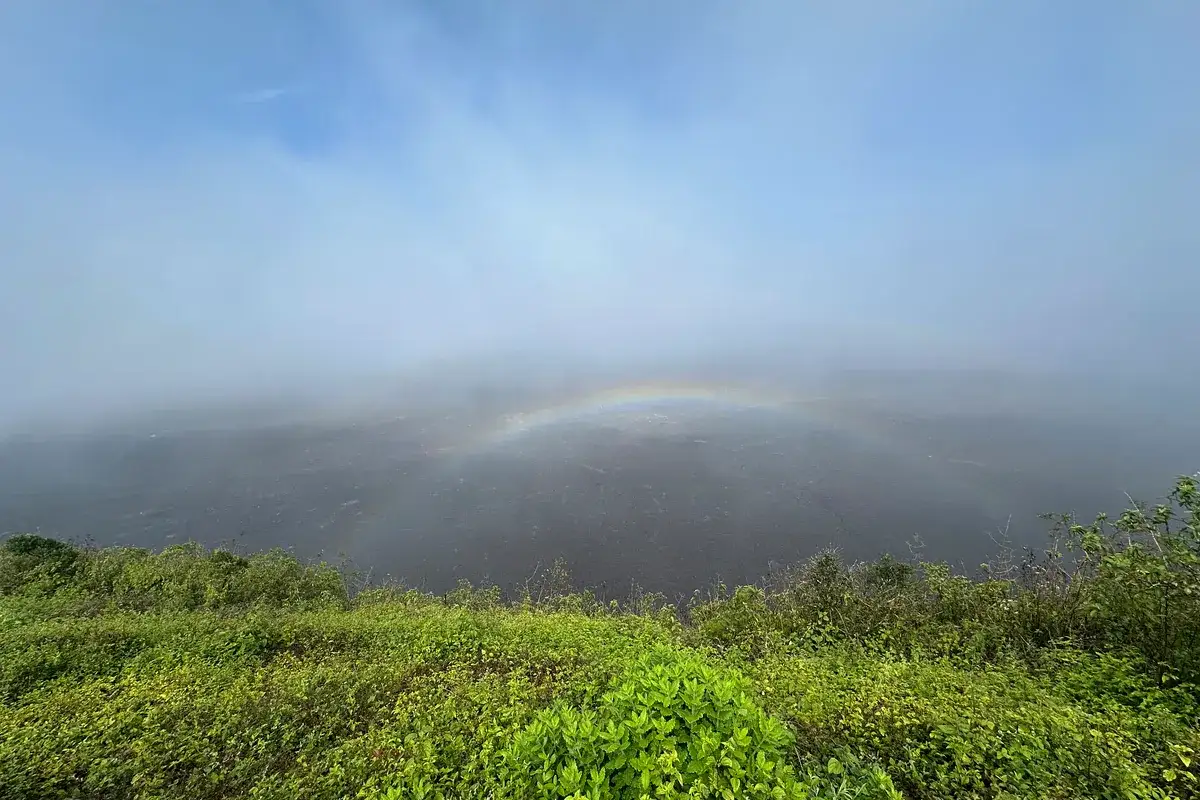
From December to May the air is 26 to 30°C and humid, with short showers in the afternoon. Light shirts, shorts and a thin rain jacket are enough. From June to November it is 19 to 24°C with grey skies and a fine mist called garúa, so add a fleece or a light jacket for the evenings and for the highlands of Santa Cruz and Isabela, which are cooler than the coast.
Pack two swimsuits, because one is always wet. A light long-sleeved shirt protects you from the sun better than any sunscreen. Bring a hat with a strap too; the wind on the speedboats takes loose hats into the sea. Quick-dry fabric helps, since towels and clothes dry slowly near the water.
Shoes you need
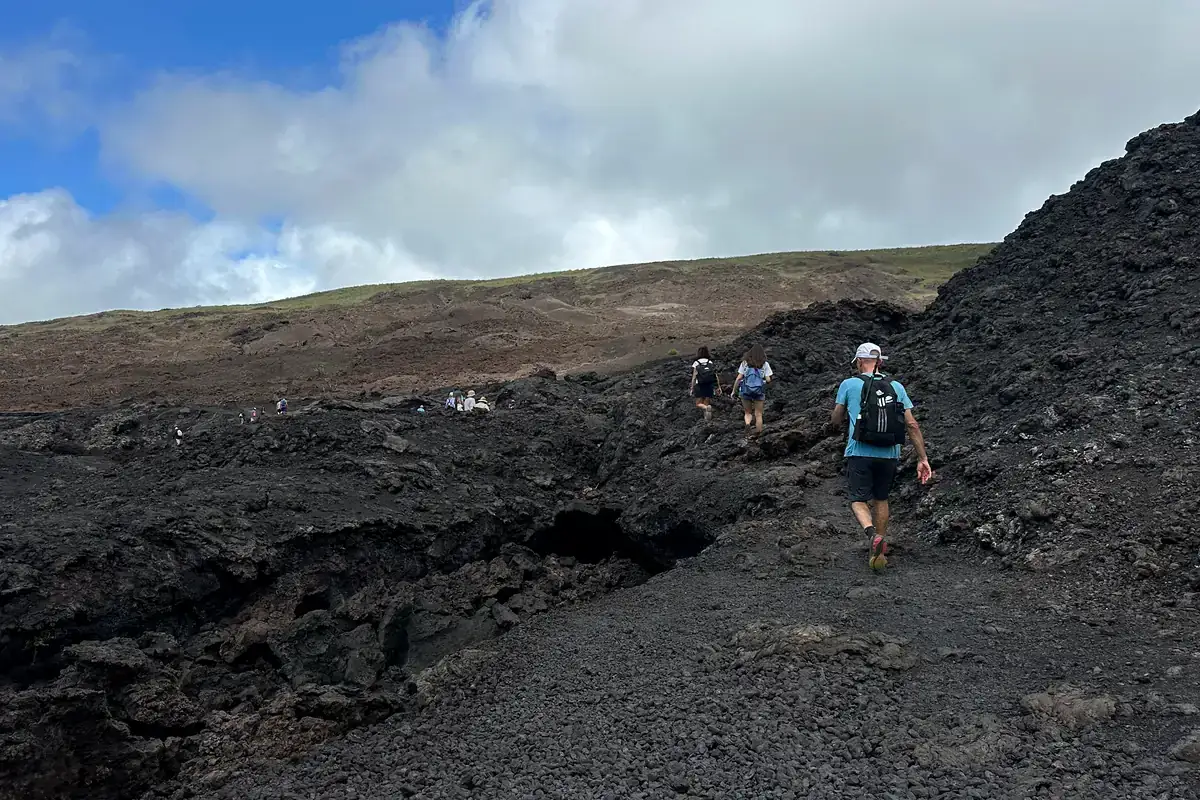
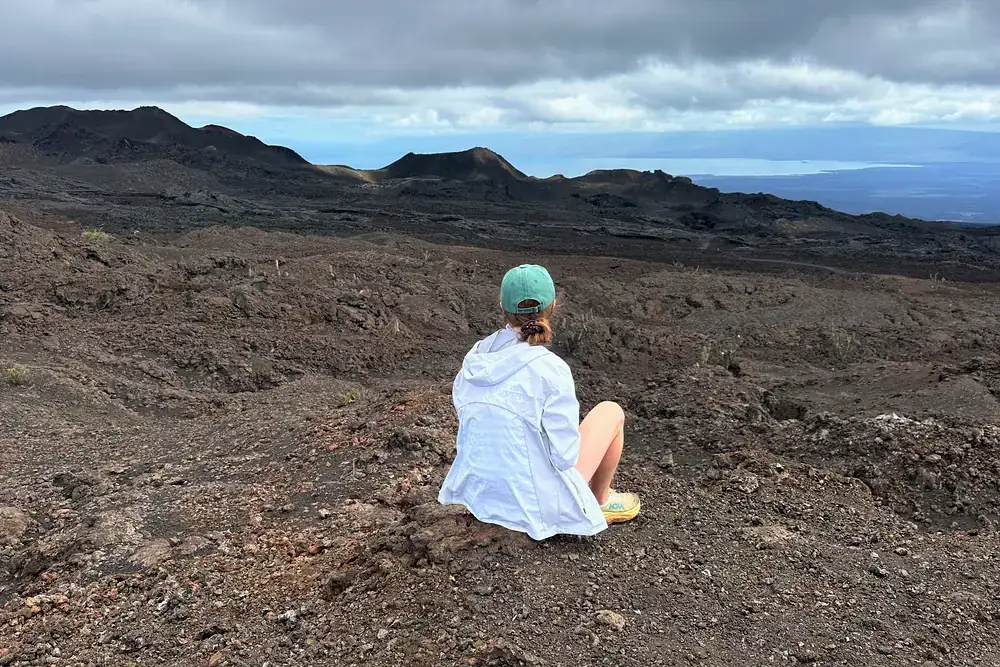
Three pairs cover everything. Closed walking shoes with a good grip are for Sierra Negra, a full-day hike over lava on Isabela, and for the lava paths at Las Tintoreras and the trails in the highlands. Sandals with a heel strap are for the boats, the docks and the walk on wet rocks. Flip-flops are for town and the hotel.
Snorkel gear
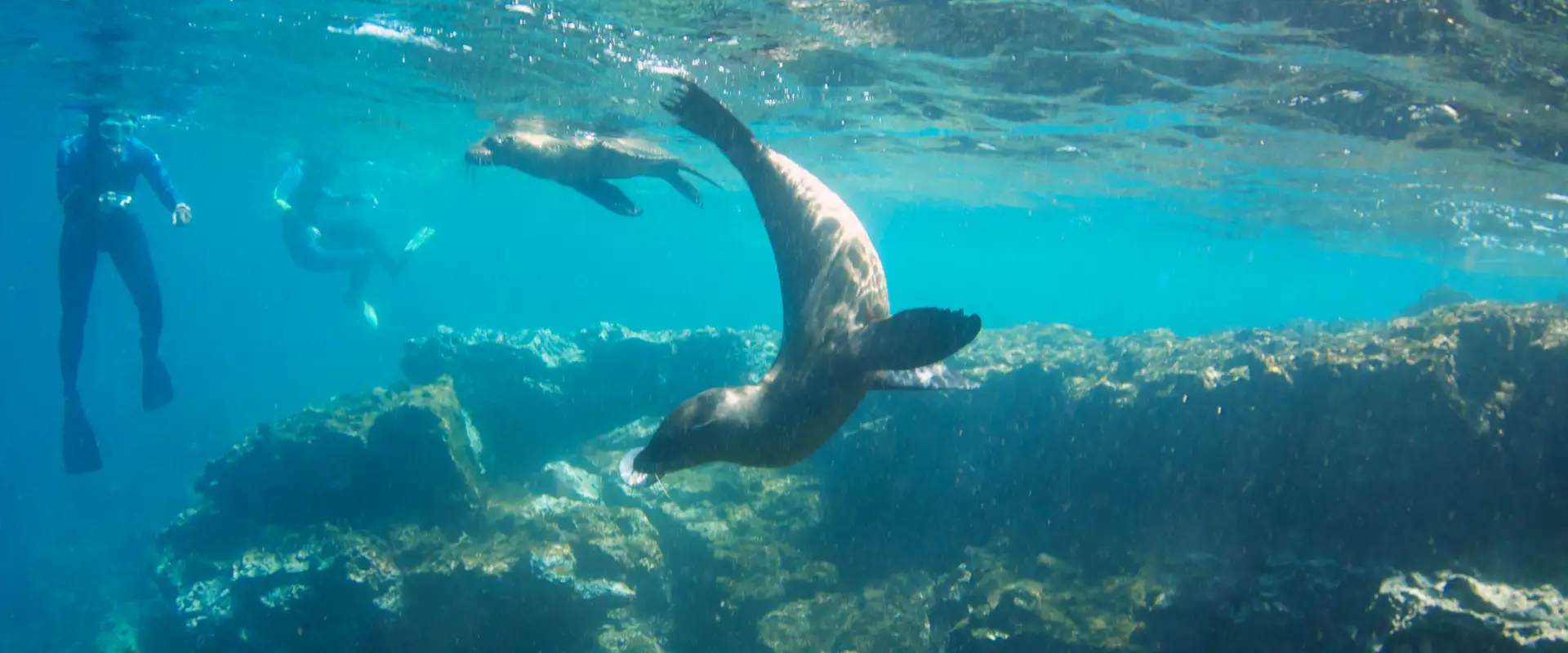
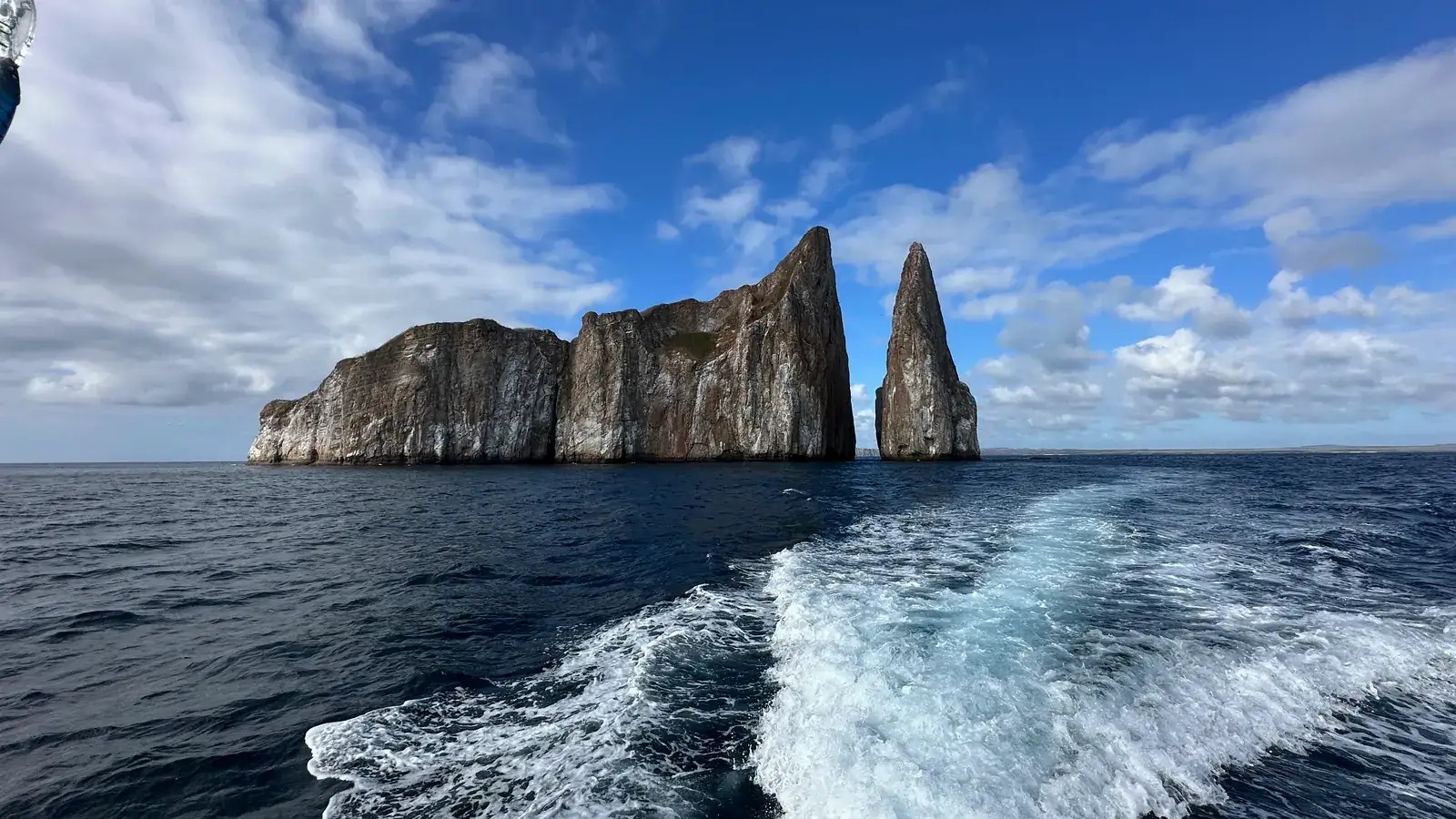
A rash guard is useful all year. From June to November the water drops to 19 to 22°C, and a shorty or a 3 to 5 mm wetsuit makes the difference between twenty minutes and an hour in the water. On most of our tours the wetsuit rental is extra, so ask us about it when you book. If you own a mask that fits you well, bring it: a mask that leaks spoils the best snorkel of the trip, at Los Túneles or at Kicker Rock.
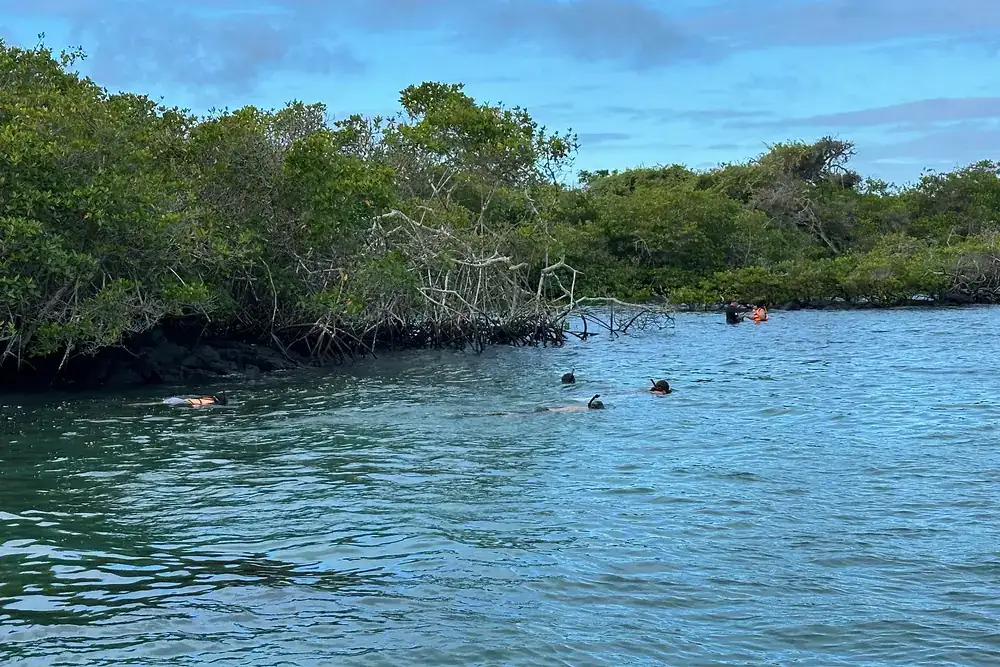
A small dry bag keeps your phone and a towel dry on the boat days, and a waterproof phone case lets you take pictures of sea turtles without risking the phone. Our Galápagos snorkeling guide covers each site and what you see there.
Sun protection
The islands sit on the equator, and the sun burns even on grey days in August. Bring sunglasses, a hat, reef-safe sunscreen and lip balm with sun protection. Put sunscreen on the back of your knees and your neck before snorkeling, the two places people forget while they float face down.
Money, documents and health
Carry at least $220 in cash per adult for the fees. The park fee is $200 per foreign adult, paid when you land at Baltra or San Cristóbal, and the Transit Control Card costs $20 at the airport in Quito or Guayaquil, before check-in. Puerto Ayora has cash machines, but on Isabela they often run out, so take small bills from Santa Cruz.
You need your passport for every flight and to buy the Transit Control Card. Pack your usual medicines, and seasickness tablets if boats bother you: the speedboat between Santa Cruz and Isabela takes about two hours and the sea can be rough. Travel insurance is worth having on any trip this far from home. Our Galápagos trip cost guide lists every fee.
What not to bring
Fresh fruit, plants, seeds, soil and live animals are not allowed into the islands. Your bags go through an inspection in Quito or Guayaquil and again when you land. On the way out, the rule is the same in reverse: sand, shells, lava rocks and anything else you pick up stays in the Galápagos.
Single-use plastics are banned in the Galápagos, so bring a reusable water bottle.
Formal clothes and a big hard suitcase stay at home too. Nobody dresses up for dinner, and a large case is awkward on the speedboats and the water taxis.
If your trip also covers the Andes or the Amazon
If your trip starts on the mainland, the same bag has to work in three climates. Quito sits at 2,850 m and averages about 19°C during the day, with cold mornings and nights. Cotopaxi reaches close to 4,800 m at the point you visit, so a warm jacket, a hat and light gloves are worth their space.
For the Amazon, bring long sleeves and long pants in quick-dry fabric, a rain jacket, a headlamp and insect repellent. Lodges often lend rubber boots, so check before you carry your own. Our 12 day Ecuador and Galapagos tour crosses all three, from Cotopaxi to the jungle and then the islands.
A week on Santa Cruz and Isabela, with a yacht day
7 Day Galapagos Tour from Quito
Santa Cruz, Isabela and a Yacht Day
- 7 days
- Medium effort
From $1,279 per person
The checklist
| Item | Why you need it |
|---|---|
| Two swimsuits and a rash guard | Snorkeling most days; one dries while you wear the other |
| Wetsuit (June to November) | Water at 19 to 22°C; rental is usually extra |
| Light long-sleeved shirt | Sun on the equator, even on cloudy days |
| Fleece or light jacket | Highlands and evenings in the cool season |
| Thin rain jacket | Afternoon showers and the garúa mist |
| Walking shoes with grip | Lava trails and the Sierra Negra hike |
| Sandals with a heel strap | Boats, docks and wet rocks |
| Hat with a strap, sunglasses | Wind on the speedboats |
| Reef-safe sunscreen | You will use more than you think |
| Small dry bag and phone case | Boat days and pictures in the water |
| Cash in small bills | $220 per adult in fees, and Isabela's cash machines |
| Seasickness tablets | The two-hour speedboat to Isabela |
| Reusable water bottle | Single-use plastics are banned on the islands |
Three islands by land, with Kicker Rock
10 Day Galapagos Tour
Three Islands by Land and a Yacht Day
- 10 days
- Medium effort
From $2,598 per person
Galápagos packing: questions we get
What should I wear in the Galápagos?
Light, quick-drying clothes, a long-sleeved shirt against the sun, a hat with a strap for the boats, and a fleece or light jacket for the highlands and the evenings from June to November. Nobody dresses up for dinner, even in the nicer hotels.
Do I need a wetsuit in the Galápagos?
From June to November, yes, if you plan to snorkel. The water drops to 19 to 22°C and you get cold after twenty minutes. From December to May the water is around 24 to 26°C; many people snorkel in a rash guard, and a shorty helps if you get cold easily. On most of our tours the wetsuit rental is extra.
Can I take food to the Galápagos?
Fresh fruit, plants, seeds and soil are not allowed, and your bags are inspected in Quito or Guayaquil and again when you land. Sealed, packaged snacks are generally fine. When in doubt, eat it before the flight.
How much cash should I bring to the Galápagos?
At least $220 per adult for the fees: $200 for the park, paid in cash when you land, and $20 for the Transit Control Card at the mainland airport. Bring extra in small bills for Isabela, where the cash machines are not reliable.
What kind of bag is best for the Galápagos?
A soft bag or a medium suitcase within the airline limits, which are often 23 kg checked and about 8 kg in the cabin, plus a small daypack for the excursions. Your bags travel with you on the speedboats between islands, so less is easier.
Still choosing your dates? Our best time to visit Galapagos guide goes month by month, and our Galápagos honeymoon guide prices the trips for a couple.
Keep reading
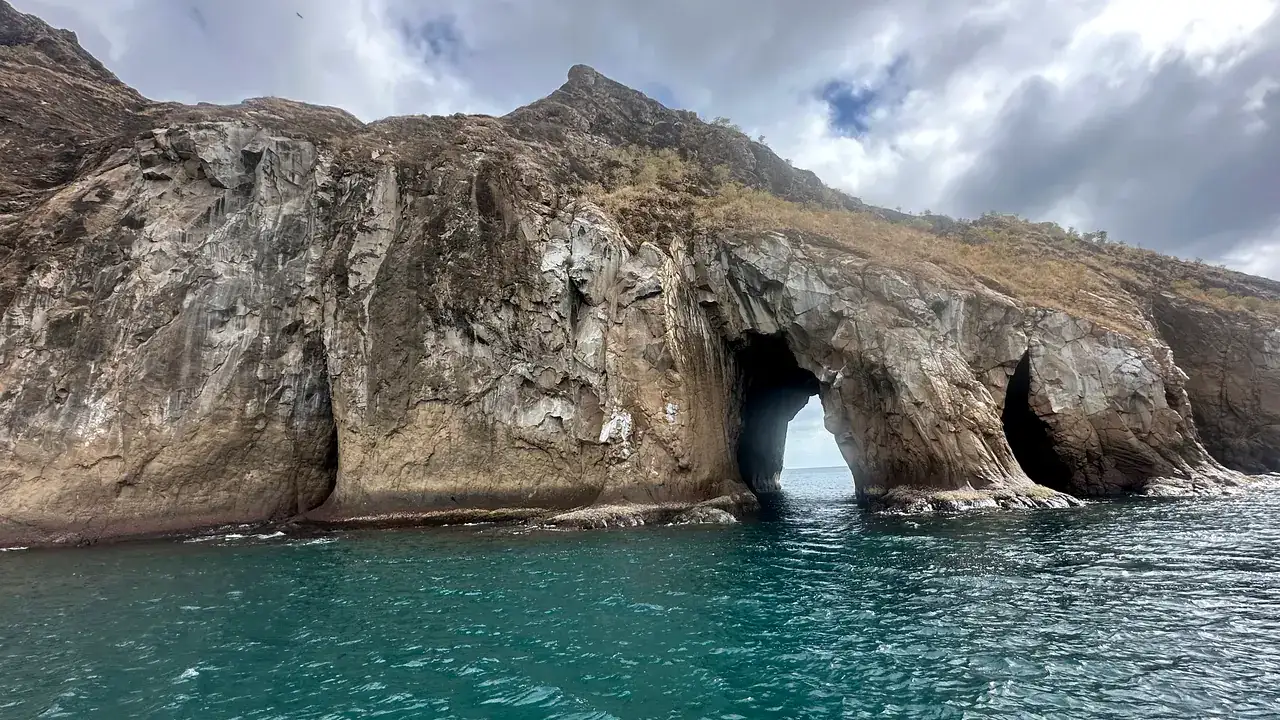 San Cristobal Galapagos: Kicker Rock, Beaches and Puerto Baquerizo MorenoSan Cristobal, Galapagos: sea lions in town, Kicker Rock for snorkeling, the El Junco crater lake and the giant tortoise center.
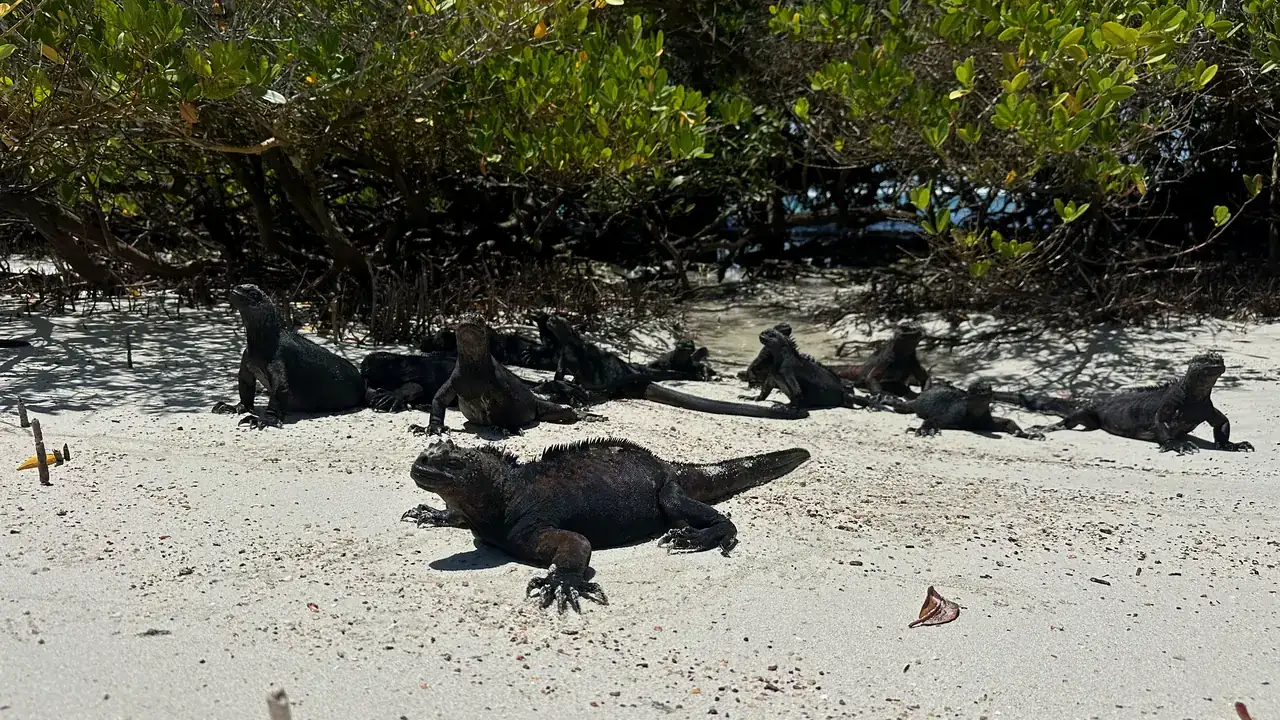 Santa Cruz Island Galapagos: Puerto Ayora, Tortuga Bay and the HighlandsSanta Cruz Island, Galapagos: Puerto Ayora, Tortuga Bay, Las Grietas, the giant tortoises of the highlands and the yacht day trips.
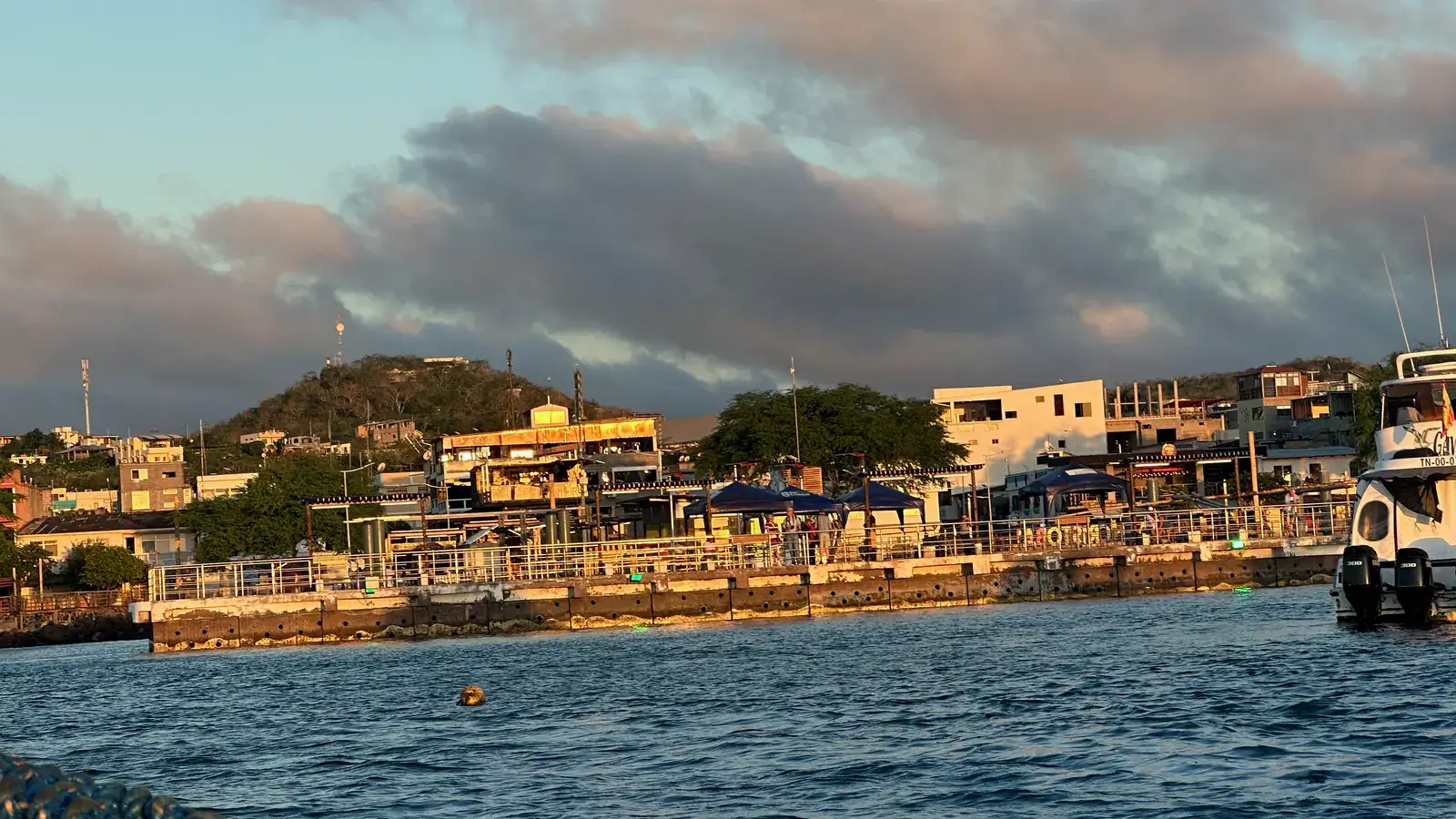 Galapagos Honeymoon: Islands, Best Months and Costs for TwoGalapagos honeymoon by land: which islands suit a couple, the months with the warmest water, and what two people pay with flights and park fees.