
Santa Cruz Island Galapagos: Puerto Ayora, Tortuga Bay and the Highlands
Santa Cruz Island, Galapagos: Puerto Ayora, Tortuga Bay, Las Grietas, the giant tortoises of the highlands and the yacht day trips.

the Quito Trips team, local guides in QuitoUpdated · 3 min read
Santa Cruz Island, Galapagos, is where most land-based trips sleep. Puerto Ayora, the biggest town on the islands, has the hotels, the dock for the yacht day trips and the speedboats to Isabela and San Cristóbal. From there you walk to Tortuga Bay, swim in Las Grietas and drive up to the highlands, where giant tortoises graze in the fields. Here is how the island works and how many days to give it.
Getting to Santa Cruz
Flights from Quito and Guayaquil land at Baltra, a flat island just north of Santa Cruz. You pay the park fee at the airport, ride a short bus to the Itabaca Channel and cross on a small ferry. On the other side, the road climbs through the highlands and drops to Puerto Ayora in about 45 minutes.
From the other islands you arrive by speedboat. The crossing from Isabela or San Cristóbal takes about two hours, and the sea can be rough, so take a seasickness tablet before you board. Our guide on how to get to the Galápagos covers the flights and the fees.
Puerto Ayora
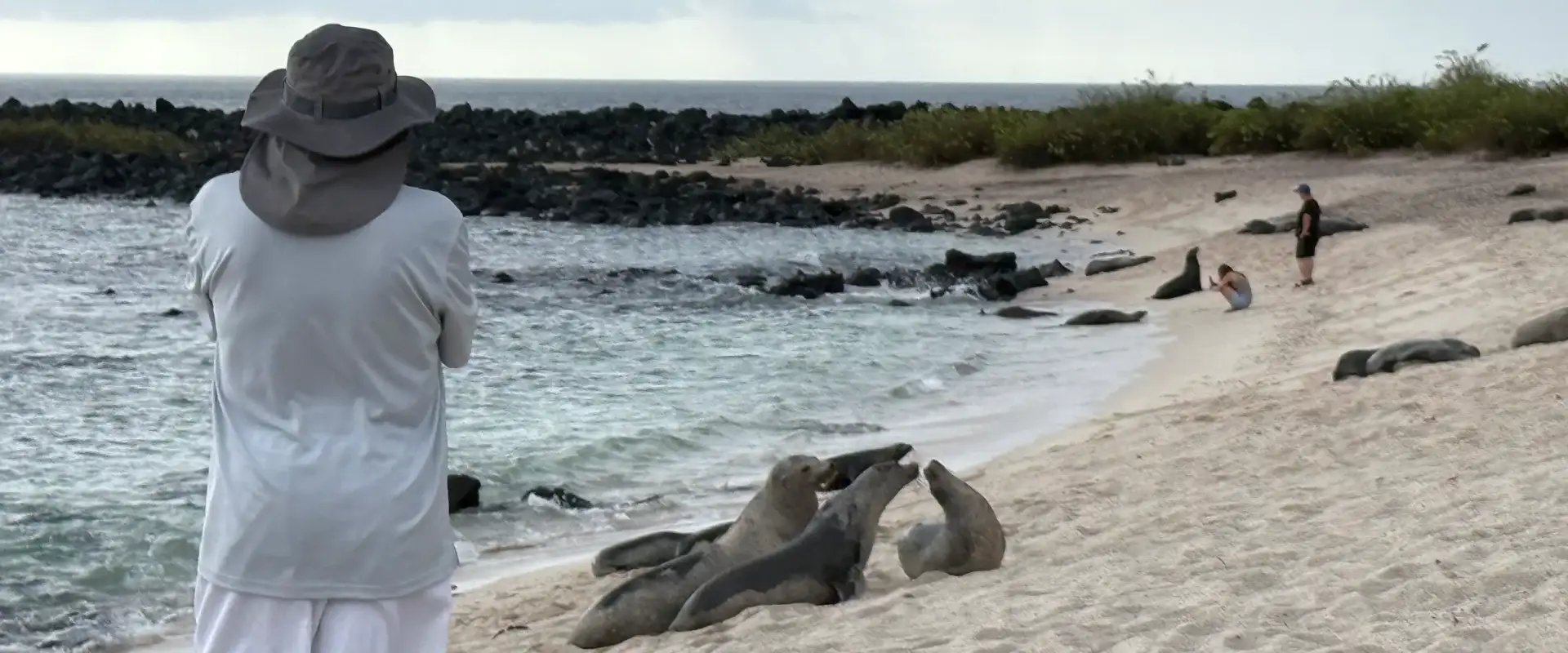
Puerto Ayora is a small town built around Academy Bay. The waterfront has the dock, the restaurants and the fish market, where sea lions and pelicans wait next to the counter for scraps. Water taxis cross the bay all day, and the town has cash machines, which Isabela often does not.
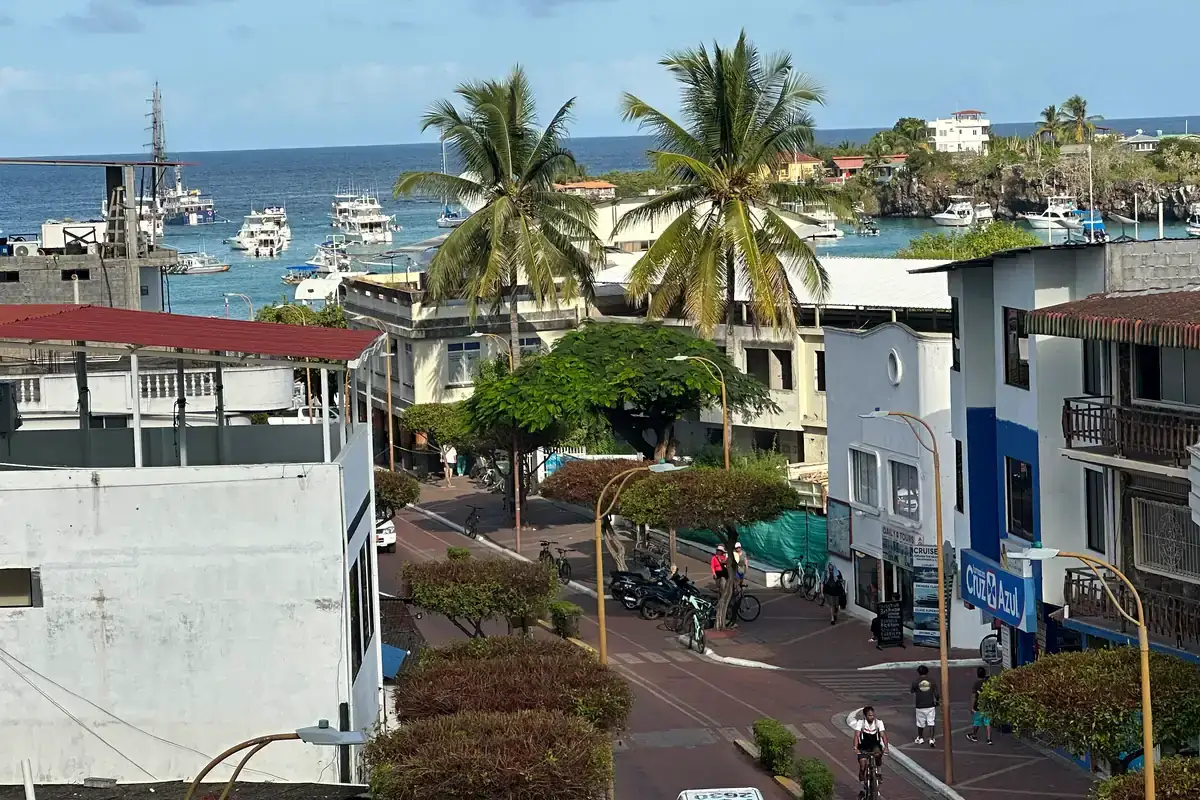
At the eastern edge of town is the Charles Darwin Research Station. Young giant tortoises grow there until they are big enough to go back to their home island, and the guide explains which island each group comes from.
Tortuga Bay
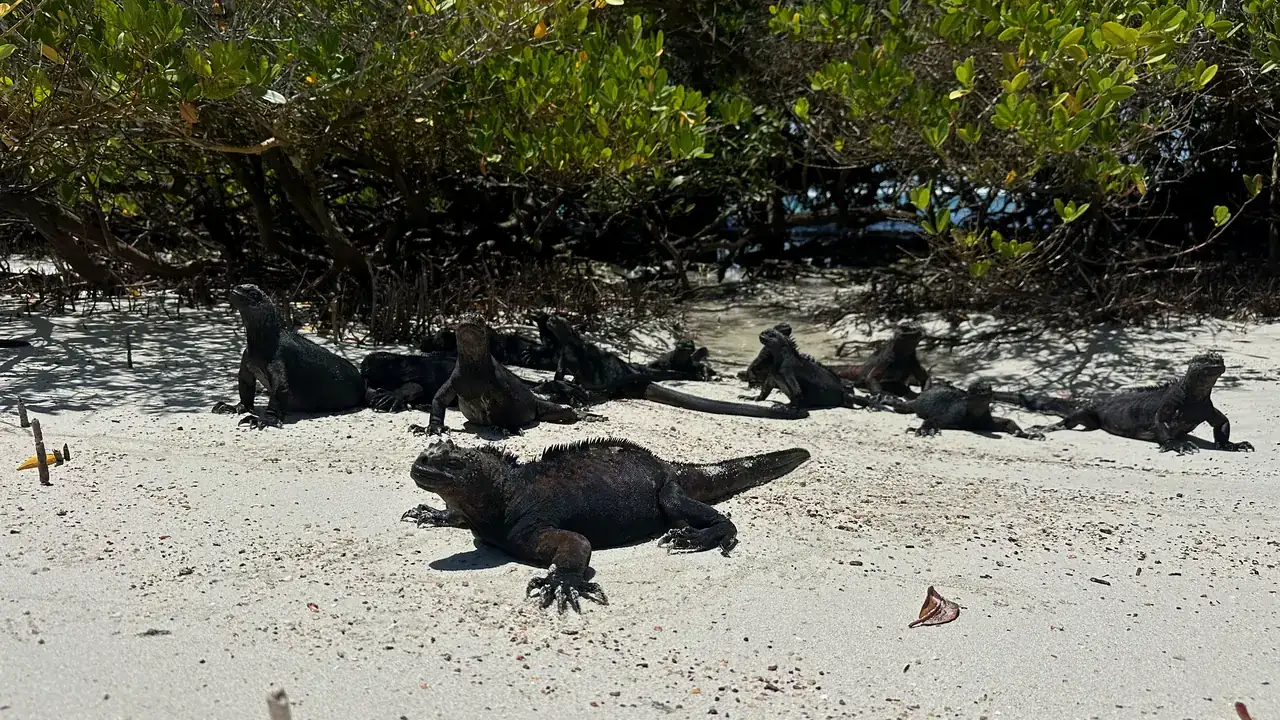
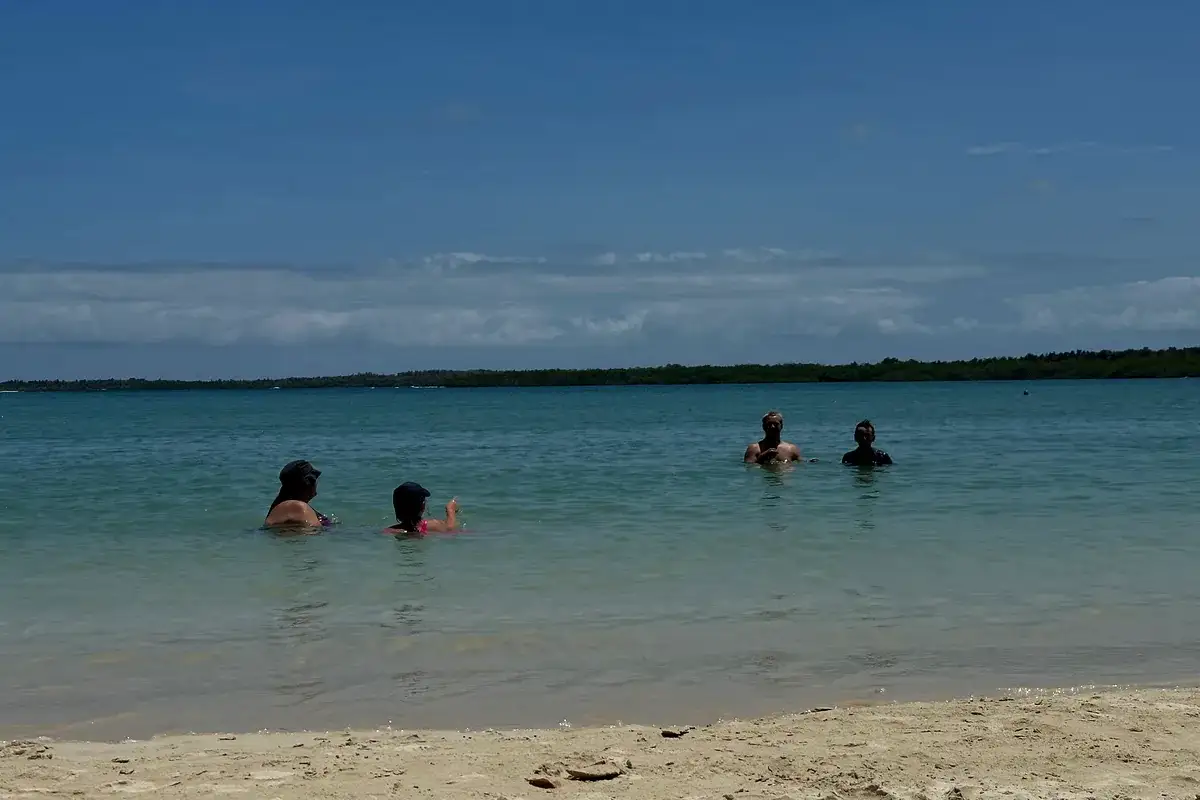
Tortuga Bay is at the end of a 2.5 km paved path from the top of town, about 40 minutes on foot. The first beach, Playa Brava, is long and white, with surf and strong currents, so it is for walking only. Keep going to the far end and you reach Playa Mansa, a calm cove lined with mangroves where marine iguanas lie on the sand and young reef sharks swim in the shallows.
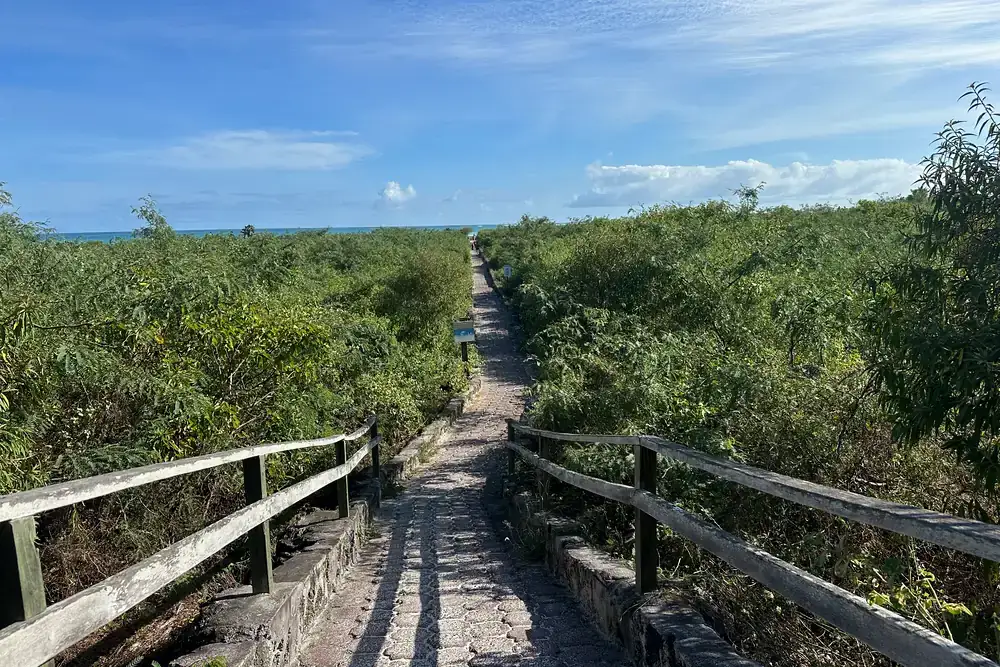
Go early, carry water and plan to swim only at Playa Mansa.
Las Grietas
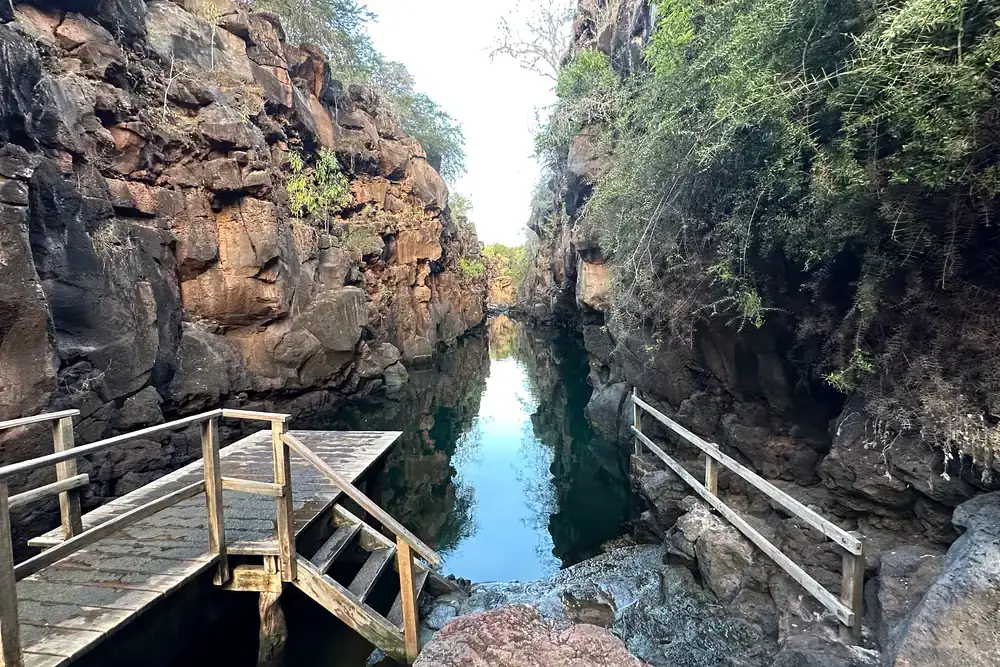
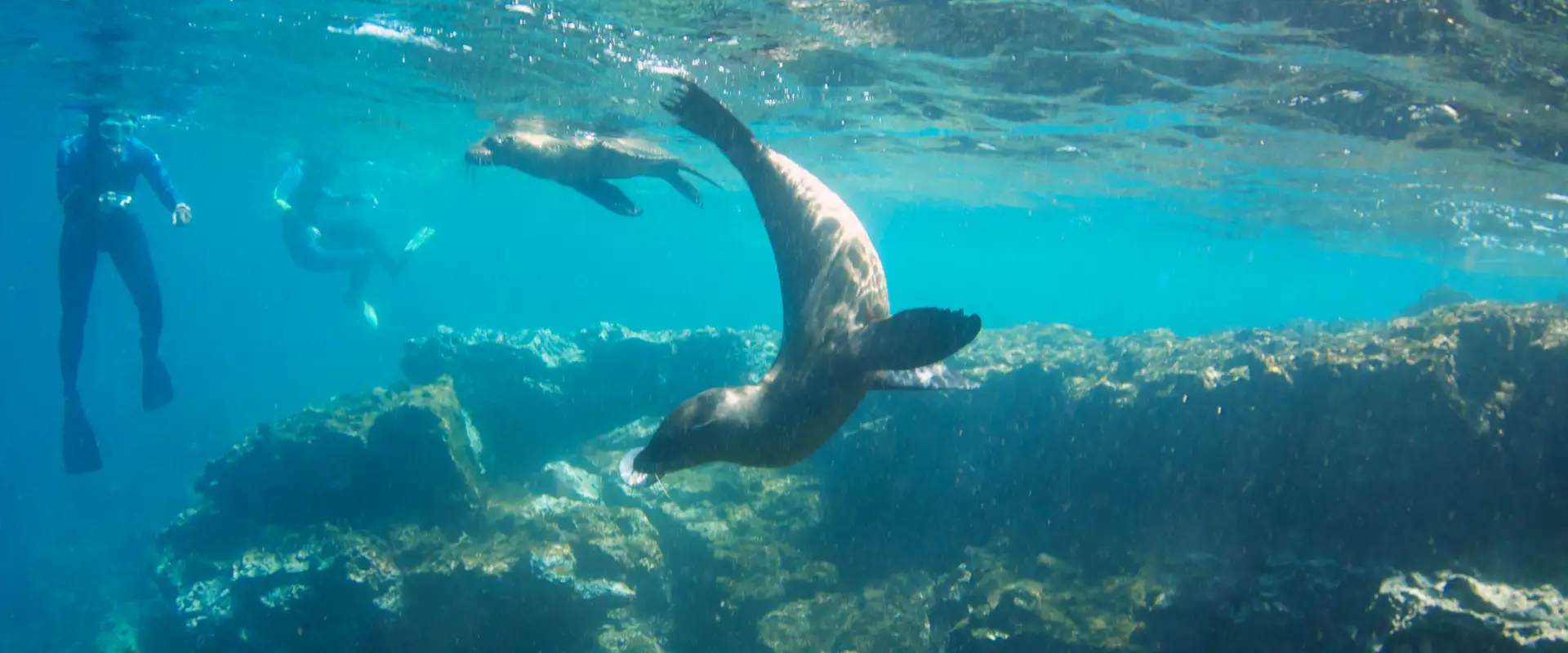
A water taxi crosses Academy Bay to a trail that ends at Las Grietas, a deep crack in the lava filled with clear, still water. Wooden steps take you down to the water. It is a good place for a first snorkel, and our 4 day Santa Cruz tour includes it on the bay tour, together with sea lions and snorkeling in the bay.
The highlands
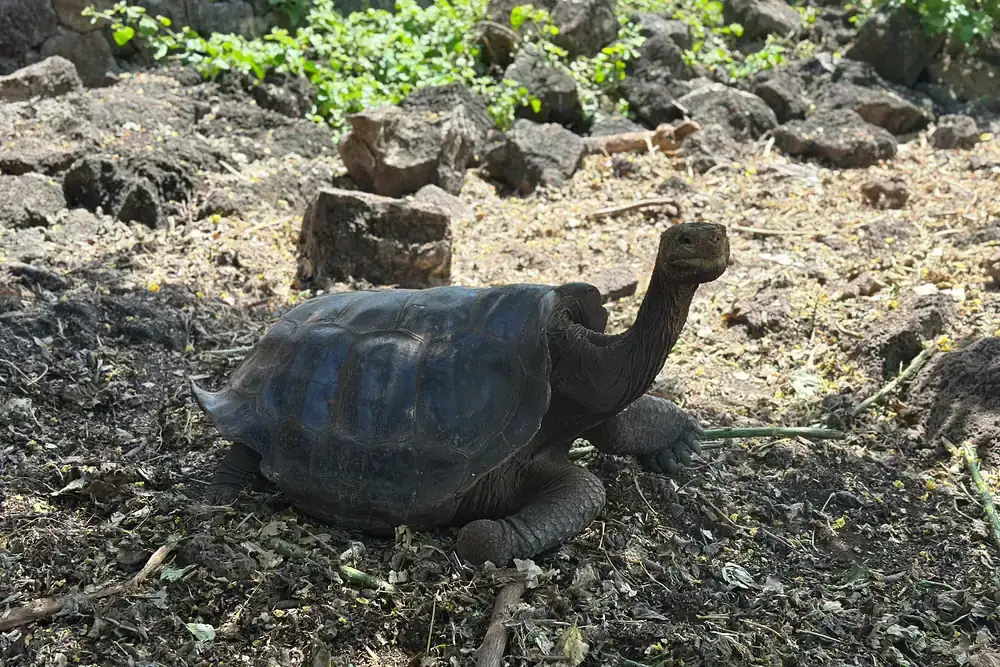
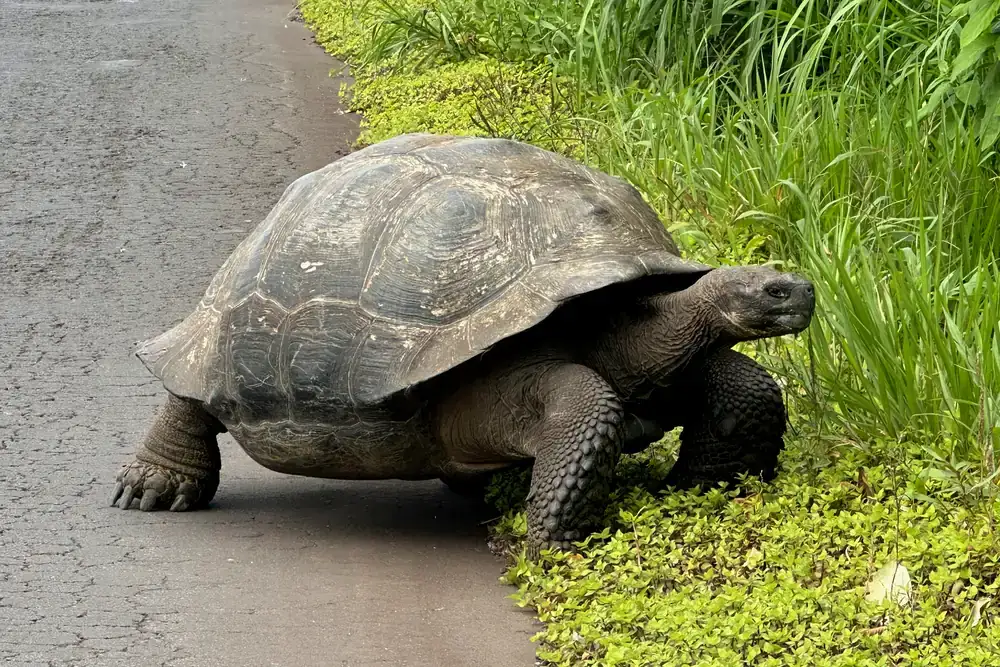
The road from Puerto Ayora climbs into the highlands, which are cooler and greener than the coast. On El Chato and the ranches around it, giant tortoises walk free among the pastures, and you can stand a few meters from them. Nearby you walk through a lava tunnel, made when the surface of a lava flow hardened while the molten rock inside kept moving.
On the east coast, El Garrapatero is a white sand beach with mangroves. On our 7 day tour you ride there by bike in the afternoon.
Yacht day trips from Santa Cruz
Santa Cruz is the base for the yacht day trips to uninhabited islands. The National Park assigns the island for each date: North Seymour, with blue-footed boobies and frigatebirds nesting by the trail; Bartolomé, with about 370 wooden steps up to the view over Pinnacle Rock; Santa Fe, with the land iguana found only there; or South Plaza, with land iguanas and a sea lion colony. Sailing takes one to two and a half hours each way, and there is usually a snorkel stop before the trip back.
How many days on Santa Cruz
Three or four nights is a good amount. Our 4 day tour stays at one hotel in Puerto Ayora, with no crossings between islands, which suits families, first-timers and travelers adding the islands to a mainland trip. The 7 day tour adds Isabela and a yacht day, and the 10 day tour covers San Cristóbal, Santa Cruz and Isabela with three nights on each.
One hotel, tortoises, Tortuga Bay and the bay tour
4 Day Galapagos Tour on Santa Cruz
Tortoises, Tortuga Bay and the Bay Tour
- 4 days
- Medium effort
From $569 per person
If you are still choosing islands, our Isabela Island guide and the Galápagos map show how the inhabited islands connect. For the rest of the trip, the Galápagos packing list covers what to bring for the beaches and the lava.
A week on Santa Cruz and Isabela, with a yacht day
7 Day Galapagos Tour from Quito
Santa Cruz, Isabela and a Yacht Day
- 7 days
- Medium effort
From $1,279 per person
Santa Cruz: questions we get
Is Santa Cruz the best island to stay on in the Galápagos?
For a first trip it usually is. It sits in the middle of the islands, the yacht day trips leave from Puerto Ayora, and the speedboats to Isabela and San Cristóbal start there too. Isabela is quieter and San Cristóbal has its own airport, so many trips combine two or three islands.
How do you get to Santa Cruz Island?
Fly from Quito or Guayaquil to Baltra, the small island just north of Santa Cruz. A short ferry crosses the Itabaca Channel, and the road to Puerto Ayora takes about 45 minutes. From San Cristóbal or Isabela you take a speedboat of about two hours.
What is there to do in Puerto Ayora?
Walk to Tortuga Bay, take a water taxi to Las Grietas, see young tortoises at the Charles Darwin Research Station and watch the sea lions and pelicans at the fish market on the waterfront. The highlands and the yacht day trips are a short drive or boat ride away.
How many days do you need on Santa Cruz?
Three or four nights cover Tortuga Bay, Las Grietas and the highlands, plus a yacht day if you add one. Our 4 day tour stays on Santa Cruz the whole time; the 7 day tour adds Isabela and a yacht day.
Can you visit Tortuga Bay without a tour?
Yes. The paved path starts at the top of Puerto Ayora and takes about 40 minutes on foot. Swim only at Playa Mansa, the calm cove at the far end, because the first beach has strong currents.
Keep reading
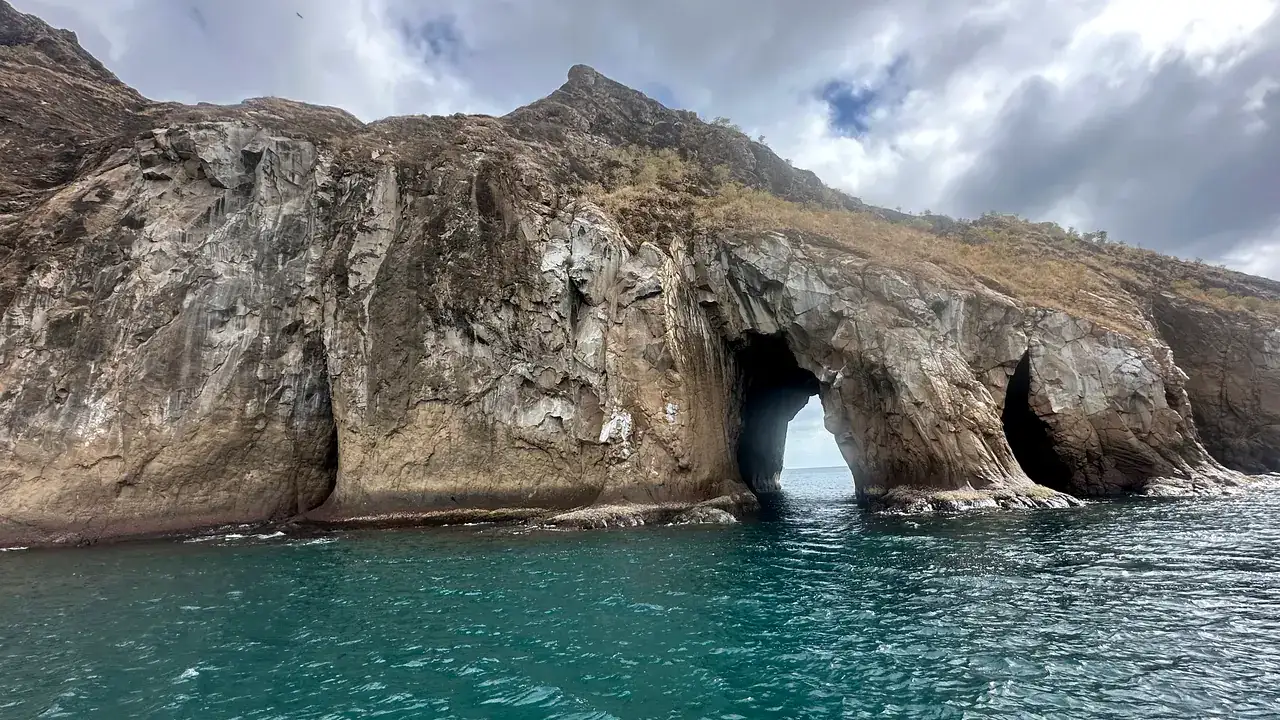 San Cristobal Galapagos: Kicker Rock, Beaches and Puerto Baquerizo MorenoSan Cristobal, Galapagos: sea lions in town, Kicker Rock for snorkeling, the El Junco crater lake and the giant tortoise center.
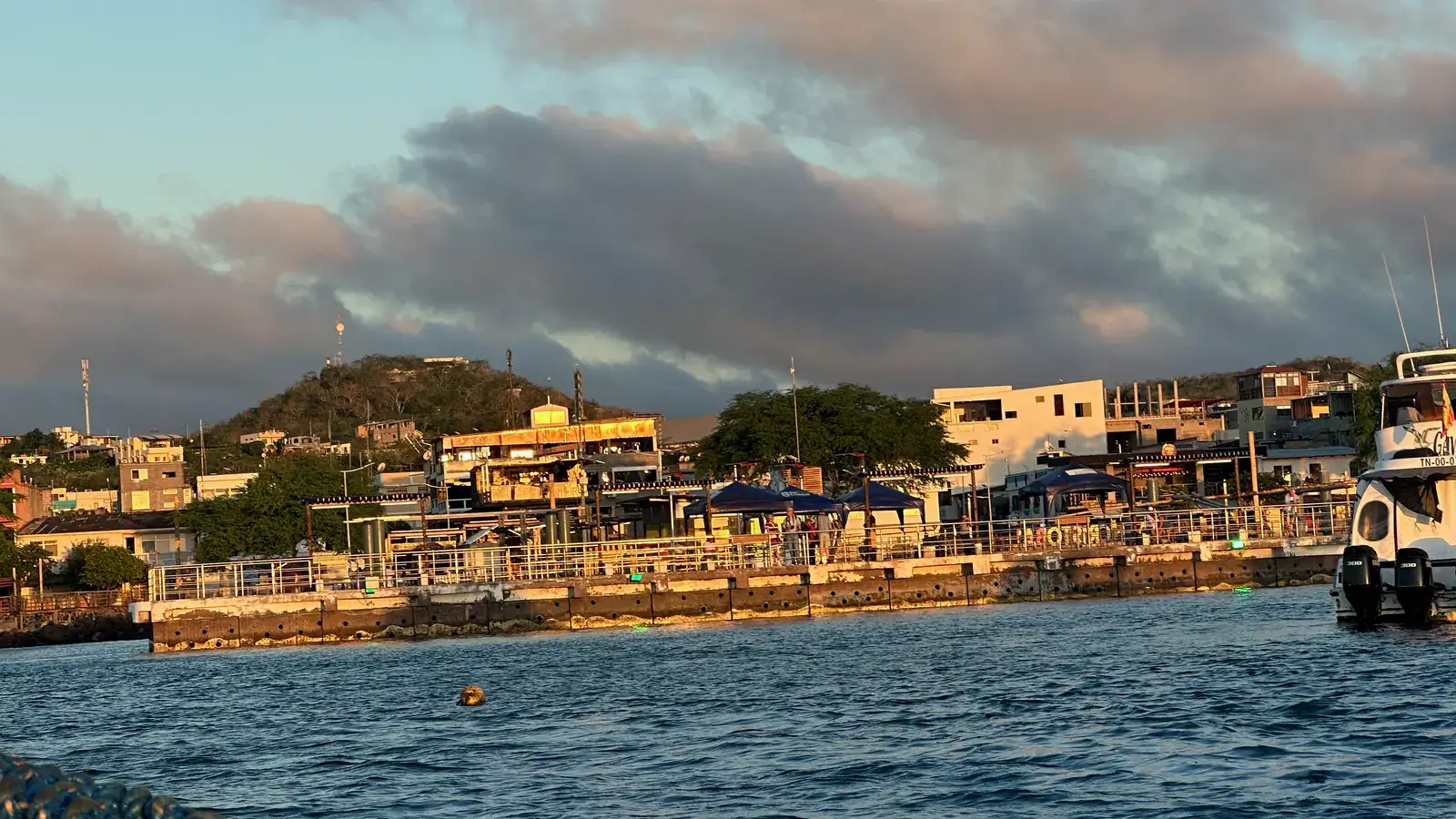 Galapagos Honeymoon: Islands, Best Months and Costs for TwoGalapagos honeymoon by land: which islands suit a couple, the months with the warmest water, and what two people pay with flights and park fees.
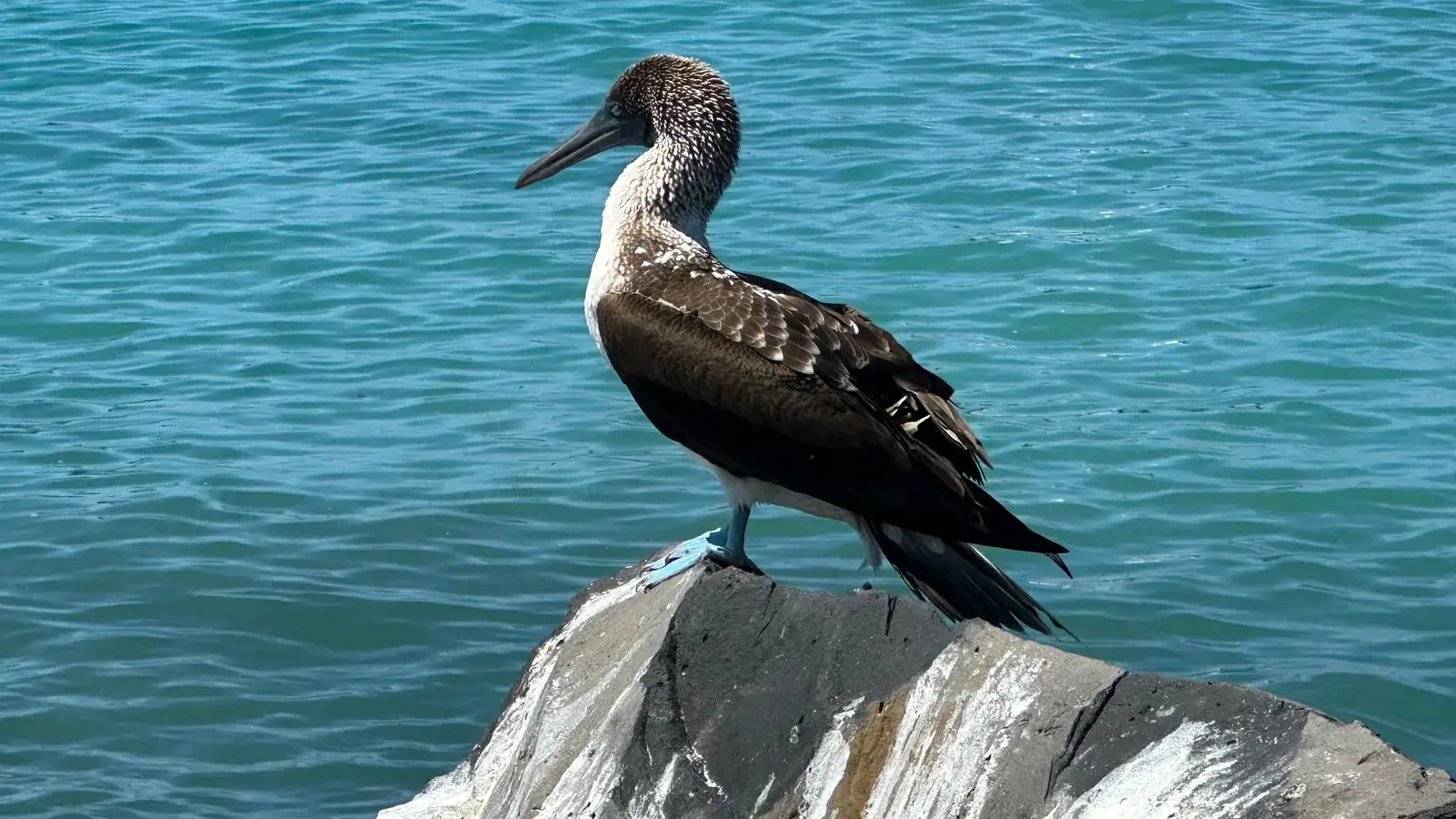 Galapagos Packing List for a Land-Based TripGalapagos packing list for a land-based trip: clothes for both seasons, shoes, snorkel gear, cash for the park fee and what inspection stops.