Things to Do in Guayaquil: What’s Actually Worth Your Time (2026)
Here is the deal: the best things to do in Guayaquil cluster along the river. Walk the Malecon 2000, climb the 444 steps of Cerro Santa Ana through Las Penas, and meet the free-roaming iguanas at Parque Seminario. Add the Aerovia cable car for skyline views and a plate of encebollado, and one full day covers the essentials. Stick to the riverfront core and this city is easy to enjoy.
Cuenca, the Volcanoes and the Galápagos: 14 Day Tour
Need to Know
- Time needed: one full day covers the riverfront core; add a second for Parque Historico and Isla Santay
- Cost: the Malecon, the iguana park, and Las Penas are free; La Perla runs about $3.50
- Getting around: Uber or Cabify, door to door (skip street taxis — details in the safety section)
- Season: June to November is drier and cooler; December to May is hot, humid, and rainy by afternoon
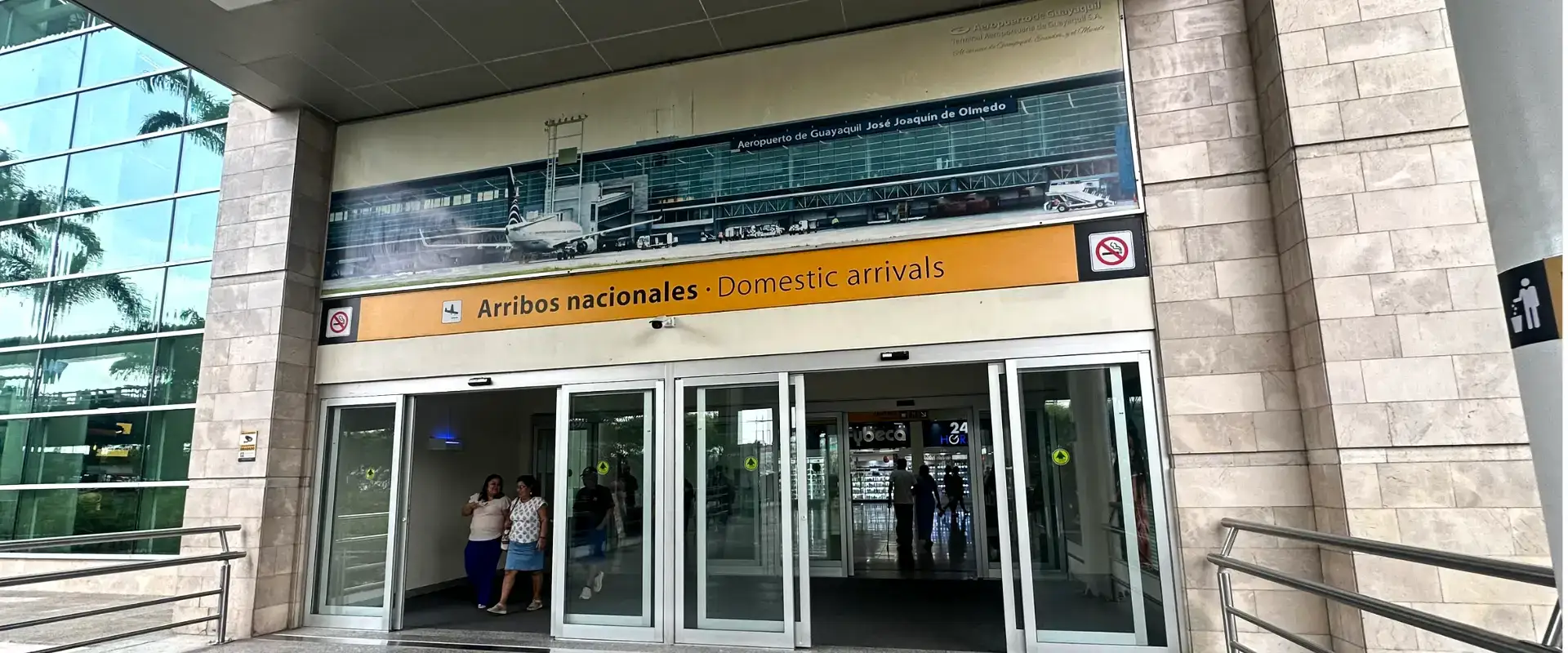
- Airport: Jose Joaquin de Olmedo (GYE), about 20 minutes from the riverfront
What Are the Best Attractions in Guayaquil Ecuador?
Almost every one of the things to see in Guayaquil sits within a short ride of the Guayas River, which is what makes this city easy to plan. You can string the Malecon 2000, Las Penas and Parque Seminario together on foot in one morning, then use ride apps for anything farther out. The Guayaquil attractions that need a half day of their own are the ones across the water, and they are worth the trip. If your dates are flexible, time your visit around Fiestas Julianas in late July or the October 9 independence celebrations, when the Malecón fills with free concerts and events.
Ranked by payoff per hour, here is how the top attractions in Guayaquil Ecuador stack up. Treat this as the shortlist: the classic Guayaquil tourist attractions are all here, minus the ones that eat an afternoon and give back very little.
- Malecon 2000 — the riverfront promenade that anchors everything
- Cerro Santa Ana and Las Penas — the postcard climb
- Parque Seminario — the famous iguana park
- Aerovia — cable-car views over the Guayas
- Parque Historico — wildlife plus 1900s Guayaquil
- Isla Santay — boardwalk escape from the city noise
Start at Malecon 2000
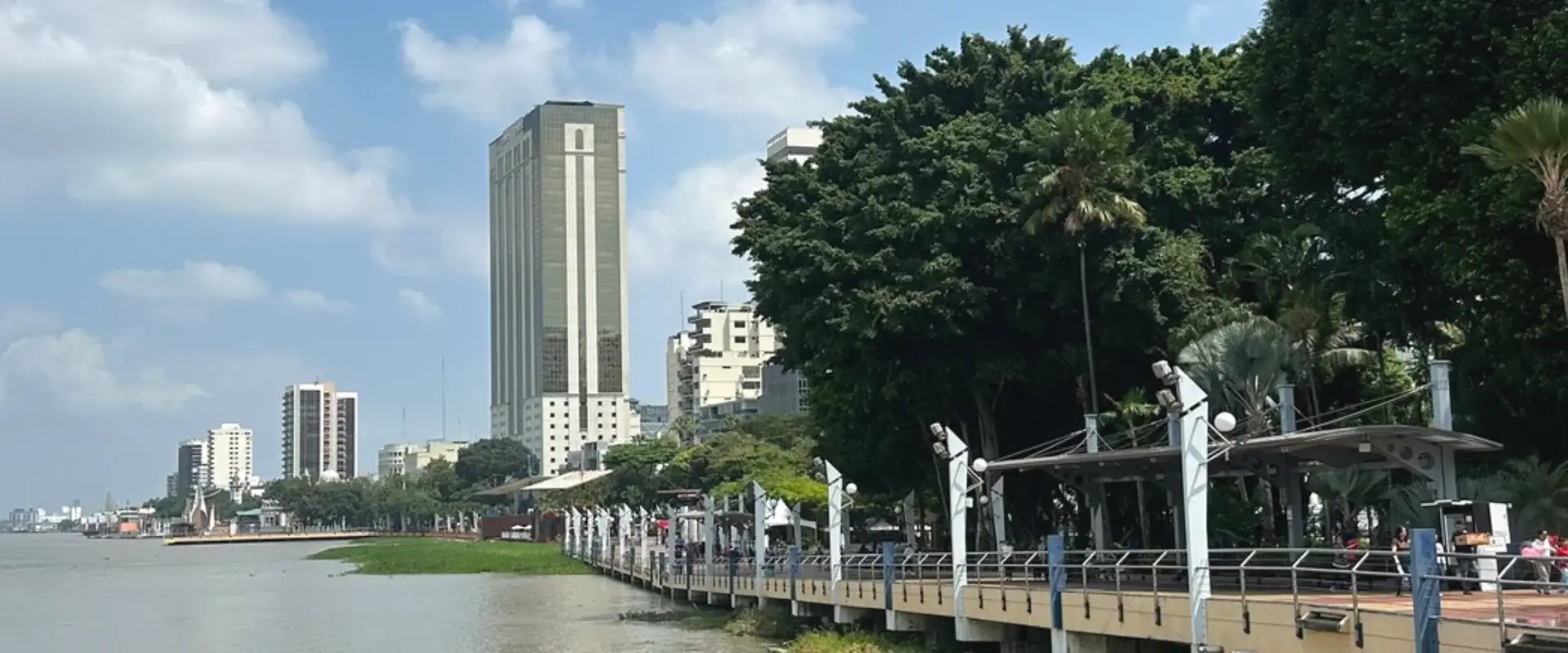
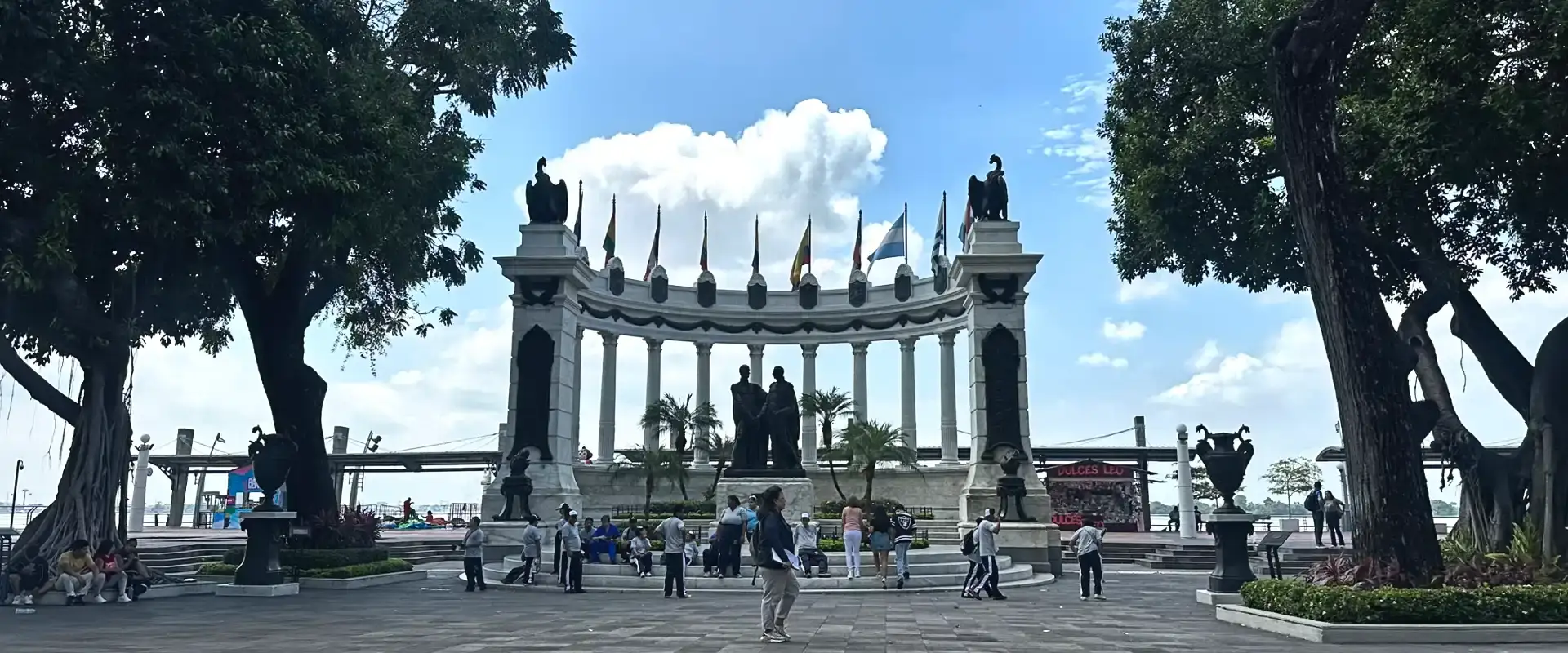
The Malecon is a 2.5 km riverside promenade with gardens, museums, playgrounds, and a steady security presence — which makes it the most relaxed stretch of Guayaquil for plain wandering. Work from the Mercado del Rio food hall at the north end down toward the La Perla Ferris wheel. Ride La Perla at dusk (about $3.50). The city lights up, the heat drops, and you get the view everyone posts. The full walking route, hours, and the dusk plan are in our Malecón 2000 guide.
Climb Cerro Santa Ana Through Las Penas
Las Penas is the oldest neighborhood in the city: wooden houses in loud colors, small art galleries, and one cobblestone street (Numa Pompilio Llona) that has survived everything since the 1700s. From there, 444 numbered steps climb Cerro Santa Ana to a chapel, a lighthouse, and a wide view over the Guayas River. Go before 10am or near sunset — midday heat here is no joke. Stay on the main stairway; the side alleys are not for exploring.
Meet the Iguanas at Parque Seminario
Right downtown, across from the Metropolitan Cathedral, Parque Seminario is home to dozens of land iguanas that lounge on the grass and drop out of trees like they own the place. They kind of do. It is free, it takes half an hour, and it is the one Guayaquil stop that works with kids, grandparents, and jet lag alike. Do not feed or touch them, and watch your phone in the crowd.
Ride the Aerovia Across the Guayas
The Aerovia is a commuter cable car that crosses the river from downtown to Duran. For visitors the point is the ride itself: about 15 minutes of skyline, river traffic, and rooftops for pocket change. Honest tip — ride over, stay inside the station, and ride straight back. Duran is on the do-not-travel lists and there is nothing touristy waiting on the far side anyway. Working out how many days you need? Send us your dates and we will come back with a plan.
Walk Through Parque Historico
Across the bridge in Samborondon, Parque Historico squeezes three parks into one: a wildlife zone with sloths, monkeys, and caimans in recovery, a strip of restored early-1900s buildings, and a slice of recreated hacienda life. Entry is free. Check the opening days before you go, and pair it with lunch in Samborondon — the area has some of the best restaurants around the city.
Escape to Isla Santay
Isla Santay is a protected wetland island in the river with a long boardwalk, a small eco-village, rental bikes, and more birdlife than you would expect ten minutes from downtown. It is flat, cheap, and quiet — the anti-Malecon. Take a ride app to the pedestrian bridge entrance, go early for the birds, and bring water because shade is limited.
Free Things to Do in Guayaquil Ecuador
Most of the classic things to do in Guayaquil cost nothing: the Malecon, the iguana park, the Las Penas climb, the Santay boardwalk, and Parque Historico are all free. Budget travelers can fill a full day with the free things to do in Guayaquil Ecuador above and spend money only on food and rides. Compared with Quito or Cuenca, this is the cheapest big-city day in the country. Browsing the Mercado Artesanal, the downtown artisan market, is free too — unless the panama hats win.
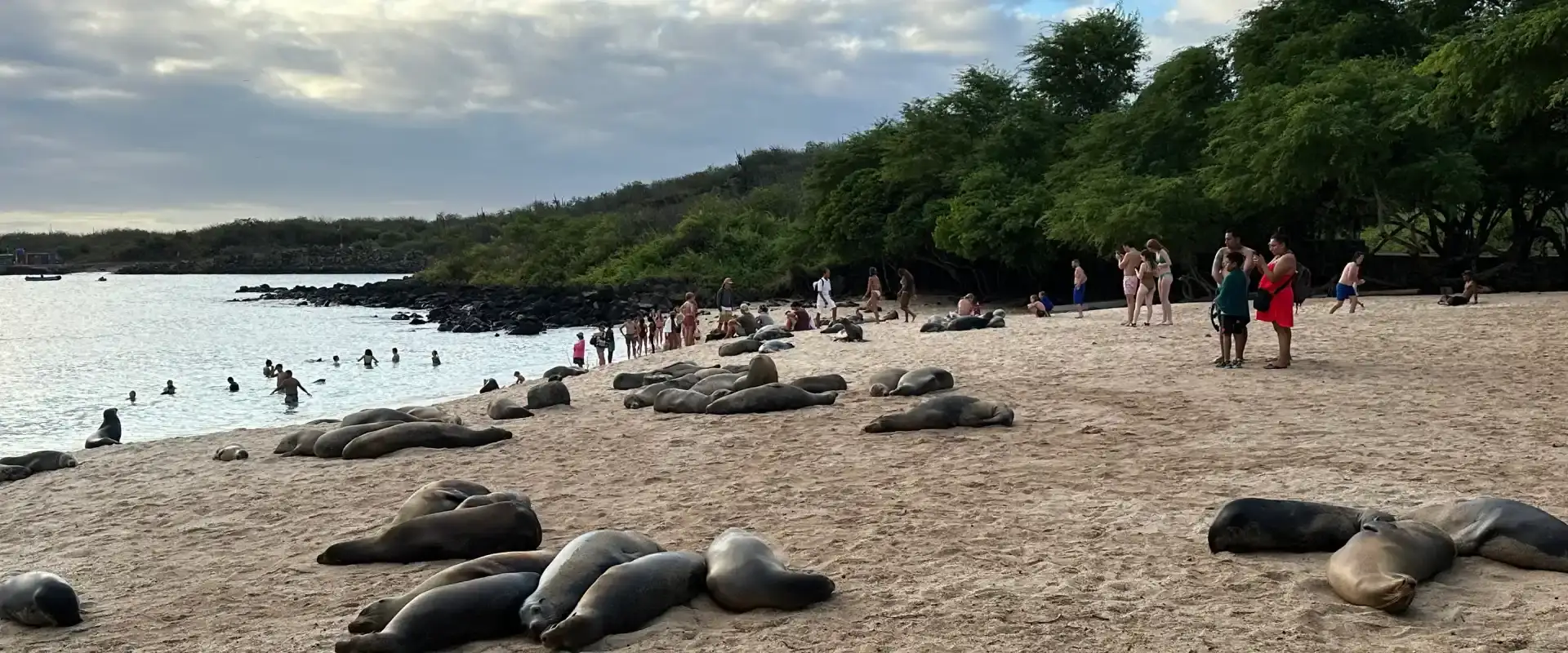
TWO WEEKS, FULLY PLANNED
14 Day Ecuador and Galapagos Tour: Volcanoes, Cuenca and the Islands
Quito, Cotopaxi, Quilotoa, Chimborazo, Ingapirca and Cuenca, then a week on Santa Cruz and Isabela with a yacht day.
From $3,390 per person
View itineraryGetting Around Guayaquil Ecuador
Uber and Cabify both work well in Guayaquil Ecuador and most rides in the tourist core cost a few dollars. That is the system: app rides door to door, no street taxis. The Metrovia bus network exists, but skip it with luggage or a camera — it is crowded and pickpockets know it. By day the riverfront core is walkable; after dark, ride even for short hops. From the airport, count on about 20 minutes to the Malecon area.
Is It Safe? The Short Version
In the places this list covers — yes, with city habits. The riverfront core is patrolled and busy; the south of the city and Duran are not for visitors, full stop. Keep your phone off the sidewalk edge, use apps at night, and you will very likely have a completely normal visit. The full area-by-area breakdown, including what the U.S. State Department currently says, is in our guide: Is Guayaquil Safe? For country-wide context, read Is Ecuador Safe?
Where to Stay in Guayaquil
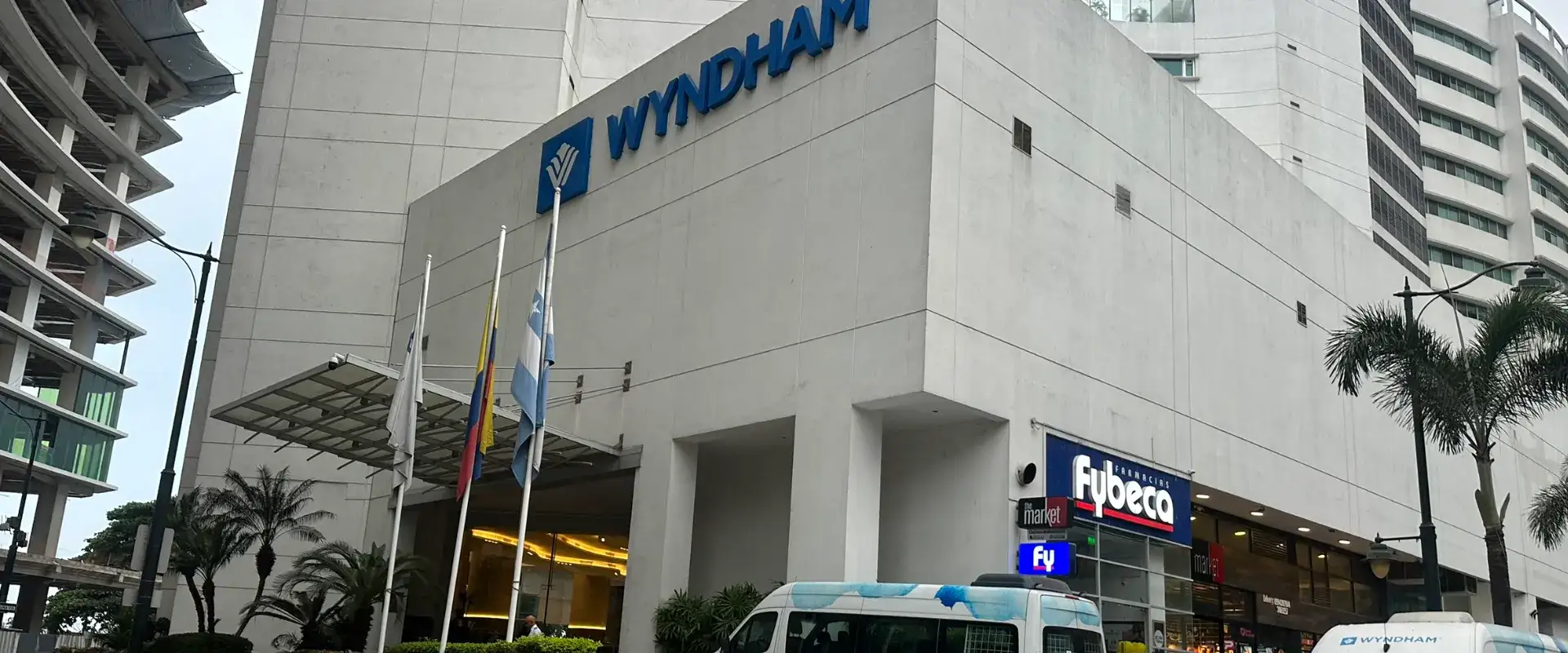
Four zones make sense for visitors, and they map straight onto the safety picture. The riverfront core puts the Malecón and Las Peñas on foot — best for a sightseeing day. Puerto Santa Ana is the prettiest evening address in the city, and our Guayaquil Ecuador nightlife guide covers the bars, clubs and zones to go out in after dark. Samborondón trades walkability for modern hotels, malls, and calm. And the airport zone exists for one job: the night before a morning Galápagos flight. Whatever you pick, book inside these zones — the zone-by-zone safety guide explains why that one rule does most of the work. Hotel-by-hotel picks for every zone are in our best hotels in Guayaquil guide.
What to Eat: Bolon, Encebollado, and More
Guayaquil eats better than its reputation suggests. Start the day with a bolon de verde (fried green-plantain ball with cheese or chicharron), and fix any rough morning with encebollado — the fish, yuca, and pickled-onion soup locals swear by. Crab houses are a whole scene here when cangrejo season is on. The Mercado del Rio on the Malecon is the easy, safe sampler. For the bigger picture, see our Ecuadorian food guide.
Guayaquil Elevation: Why There Is No Altitude Here
Guayaquil sits 4 metres above sea level. That is the whole answer: there is no altitude here, no soroche, nothing to acclimatise to. If you have been reading about altitude sickness in Ecuador, none of it applies while you are on the coast. Guayaquil altitude is simply not a thing you need to plan around.
What does matter is the jump. Fly from here to Quito and you go from 4 metres to 2,850 in about 50 minutes, faster than any road could take you. People who felt fine all week on the coast get a headache their first evening in the capital, and they are caught off guard because nothing about Guayaquil prepared them for it. If the highlands come next on your route, the Quito elevation guide covers what to expect and how long it lasts.
The trade runs both ways. What the coast spares you in altitude, it charges back in heat and humidity.
Using Guayaquil as Your Galapagos Gateway
Guayaquil is the main gateway to the Galapagos Islands: GYE has the most direct flights to Baltra and San Cristobal, usually at better prices than routing through Quito. The smart play is to land the day before your island flight, sleep near the airport or in Samborondon, and give yourself one relaxed evening on the Malecon. If you are still sketching the bigger route, our Ecuador itinerary guide shows where the city fits. And when you are ready for the hop itself — airlines, fees, and the morning ritual at GYE — see the Guayaquil to Galapagos guide.
Day Trips from Guayaquil Worth Doing
With an extra day you have real options. Playas (General Villamil) is the closest beach town, about two hours out. Salinas brings the resort strip at roughly two and a half, and Montanita the surf-town chaos at three. Closer in: Puerto El Morro for mangrove channels and dolphins, and Cerro Blanco dry forest for trails 30 minutes from town. For the coast rundown, start with our Ecuador beaches guide.
Quick Answers
Is Guayaquil worth visiting?
Yes, for a day or two. The iguana park, the Malecon, and Las Penas make a genuinely fun stop, and if you are flying to the Galapagos you are passing through anyway. It is not a week-long destination, and it does not need to be.
What to do in Guayaquil in one day?
Morning loop: iguanas at Parque Seminario, then the Malecon 2000 north to south, then the Las Penas climb before the heat peaks. Lunch at Mercado del Rio, afternoon Aerovia ride, and La Perla at dusk. That is the whole highlight reel in one day.
Is Guayaquil a walkable city?
The riverfront core is: Malecon, Las Penas, and the blocks around Parque Seminario connect on foot by day. Beyond that core, and anywhere after dark, take an Uber or Cabify instead of walking. It is a zone-by-zone city, not a stroll-anywhere city.
How many days do you need in Guayaquil?
One full day covers the essentials. Two lets you add Parque Historico and Isla Santay without rushing. Stay longer only if you are using the city as a base for coast day trips or waiting on a Galapagos flight.
Is Guayaquil or Quito better to visit?
Different jobs. Quito wins on sights: the colonial center, the Teleferico, and the day trips are stronger. Guayaquil wins on climate in the evenings, seafood, and Galapagos flight prices. If you can, do both; if you must choose sightseeing, choose Quito.
What is Guayaquil known for?
Ecuador’s biggest city and main port, the free-roaming iguanas of Parque Seminario, the Malecon 2000 riverfront, the colorful Las Penas neighborhood, and being the cheapest gateway to the Galapagos Islands. Also crab: cangrejo criollo is a local institution.
What level of danger is Guayaquil?
The U.S. State Department marks the south of the city and Duran as do-not-travel and the north as reconsider-travel. Tourist zones are patrolled and routinely visited without trouble. The full zone-by-zone reality is in our Is Guayaquil Safe? guide.
What are the best things to do in Guayaquil at night?
La Perla lit up, dinner on the Malecon or in Puerto Santa Ana, and the Las Penas bar strip at the base of the stairs. Keep it to those patrolled zones and move between them by app ride, not on foot.
What is the best time to visit Guayaquil?
June to November is the dry, cooler season — grey mornings, comfortable evenings, the best all-round window. December to May turns hot and humid with afternoon downpours, but mornings still work fine for the malecón loop. The sights run year-round, so cheap flight dates matter more than the forecast.
What is the Guayaquil altitude?
Essentially sea level. Guayaquil sits about 4 meters above the Pacific, which is the single biggest difference between it and the Ecuadorian highlands. If you have come down from Quito at 2,850 m or Cuenca at 2,560 m, you will notice you sleep better and breathe easier here. What you get instead is heat and humidity, so the trade is real either way.
How do you pronounce Guayaquil?
Roughly gwah-yah-KEEL, with the stress on the last syllable. The “gua” is a single quick sound rather than two, and the final L is pronounced. Locals will understand you either way, but getting the stress right is what makes it sound natural.
Most travelers fly to the islands from right here. Guayaquil is the cheapest, most direct gateway to the Galapagos — so if the city is your stopover, make the islands the payoff.
Before You Go
- Book your hotel in the riverfront core or Samborondon — walkability and safety in one move
- Download Uber and Cabify before you land
- Do the Malecon, Las Penas, and the iguana park as one morning loop
- Save La Perla for dusk, when the heat drops and the lights come on
- Read the safety guide once, set your habits, then relax and enjoy the city