Puyo Ecuador: The Easiest Amazon Town to Reach
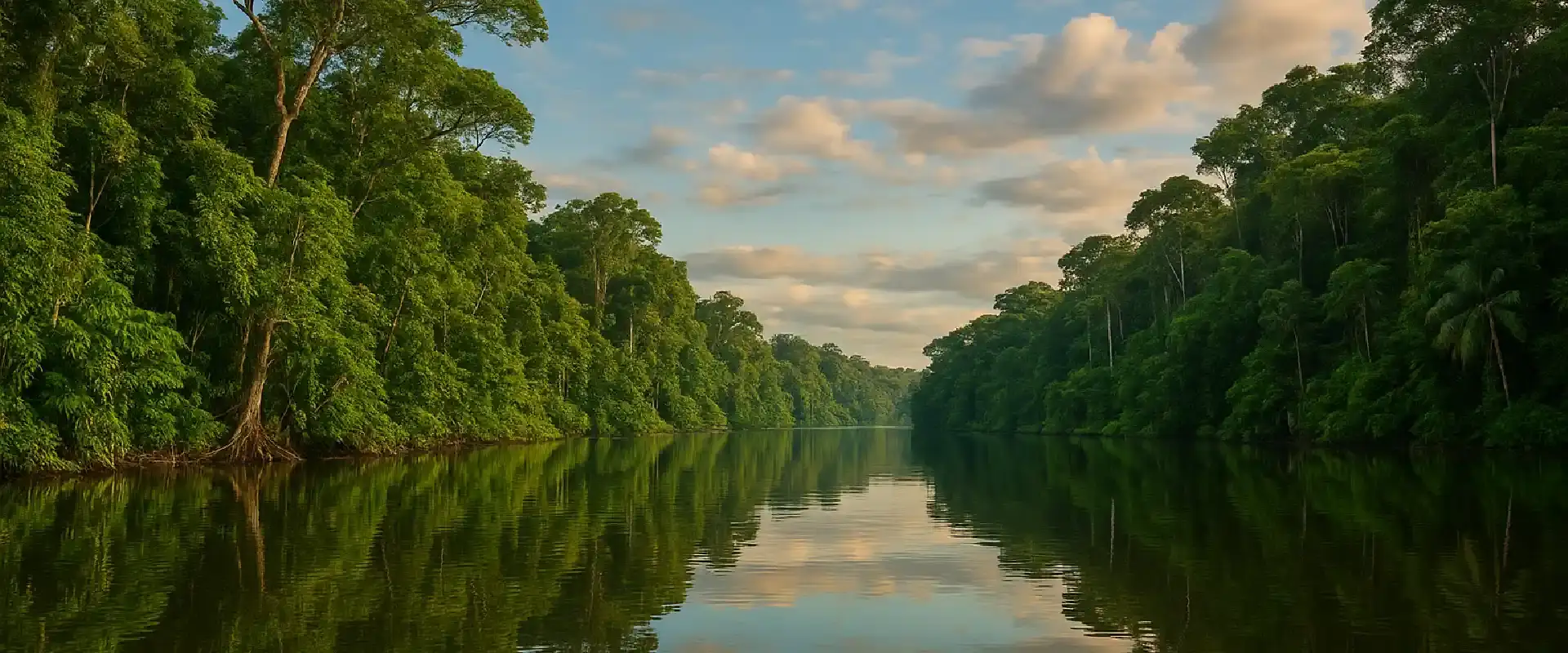
Here is the honest version: Puyo Ecuador is not a pretty town. It is loud, it is concrete, and nobody comes for the town itself. What it is instead is the easiest door into the Amazon in the whole country. Baños to Puyo is 90 minutes on a paved road, no flight, no canoe, no permit. The rainforest starts about 20 minutes past the last traffic light, and that is the entire point.
Andes, Amazon and Galápagos Island Hopping: 12 Day Tour
Need to Know
- Where: capital of Pastaza, ~950 m, where the Andes stop and the Amazon starts
- From Baños: 90 min, $2.75 by bus · from Quito: ~5 h
- How long: 1-2 days. It is a base, not a destination
- Budget: $90-130 for two days including the bus in
- Best for: the Amazon without a flight, on a short trip and a small budget
- Not for: deep wildlife or a pretty town. Neither is here
- Bring: rain shell, repellent, shoes you can soak, cash
Is Puyo Ecuador Worth Visiting?
Depends what you came for, and the guidebooks are unusually blunt about this. Lonely Planet says Puyo “does the opposite of most towns”. A well-read backpacker blog calls it “dirty and noisy”. Neither is wrong.
What they miss is that almost nobody is supposed to stay in Puyo. You sleep there, or you stop there, and you spend your day 20 to 40 minutes out of town: at a viewpoint over the river confluence, at a waterfall you can swim under, at an animal rescue centre, or in a Kichwa community up the Arajuno road.
So: come to Puyo if you want the Amazon without a flight and without four days. Do not come expecting a charming colonial centre, because there is not one. If you want jungle you can walk into from your hotel, keep going to the lodges past Tena or fly to Yasuní.
Baños to Puyo: The Road Is Half the Trip
Most travellers arrive from Baños, and the ride is genuinely part of what you paid for. It is about 61 kilometres, roughly 90 minutes, and the bus costs around $2.75. The road follows the Río Pastaza gorge the whole way down.
You will hear this stretch called the Ruta de las Cascadas. Be clear about what that is: the famous waterfalls on it, including the Pailón del Diablo, are in Tungurahua, not in Pastaza. They belong to a Baños day out, not to Puyo. If you are cycling the route, most people ride the waterfalls and take a truck back to Baños rather than continuing.
Buses leave Baños through the day. If you want the descent as an experience rather than transport, sit on the right side going down and start early, before the afternoon cloud closes the gorge. Not sure where this fits in your itinerary? Send us your dates and we will sort the order out.
How Do You Get to Puyo from Quito?
About five hours from the Quitumbe terminal. Buses run through the day. Coming from Tena it is roughly two hours south; from Macas, about three hours north.
There is an airport at Shell, ten minutes west, but do not plan around it. It runs light aircraft into Amazon communities, not scheduled service from Quito. It matters only if you are flying to somewhere like Sarayaku or Kapawi, and that is a chartered trip, not a ticket you buy at a counter.
What Are the Best Things to Do in Puyo Ecuador?
Almost everything worth doing is outside the town. A taxi to any of these runs $5 to $15 one way, and drivers will wait for you if you agree the price first.
Viewpoints and rivers
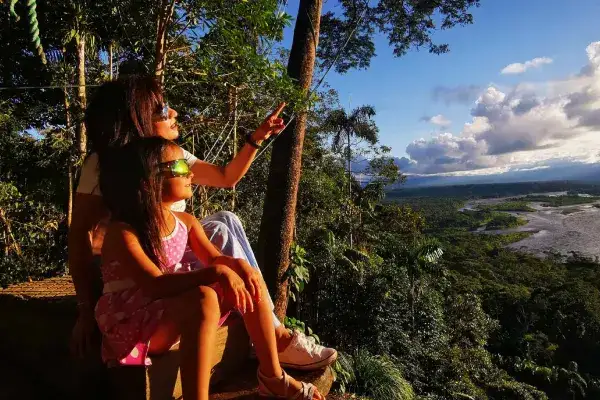
- Mirador Indichuris — the one photo everyone comes back with. A bluff over the point where the Puyo and Pastaza rivers meet, about 30 minutes out toward Pomona. There is a swing over the drop, and you can stay the night up there.
- Malecón Boayaku and the Paseo Turístico del Río Puyo — a riverside walk in town. Twenty minutes, free, and the only genuinely pleasant bit of the centre.
- Dique de Mera — a river swimming spot locals fill on Sundays, up toward Shell.
Waterfalls and forest
- Cascada Hola Vida — the flagship. A 30-metre fall inside a private reserve near Pomona, with a short forest walk in and a pool you can swim in. Usually combined with Indichuris in one outing.
- Cascadas de Fátima and Cascada Pailón del Ángel — smaller, quieter. ⚠ Do not confuse the Pailón del Ángel with the Pailón del Diablo; different waterfall, different province.
- Cavernas del Anzu — caves up near Mera, muddy and worth a guide.
LOCAL GUIDE AND DRIVER, EVERY DAY
12 Day Ecuador and Galapagos Tour: Andes, Amazon and Island Hopping
The Andes and the Amazon with your own guide and driver from Quito, then a week of island hopping on Santa Cruz and Isabela with a yacht day.
From $2,690 per person
View itineraryAnimals and plants
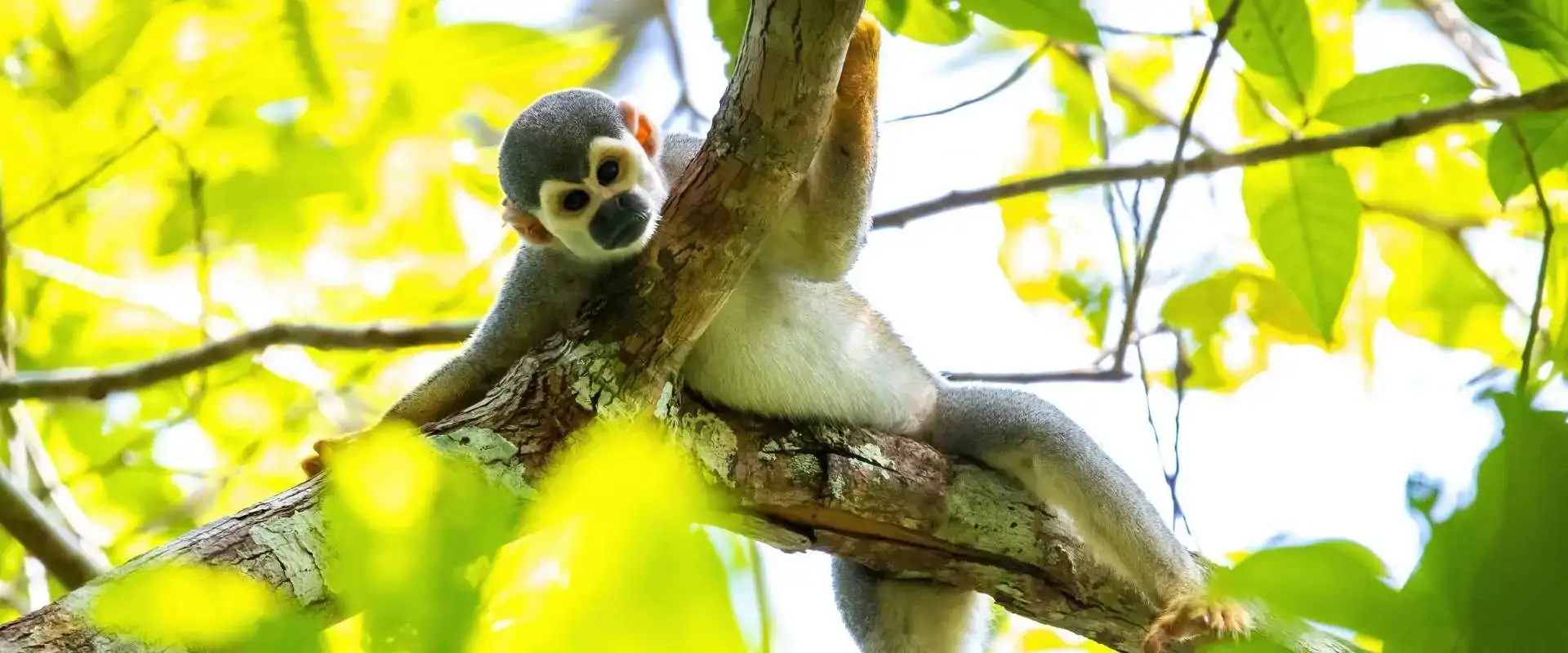
- Paseo de los Monos — a monkey rescue centre on the Arajuno road. Rescued, not collected.
- Centro de Rescate Yanacocha and Zoorefugio Tarqui — the other two rescue centres, both taking confiscated wildlife.
- Parque Etnobotánico Omaere — a small ethnobotanical park run with Shuar and Waorani knowledge, right by the malecón. The best hour you will spend in town.
- Jardín Botánico Las Orquídeas — seven hectares of regenerated forest on the Macas road, heavy on native orchids.
Pastaza Ecuador: The Province Beyond the Town
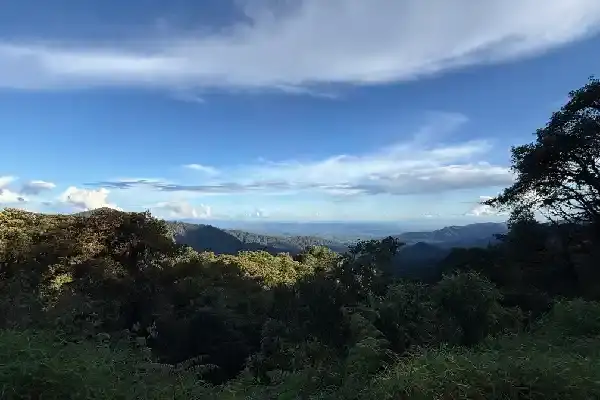
Pastaza Ecuador is the largest province in the country by area, and one of the emptiest. Puyo is its capital and its only real town; past it the roads thin out and then stop, and you are into territory reached by river or by light plane.
That deeper Pastaza is where the Achuar, Shuar, Waorani, Shiwiar, Sápara and Amazonian Kichwa live. It is not day-trip country. Kapawi, the Achuar-owned lodge, is a fly-in from Shell and a multi-day commitment. Sarayaku, the Kichwa community best known internationally for winning its case against the Ecuadorian state at the Inter-American Court in 2012, is reached by plane or by canoe up the Bobonaza, and it receives visitors on its own terms.
Be honest with yourself about which one you are doing. A morning “community visit” on the Puyo tourist circuit, with blowpipe practice and face paint, is a staged experience — sometimes run well and genuinely by the community, sometimes not. That is a different thing from spending four days somewhere like Kapawi. Both are legitimate; they are not the same trip, and the first one is not a window into the second.
Puyo Ecuador Hotels and Jungle Lodges
Puyo Ecuador hotels split into three honest tiers, and the tier decides whether you are sleeping in a town or in the forest.
- In town, $15 to $45. Hosterías like Turingia, El Pigual and Safari, plus plenty of small hotels. Walk to the terminal and the market. Fine, unremarkable, and what most people actually book.
- Forest edge, $50 to $120. Altos del Pastaza, Huella Verde, Tamandúa and a scatter of eco-cabañas and glamping on the roads out. You wake up in trees rather than traffic and you are still 20 minutes from town.
- Deep Amazon, $200+ per night, multi-day only. Kapawi, in Achuar territory. Fly-in from Shell, several days minimum, booked well ahead. This is not a Puyo hotel; it is a different holiday that happens to start near Puyo.
Booking sites list a lot of Puyo properties as “jungle lodges” that are town hotels with a garden. Look at where the pin actually sits before you pay. For the region-wide comparison of what a jungle lodge actually buys you at each price, see our guide to the best Amazon lodges in Ecuador.
What Will Puyo Cost You?
- Bus Baños to Puyo: $2.75
- Bus Quito to Puyo: $8 to $10
- Bed in town: $15 to $45
- Forest-edge cabaña: $50 to $120
- Taxi to Indichuris or Hola Vida: $10 to $15 each way
- Entry to a reserve or rescue centre: $3 to $5
- A full-day organised jungle tour: $45 to $70
- Volquetero at the market: $3 to $4
Two days based in Puyo, doing Indichuris and Hola Vida one day and the rescue centres and Omaere the next, lands around $90 to $130 per person including the bus in. It is the cheapest way to touch the Amazon in Ecuador, and by a wide margin.
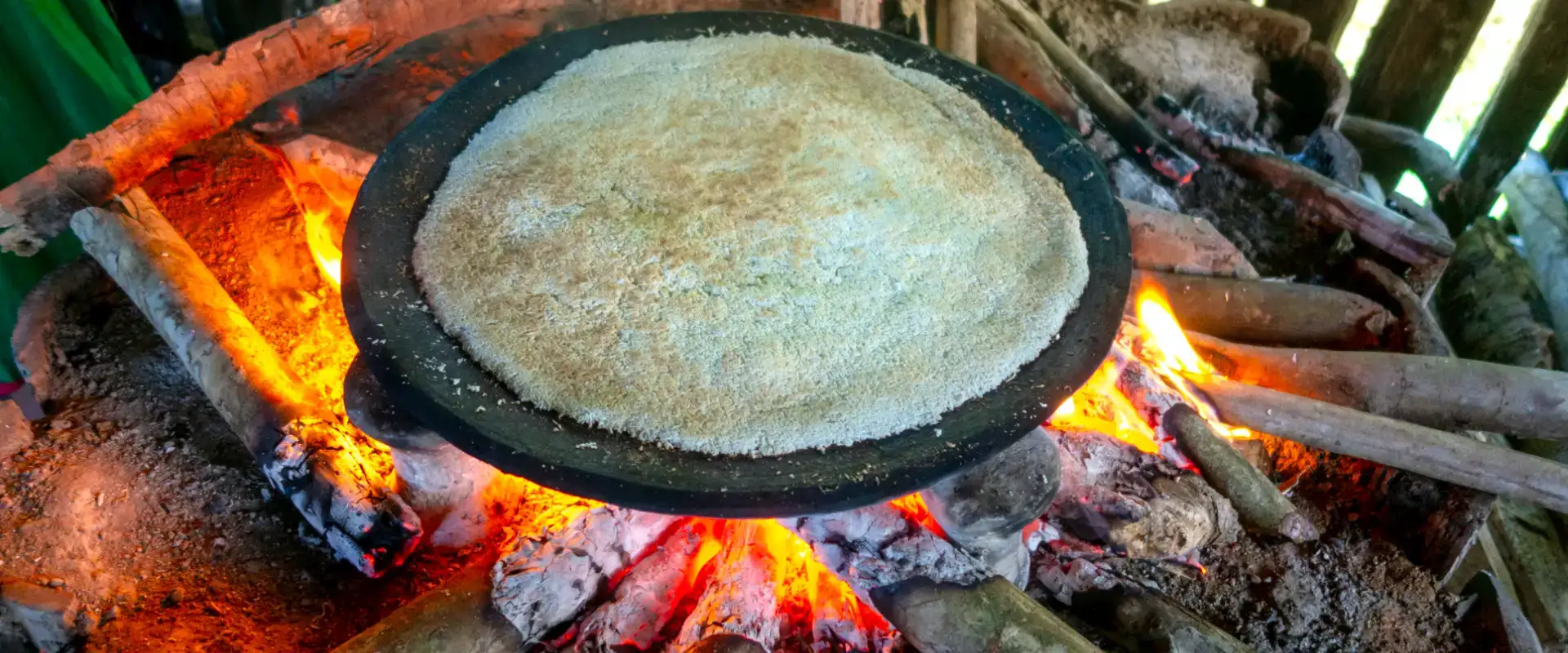
Eat the volquetero while you are there. It is Puyo’s own dish — chifles, tuna, onion, lupini beans, tomato, all tipped into one bowl like a dump truck, which is what the name means.
Puyo or Tena?
This comes up in every forum thread about the Ecuadorian Amazon, so here is the split.
Puyo is closer to Baños, cheaper to reach, and better if you have a day or two and no plan to go deep. The attractions are compact and you can do them by taxi.
Tena is five hours from Quito, has real whitewater rafting and the Jumandy caves, and is the better base if you want three or four active days. It is the adventure town; Puyo is the doorway.
Neither is the place for serious wildlife. For that you want Cuyabeno or Yasuní, both of which need a flight and four to five days. Our complete Ecuador Amazon rainforest guide lays all four side by side.
And if the mainland is only half your trip, the islands are the half people remember.
Quick Answers
Is Puyo worth visiting?
Yes, if you want to reach the Amazon without a flight and without four days. Puyo itself is a plain working town, but Indichuris, Hola Vida, the rescue centres and the Omaere park are all within 40 minutes of it, and Baños is only 90 minutes away. No, if you came for primary rainforest and big wildlife.
What is Puyo, Ecuador known for?
Being the gateway to the southern Ecuadorian Amazon. It is the capital of Pastaza province, the launch point for trips into Achuar, Shuar and Kichwa territory, and the home of the volquetero, a street dish of chifles, tuna, onion and lupini beans.
Is Puyo Ecuador safe?
It is an ordinary provincial town and generally calm. Normal precautions apply: watch your bag at the bus terminal and the market, use registered taxis at night, and take a guide for caves, rivers and forest trails, where the real risk is the terrain rather than crime.
How do I get to Puyo, Ecuador?
By road. Buses run from Baños in about 90 minutes for $2.75, from Quito’s Quitumbe terminal in about 5 hours, and from Tena in about 2 hours. The airport at Shell serves light aircraft to Amazon communities only, not scheduled flights.
What is Puyo Ecuador weather like?
Warm and wet all year, typically 18-28°C, with rain possible in any month and heavier falls between April and July. There is no dry season to wait for, so pack a rain shell and quick-dry clothes whenever you go.
Puyo or Tena: which should I choose?
Puyo if you have one or two days and are coming from Baños. Tena if you have three or four and want rafting, caves and community tourism. Puyo is the doorway; Tena is the adventure base.
What is the population of Puyo, Ecuador?
Around 40,000 people in the urban area, which makes it the largest town in Pastaza and one of the biggest in the Ecuadorian Amazon, though it is still small enough to cross on foot in half an hour.
Can you visit indigenous communities from Puyo?
Yes, and the range is wide. Short community visits on the Puyo circuit are half-day, staged experiences that vary a lot in quality. Genuine multi-day stays in Achuar or Kichwa territory, such as Kapawi or Sarayaku, are reached by light plane or canoe and need to be arranged in advance.
How many days do you need in Puyo?
Two is the sweet spot. One day for Indichuris and Hola Vida, one for the rescue centres, Omaere and the malecón. A single day works if you arrive early from Baños.
Before You Go
- Come from Baños if you can. The 90-minute descent is worth more than the town.
- Agree the taxi price before you get in, and agree the wait too.
- Book Indichuris and Hola Vida as one outing. They are on the same road.
- Bring cash. Cards are patchy outside the main hotels.
- Check where your “jungle lodge” pin actually sits before paying.
- If you want real wildlife, do not stop here. Keep going to Cuyabeno or Yasuní.
- Check Ecuador’s Ministry of Tourism for current entry requirements and road advisories before you travel.
- Eat the volquetero at the market, not at the hotel.