
Baños Day Trip from Quito – Waterfalls, Adventure & the Famous Swing
Planning a banos day trip from quito? Here is how to get there, which waterfalls to see, what the famous swing is like and a timed plan for the day.

the Quito Trips team, local guides in QuitoUpdated · 9 min read
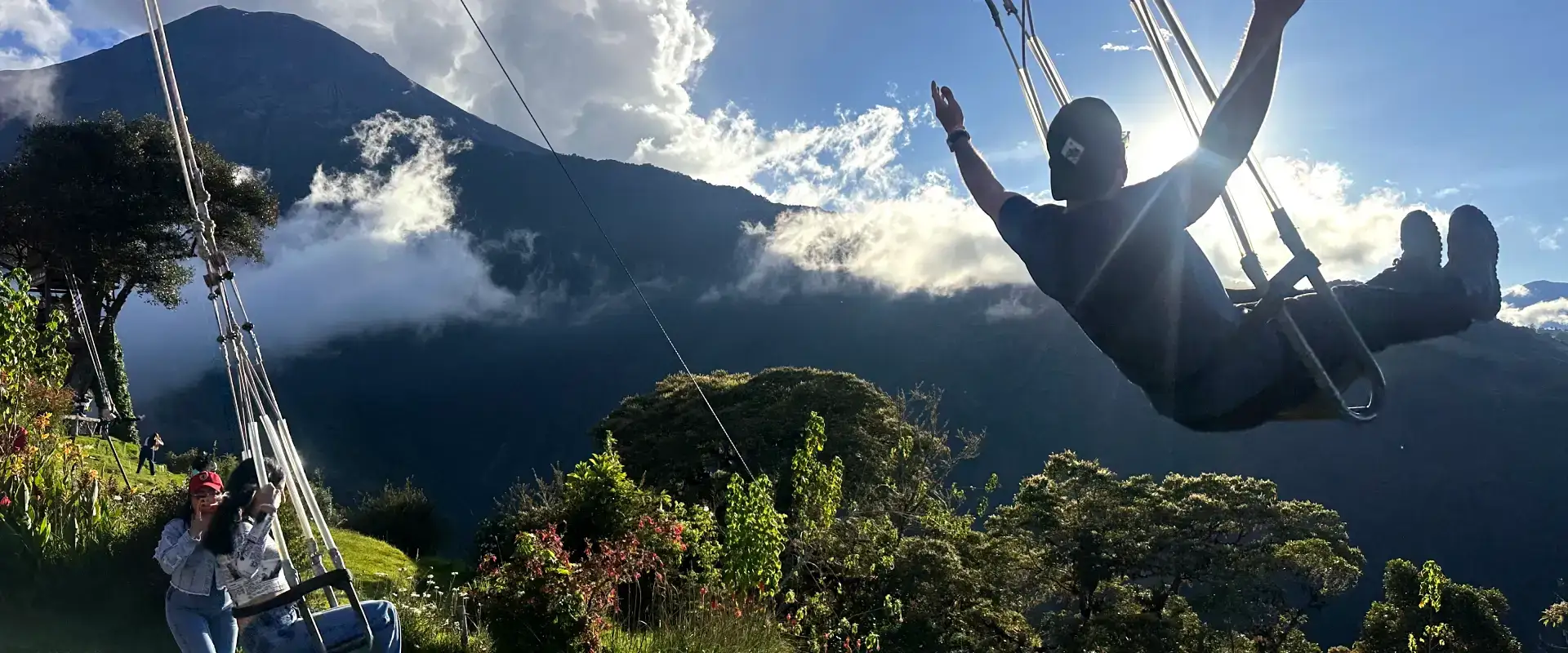
A Banos day trip from Quito packs waterfalls, adventure sports, a famous cliff swing and hot springs into one long day. This guide covers how to get there, what to do once you arrive and a timed plan, based on my own trips with guests.
Bring your camera, and maybe some nerve. Baños is about three hours south of Quito, on a hillside above a deep gorge, and it is Ecuador’s adventure capital for good reason.
The first time I went, I didn’t plan to swing out over the valley (strapped in, safely), but that is what happened at the Swing at the End of the World. The town is surrounded by waterfalls, the adventure sports get your heart going, and the hot springs let you recover afterward. Few quick trips from Quito give you that much variety. This guide works for adrenaline fans and for people who just want good hikes and a look at local life.
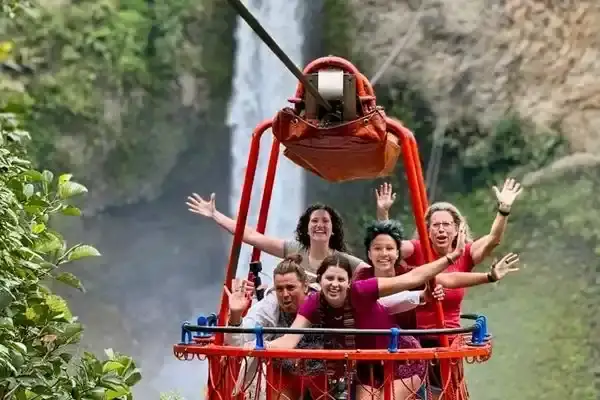
Getting to Baños: the drive through the cloud forest
The drive from Quito to Baños (about 180 km) takes about 3 hours, depending on traffic and the mountain roads. You head southeast, from the city through farmland and into the cloud forest of Tungurahua Province. The road climbs, then drops into the Baños valley at about 1,800 meters.
I’ll be honest: the drive can be rough. The road has a lot of curves, and some people get carsick. Bring ginger chews or motion sickness pills if you need them. If you don’t want to drive these roads yourself, hire a driver or book a tour; many leave Quito every day. Our day trips from Quito guide has recommendations.
If you drive, leave Quito by 6-7 AM. You want as much daylight as possible for the waterfalls and trails.
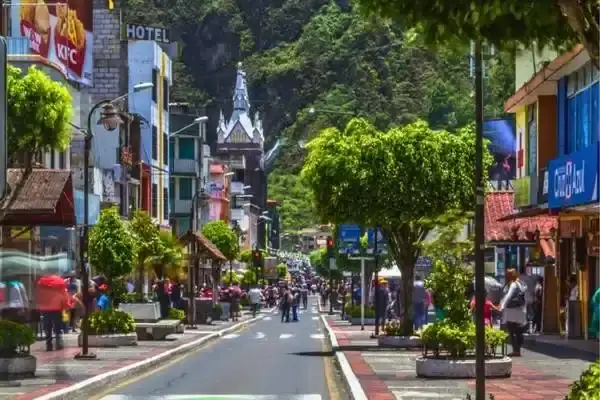
Quito to Baños by bus: terminal, fare and times
Buses to Baños leave from the Terminal Terrestre Quitumbe in the far south of Quito, not from Carcelén in the north. You buy the ticket at the company window on the day; on normal weekdays you do not need to book ahead. Cooperativa Baños lists the fare at $4.80, and most travelers pay $4.80 to $5. The ride takes about 3 hours 15 minutes to 3.5 hours, more on a Friday afternoon or a holiday.
| Option | From | Cost | Time | Best for |
|---|---|---|---|---|
| Public bus (Transportes Amazonas, Cooperativa Baños) | Quitumbe terminal | $4.80-5 per person | 3 h 15 min to 3.5 h | Solo travelers, overnight stays |
| Car with driver | Your hotel | Per vehicle, ask for a quote | About 3 h | Families, groups of 3-4 |
| Guided day tour | Your hotel | Per person, lunch and stops included | Full day | A day trip without terminals |
Departures run all day. In January 2025 the two main companies told Luna Volcán they had 25 daily buses (Transportes Amazonas, 06:20 to 23:40) and 11 (Cooperativa Baños, 05:10 to 21:30). Schedules change, so check at the window. For a day trip, take one of the first buses.
To reach Quitumbe from the Mariscal or the Old Town, the Trolebús and the Ecovía run south for $0.35, but with luggage a taxi is easier. Give yourself an hour; Quito is long and traffic is slow at rush hour. Inside the terminal and on the bus, keep your daypack on your lap and your phone in a front pocket. Big bags go in the hold with a ticket.
The bus follows the Panamericana (E35) south past Machachi, Latacunga and Ambato, then turns east through Pelileo and drops into the Pastaza valley. On a clear morning Cotopaxi shows up on the left side soon after Machachi. At some stops vendors climb aboard to sell snacks. In Baños the bus stops at the small terminal at the edge of the center, and most hotels are a short walk or a cheap taxi away.
Coming back, buses to Quitumbe leave the Baños terminal through the day. Sunday afternoons fill up with Ecuadorian weekenders, so buy your return ticket in the morning. If you want stops on the way, a driver or a tour is the better choice: the Cotopaxi and Baños tour covers both in two days with a night in Baños, with the waterfalls and the Tree House on the second day.
Stops on the road from Quito to Baños
If you go by car or with a driver, the road has a few stops worth ten minutes each. Between Machachi and Latacunga the highway runs past Cotopaxi; early morning gives you the best chance of seeing the cone. Salcedo, south of Latacunga, is known in Ecuador for its striped fruit ice creams, the helados de Salcedo. Pelileo sells cheap jeans in dozens of shops along the main road. After Pelileo the road descends into the Pastaza canyon, the air gets warmer and the first waterfalls appear from the window.
There is no airport in Baños. Fly into Quito (UIO) and go overland. From the airport, a driver avoids the trip across town to Quitumbe.
Why Baños feels different from other day trips
Baños is not a museum or a market stop. It is a working adventure town where locals and visitors share the streets. There is a lively night scene, good restaurants and a real community. Walk down the main street and you’ll hear a dozen languages while people gear up for the day. Not sure how to fit this into a trip? Tell us your dates and we will map it out.
The town owes its fame to geography. Rain keeps waterfalls running down the cliffs most of the year, and the Rio Pastaza cuts a deep gorge below. That same landscape is good for canyoning, ziplining and white-water rafting. If you’d rather keep it calm, there are easy hikes and hot springs too.
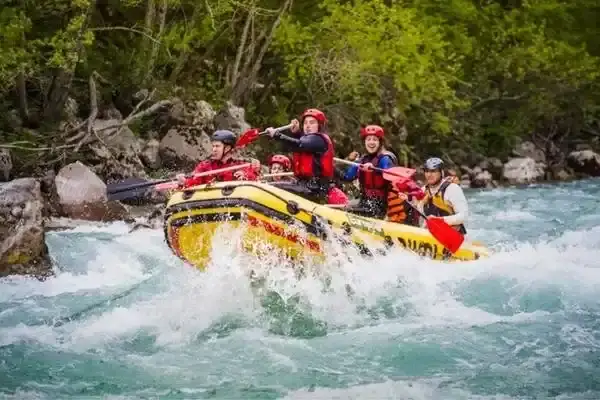
The Swing at the End of the World: yes, you’ll actually do this
You’ve probably seen the photos from Casa del Árbol: someone swinging out over a huge gorge, above clouds and forest. It is real, and you can do it.
This is how it works. You hike about 20-30 minutes uphill from town to a family property where a big tree stands right at the cliff edge. The owner hung a rope swing there decades ago, and now people come from all over the world. When you swing out, the gorge opens up under your feet. It is dizzying.
On safety: the swing is stable and someone watches it, and thousands of people use it every year. Still, this is a swing on a tree, not an amusement park, and that is part of the thrill. You pay a couple of dollars, and the locals usually take your photo mid-swing. Cheesy, yes, and a lot of fun.
Go before 10 AM to avoid the crowds. Wear good shoes for the climb and bring a dry shirt if you sweat a lot. The view is worth the hike even if you skip the swing.

Baños waterfalls: options for every fitness level
The waterfalls are the main reason many people come. Several drop into the gorge, and each one is different:
| Waterfall | Distance/Difficulty | Best For | Water Access |
|---|---|---|---|
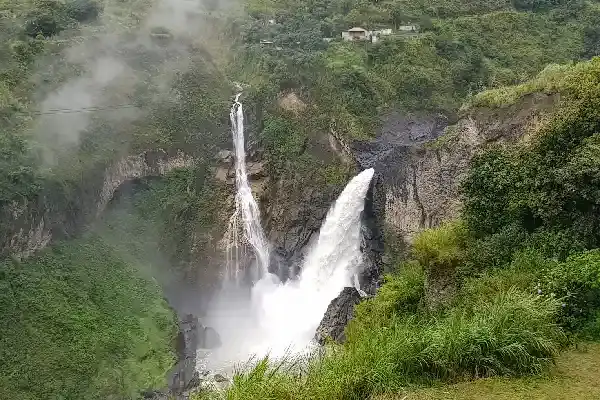
| Pailon del Diablo (Devil’s Cauldron) | 2km hike, moderate-hard | Photography, impressive volume | Viewing platforms and heavy spray, no swimming |
| Agoyan | Easily accessible from town, easy | Quick visit, families | Viewpoint, no swimming |
| Rio Verde (Green River) | Longer hike (4-5km), moderate | Adventurous hikers, quieter | Swimming, natural pools |
| Inés María | Short hike from town center, easy | Families, casual stroll | No swimming, scenic viewpoint |
| Manto de la Novia (Bride’s Veil) | 1.5km hike, easy-moderate | Beautiful photos, accessible | Limited water access |
My honest take: Pailon del Diablo is the most impressive, but the trail is hard and ends with a ladder. If you’re fit and want the best photos, do it. For an easier visit, Agoyan gives you the view without the hike. Rio Verde suits hikers who want fewer people around.
A good plan for the day: the Casa del Árbol swing in the morning, one big waterfall at midday and the hot springs in the afternoon.
Adventure activities beyond the waterfalls
There is something for every level of nerve:
- Canyoning (barranquismo): you rappel down waterfalls and slide into pools. Full-day trips ($60-100 USD) are common. It is hard work and a lot of fun.
- Ziplining: several companies run courses through the forest canopy. Short tours ($40-60) last 1-2 hours; longer ones run 4+ hours.
- White-water rafting: the Rio Pastaza has Class II-IV rapids depending on the season. Half-day trips cost $50-70 and full-day trips $80-120. Water levels change through the year.
- Paragliding: Baños is known for it. Several operators fly tandem ($100-150) over the town and the gorge. The dry season (June-September) is best.
- Mountain biking: downhill and trail tours cover the area around town. Bike rentals are cheap, and guided tours give you a route and safety gear.
Book the day before if you can. Walk into the agencies on the main street and compare prices; there is enough competition to keep them fair. Price depends on group size, and solo travelers can often join a group.
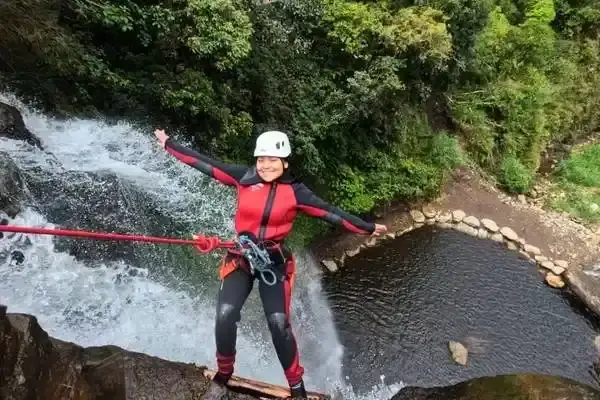
The baths: relaxing after a busy day
Baños means “baths,” and the town is named after its hot springs. After hours of hiking and activities, the thermal water feels great. These are the main options:
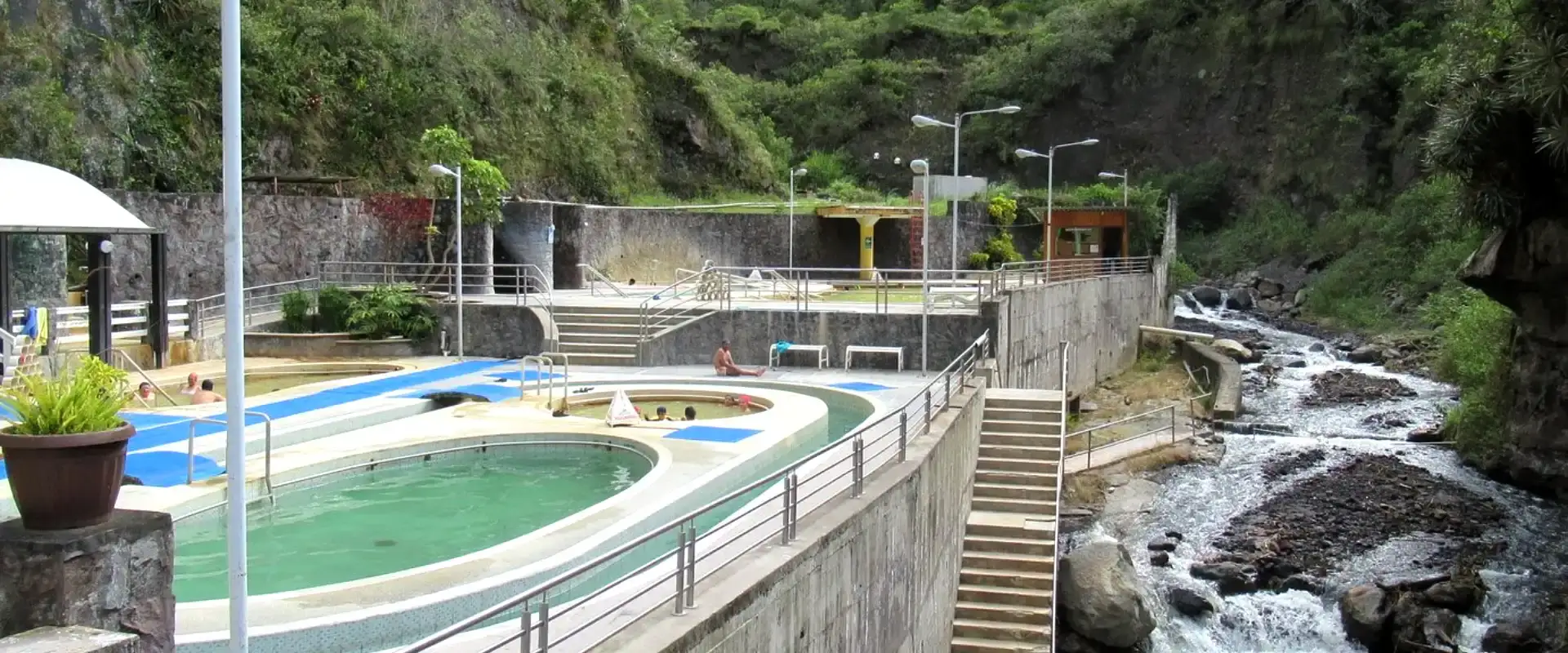
- Termas de la Virgen, in town under the waterfall, has several pools at different temperatures. Entry is $4 for adults, and it opens 5:00-16:30 and again 18:00-21:30.
- Termas El Salado, about 2 km out of town, costs the same and is quieter.
- Luna Volcán, on the hill above town, is a private spa with hotel prices and a view.
- Bring a swim cap; the public pools require one. Our Baños hot springs guide compares them all.
Go in the late afternoon (3-5 PM), when most day-trippers have left. Bring flip-flops and a change of clothes. The hottest pool at Termas de la Virgen reaches about 42°C (108°F).
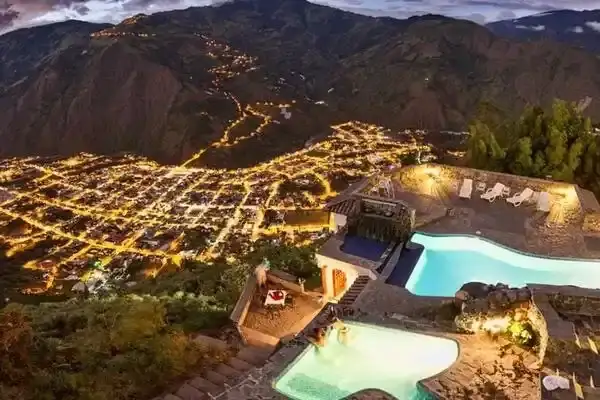
Start in Quito, end in the Galápagos
9 Day Ecuador and Galapagos Tour
Andes, Amazon and Santa Cruz
- 9 days
- Medium effort
From $1,990 per person
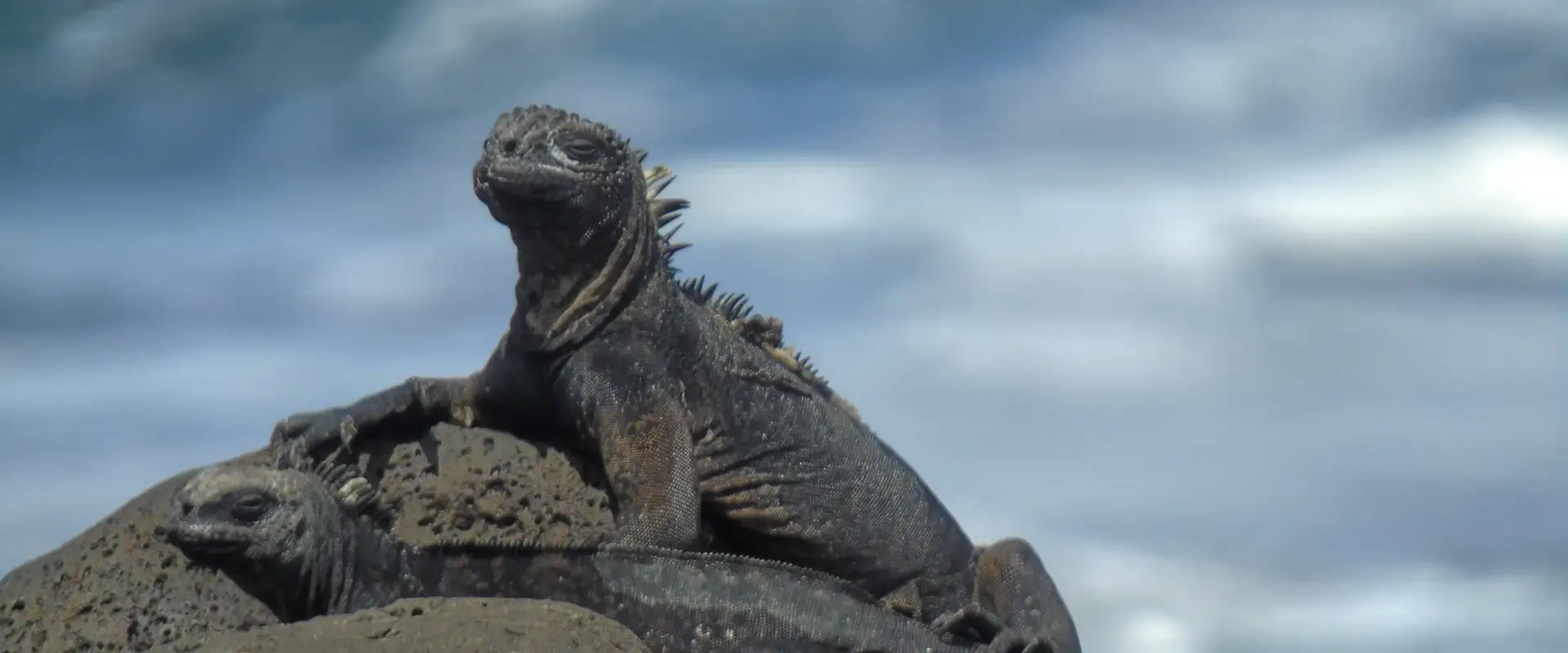
Pair it with the Galápagos: 9 Day Ecuador & Galápagos Tour
Ecuador
Cotopaxi and Baños Tour
2 days from Quito, with a night in Baños
- 2 days
- Easy
From $364 per person
Food in Baños
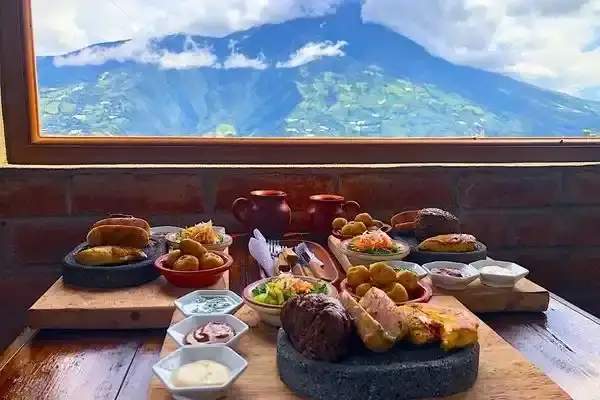
You eat well in Baños now. With so many backpackers and adventure travelers, there is more than the usual Ecuadorian menu.
- For breakfast, the main street has plenty of cafés with good coffee. Eat before your morning activity.
- At lunch, cevicherías serve fresh seafood, and traditional places have sopa de queso, trout and big plates. The lunch special (almuerzo) costs $3-6.
- There is pizza, pasta, burgers and vegetarian food. Nothing fancy, but it does the job.
- Juice bars and snack shops line the main street for a quick bite between activities.
Eat a big breakfast and lunch before your afternoon plans. There is little food down in the gorge, and hiking hungry is no fun.
A Baños day trip itinerary
This is how I’d plan the day so you see a lot without running:
6:00 AM: Leave Quito.
8:00-8:30 AM: Arrive in Baños, have breakfast and coffee.
9:00 AM: Hike to Casa del Árbol, ride the Swing at the End of the World, be back by 11 AM.
11:30 AM: A waterfall, Pailon del Diablo or Manto de la Novia depending on your fitness.
1:00 PM: Lunch in town.
2:30 PM: An activity (short canyoning, zipline or paragliding) or a longer waterfall hike.
4:00 PM: Hot springs.
5:30 PM: Start the drive back to Quito.
8:00-8:30 PM: Back in Quito.
It is a full day but doable if you’re fit. For a calmer day, drop one activity, or skip canyoning and stick to the waterfalls, the swing and the hot springs.

Combining Baños with other day trips
If you’re doing several day trips from Quito, Baños fits with a few others. The Mitad del Mundo (Middle of the World monument) is a separate day trip north. The Cotopaxi volcano is another favorite. Our full day trips from Quito guide compares them so you can plan the order.
FAQ: Banos day trip from Quito
These are the questions guests ask us most before a Banos day trip from Quito. If yours is missing, write to us and a local guide will answer.
How do I get from Quito to Baños by bus?
Go to the Quitumbe terminal in south Quito and buy a ticket at the Transportes Amazonas or Cooperativa Baños window. The fare is about $4.80 to $5 and the ride takes 3 hours 15 minutes to 3.5 hours. Buses leave throughout the day.
Which Quito bus terminal goes to Baños?
Quitumbe, in the south. Carcelén, in the north, serves the north (Otavalo, Ibarra), so do not go there for Baños.
Is there an airport in Baños?
No. Fly into Quito (UIO) and continue by bus, with a hired driver or on a tour. The drive takes about three hours.
How do I get back from Baños to Quito?
Buses to Quitumbe leave the Baños terminal through the day. On Sunday afternoons they fill up, so buy your ticket in the morning.
Is Baños safe?
Yes. Baños is well set up for tourism and local guides take visitor safety seriously. Use normal travel precautions; thousands of people visit without problems. Adventure activities are run by experienced operators.
What’s the best season for a Baños day trip?
June-September has the most stable weather and the least rain. The rainy season (October-May) brings frequent showers, but also greener hills and fuller waterfalls. Adventure activities run all year, though some water sports depend on rainfall levels.
How much time do I need?
A full day works best. Leave Quito early and spend 7-8 hours in Baños. You can do a shorter visit (4-5 hours) with one or two activities, but you’ll feel rushed.
What should I pack?
Comfortable hiking shoes, quick-dry clothes (you’ll sweat), a waterproof bag for electronics, a change of clothes, sunscreen, a swimsuit for the hot springs, and water. If you go canyoning, bring a towel and a second change of clothes.
Can I stay overnight instead of day-tripping?
Yes. Baños has hostels, hotels and lodges at every price. Staying the night gives you time for more activities, a slower pace and an evening in town.
Is the trip worth it?
For most people, yes. In one day you swing over a gorge, walk to a couple of waterfalls and finish in a hot pool, and the drive is long but manageable. If you can spare a night, stay over and the day gets easier.
Useful external resources
Keep reading
 Banos Hot Springs: 5 Thermal Pools in Ecuador’s Adventure TownBanos hot springs in Ecuador: the four public pools ($4 entry), hours, which one to pick, the Luna Volcán spa, what to pack and how many days to plan.
 Things to Do in Baños Ecuador: 13 Local Favorites for 2026Things to do in Baños Ecuador from a local: the Casa del Árbol swing, Pailón del Diablo, hot springs, the waterfall route, where to eat and safety tips.
 The best day trips from Quito: Complete guide 2026The best day trips from Quito last between one and three hours and include volcanic landscapes, indigenous markets, and crystal-clear crater lakes.