
Banos Hot Springs: 5 Thermal Pools in Ecuador’s Adventure Town
Banos hot springs in Ecuador: the four public pools ($4 entry), hours, which one to pick, the Luna Volcán spa, what to pack and how many days to plan.

the Quito Trips team, local guides in QuitoUpdated · 10 min read
TL;DR
The Banos hot springs sit in Ecuador’s adventure capital. The four public thermal complexes charge $4 per adult, private spas charge more, and there is canyoning, zip-lining and a busy nightlife. The town is at 1,800 meters, so the weather is mild all year. Budget $40-60 a day for a room. Baños suits people who want to do more than soak. Plan at least 2-4 days.
Baños is not a quiet spa town, and that is why I send adventurous travelers here. The Banos hot springs are the reason many people come, but the town also has rock climbing, canyoning, good hiking and bars that stay open late. I’ve guided people through a lot of Ecuador’s highlands. Baños feels different. In one day you can soak in a waterfall pool, go canyoning down a cliff, eat dinner with a live band and fall asleep to the Pastaza River. Here is why it deserves real time on your Ecuador itinerary.
Why Banos is different from other hot springs
Baños sits at 1,800 meters on the edge of the Amazon. The water comes from volcanic sources, like everywhere else in Ecuador. What changes is where it ends up: the springs feed into waterfalls, rivers and canyons, so some pools sit right under falling water with the forest around you. The minerals are close to those of other Ecuadorian springs. The setting is not. The town also draws a lot of adventure travelers, so new restaurants and services keep opening.
TL;DR
Short version: Baños mixes hot springs with adventure sports. The public pools cost $4 per adult ($2 for kids), private spas cost more, and canyoning and zip-lining are a short ride away. At 1,800 meters the climate stays mild. Rooms run about $40-60 a day. Come for 2-4 days if you can. Want this as part of a longer Ecuador trip? Tell us your dates and we will build it around you.
The four public hot springs in Baños, compared
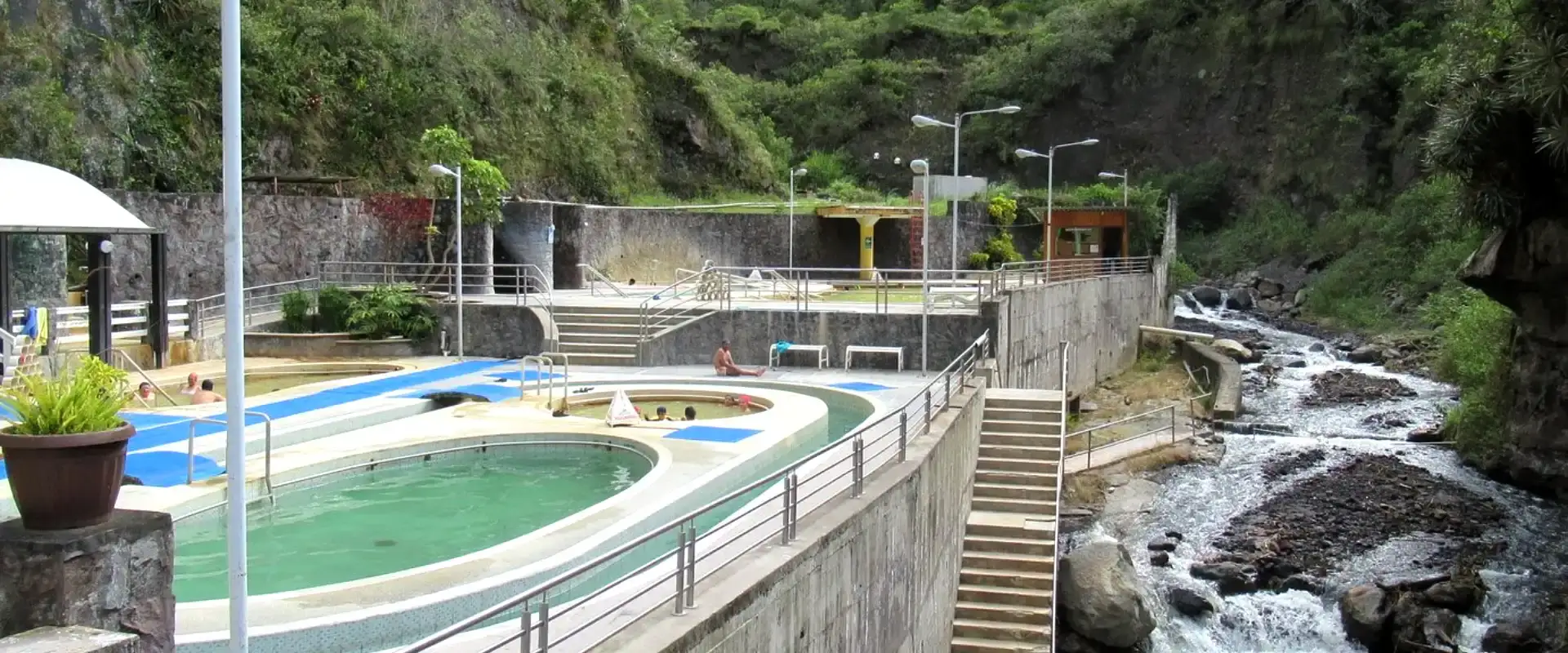
Baños has four public thermal complexes, all run by the town. They share the same price: $4 for adults and $2 for children, according to the Tungurahua tourism board. The hours are what really separates them, and two of them only open some days of the week.
| Complex | Where | Hours | Good for |
|---|---|---|---|
| Termas de la Virgen | In town, under the Cabellera de la Virgen waterfall (Montalvo and Luis A. Martínez) | Daily 5:00-16:30 and 18:00-21:30 | A first soak, early mornings, night bathing |
| Termas El Salado | Av. El Salado, about 2 km from the center | Daily from 5:00 into the evening | Fewer tourists, river valley setting |
| Termas Santa Ana | Av. Amazonas, in front of the Samari hotel | Weekends and holidays 9:00-16:30 | Families on a Saturday |
| Balneario Santa Clara | Diego Jara street, in town | Wed-Thu 12:00-19:30, weekends and holidays 9:00-20:00 | Kids, a pool day more than a soak |
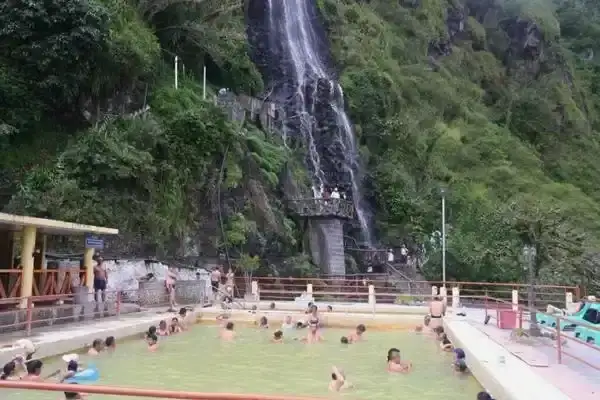
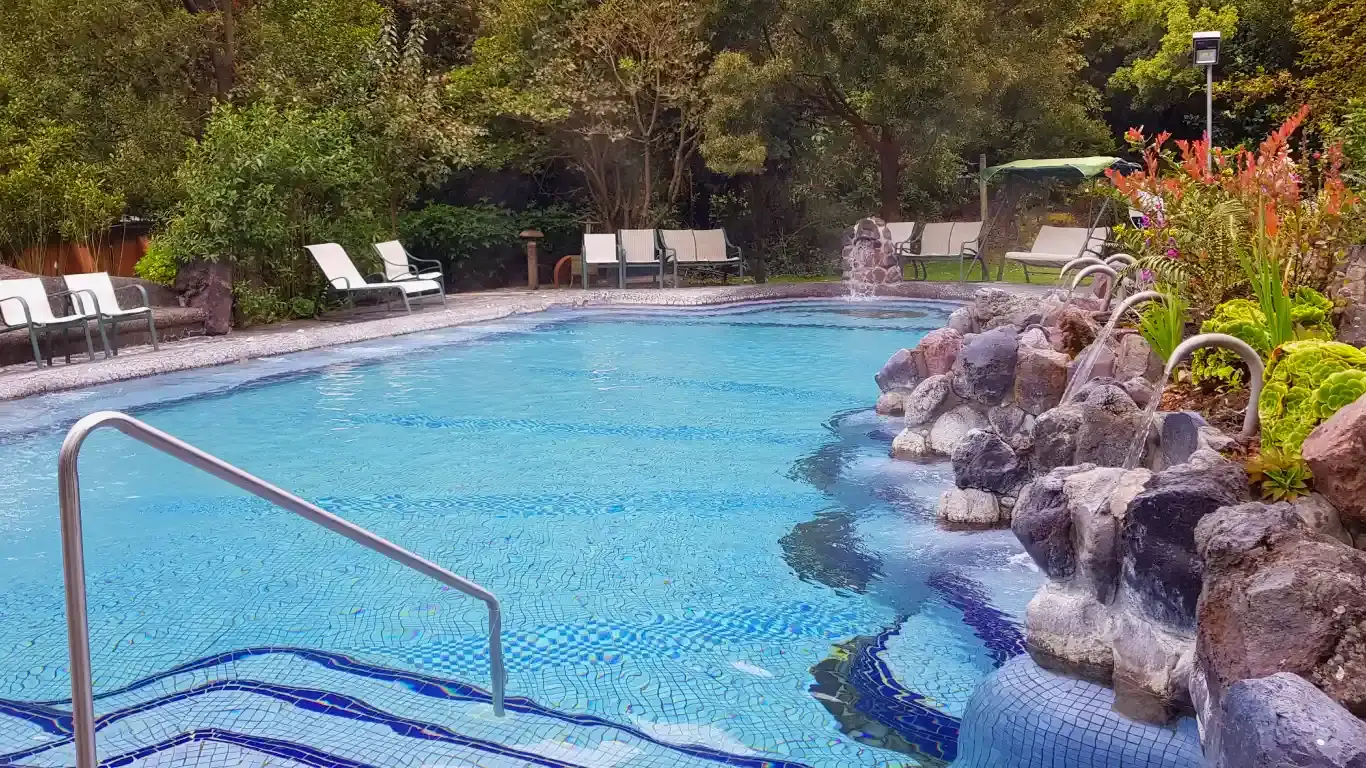
Termas de la Virgen is the one everybody knows. It sits right against the cliff at the end of the main streets, and the hottest pool reaches about 42°C (108°F). Next to it there is a recreational area with slides that children like. Go at 5 AM, when the steam comes off the water and you share it with a few locals. Between 10 AM and 3 PM on weekends it fills with families and school groups, and I skip it then.
El Salado is my pick when guests want something quieter. It is outside town in the valley, so you hear the river instead of traffic. A local bus leaves from Rocafuerte street behind the Mercado Central, or a taxi costs a dollar or two. Facilities are simpler, so bring your own soap and shampoo.
Santa Ana and Santa Clara are the ones visitors tend to miss. They suit families more than people looking for the hottest water, and you should check the opening days before you walk over.
Every public pool asks for a swimsuit and a swim cap. If you forget the cap, the shops around Termas de la Virgen sell them for little money. Carry cash in small bills; the ticket windows rarely change a $20.
Luna Volcán: the private spa option
Luna Volcán (it used to be called Luna Runtún) is a hotel and spa on the slope above town. Its pools look straight down onto Baños, and it is the place couples book for an anniversary. It is a different kind of visit: you pay hotel and spa prices, not $4. Recent visitors report that you may need to book a spa treatment to use the pools if you are not staying there, so call or write before you go up.
How to soak without feeling dizzy
Start in a warm pool for 10 or 15 minutes. Then move to the hot one, but keep those dips short and get out if your head starts to spin. The cold plunge pools at Termas de la Virgen and El Salado are there for a reason: hot, cold, hot again is how locals do it. Drink water before and after. If you have a heart or blood pressure condition, ask your doctor before sitting in 42°C water.
Why Baños has hot springs: Tungurahua
The water is heated under Tungurahua volcano, which rises right above town. Its last long eruptive period began in 1999. That October the whole town was evacuated, and residents came back on their own on 5 January 2000, a date Baños still celebrates. The volcano has been much calmer for years, and Ecuador’s Instituto Geofísico (IGEPN) monitors it around the clock. The sulfur smell in the pools comes from that same system.
What to pack for the hot springs
- Swimsuit and a swim cap (mandatory in the public pools)
- A towel from your hotel and flip-flops
- Soap and shampoo if you go to El Salado
- Cash in small bills for the entry and the locker
- A light jacket for the walk back at night
Banos hot springs: adventure meets wellness in Ecuador
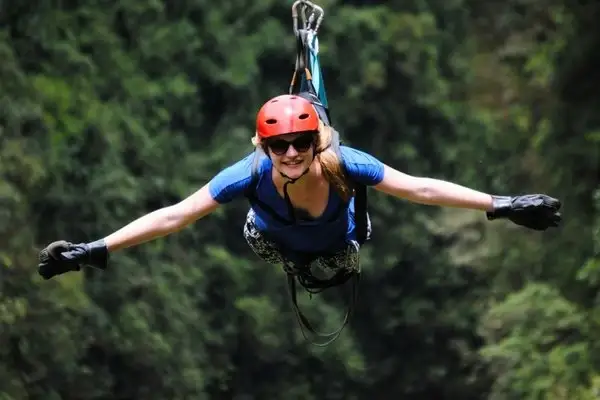
If you want silence and a massage table, go to Papallacta. If you want to soak in the morning and rappel a waterfall after lunch, Baños is the better pick. The thermal water is the base, and the rest of the day fills itself: climbing, canyoning, hiking, a meal with live music. I like the town for that mix, and most guests I bring here ask to stay an extra night.
Natural pools or public complexes?
Most hot springs in the Andes are a pool and a lodge. In Baños the water runs into the landscape. Some pools are fed by waterfalls, others sit beside the river in the canyon. The chemistry is ordinary for Ecuador; the location is what you pay for, or don’t, since several natural pools are free.
Crowds: the resorts are busier on weekends, and locals use the natural pools regularly, so call it a tie. Water quality: resorts are regularly maintained and natural pools are naturally filtered, so both are good. Resorts are better for comfort seekers, natural pools for adventure travelers. It depends on you.
Where to stay and what it costs
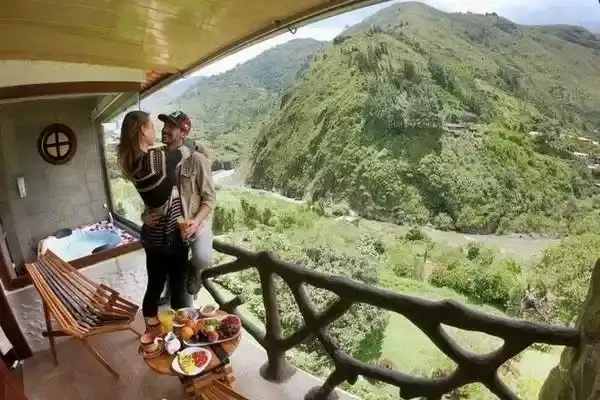
Baños has a lot of places to sleep now. Budget hostels run $15-30 per night, and most are clean and social. Mid-range hotels are $40-80; some look over the gorge. There are a few upscale places at $100+, but I don’t think they are worth it here. Most travelers end up paying $30-50 for a mid-range room with a private bathroom and hot water (yes, they still heat the shower water in a town full of thermal springs). Food is cheap. You’ll eat well on $8-12 per meal, from Ecuadorian plates to pizza and vegetarian food.
Nightlife in Baños
Baños is livelier than other mountain towns. There is live music most nights, and the restaurants fill with locals and visitors at the same tables. People from all over the world share hostels and plan the next day’s canyoning together. The bars are fun without being sleazy. You can find good beer, a club if you want to dance, or a quiet table to talk. I’ve seen shy solo travelers arrive alone and leave three days later with a group of friends. And Tungurahua volcano is right above town the whole time.

Best time to visit Baños
You can visit Baños all year, but there are patterns. December and January tend to bring clearer skies and good conditions for adventure sports. March through May has the most rain, fewer tourists and greener hills. June to September is dry but can get crowded. There are no harsh seasons, only changes in cloud and rain. The water temperature doesn’t change, since it is thermal. Crowds matter more than weather. For quiet, go in May or September. For a full activity schedule and more people around, go October to February.
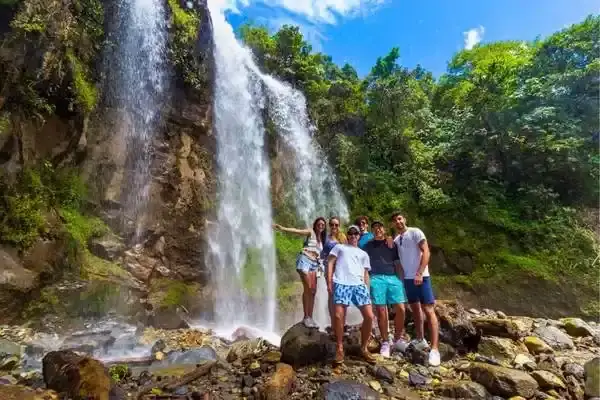
Tips for your time in Baños
- If you’re new to thermal water, start at a resort to get used to the heat, then try the natural pools.
- Get to the natural pools before 10 AM. You’ll have them almost to yourself, and the light is better.
- Book adventure activities through your hotel. Hotels often have deals with operators and get better rates.
- Spread the effort: canyoning early, hot springs at midday, a hike in the afternoon.
- Talk to other travelers. You’ll hear about new spots and routes every day.
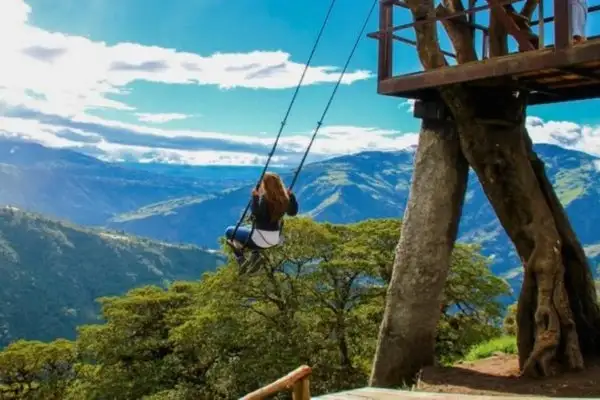
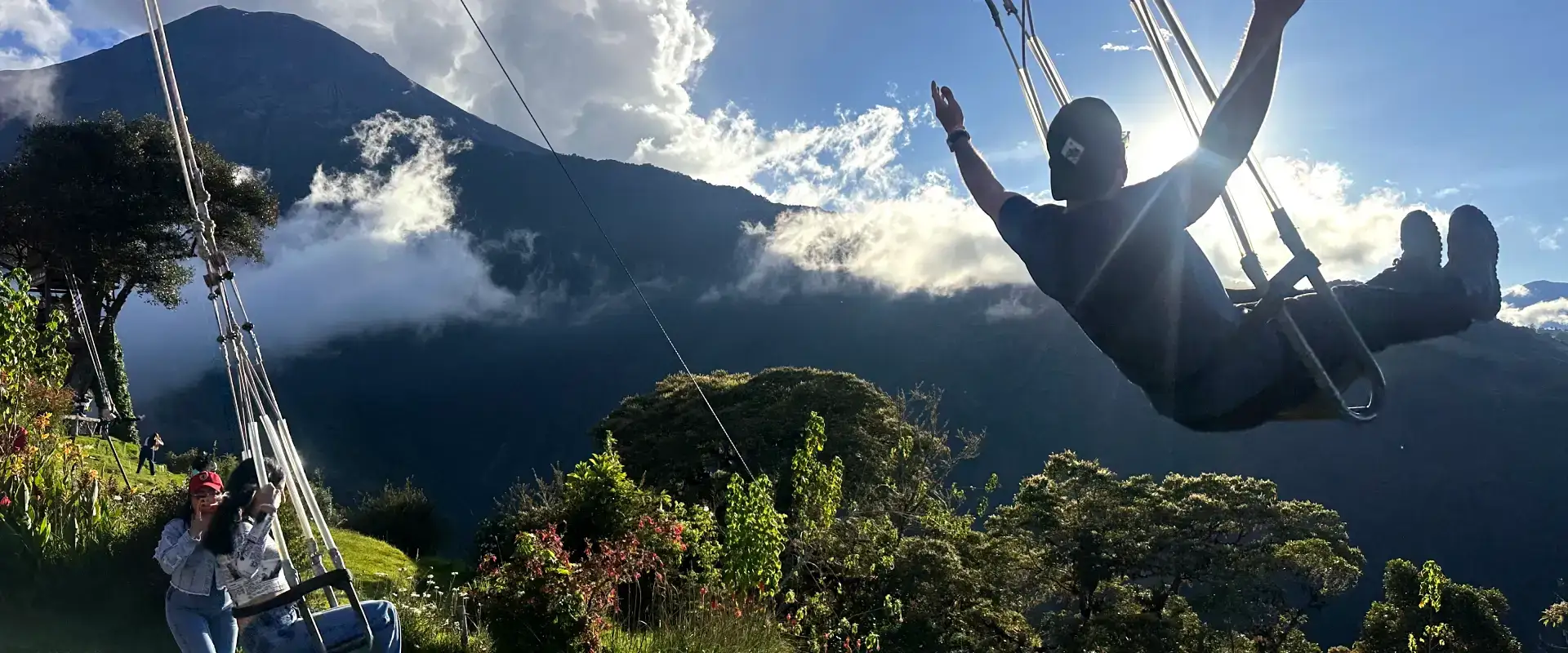
- Ride the swing at Casa del Árbol. It is a tourist thing now, but the view over Baños is very good.
- Be careful at the waterfalls. The natural pools look calm, but they are made by moving water. Stay away from strong currents.
Your Banos hot springs questions
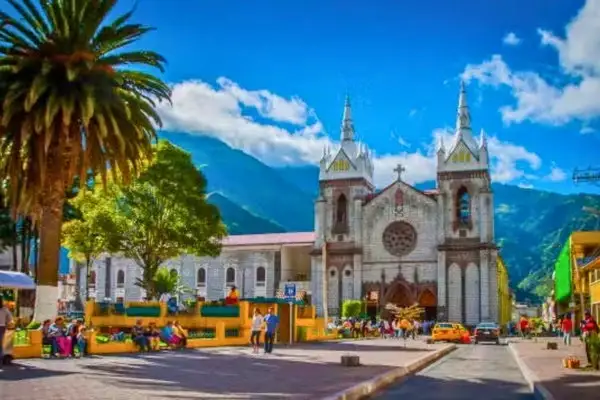
Start in Quito, end in the Galápagos
9 Day Ecuador and Galapagos Tour
Andes, Amazon and Santa Cruz
- 9 days
- Medium effort
From $1,990 per person
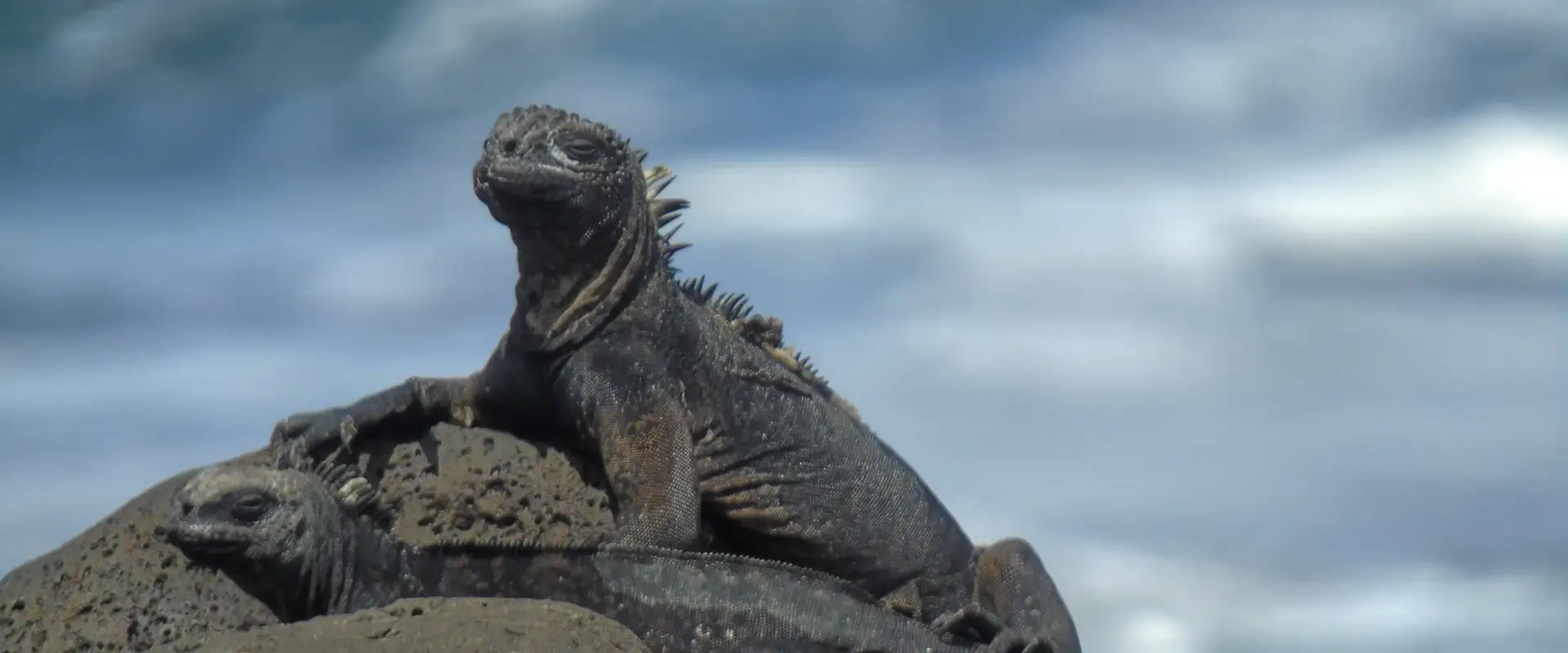
Pair it with the Galápagos: 9 Day Ecuador & Galápagos Tour
Is Baños safe for solo travelers?
Yes. Baños is one of Ecuador’s safest towns and has a big backpacker scene. Solo travelers join groups easily, and thousands pass through every year.
What’s the best way to get to Banos from Quito?
Take a bus from the Quitumbe terminal in south Quito. The trip takes about 3 hours 15 minutes to 3.5 hours, and Cooperativa Baños lists the fare at $4.80. Transportes Amazonas and Cooperativa Baños run departures through the day. A car with driver costs much more but picks you up at your hotel. Our Quito to Baños guide has the details.
How much do the Banos hot springs cost?
The four public complexes (Termas de la Virgen, El Salado, Santa Ana and Santa Clara) charge $4 for adults and $2 for children. Luna Volcán is a private spa and costs far more.
Do I need a swim cap?
Yes, in the public pools. Shops near Termas de la Virgen sell caps if you did not bring one.
Which is better, El Salado or Termas de la Virgen?
Termas de la Virgen is in town, opens at 5 AM and again at night, and sits under a waterfall. El Salado is about 2 km out, quieter and closer to the river. Same price, so pick by mood: convenience or calm.
Can I soak at night in Baños?
Yes. Termas de la Virgen reopens from 6 PM to 9:30 PM, and that evening session is busy with locals.
Do I need guides for the natural pools or can I explore alone?
You can visit the easy pools alone. For the remote ones or those down in a canyon, hire a guide. Guides know the safe routes and the best hours, and they keep you out of trouble. The $20-40 fee is worth it.
Can I do Banos as a day trip from Quito?
You can, but you lose most of the day on the road. The trip takes about 3.5 hours each way, which leaves maybe 3-4 hours in Baños. Stay at least 2 days. With 3-4 days you can slow down and see the place properly.
What activities should I definitely not miss?
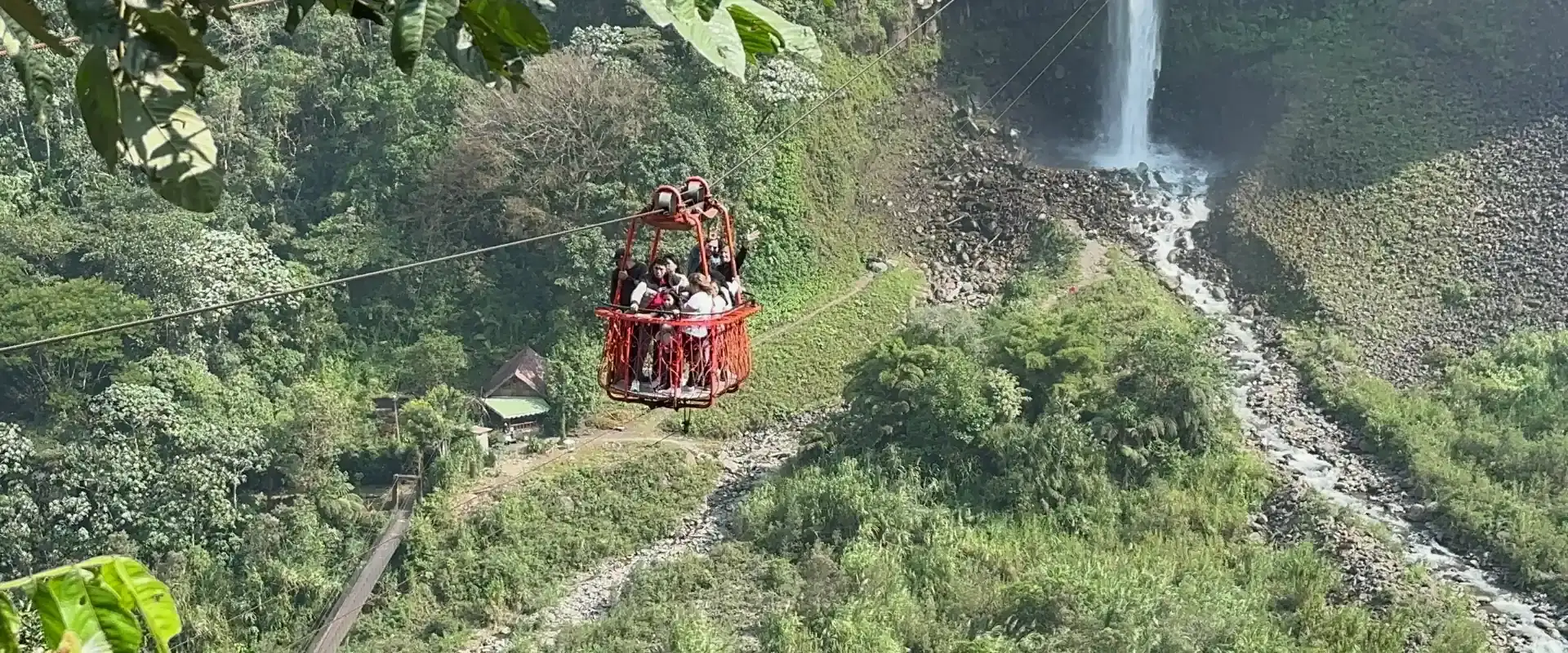
The Pailón del Diablo (Devil’s Cauldron) waterfall and a canyoning trip. One soak in a natural thermal pool at a waterfall. The Casa del Árbol swing. One meal where the locals eat. And one evening walking around town with no plan.
Is Baños the right fit for you?
Baños is a poor choice if you want a quiet spa. It works if you want to soak in thermal water in the morning and spend the afternoon on a rope or a bike. For most of my guests, the hot springs end up being one part of the trip, not all of it.
To book Baños, contact us. We arrange transport, activities and a place to stay.
More on hot springs in Ecuador
- 10 Best Hot Springs in Ecuador: Complete Comparison
- Papallacta vs Baños: Which Is Right for You?
- Papallacta Hot Springs: The Peaceful Alternative
- Hot Springs Near Quito: Day Trip Options
Useful external resources
For more on the Banos hot springs and the rest of the region, see the guides above or write to us and a local guide will help you plan.
Keep reading
 Baños Day Trip from Quito – Waterfalls, Adventure & the Famous SwingPlanning a banos day trip from quito? Here is how to get there, which waterfalls to see, what the famous swing is like and a timed plan for the day.
 Things to Do in Baños Ecuador: 13 Local Favorites for 2026Things to do in Baños Ecuador from a local: the Casa del Árbol swing, Pailón del Diablo, hot springs, the waterfall route, where to eat and safety tips.
 Papallacta Hot Springs Ecuador: Everything You Need to KnowPapallacta Hot Springs Ecuador: thermal pools at 3,250 m, 1 hour 15 minutes from Quito. 2026 prices at Termas de Papallacta, the spa, trails and how to get there.