Tena Ecuador: The Amazon Town Everyone Tells You to Skip
Short answer: yes, Tena Ecuador is worth the drive, but not for the reason most people expect. You will not get pristine primary rainforest here. What you get instead is the best whitewater in the country, a cave system you walk through waist-deep in water, Kichwa villages that actually run their own tourism, and river beaches locals swim in on Sundays. It is the Amazon you can reach by road in five hours, on a normal budget.
Andes, Amazon and Galápagos Island Hopping: 12 Day Tour
Need to Know
- Where: Napo Province, 510 m, where the Andes meet the Amazon basin
- From Quito: about 5 hours by road; bus $8, transfer around $120
- How long: 3 days minimum, 4 if you want Misahuallí and the caves
- Budget: $200 to $260 for 3 independent days including transport
- Best for: rafting, caves, waterfalls, Kichwa community tourism
- Not for: primary-forest wildlife. That is Cuyabeno or Yasuní
- Bring: quick-dry clothes, rain shell, shoes you accept will get soaked, insect repellent
Is Tena Ecuador Actually in the Amazon?
You will read on forums that Tena is “secondary forest with no wildlife” and not the real Amazon. It is a fair complaint, half-told. Tena sits at about 510 metres in Napo Province, right where the Andean foothills drop into the Amazon basin, and Google answers the question plainly: yes, Tena is a city in the Amazon rainforest of Ecuador.
What is true is that the forest immediately around town has been logged and farmed for generations. If your one goal is to sit in a canoe at dawn and count macaws over untouched canopy, book Cuyabeno or Yasuní instead and skip the rest of this page. We will not pretend otherwise.
What is also true is that the rivers here are the point. As Wikipedia notes in its entry on Tena, the jungle rivers on the Amazon side of the Andes carry bigger and far more consistent flows than anything on the western slope. That is a geographic fact, and it is why the rafting community moved here and stayed. Tena is not a watered-down Yasuní. It is a different product.
How Do You Get to Tena from Quito?
Getting to Tena Ecuador is roughly five hours by road, and the road is good. Buses leave Quito’s Quitumbe terminal through the day and cost around $8. A transfer runs closer to $120 for the car, which makes sense for three or four people.
The drive itself is half the reason to go overland. You climb past Papallacta, cross the pass at over 4,000 metres, then drop through cloud forest into the Quijos valley and watch the vegetation change by the kilometre. Sit on the right side going down.
There is an airport at Ahuano, but it barely runs scheduled service. Do not plan around it. And skip the idea of flying to Coca and doubling back, that is five more hours on a different road.
Rafting Ecuador: Why Tena Owns the Whitewater
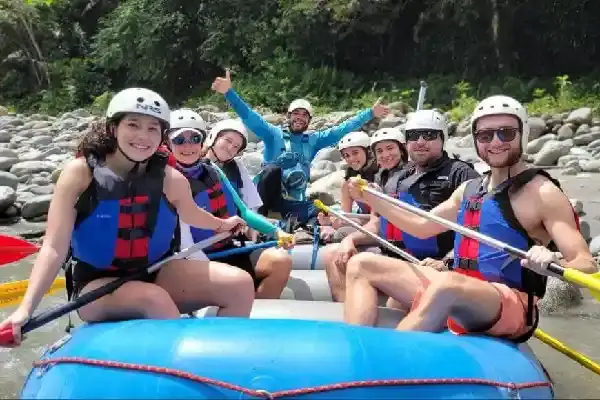
If you only do one thing here, do this. When people talk about rafting Ecuador has to offer, they usually mean Baños, because Baños is closer to Quito and better marketed. The rafting community rates Tena higher, and the rivers explain why. Working out how many days you need? Send us your dates and we will come back with a plan.
The Jatunyacu is the classic first-timer run: Class III, big friendly waves, warm water, about four hours on the river with a riverside lunch. No experience needed. Around $70 to $90 per person with a reputable operator.
Step up and you get the Jondachi (Class III+ to IV, technical, tight), the Hollín, and the Anzu. Serious paddlers come for the Quijos, which hosted the World Rafting Championships in 2005 and runs 45 kilometres of Class III-IV.
One rule: ask your operator whether the guides are certified and how many safety kayakers come along. The good ones answer immediately. The cheap ones change the subject.
What Are the Best Things to Do in Tena Ecuador?
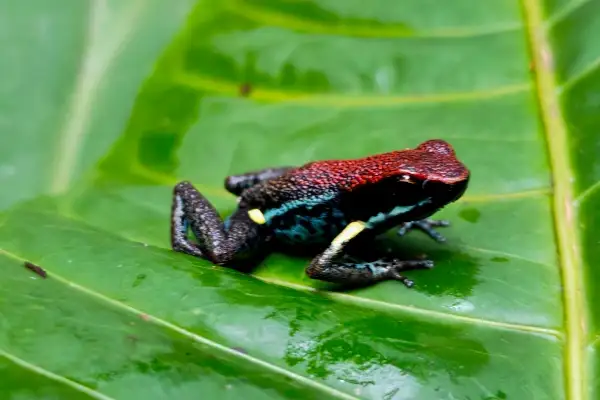
Google groups the things to do in Tena Ecuador into three buckets, and honestly that is the right way to plan your days. Pick one from each.
Water and river adventures
- Rafting the Jatunyacu — the half-day everyone should do, Class III.
- Tubing the Misahuallí — cheaper, slower, still fun, about $15.
- Laguna Azul — a swimming hole with a rope swing, 40 minutes out of town.
- The river balnearios — Las Sogas, Shitic, Pano. Free, local, busy on Sundays.
Wildlife and nature
- AmaZOOnico — a genuine rescue centre near Ahuano with 200-plus confiscated animals. Reached by canoe. Not a zoo.
- Parque Amazónico La Isla — 24 hectares on the island where the Pano and Tena rivers meet, in the middle of town.
- Cascada de Latas — a chain of falls and natural slides on the Misahuallí road.
- Sumaco Napo-Galeras — a UNESCO biosphere reserve for anyone who wants a real multi-day trek.
Culture and local sights
- A guayusa ceremony at dawn with a Kichwa family. The RICANCIE network runs several community projects around Tena.
- Kallari chocolate — a cacao cooperative you can visit; the bar you buy is made by the growers.
- Maito de tilapia — fish wrapped in bijao leaf and grilled. Eat it at the market, not at a hotel.
- The Jumandy monument and the malecón — twenty minutes, worth it for the river view.
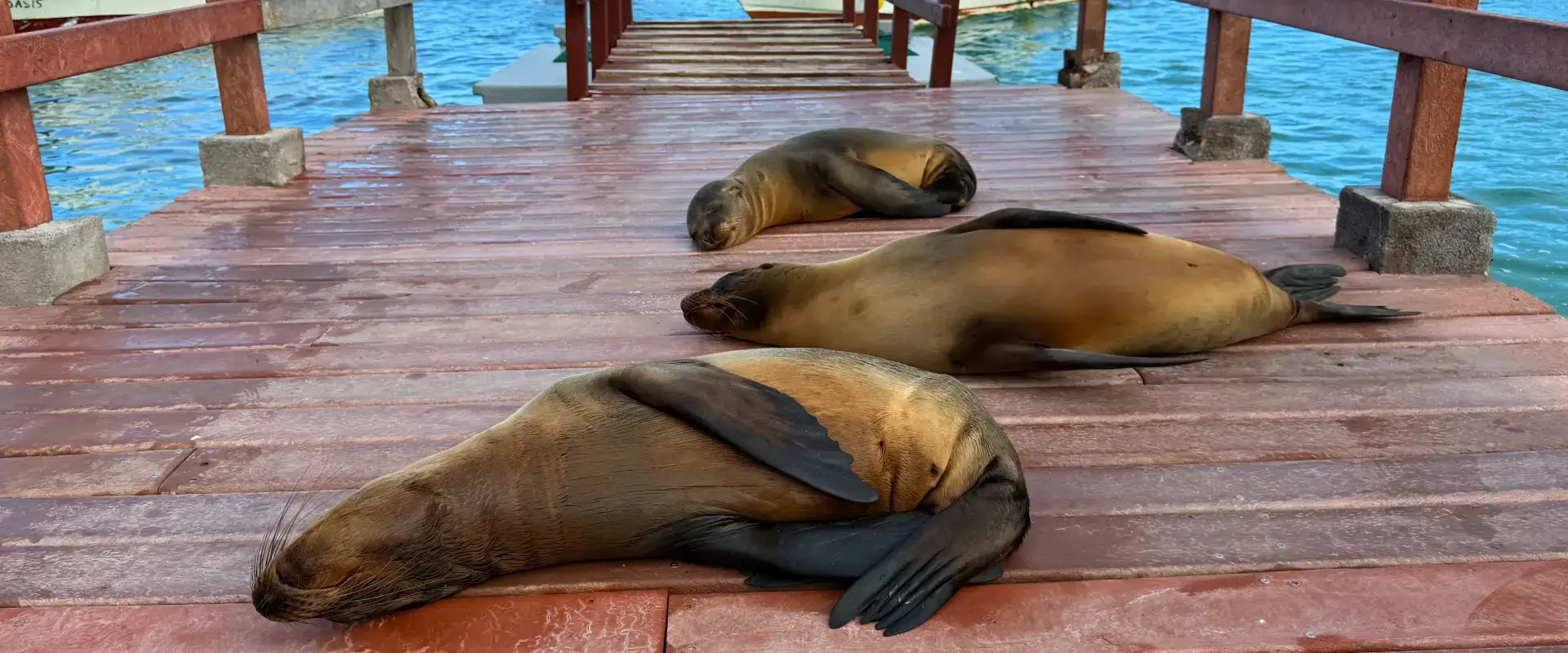
LOCAL GUIDE AND DRIVER, EVERY DAY
12 Day Ecuador and Galapagos Tour: Andes, Amazon and Island Hopping
The Andes and the Amazon with your own guide and driver from Quito, then a week of island hopping on Santa Cruz and Isabela with a yacht day.
From $2,690 per person
View itineraryMisahuallí Ecuador: Monkeys, a River Beach and the Canoe Ride
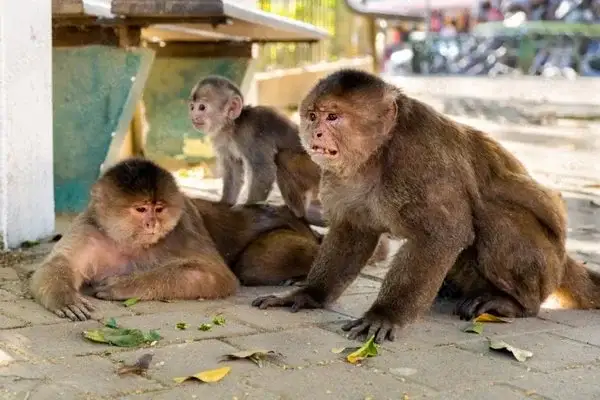
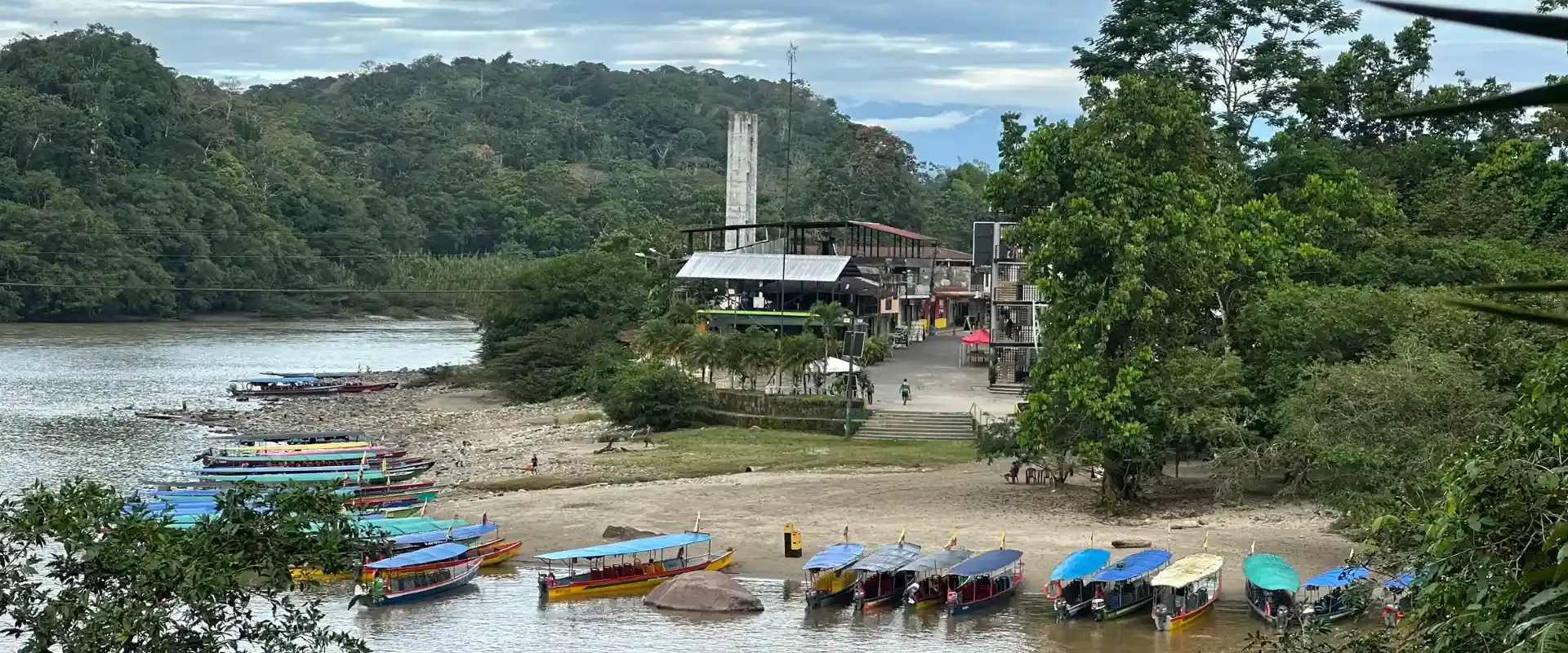
Misahuallí Ecuador is a 45-minute ride from Tena and it is the postcard everyone comes back with: a sandy river beach where the Misahuallí meets the Napo, a plaza full of capuchin monkeys, and a bronze statue of one of them.
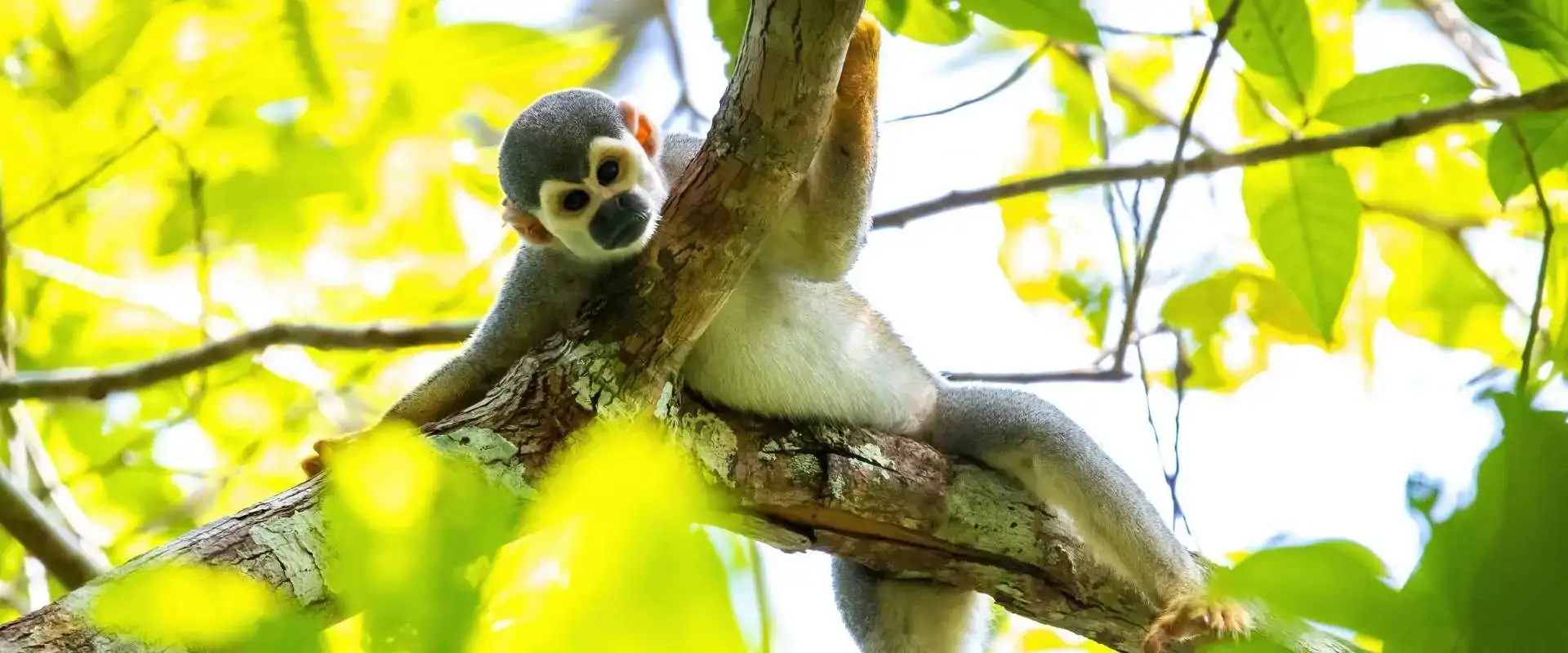
Be straight with yourself about the monkeys. They are wild, they are habituated, and they will unzip your bag. Do not feed them, do not pose with them, keep sunglasses in a pocket. Watching them raid an unattended breakfast table is free entertainment for an hour.
The real reason to come is that Misahuallí is where the motorised canoes leave. Half-day trips downriver run about $30 to $50 per person and stop at community projects, AmaZOOnico, or a stretch of jungle trail. This is also where the multi-day trips deeper into the Napo start.
Are the Jumandy Caves Worth It?
Yes, if you are comfortable getting properly wet. The Cavernas Jumandy sit near Archidona, about 20 minutes north, and run roughly 1,900 metres of galleries. The full circuit takes about five hours; the short version is closer to one.
You wade, you duck, at one point you are in water to your chest. Helmet and headlamp come with the guide, around $10 to $15. Wear shoes you can soak and leave anything electronic behind.
The name comes from Jumandy, the Kichwa leader who led the 1578 uprising against the Spanish and, the story goes, hid his people in these caves. Your guide will tell it better than any sign does. There is a pool-and-slide complex at the entrance that is pure local weekend fun and has nothing to do with the caves.
Tena Ecuador Hotels and Jungle Lodges: Where to Sleep
Tena Ecuador hotels split cleanly into three tiers, and the tier you pick changes the trip more than the town does.
- In town, $15 to $40. Hostels and small hotels near the malecón. Walk to the bus, the market and the rafting offices. This is the right call if you came to paddle.
- River lodges, $60 to $150. Cotococha, Itamandi, Suchipakari, La Casa del Suizo and a dozen more strung along the Napo. Meals and guided walks usually included. Twenty to sixty minutes from town.
- Design lodges, $150 and up. Hamadryade and a handful of others, for people who want the jungle with a pool and a wine list.
Book the lodges direct or through an operator that has actually been there. Booking sites list a lot of “jungle lodges” in Tena that are motels with a plant in the lobby.
What Will Tena Cost You?
- Bus from Quito: $8 each way
- Bed in town: $15 to $40 a night
- River lodge with meals: $60 to $150 a night
- Rafting the Jatunyacu: $70 to $90
- Jumandy Caves with a guide: $10 to $15
- Canoe trip from Misahuallí: $30 to $50
- A plate of maito at the market: $5 to $7
Three days done independently, staying in town and doing one rafting day, lands around $200 to $260 per person including transport. That is roughly a third of what the same three days cost in Cuyabeno or Yasuní, where the lodge price is fixed and includes everything because there is nowhere else to spend money.
When Should You Go?
Tena Ecuador has an Af climate, which is a technical way of saying it rains all year. About 4,900 millimetres of it. There is no dry season to wait for.
What changes is the rivers. Heavy rain in June and July pushes the whitewater up and some runs close for a day. October through February is generally lower and warmer, which is easier for first-time rafters. Whenever you go, expect an afternoon downpour and pack accordingly: quick-dry everything, a rain shell, and shoes you accept will be wet by day two.
The mosquitoes are real but manageable at this altitude. Yellow fever vaccination is recommended for the Ecuadorian Amazon and should be done at least 10 days before you arrive. Ask a travel clinic about malaria prophylaxis, since the parasites here are chloroquine-resistant.
Tena, Cuyabeno or Yasuní?
This is the question everyone actually has once Tena Ecuador is on the shortlist, so here is the honest split between the three Amazon gateways Ecuador offers.
Pick Tena if you have three or four days, a normal budget, and you want to do things: paddle, caving, community visits, waterfalls. Road-accessible, cheapest, most active.
Pick Cuyabeno if you want flooded forest and concentrated wildlife on a mid-range budget. Flooded lagoons mean animals come to the water, so sightings are reliable. You fly to Lago Agrio and continue by canoe.
Pick Yasuní if wildlife is the whole point, you have four or five days, and money is not the constraint. It is terra firma primary forest and the most biodiverse place on the planet. You fly to Coca and continue by canoe for hours.
If you are still deciding at the region level, our complete Ecuador Amazon rainforest guide compares all of it, and the Amazon lodges roundup goes lodge by lodge. For what you will actually see once you are out there, read the Ecuador Amazon wildlife guide.
Most travellers who come this far pair the mainland with the islands, and that is the trip people remember.
Quick Answers
Is Tena in the Amazon?
Yes. Tena is the capital of Napo Province and sits inside the Ecuadorian Amazon, at the point where the Andean foothills drop into the Amazon basin at about 510 metres. The forest around the town is secondary rather than primary, but the town itself is unambiguously Amazon.
Is Tena, Ecuador worth visiting?
It is, if you want an active, affordable Amazon trip you can reach by road. Tena gives you the best whitewater in Ecuador, the Jumandy caves, waterfalls and Kichwa community tourism for roughly a third of what Cuyabeno or Yasuní cost. If your only goal is primary-forest wildlife, go to Yasuní instead.
What to do in Tena, Ecuador?
Raft the Jatunyacu, walk through the Jumandy caves, take the canoe from Misahuallí, visit the AmaZOOnico rescue centre, swim at Laguna Azul or one of the river balnearios, and sit in on a dawn guayusa ceremony with a Kichwa family.
How safe is Tena, Ecuador?
Tena is calmer than Ecuador’s big coastal cities and is generally considered safe for travellers. The realistic risks are opportunistic theft and the rainforest itself: rivers rise fast, trails get slick, and a certified guide matters more here than a cheap price.
Do you need malaria pills for Tena, Ecuador?
Antimalarials are commonly advised for the Ecuadorian Amazon, and the parasites here are chloroquine-resistant, so the older drug is not used. Yellow fever vaccination is recommended and needs to be done at least 10 days before you arrive. Ask a travel clinic about your specific route.
How do you get to Tena Ecuador from Quito?
By road in about five hours. Buses run through the day from Quito’s Quitumbe terminal for around $8; a transfer is closer to $120 for the vehicle. The route crosses the pass above Papallacta and drops through the Quijos valley.
What is the elevation of Tena Ecuador?
The town sits at roughly 510 metres above sea level, around 1,670 feet. That is low enough that altitude is a non-issue, and it is why the climate is hot and humid rather than Andean.
What is the climate in Tena Ecuador?
Tropical rainforest, wet all year, with roughly 4,900 millimetres of rain annually and no real dry season. Expect afternoon downpours in any month. River levels are higher around June and July and generally lower from October to February.
Is there white water rafting in Ecuador?
Yes, and Tena is the centre of it. The Jatunyacu runs Class III and suits beginners; the Jondachi and Hollín are Class III+ to IV; the nearby Quijos hosted the World Rafting Championships in 2005.
Before You Go
- Book the bus or transfer for a morning departure. You want to arrive with daylight.
- Confirm your rafting operator uses certified guides and sends safety kayakers.
- Pack quick-dry clothes, a rain shell and shoes you accept will get soaked.
- Get the yellow fever shot at least 10 days out, and ask a clinic about malaria pills.
- Bring cash. Card acceptance outside the main hotels is patchy.
- Leave a day for Misahuallí and the caves, not just the river.
- Decide honestly whether you came for adventure or for wildlife. If it is wildlife, book Yasuní.