Is Cuenca Safe in 2026? An Honest Local Safety Guide
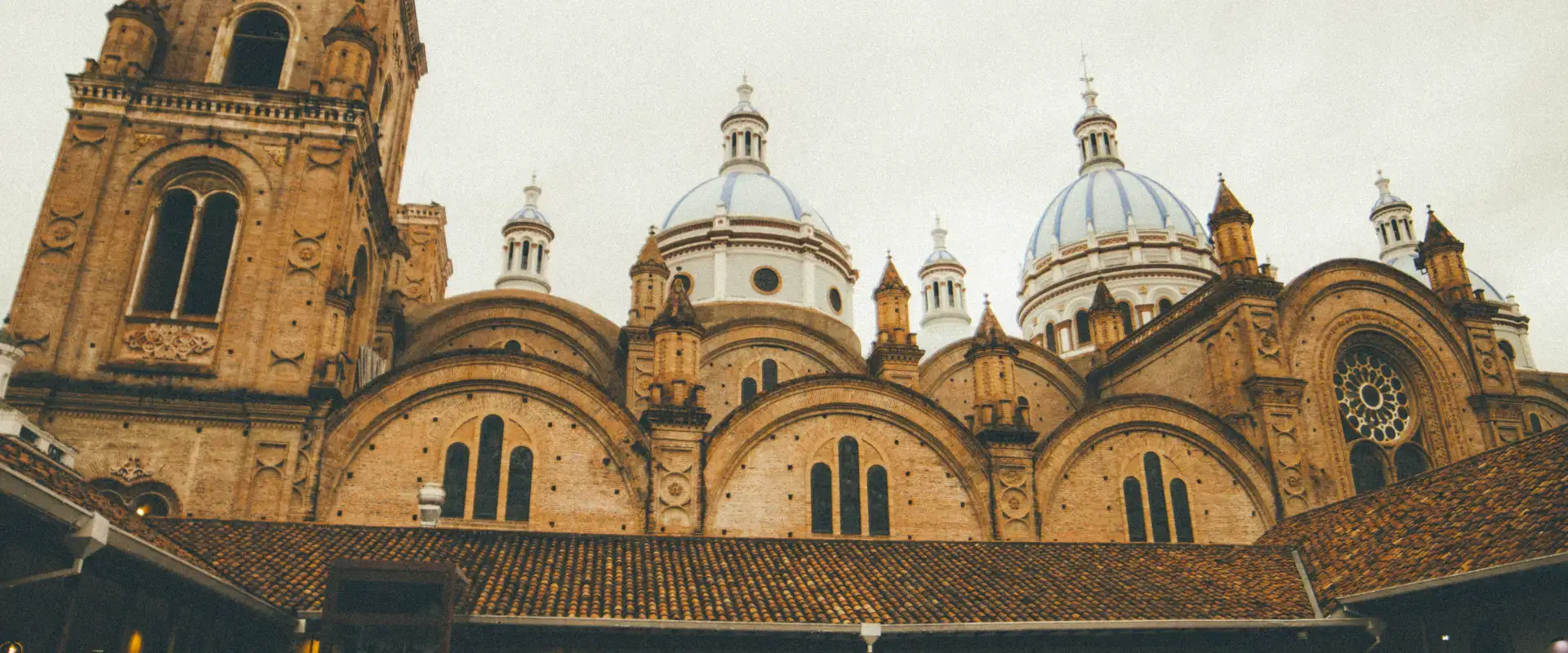
Is Cuenca safe? Yes, and I can say it without crossing my fingers: Cuenca is the safest big city in Ecuador, and it is not close. No US, UK or Australian government advisory restricts travel here, the crime numbers sit at a fraction of Quito’s and Guayaquil’s, and the historic center is the kind of place where the evening risk is overeating at a courtyard restaurant. This guide gives you the honest version: the real numbers, the few places that deserve caution, and the 2026 changes worth knowing.
It is part of our complete guide to Cuenca Ecuador, written for travelers rather than retirees; if you are weighing the whole country, start with Is Ecuador Safe to Visit.
Is Cuenca Safe? The Short Answer
- Advisories: Ecuador overall is US Level 2 (increased caution); every restricted zone is coastal or border. Cuenca and Azuay appear in none of them.
- Numbers: crime index 45.8 vs Quito 63 and Guayaquil 74.7; homicide rate around 3.4 per 100,000 vs a national figure over 50, numbers that rank Cuenca among the safest cities of its size in South America.
- Reality on the street: pickpocketing in crowded markets is the main tourist risk; violent crime is rare and concentrated in outlying barrios.
- Is Cuenca Ecuador safe in one line? Yes: normal European-city rules apply, nothing more.
Cuenca, the Volcanoes and the Galápagos: 14 Day Tour
What the Government Advisories Actually Say
Read the sources themselves and the pattern is loud. The US State Department advisory for Ecuador sets the country at Level 2 and reserves its Do Not Travel and Reconsider Travel zones for coastal and border areas: parts of Guayaquil, Esmeraldas and surrounding provinces. The UK FCDO advises against all but essential travel only to Esmeraldas, Guayas and Manabí, and Australia’s Smartraveller restricts Sucumbíos, Esmeraldas and Guayaquil city.
Cuenca is in none of those lists. Azuay’s only FCDO mention is about seasonal forest fires. The geography explains it: the gang violence that drove Ecuador’s headlines is a fight over cocaine ports and border corridors, and Cuenca, three hours into the southern Andes from the nearest restricted zone, has neither a port nor a border. That is not spin; it is why the war never moved here. Want this as part of a longer Ecuador trip? Tell us your dates and we will build it around you.
One national-scale caveat: strikes. During the September-October 2025 paro, roadblocks concentrated in the central highlands and the Cuenca-Molleturo road toward Guayaquil closed for stretches, while Cuenca itself stayed calm with food and fuel stable. The playbook if a paro hits your dates: avoid demonstrations, and check road status through ECU 911 channels before any inter-city leg.
Cuenca Crime Numbers vs Quito and Guayaquil
The comparative numbers are the clearest I have seen for any Ecuadorian city. Numbeo’s crowd-sourced index puts Cuenca at 45.8 for crime and 54.2 for safety, against 63/37 for Quito and 74.7/25.3 for Guayaquil. Official figures reported by Primicias put Cuenca’s homicide rate near 3.4 per 100,000 residents while the national rate passed 50, and Azuay’s 2025 homicides fell 58% year over year. For the city-by-city detail, see our guides to is Quito safe and is Guayaquil safe.
Now the honest part, because cuenca crime is not frozen in postcard time: early 2026 brought an uptick, with the first quarter matching half of all of 2025’s incidents, concentrated in the Chola Cuencana and Barrial Blanco barrios and tied to local drug-retail disputes. Those are residential districts with no tourist draw. It changes nothing about walking the colonial center; it is simply what a truthful safety guide includes.
TWO WEEKS, FULLY PLANNED
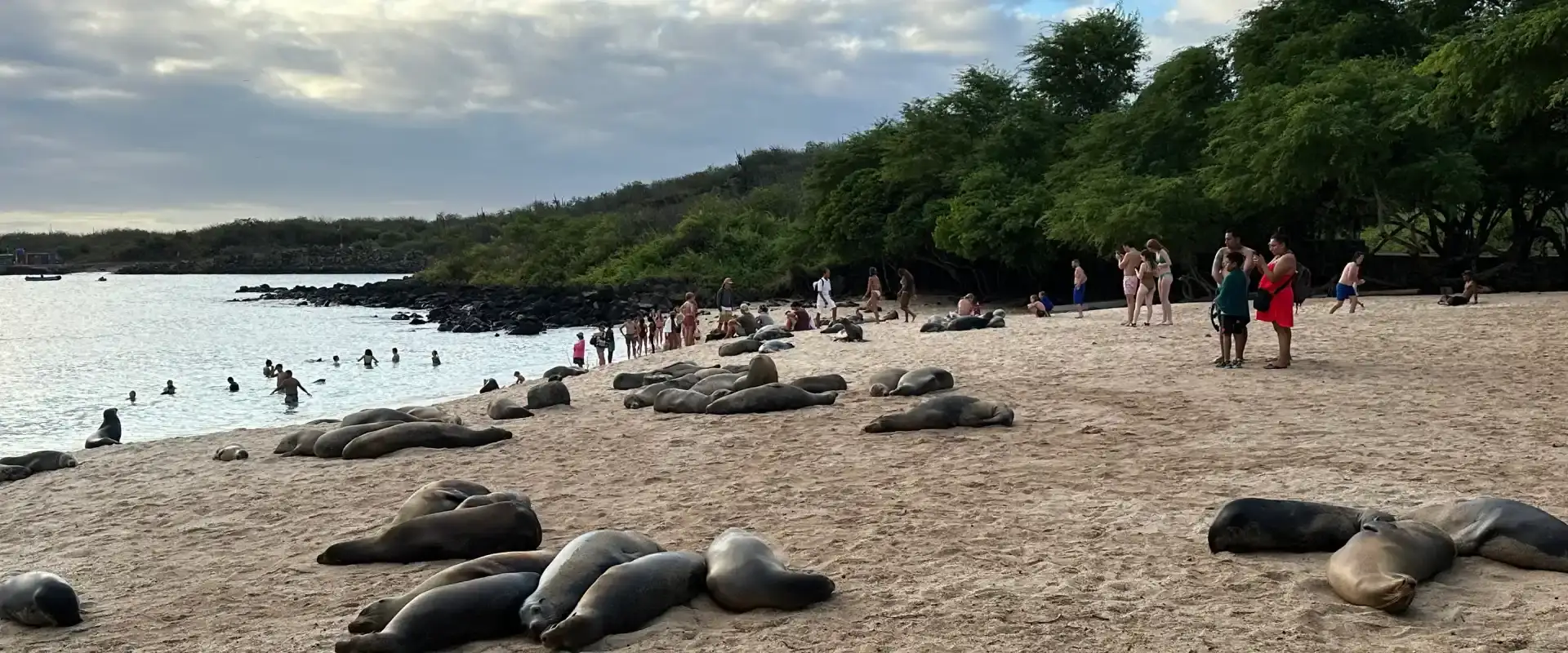
14 Day Ecuador and Galapagos Tour: Volcanoes, Cuenca and the Islands
Quito, Cotopaxi, Quilotoa, Chimborazo, Ingapirca and Cuenca, then a week on Santa Cruz and Isabela with a yacht day.
From $3,390 per person
View itineraryWhere to Be Careful: Zone by Zone
- Historic center and El Barranco: the safe zone, day and evening. Tourist police presence, constant foot traffic.
- Feria Libre / El Arenal market: Cuenca’s pickpocket capital. Go for the experience (the market-floor food is worth it), take day cash only.
- Terminal Terrestre: normal bus-station rules; watch bags at your feet, prebook your taxi out.
- Calle Larga at night: the bar strip. The risk is drink-related, not violent: never leave a glass unattended and buy your own.
- Motorcycle awareness: residents note occasional phone-snatching by riders on quiet streets; keep the phone holstered and walk facing traffic so nothing approaches from behind.
- ATMs: use machines inside banks or malls, never street-facing ones at night; for a large withdrawal, Ecuador’s 911 will even assign a police escort on request.
- Fake police scam: real officers do not demand street “document checks” of your wallet. Ask to walk to the nearest station; the fake ones evaporate.
- La Merced and the Terminal perimeter: the pickpocket-active pockets closest to the center; fine to cross, not where you book your room.
- Chola Cuencana / Barrial Blanco: the 2026 hotspots. Not on any tourist route; keep it that way.
Getting Around Safely: Taxis, Buses and Night Rules
Here is the practical layer that surprises arrivals: Uber does not operate in Cuenca. Locals use AzuTaxi and Cuenca Taxi, the municipal apps, or inDriver with cash; registered yellow taxis carry a municipality sticker and any hotel will call one at 4 am without drama. Rides across the city run $2-3, with meters starting around $1.50 by day and $1.75 at night. The modern Tranvía is the third option: clean, monitored, and it crosses the historic center, which makes it the easiest safe ride for daytime sightseeing.
For arrivals, the airport sits ten minutes from the center. Inter-city, the day buses to Quito and Guayaquil are routine (full route options in our Quito to Cuenca transport guide) (full route options in our Quito to Cuenca transport guide); the one consistent local rule is to skip overnight departures, when highway robbery is the risk that actually gets reported. In the rainy months, allow slack on the Guayaquil road: landslides on the Cajas stretch close lanes a few times a year.
- Emergency number: 911 nationwide (police, fire, ambulance), with the official ECU 911 app worth installing on arrival.
- Tourist police: Cuenca runs a dedicated Policía de Turismo in neon-green jackets patrolling the historic center between San Blas and San Sebastián, weekdays and weekend daytimes, alongside the municipal Guardia Ciudadana.
Is Cuenca Safe for Solo Female Travelers?
Ask in any travel forum which Ecuadorian city solo women actually recommend and Cuenca is the recurring answer: city life without the constant vigilance Quito demands. The center stays populated into the evening, harassment reports are low by regional standards, and day trips to Cajas National Park run on organized transport. Keep the universal three: registered taxis after dark, drinks in sight on Calle Larga, and no overnight buses alone.
Tap Water, Altitude and Health Safety
Two Cuenca quirks work in your favor. First, the tap water is treated to a standard residents drink straight from the faucet, which is nearly unique in Ecuador; on day trips outside the city, go back to bottled. Second, at 2,560 meters the altitude is gentler than Quito’s: most travelers feel no more than a slow first evening. Pharmacies are excellent and everywhere.
The one chemical caution repeated by every advisory is scopolamine-type drugging: accept nothing edible or drinkable from strangers, the same rule you would keep in any Latin American nightlife district. Two quieter health notes: the equatorial sun at altitude reaches UV index 11, so sunscreen is daily equipment, not beach gear; and carry real travel insurance with evacuation cover, because private hospitals ask for a card guarantee before treating you.
Frequently Asked Questions
Is Cuenca safe for tourists in 2026?
Yes. Cuenca remains the safest large city in Ecuador: no US, UK or Australian advisory restricts it, its crime index sits far below Quito and Guayaquil, and the tourist core is walkable day and evening with normal city awareness. The 2026 caveat is a rise in localized incidents in outlying barrios that tourists have no reason to visit.
Is Cuenca in the US State Department Do Not Travel zones?
No. The Level 4 and Level 3 zones in the Ecuador advisory are coastal and border areas such as parts of Guayaquil and Esmeraldas. Cuenca and Azuay province do not appear in any restricted list from the US, UK or Australia.
Is Cuenca safer than Quito and Guayaquil?
By every available measure, yes. Numbeo scores Cuenca 45.8 on crime versus 63 for Quito and nearly 75 for Guayaquil, and the city homicide rate of about 3.4 per 100,000 is a fraction of the national figure. Coastal port cities carry the gang conflict; Cuenca has no port and no border.
Is Cuenca safe for solo female travelers?
It is the Ecuadorian city solo female travelers consistently recommend to each other. The historic center is busy and well-lit into the evening. Keep the standard rules: registered taxis at night, watch your drink on Calle Larga, and skip overnight inter-city buses.
Can you walk in Cuenca at night?
In the tourist core, yes, until around 10 pm when the city visibly winds down. Parque Calderón and Calle Larga stay lively and lit. Beyond a few blocks, or after the bars, do what locals do and call a registered taxi; rides across town cost $2-3.
Does Uber work in Cuenca?
No. Use the local apps AzuTaxi or Cuenca Taxi, or inDriver, which works with cash. Registered yellow taxis carry a municipal registration sticker; your hotel can call one at any hour.
Can you drink the tap water in Cuenca?
Yes, and that is genuinely unusual for Ecuador. Cuenca treats its municipal water to a standard locals and long-term residents drink directly. On day trips outside the city, switch back to bottled.
Where do pickpockets operate in Cuenca?
Crowded commerce, not tourist plazas: the Feria Libre and El Arenal market area, the Terminal Terrestre bus station and packed city buses. Carry day cash in a front pocket, keep the phone off the café table edge, and stay aware around motorcycles on quiet streets.
Is the bus from Quito or Guayaquil to Cuenca safe?
Daytime buses on both routes are a normal, widely used option. Local advice is consistent: avoid overnight departures, when highway robberies are the main reported risk, and keep valuables on your body rather than in the overhead rack.
What number do you call in an emergency in Cuenca?
Dial 911, Ecuador’s unified emergency number for police, fire and ambulance, and consider installing the official ECU 911 app. In the historic center you can also flag the tourist police, who patrol in neon-green jackets between San Blas and San Sebastián.
Do national strikes affect Cuenca?
Occasionally, and indirectly. During the 2025 national strike Cuenca stayed calm, but the Guayaquil road over Cajas closed for stretches. If a paro coincides with your dates, avoid demonstrations and confirm inter-city road status through ECU 911 channels before traveling.
See Cuenca the Low-Stress Way
The simplest way to keep is cuenca safe for tourists a boring question is to arrive rested, with your nights booked and your day trips organized. Our 4-day Cotopaxi to Cuenca journey does exactly that, ending in the colonial center with time to enjoy it.