
Ecuador Travel Tips: What to Know Before You Go (2026)
Ecuador travel tips from people who live here: where to go, how long you need, what it costs, safety, money, altitude and the mistakes first-timers make.

the Quito Trips team, local guides in QuitoUpdated · 9 min read
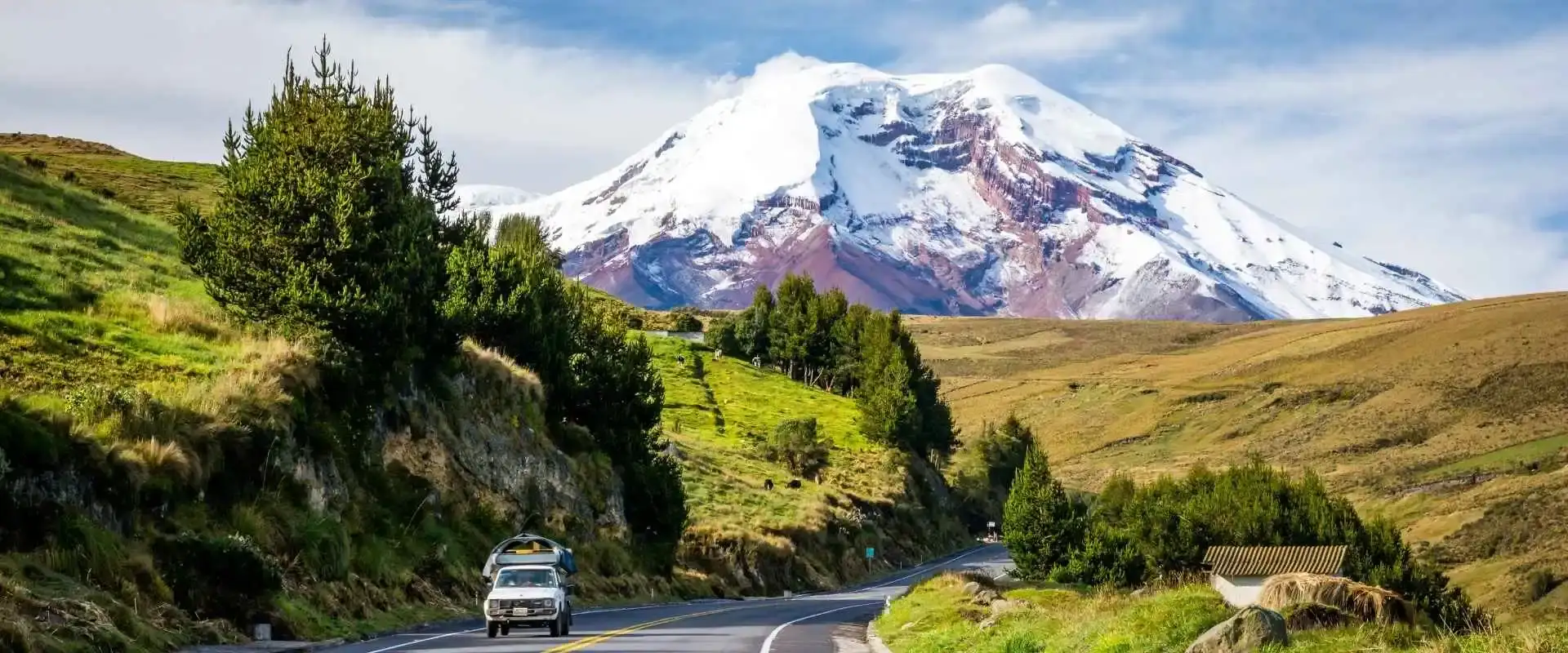
These Ecuador travel tips come from local guides in Quito: how long you need, what a trip costs, how to handle altitude, money and safety, and the mistakes first-time visitors make.
Ecuador is South America’s most underrated travel destination. In ten days you can hike volcanoes, sleep in an Amazon lodge, soak in hot springs, shop at indigenous markets, kayak a crater lake, snorkel with sea turtles and sharks in the Galapagos, and eat well in Quito. The whole country is roughly the size of Nevada. These Ecuador travel tips come from people who live here and plan trips every week: where to go, how long you need, what it costs, and what first-timers get wrong.
Why Ecuador: the quick pitch
Ecuador has four travel regions, and each one feels like a different country:
- The highlands (Sierra): Andean volcanoes, indigenous communities and markets, plus the best trekking in the country.
- The coast (Costa): Pacific beaches, small beach towns, surfing and coastal wildlife. See our ranked guide to Ecuador beaches.
- The Amazon (Oriente): rainforest lodges, wildlife and indigenous cultures.
- The Galapagos: an island ecosystem with wildlife you won’t see anywhere else, at premium prices.
Few countries pack this much into such a small area. Ecuador is also affordable. Budget travelers can do it for $30-50 USD a day, mid-range travelers for $80-150 USD, and there are good luxury options at $200-350 USD a day.
Best time to visit Ecuador
- Dry season (June-September, plus a shorter dry spell in December-January): the best weather and the most sun, which also means peak tourism, higher prices and more people. It is the most predictable window.
- Shoulder seasons (February and September, as the rains start or end): good weather, fewer crowds, fair prices. Often the best balance.
- Wet season (October-November, March-May): more rain and cloud, but fewer tourists and lower prices. You can still travel; just expect some grey afternoons.
You can visit Ecuador in any month. In many regions the weather changes more with elevation than with the season, so what you can do stays about the same all year.
10-day Ecuador itinerary (sample)
Days 1-3: Quito. Walk the colonial Old Town, visit a couple of museums and eat in the newer part of the city. Ride the cable car (Teleferico) for the view. For a day trip, go to the Otavalo market or the Papallacta hot springs.
Days 4-5: highlands. Pick one: the Otavalo market and nearby indigenous communities, the Quilotoa crater lake loop, or the Cotopaxi volcano. Each gives you a different side of the Andes. Want this as part of a longer Ecuador trip? Tell us your dates and we will build it around you.
Days 6-8: Amazon. Stay at a jungle lodge for wildlife spotting, canoe trips and visits to indigenous communities. It is not physically hard, and you spend most of the day outdoors.
Days 9-10: Galapagos or the coast. Either a short Galapagos trip (usually 4-5 days minimum) or a rest on the coast in Salinas or at a Pacific lodge.
Other ways to split the trip
- Mountains and trekking: Quito (2 days) + Quilotoa Loop (4 days) + Cotopaxi (2 days) + a spare day.
- Nature: Quito (1 day) + Amazon lodge (5 days) + Galapagos (4 days).
- On a budget: Quito (3 days) + Otavalo (2 days) + Baños (2 days) + the coast for the rest.
- Culture: Quito (3 days) + indigenous communities (3 days) + Amazon (4 days).
Regional guides
Quito is the capital, with a colonial Old Town, newer neighborhoods, museums and good restaurants. It is the base for acclimatizing and for day trips. Give it 2-3 days at least.
The highlands have volcanoes, indigenous villages, markets, hot springs and hiking. Otavalo, Quilotoa, Cotopaxi, Chimborazo and Papallacta are the usual stops. Plan 4-8 days.
In the Amazon you stay at a jungle lodge and go out for wildlife, river trips and community visits. A multi-day lodge package works best, and 4-5 days is enough to settle in.
The Galapagos means island-hopping and snorkeling with animals that aren’t afraid of you. It is expensive, and 4-5 days is the minimum. For most wildlife lovers, the cost is worth it.
The coast has beaches, surf towns and Pacific wildlife. It gets fewer visitors than the other regions, though that is changing.
Getting around Ecuador
Buses are how most Ecuadorians travel. The network is large and cheap ($2-8 USD per ride). They are slow, but they work, and long routes run overnight. Good if you are on a budget.
For domestic flights, LATAM and Avianca connect Quito with the Galapagos, the Amazon gateways and the main regional cities. Tickets cost more ($100-300 USD), but they save a lot of road time.
A rental car gives you freedom. You can also hire a driver or take taxis from point to point. Use established companies; driving yourself can be chaotic if you have never driven in Ecuador.
Many people book organized tours that bundle transport and activities. The operator handles logistics and you just show up.
Start in Quito, end in the Galápagos
9 Day Ecuador and Galapagos Tour
Andes, Amazon and Santa Cruz
- 9 days
- Medium effort
From $1,990 per person
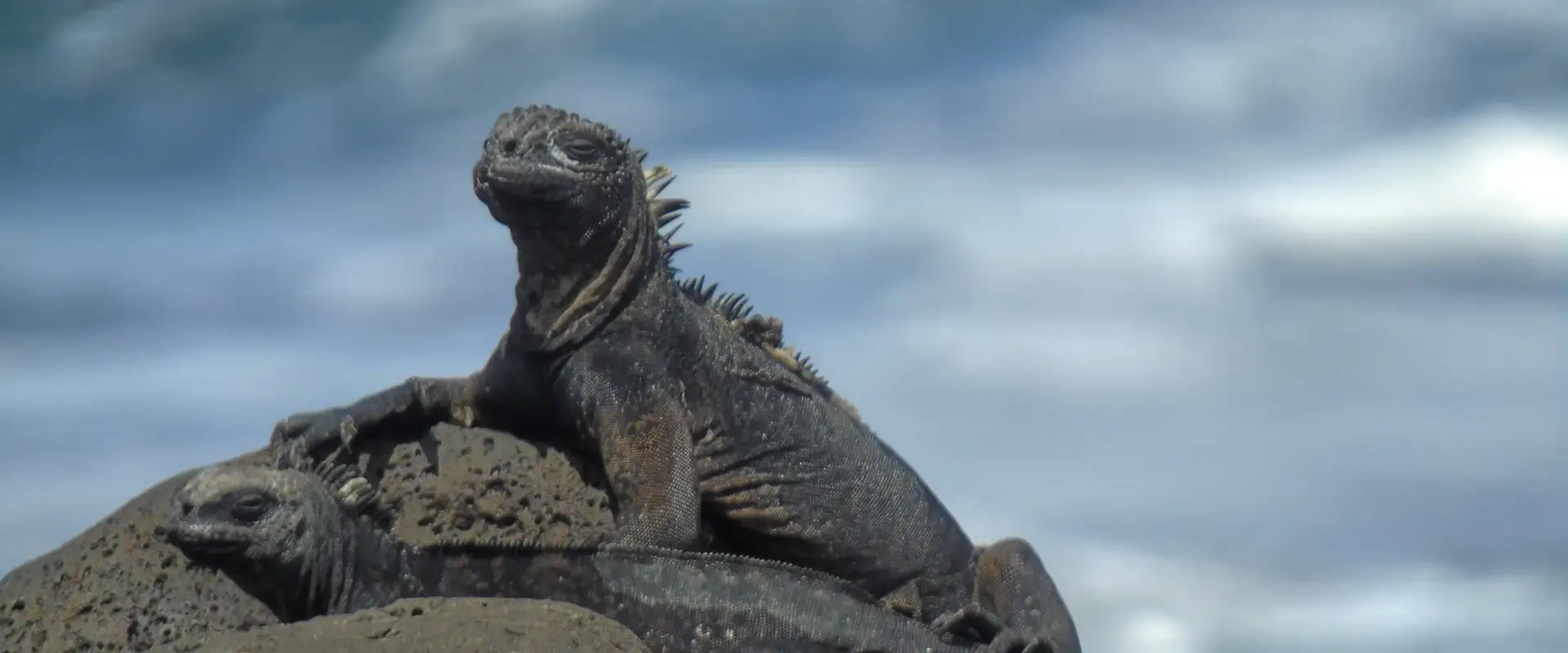
Pair it with the Galápagos: 9 Day Ecuador & Galápagos Tour
Practical information
Visas: most nationalities get a 90-day tourist stay on arrival. Check the rules for your passport before you fly.
Money: Ecuador uses the US dollar. ATMs are easy to find in cities. Carry cash for small towns and markets.
Language: Spanish. You will hear English in tourist areas, much less elsewhere. A few basic Spanish phrases go a long way.
Safety: Ecuador is generally safe for tourists who take normal precautions. Don’t show off expensive things, use official taxis or ride apps, watch your bag in crowds, and stay out of some neighborhoods after dark. Violent crime against tourists is rare. Petty theft is the usual problem.
Health: yellow fever vaccination is recommended for the Amazon, and some regions need malaria precautions. Get travel insurance. Hospitals in Quito and the big cities are fine.
Altitude: Quito (2,850m) and the rest of the highlands sit high. If you come from sea level you may feel it. For most people, 2-3 days of acclimatization takes care of it.
Tipping in Ecuador
Tipping in Ecuador is lighter than in the US, and at sit-down restaurants part of it is already done for you. A 1971 decree, still in force, says first- and second-category hotels, bars and restaurants must add 10% to the bill as a tip for their staff, and that the money goes to the workers with no deductions (Decreto Supremo 1269). On the receipt it appears as “servicio” or “10% servicio”, next to the 15% IVA (sales tax).
So read the bill before you add anything. If the 10% is on it, the tip is paid, and an extra dollar or two in cash is only for service that stood out. Not every place charges it. Small family restaurants, the $3 to $4 almuerzo (set lunch) spots and market stalls usually leave it off, and nobody there expects a percentage. Locals round up or leave the coins. Some card machines also ask for a “propina” on top of the servicio: you can skip that screen when the 10% is already printed on the bill.
Outside restaurants nothing is regulated, so the numbers below are what we suggest to our own travelers after years of running trips. They are not an official scale, and none of them is compulsory.
| Who | What we suggest | How |
|---|---|---|
| Restaurant with 10% servicio on the bill | Nothing more, or $1 to $2 for great service | Cash, handed to the server |
| Restaurant without the 10% | Around 10% | Cash or on the card |
| Almuerzo spot or market stall | Round up, or leave the coins | Cash |
| Taxi | Round up to the next dollar | Not expected |
| Day-tour guide on the mainland | $5 to $10 per person in a group, more when the guide is just for your group | Cash at the end of the day |
| Driver on a tour just for your group | $3 to $5 per person per day | Cash, separate from the guide |
| Hotel housekeeping | $1 to $2 per night | Left in the room with a note |
| Porter or bellhop | $1 per bag | Cash |
| Amazon lodge guide and staff | Follow the lodge’s suggestion; many use a shared tip box | Cash on the last day |
| Galápagos cruise guide and crew | Follow the range in the boat’s briefing, which changes with the boat class | Envelopes on the last night |
Tip in US dollars and in cash, because a tip added to a card often never reaches the person who earned it. ATMs mostly hand out $20 bills and many small shops can’t break them, so swap a few for $1 and $5 bills at a supermarket on your first day. More on cash in our Ecuador currency guide. Heading to the islands? Put the cruise tips in the budget from the start, for the crew as well as the guide; our Galápagos travel guide covers the rest of the costs.
Budget planning
Budget ($30-50 USD a day): hostels ($15-25), street food and markets ($8-15), free or cheap sights, local buses. It can be done, but you have to be disciplined, and the Galapagos is out.
Mid-range ($80-150 USD a day): guesthouses ($40-70), restaurants ($15-25), organized activities ($30-80). This covers most of what Ecuador has to offer without stress.
Luxury ($200-350+ USD a day): upscale lodging ($100-200), fine dining ($50-100), premium tours and guides ($150-300).
The Galapagos adds $1,450-3,000 USD for 5 days, whatever your budget elsewhere.
Essential packing list
- Passport (obviously)
- Layers for big changes in elevation
- Good hiking shoes
- Light rain jacket (mountain weather changes fast)
- Sun protection (SPF 50+ sunscreen, hat, sunglasses)
- Medications (your prescriptions + basic first aid)
- Chargers and a power adapter if needed (Ecuador uses US-standard 110V outlets)
- Travel insurance documents
- Copies of important documents (passport, visas)
- Modest clothing (Ecuador is more conservative than some South American countries)
Going on to the islands? Our Galápagos packing list covers wetsuits, shoes for lava and the cash you need on arrival.
Ecuador’s distinct advantages
Few countries have the Amazon, the Andes, a coast and an island chain this close together.
Prices are low, so even budget travelers can see most of the country.
Roads and tourist services are decent, and most nationalities don’t need a visa in advance.
Indigenous communities keep their traditions alive. At markets like Otavalo you can talk with the people who made what you are buying.
Beyond the Galapagos, there are volcanoes, rainforest, cloud forest and hot springs. You won’t run out of things to do.
Ecuador travel tips: common mistakes to avoid
- Underestimating altitude. Don’t skip a couple of days in Quito first; altitude affects a lot of people.
- Planning too many kilometers a day. Mountain roads are slow.
- Skipping indigenous regions. Some of the best days in Ecuador happen away from tourist infrastructure.
- Being surprised by the Galapagos bill. It is expensive. Budget for it or leave it out.
- Traveling without insurance. A medical emergency abroad costs a lot.
- Arriving with no Spanish. Basic phrases make every day easier.
Still choosing where to go? Start with our list of places to visit in Ecuador.
Is Ecuador worth visiting?
Yes. Ecuador is cheap, varied and compact, so you can see several regions in a short trip. Budget travelers can afford it, and hikers and culture lovers both find plenty to do.
People call Ecuador the most underrated country in South America, and I think that is fair. Travelers who compare it with Peru or Colombia often find the experiences just as good, with lower prices and shorter travel times.
Leave some slack in your plan, respect local customs, and come ready for altitude and changing weather.
Want more? Read our full Ecuador travel guide, or reach out to our local team for help planning your trip.
Why choose Ecuador?
Ecuador has four travel regions (Andes, coast, Amazon and Galapagos) in a country you can cross by road in a day. It is also cheap: budget travelers get by on $30-50 USD a day and mid-range travelers on $80-150.
When is the best time to visit Ecuador?
Any month works. Weather here depends more on elevation than on the calendar, so most activities run all year.
Is Ecuador worth visiting?
Yes. It is good value, the distances are short, and you can see mountains, rainforest and coast in one trip. Budget travelers can afford it, and there is enough to keep both hikers and culture lovers busy.
Do you tip in Ecuador?
A little. Sit-down restaurants of first and second category add a 10% service charge that by law goes to the staff, so check the bill before tipping again. Outside restaurants, tips are small and voluntary: round up a taxi, leave $1 to $2 a night for housekeeping, and tip guides in cash at the end of the tour.
Is the 10% service charge in Ecuador a tip?
Yes. Decreto Supremo 1269 of 1971 sets the 10% as a tip for the workers of first and second category hotels, bars and restaurants, to be paid to them without deductions. If it is on your bill you have already tipped. Smaller places often do not charge it.
Keep reading
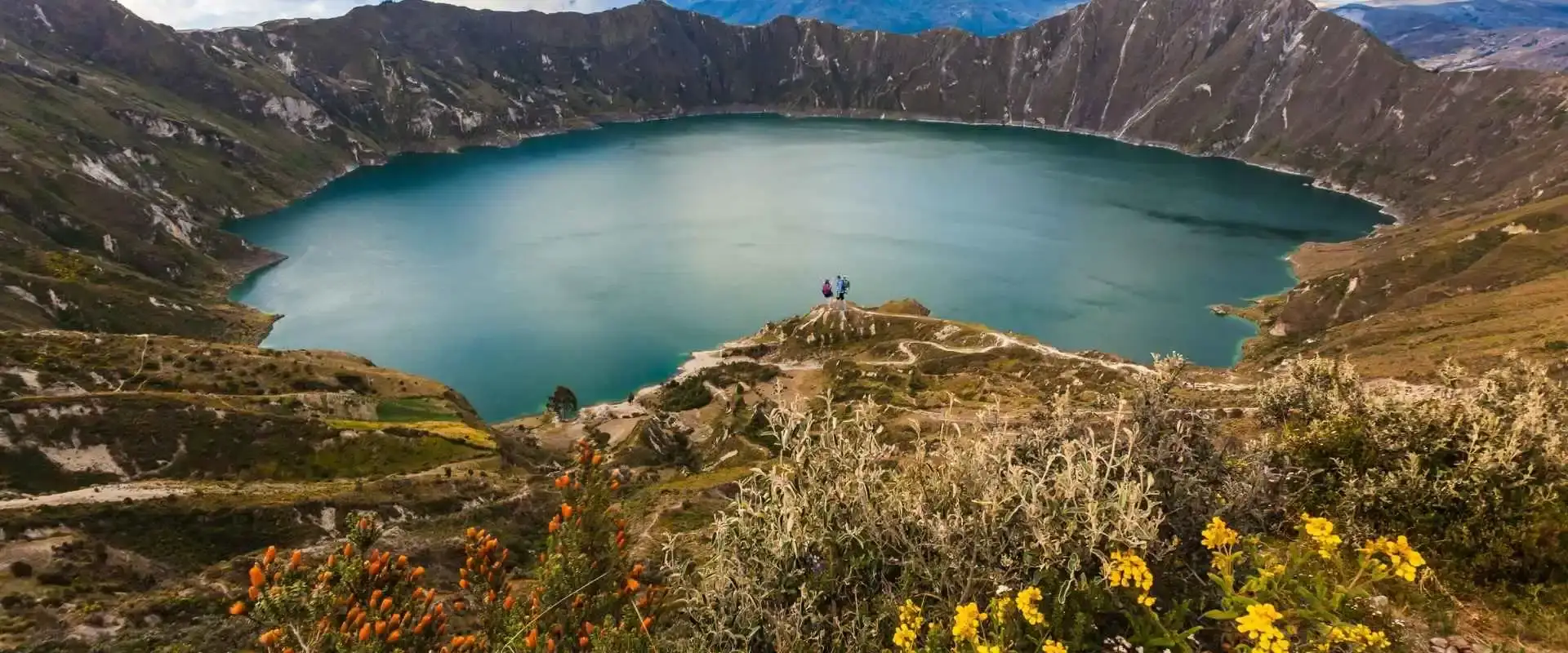 Things to Do in Ecuador: 20 Places to Visit, from Local GuidesThings to do in Ecuador from local guides in Quito: 20 places to visit in the Andes, the Amazon, the coast and the Galápagos, with times and prices.
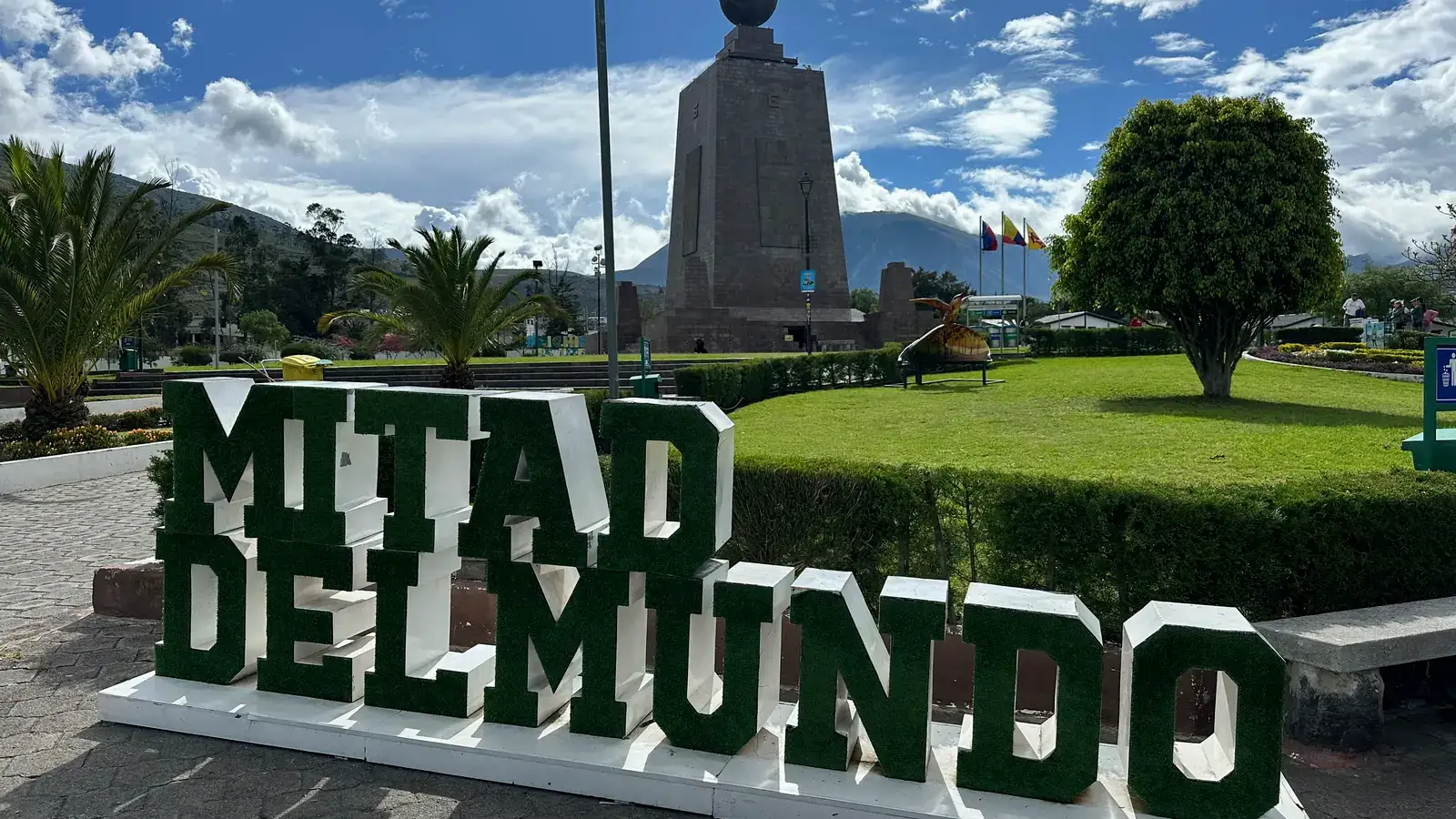 Where Is Ecuador Located? Map, Regions and the EquatorWhere is Ecuador located? On the northwest coast of South America, between Colombia and Peru, on the equator. Its 4 regions, time zone and flight times.
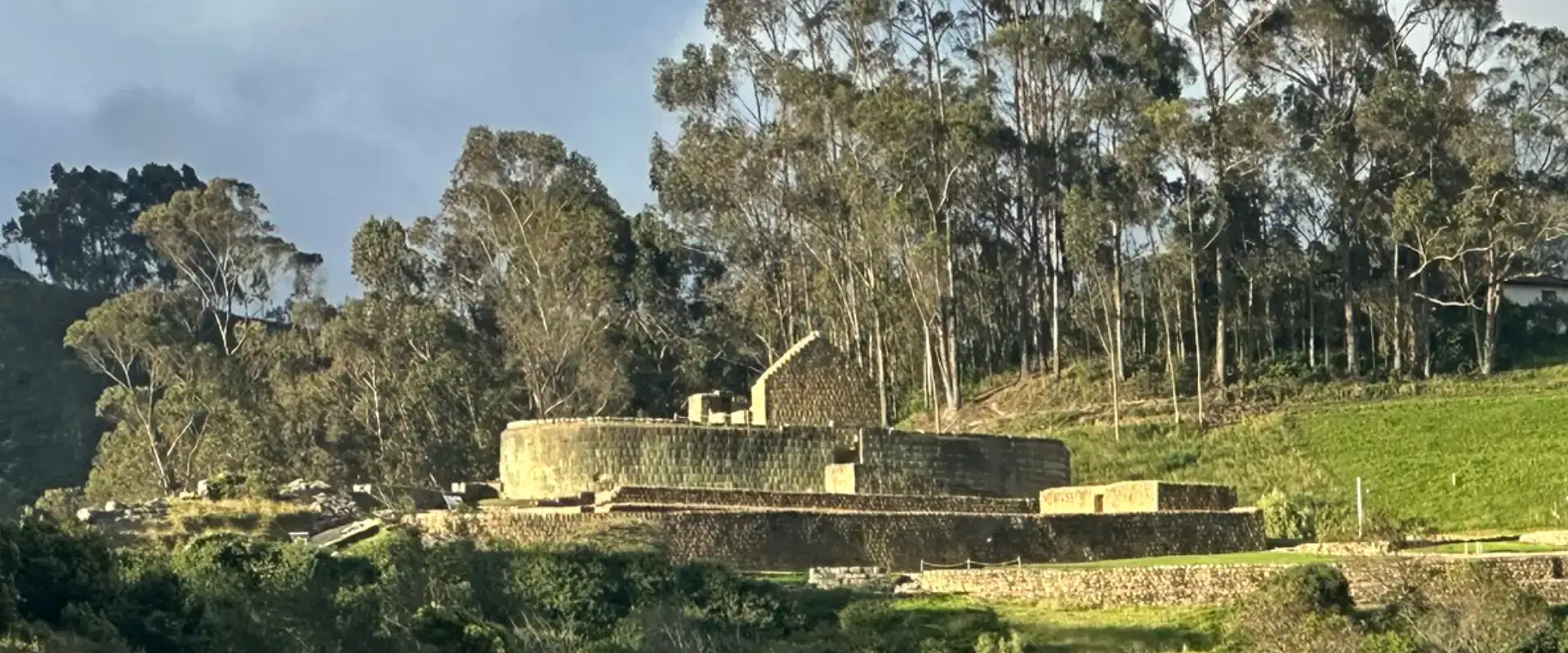 Ingapirca from Cuenca: The Ultimate Guide to Ecuador’s Inca Ruins (2026)Ingapirca from Cuenca with the current rules: the $2 ticket with guide included, Wednesday to Sunday hours and the honest tour vs bus math.