Cuenca Ecuador: 14 Things to Do in the Colonial Andean City
Cuenca Ecuador is the country’s third-largest city and the one I tell first-time visitors to add when they have more than ten days. It sits at 2,560 meters in a wide southern Andean valley, with a UNESCO-listed colonial center, four rivers running through town, panama-hat workshops, and Cajas National Park on its doorstep. The city is also a major North American expat hub — which means English is widely spoken and prices are higher than other Andean towns, but also that infrastructure is excellent and the food scene punches above its weight.
Cuenca Ecuador — officially Santa Ana de los Ríos de Cuenca — is the country’s third-largest city and the UNESCO-protected capital of Azuay province in the southern Andes. Where is Cuenca Ecuador? 432 km south of Quito, in a valley with four rivers. Cuenca sits at 2,560 m — eternal-spring climate, so the cuenca ecuador weather hovers between 9-22°C year-round. Is Cuenca Ecuador safe? Yes — one of the safest cities in the country. Plan 3-4 days minimum.
Cuenca, the Volcanoes and the Galápagos: 14 Day Tour
Cuenca Ecuador at a Glance
- Location: Southern Ecuadorian Andes, ~9 hours by bus from Quito or 50-min flight.
- Altitude: 2,560 m (8,400 ft) — slightly lower than Quito.
- Population: ~600,000 (Ecuador’s third-largest city).
- Famous for: UNESCO colonial center, panama hats (yes, they’re actually Ecuadorian), Cajas National Park.
- Climate: Cool year-round (10-22°C / 50-72°F). Two wet seasons.
- Time needed: 2-3 days minimum to do justice; 5+ for slow travelers.
- Best months: June-September (driest).
Where Is Cuenca Ecuador?
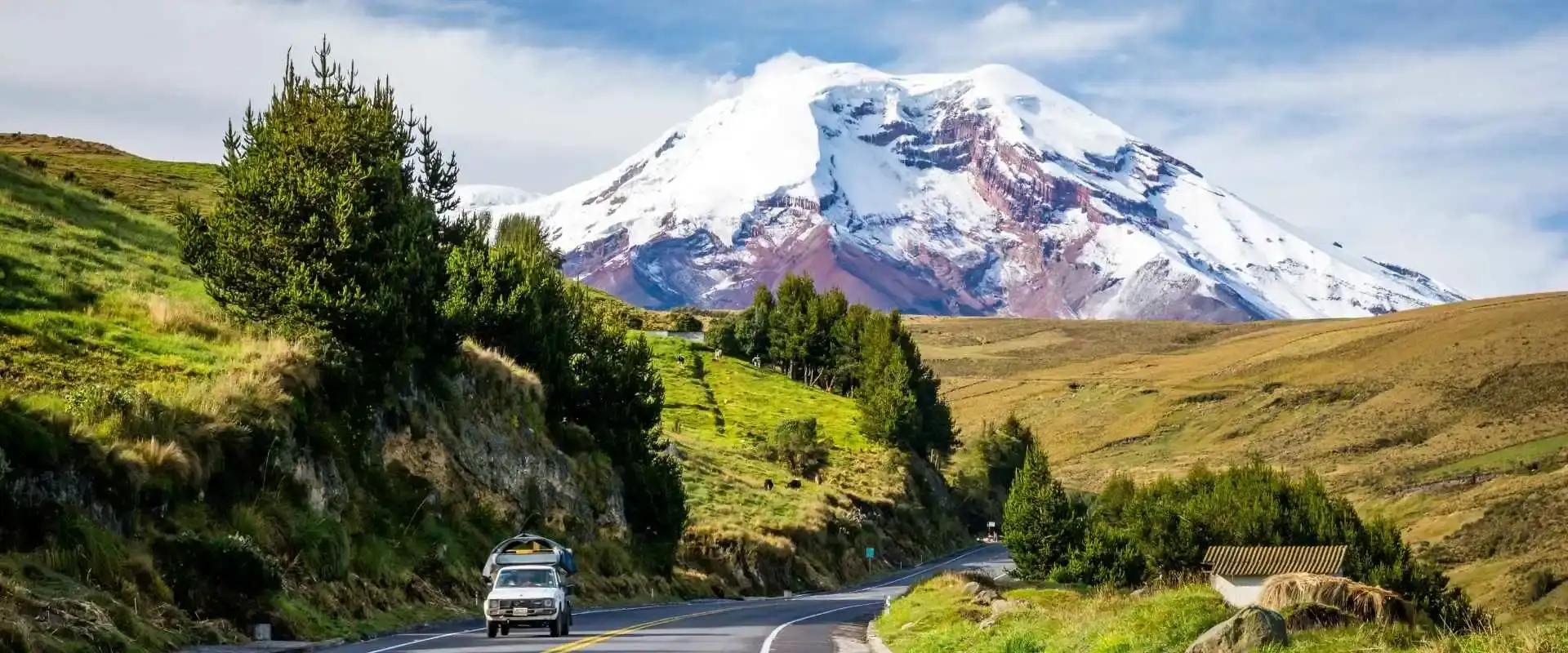
Cuenca sits in southern Ecuador’s Andes, 442 km south of Quito and 200 km east of Guayaquil on the Pacific coast. The drive from Quito takes 9-10 hours through the Avenue of the Volcanoes — a stunning route, but a long day. The flight from Quito (50 minutes, $50-90 one way) is what most international travelers use. From Guayaquil it’s 4 hours by bus through Cajas National Park.
How High Is Cuenca, and How Does It Feel?
Cuenca sits at 2,560 meters (8,400 feet), high enough to notice, low enough that most visitors adjust within a day. The Cuenca altitude sits almost 300 meters lower than Quito, so arriving from the capital actually feels like relief. Coming straight from sea level (Guayaquil), take the first day slow: light meals, extra water, no alcohol, and save the Cajas hike (4,000+ m) for day two or three. Pharmacies sell sorojchi pills over the counter, and every café pours the local altitude remedy, horchata or coca tea. Full detail on how it feels and how long it takes in our Cuenca elevation guide.
How to Get to Cuenca from Quito
- Fly (recommended): Quito → Cuenca, 50 minutes, $50-90 one way. Multiple daily flights with Avianca, LATAM and EQ-air. The smart choice for time-conscious travelers.
- Overnight bus: $15-22, 9-10 hours. Cooperativa Flota Imbabura and Panamericana run reliable routes from Quitumbe terminal in southern Quito. Sleep on board, arrive early morning. Save the flight money for activities.
- Day bus: Same companies, ~10 hours daytime. The route through the Avenue of the Volcanoes is gorgeous but you’ll arrive tired.
- Self-drive: Possible but not recommended. The Pan-American is good but 9 hours of mountain driving is a lot.
- Multi-stop train: Tren del Hielo / Tren Crucero historic routes (when running) — beautiful but very slow and expensive.
Bus companies, flight times and what each option really costs are in our guide to Quito to Cuenca.
How Many Days Do You Need in Cuenca?
My short answer: 2 days for the city, 3-4 if you add Cajas National Park, 5+ if you want to slow down or use it as a base for the south.
- 1 day: Old town walking tour + dinner. Misses Cajas, Ingapirca, the artisan workshops. Don’t come for one day.
- 2 days: City + one day trip (Cajas OR Ingapirca). The minimum that doesn’t feel rushed.
- 3-4 days: Sweet spot. City + Cajas + Ingapirca + panama hat workshop visit + slow afternoons.
- 5+ days: Adds Loja, Vilcabamba, Saraguro indigenous communities, or Podocarpus National Park.
Things to Do in Cuenca Ecuador: 14 Local Picks
The attractions in Cuenca are unusually concentrated: most of this list sits inside a 15-block colonial grid, which is why a self-guided walking tour beats any bus here. I’ve ordered the picks roughly center-outward: numbers 1-11 you can do on foot from Parque Calderón; 12-14 need a taxi or a tour.
1. Centro Histórico (UNESCO Old Town)
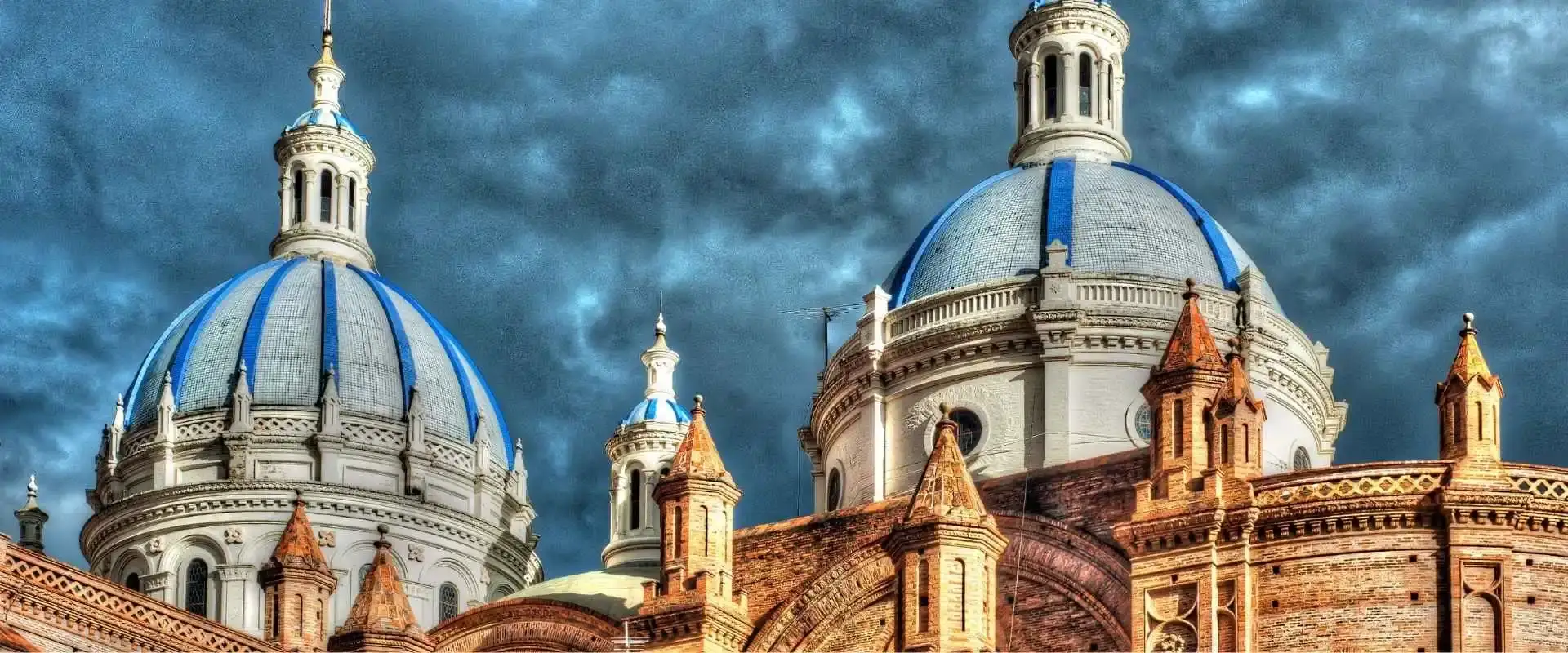
The colonial core is the reason Cuenca is on UNESCO’s World Heritage list. Cobblestone streets, blue-domed New Cathedral, the older White Cathedral on Parque Calderón, museum-quality balconies on every block. Easy to walk in half a day. Don’t miss the rooftop view from the New Cathedral (small fee, but the climb is worth it).
2. Panama Hat Workshops
Panama hats are actually Ecuadorian (the name comes from the Panama Canal workers who made them famous). Cuenca and the surrounding province of Cañar are the world center of fine-weave production. Visit Homero Ortega or the Barranco Ecuadorian Hat Museum for the real story. A hand-woven hat ranges from $35 (basic) to $500+ (Montecristi superfino, which can take a master weaver six months to complete). Want this as part of a longer Ecuador trip? Tell us your dates and we will build it around you.
3. Cajas National Park
230+ glacial lakes spread across high paramo (3,100-4,450 m), 30 minutes west of Cuenca. Day-hiking heaven for travelers who want a less-crowded alternative to the big-name Andean parks. Trail options range from 1-hour lake walks to multi-day treks. The Toreadora visitor center is the standard entry point. $2 entry fee. Bring layers — weather changes fast at altitude. Full guide: how to visit Cajas National Park from Cuenca, with the four trail routes by difficulty, the bus logistics and which sector is still closed.
4. Ingapirca
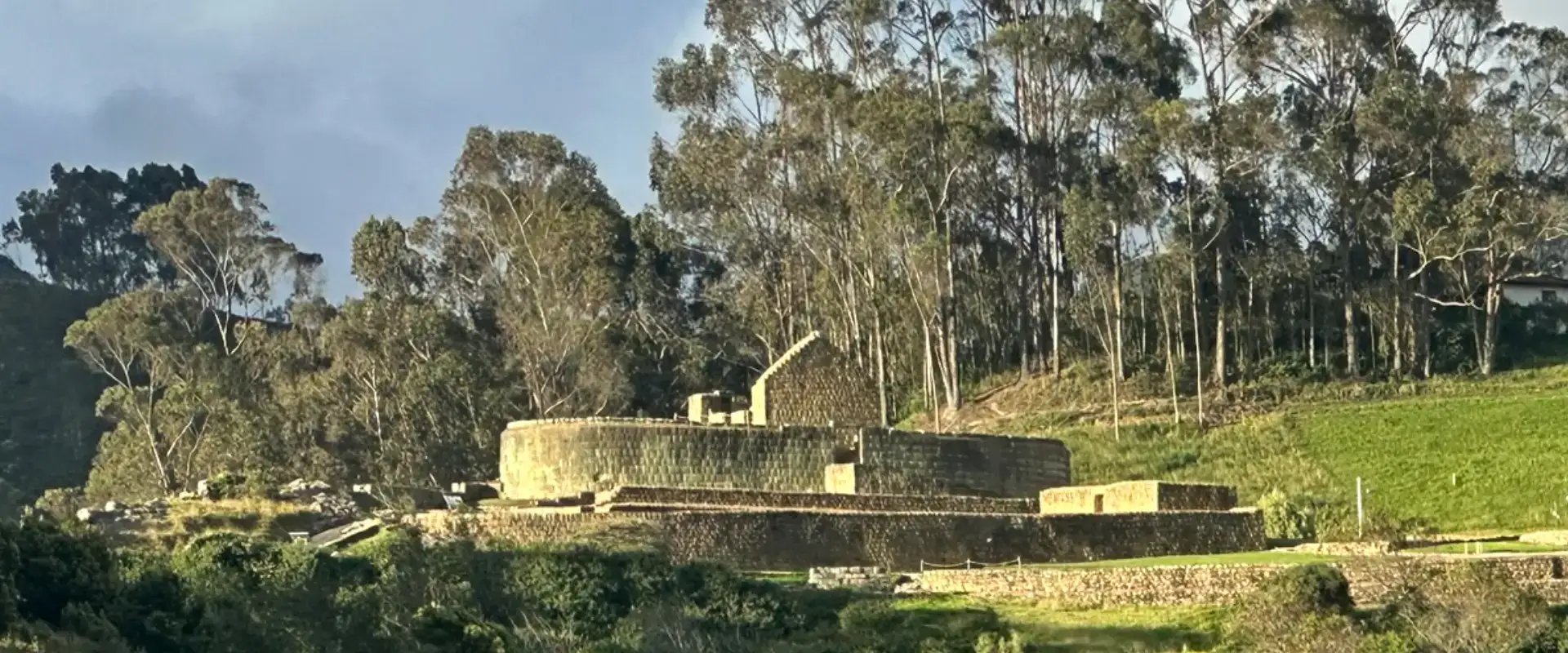
Ecuador’s most-significant Inca ruin, 80 km north of Cuenca. A unique fusion of Cañari and Inca architecture (Cañari resistance to Inca expansion). Half-day to full-day trip from Cuenca. Tour groups offer combined Ingapirca + Cuenca-area visits. Full guide: how to visit the Ingapirca ruins from Cuenca, with the current fees and the bus-versus-tour math.
5. Tomebamba River Walk
The river that bisects Cuenca, with a riverside walking path connecting the Old Town to El Barranco neighborhood. Best at golden hour. Free.
6. Mercado 10 de Agosto + Mercado 9 de Octubre
The real Cuenca market experience is not a souvenir stall: these are two working markets where locals shop. Try mote pillo (corn + egg) for breakfast and hornado (roast pork) for lunch. The third floor of Mercado 10 de Agosto has the best informal food experience — $4 buys a full plate.
7. Pumapungo Museum + Inca Ruins
In-town Inca site with attached ethnographic museum. The shrunken-head display from the Shuar Amazon people is worth the visit alone. Free.
TWO WEEKS, FULLY PLANNED
14 Day Ecuador and Galapagos Tour: Volcanoes, Cuenca and the Islands
Quito, Cotopaxi, Quilotoa, Chimborazo, Ingapirca and Cuenca, then a week on Santa Cruz and Isabela with a yacht day.
From $3,390 per person
View itinerary8. New Cathedral & the Blue Domes
The Catedral de la Inmaculada Concepción (1885) is the postcard: three giant sky-blue domes over pink marble. Pay the ~$2 to climb the spiral staircase to the dome terrace, where the view over red-tile rooftops is the best photo in the city. Mass times aside, it’s open all day; go before 10 am for clean light.
9. Mirador de Turi
The Mirador de Turi viewpoint hangs above the city on the south hill, a $3-4 taxi ride away. Come at sunset when the domes light up and the whole valley glows. There’s a small church, craft stalls, and a swing set over the view. Combine it with the Turi sign photo stop and you’ve covered Cuenca’s classic panorama.
10. El Barranco & Calle Larga
El Barranco is the cliff edge where colonial houses hang over the Río Tomebamba, the most photogenic walking tour stretch in Cuenca. Take the stone stairways down to the river path, then climb back up to Calle Larga for cafés, museums, and the city’s bar strip. Do it late afternoon and roll straight into dinner.
11. Flower Market & Plaza San Francisco
The Plaza de las Flores beside El Carmen monastery is tiny and completely worth it: rows of roses and lilies under white arches, and cloistered nuns selling agua de pítimas (a herbal tonic) through a turnstile window. Renovated Plaza San Francisco next door adds textile stalls — both are two blocks from Parque Calderón.
12. Baños de Cuenca Hot Springs
Fifteen minutes west, the Baños parish sits on a thermal fault: volcanic mineral water feeds spa complexes like Piedra de Agua (underground caves, mud pools, ~$30) and Novaqua (~$10-20 pools). After a day at Cajas altitude, an evening soak here is the smartest recovery move in the city.
13. Nightlife & Shopping on Calle Larga
Cuenca’s nightlife is compact and relaxed: craft-beer taprooms and cocktail bars along Calle Larga and Remigio Crespo, live music on weekends, everything walkable. For shopping, skip the souvenirs and buy what Cuenca actually makes: paja toquilla hats, Casa de la Mujer artisan stalls, and silver from nearby Chordeleg.
14. Gualaceo & Chordeleg Day Trip
If you have a spare morning, especially a Sunday, ride 45 minutes east to Gualaceo’s food market and ikat weaving workshops, then 10 more minutes to Chordeleg, a village built on silver filigree jewelry. It’s the easy cultural day trip locals recommend before the bigger Cajas and Ingapirca outings.
Cuenca Ecuador Weather: When to Visit
Cuenca’s altitude makes it cooler than the coast year-round but milder than Quito. Two wet seasons (Feb-May, Oct-Dec). The dry windows are when the city feels best.
- June-September (best): Driest, sunniest, mild days (16-22°C). Cool mornings.
- December-January: Brief dry window. Cool but pleasant.
- February-May: Wettest first season — afternoon showers most days, fewer Cajas options.
- October-December: Second wet season, less intense than Feb-May.
- Year-round temperature: 10-22°C / 50-72°F. Always pack layers.
Time your visit with a festival if you can. Corpus Christi (June, movable) fills Parque Calderón with sweet stalls and fireworks castles for a week; Pase del Niño Viajero (December 24) is Ecuador’s biggest Christmas procession; Independence of Cuenca (November 3, a national holiday) means three days of concerts and artisan fairs; and New Year’s Eve ends with burning monigotes on every corner. Book hotels 2-3 months ahead for November and Christmas.
Is Cuenca Ecuador Safe in 2026?
Yes — Cuenca is one of the safest cities in Ecuador. The colonial center has constant tourist police presence, the expat community is large and visible, and the city’s economy is stable. Standard urban precautions apply: don’t flash electronics on buses, use Uber after 10pm rather than walking long distances, avoid empty park areas late at night. Full zone-by-zone answer, taxi rules and the 2026 numbers are in our guide to is Cuenca safe.
Cuenca was largely untouched by the 2022-2024 security deterioration that affected coastal cities like Guayaquil. For Ecuador-wide context see our Ecuador safety guide.
Where to Stay in Cuenca
- Centro Histórico (best for first-time): Walking distance to everything. Hotel Casa San Rafael, Mansión Alcázar, Hotel Victoria. $60-180/night.
- El Barranco (boutique area): Above the Tomebamba river. Smaller hotels with character. $80-200/night.
- El Vergel / Ordoñez Lasso: Modern residential — quieter, more like local life. $40-100/night.
- Hostels: Hostal Posada del Angel and El Cafecito are reliable budget options. $15-30/night.
For hotel picks by neighborhood and price — Centro Histórico, El Barranco, Avenida Solano — see our guide to hotels in Cuenca Ecuador.
What to Eat in Cuenca
Cuenca eats better than a city this size has any need to. The short version: mote pillo for breakfast, hornado at the markets, cuy if you want the Andean classic done properly, and a coffee scene that surprises people who expected instant. Full guide: where to eat in Cuenca and what to order, with the market-floor how-to and honest notes on which dishes are actually cuencano and which ones arrived from elsewhere.
Cuenca for Expats vs Tourists
Cuenca has one of the largest North American expat populations in Latin America (~10,000+ retirees). This shapes the city — more English, more international restaurants, higher real-estate prices than the Ecuadorian average. As a tourist this is mostly good: easier communication, broader food options, established infrastructure. As a local cultural experience it can feel slightly diluted in some neighborhoods. The Centro Histórico still feels distinctly Ecuadorian; some newer suburbs feel more like a US small town.
Frequently Asked Questions
Where is Cuenca Ecuador?
Where is Cuenca Ecuador? It’s in southern Ecuador, capital of Azuay province in the Andean highlands, 432 km south of Quito and about 195 km east of the coast. The historic centre sits at 2,560 m elevation in a valley irrigated by four rivers (Tomebamba, Yanuncay, Tarqui, Machangara), which is why it’s called “the Athens of Ecuador.” See UNESCO World Heritage listing for more.
How do I get from Quito to Cuenca?
Fastest is a 1-hour domestic flight (Avianca, Aeroregional, $60-120 one-way). The overnight bus is 8-10 hours via the Pan-American highway ($15-25). Driving yourself takes 8 hours through the Andes — beautiful but tiring. Most travelers fly down, take the night bus back to see the highland scenery.
Is Cuenca Ecuador safe?
Is Cuenca Ecuador safe? Yes — it’s one of the safest cities in Ecuador, much safer than Quito or Guayaquil. The historic centre is well-patrolled and walkable day and night. Standard precautions apply: watch pockets in markets, take Uber after midnight, don’t flash phones. Solo female travelers report no problems.
How high above sea level is Cuenca?
Cuenca sits 2,560 meters (8,400 feet) above sea level. The historic city centre sits in a valley, but the surrounding hills and Cajas National Park reach over 4,000 m (13,000 ft). Most visitors feel mild altitude effects the first day — drink water, skip alcohol the first night, and you’ll adapt by day 2.
Is the Cuenca altitude a problem for visitors?
For most people, no. At 2,560 meters Cuenca is nearly 300 meters lower than Quito, and the usual reaction is mild: a little breathlessness on the stairs and poor sleep the first night. The travelers who struggle are the ones arriving straight from Guayaquil at sea level and going hard on day one. Take it slow for 24 hours, skip the alcohol, drink more water than feels necessary, and leave Cajas at 4,000 m for day two or three.
What is the Cuenca Ecuador weather like?
The Cuenca Ecuador weather is “eternal spring” — 9°C to 22°C (48-72°F) year-round, with very little seasonal variation. Mornings are cool, midday is warm, evenings need a light jacket. The dry season runs June through September (best for Cajas hiking). Rainy season is October-May, with afternoon showers most days.
How many days do you need in Cuenca Ecuador?
Three to four days is the sweet spot. Two days covers the UNESCO historic centre, museums, and a day trip to Ingapirca or Cajas. Add a third day for the artisan villages (Gualaceo, Chordeleg, Sigsig) or a fourth for slow time in the markets and cafés. Most expat-oriented lists overstate the city’s “needs a week” reputation.
What is Cuenca Ecuador known for?
Cuenca Ecuador is known for: (1) its UNESCO-protected colonial historic centre with cobblestone streets and Baroque churches; (2) being the birthplace of the misnamed “Panama hat” (actually woven in Ecuador); (3) Cajas National Park’s 230+ alpine lakes; (4) Ingapirca, Ecuador’s most important Incan archaeological site; and (5) Inca and pre-Inca heritage at Pumapungo museum.
When is the best time to visit Cuenca Ecuador?
June through September is the driest, sunniest window — best for Cajas hiking and clear-sky views from Mirador de Turi. November-December gets the Independence festival (Nov 3) and Christmas markets in Plaza San Francisco. Avoid April, the wettest month. Per Wikipedia’s Cuenca entry, the city sees ~1,000 mm of rain annually.
Is Cuenca Ecuador worth visiting?
Yes. Cuenca offers the cleanest blend of colonial architecture (UNESCO heritage), Andean wilderness (Cajas), Inca history (Ingapirca, Pumapungo), and slow café culture. It’s far less touristy than Cusco and more authentic than the Quito old town. Three days minimum; a week if you want to feel local.
Is Cuenca or Quito better to visit?
Visit both if you can: Quito wins on dramatic setting, museums, and day trips like Cotopaxi and Mitad del Mundo; Cuenca wins on walkability, safety, colonial atmosphere, and pace. If you only have time for one colonial center and you value relaxed exploring over big-city energy, choose Cuenca.
How much does a day in Cuenca cost?
A realistic mid-range budget is $60-100 per day: $40-70 for a good hotel room, $3-5 almuerzos or $10-15 dinner mains, $1-3 museum entries (many are free), and $2-5 taxi rides across town. Backpackers manage on $30-40; Cajas or Ingapirca day tours add $50-90.
What to do in Cuenca in one day?
With one day: start in Parque Calderón and the New Cathedral, climb the domes, browse the flower market, watch panama hat finishing at Homero Ortega, eat at Mercado 10 de Agosto, walk El Barranco along the Río Tomebamba, and take a taxi up to Mirador de Turi for sunset.
Ready for Cuenca? Make It Part of a Bigger Andes Trip
Cuenca rewards travelers who give it three or four days — long enough to cover the city plus Cajas, walk the Tomebamba river twice, and try mote pillo at three different markets to figure out which one you like. Combine with a Quito + Otavalo + Cotopaxi front half for a strong 12-14 day Sierra circuit, or use it as a base for southern Ecuador exploration.
For broader trip planning see our Ecuador itinerary planner, or pair Cuenca with our Quito guide for a colonial-cities focus. Reach out for custom routes through southern Ecuador.