Is the Amazon Rainforest in Ecuador? Geography & Facts 2026
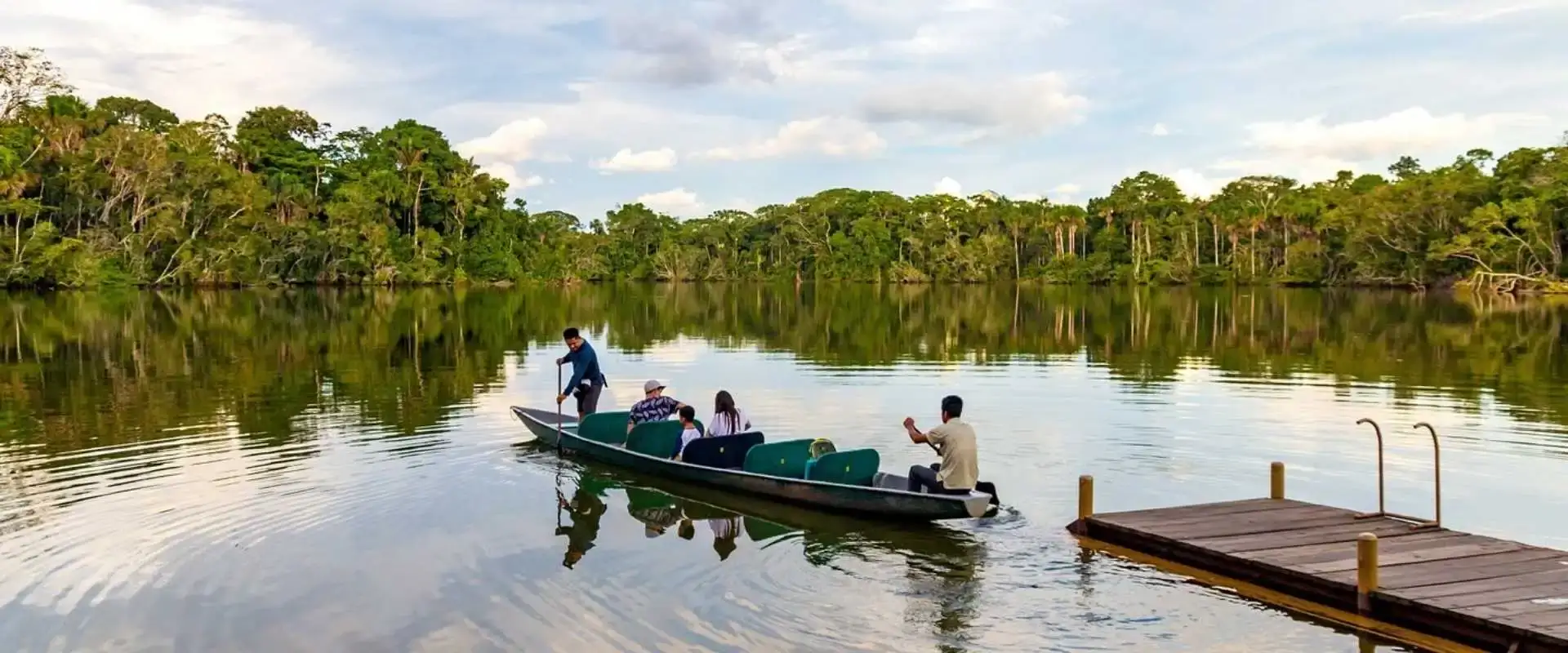
Is the Amazon Rainforest in Ecuador? Complete Geography Guide 2026
- Yes, the Amazon is in Ecuador – 40% of the country
- Ecuador contains 10% of all Earth’s species
- Access from Quito: 2-hour flight to Coca, then boat to jungle
- Yasuni and Cuyabeno are the main protected areas
- Best time to visit: June-July (dry season)
Quick answer: Yes, the Amazon is absolutely in Ecuador. But there’s a lot of misunderstanding about this. Some people think the Amazon is only in Brazil (it’s not nine countries touch it). Others don’t realize Ecuador has one of the most biodiverse chunks of the entire Amazon. I’ve spent fifteen years in Ecuador’s Amazon, and I’m going to tell you exactly what you need to know about geography, ecology, and why visiting Ecuador’s portion of the rainforest is one of the smartest travel decisions you can make. Let’s clear up the confusion and show you what’s really here.
Geography: How Much Amazon Is in Ecuador?
Let’s start with the numbers. The Amazon rainforest spans approximately 5.5 million square kilometers across nine countries. Ecuador contains roughly 60,000 square kilometers of Amazon rainforest about 1% of the total Amazon, but 40% of Ecuador’s land mass. That might sound small until you realize Ecuador’s a relatively small country and that Amazon territory is incredibly biodiverse.
Ecuador’s Amazon is uniquely positioned. It’s the most northern part of the Amazon basin, sitting at the intersection of the Eastern Cordillera (mountain range) and the basin itself. That geography creates unique conditions. The Andes mountains create their own weather patterns, which influence the Amazon below. You get a rainforest influenced by mountain climate different from the flatter, hotter Amazon further south. Working out how many days you need? Send us your dates and we will come back with a plan.
Biodiversity: Why Ecuador Punches Above Its Weight
Here’s where it gets remarkable. Ecuador’s Amazon, while only 1% of the total rainforest by area, contains roughly 10% of all the species on Earth. That’s insane biodiversity density. Why?
- Altitude Variation: Ecuador’s Amazon sits higher than the Brazilian Amazon. That altitude variation creates microclimates. Different elevations support different ecosystems. More ecosystems = more species.
- Geographic Position: Ecuador’s at the intersection of two biodiversity hotspots—the Andes and the Amazon. Species from both systems overlap here, creating unique combinations you won’t find elsewhere.
- Relatively Undisturbed: While the Amazon faces threats everywhere, Ecuador’s protected areas (Yasuni, Cuyabeno) have managed conservation relatively well. More intact ecosystem = more species surviving.
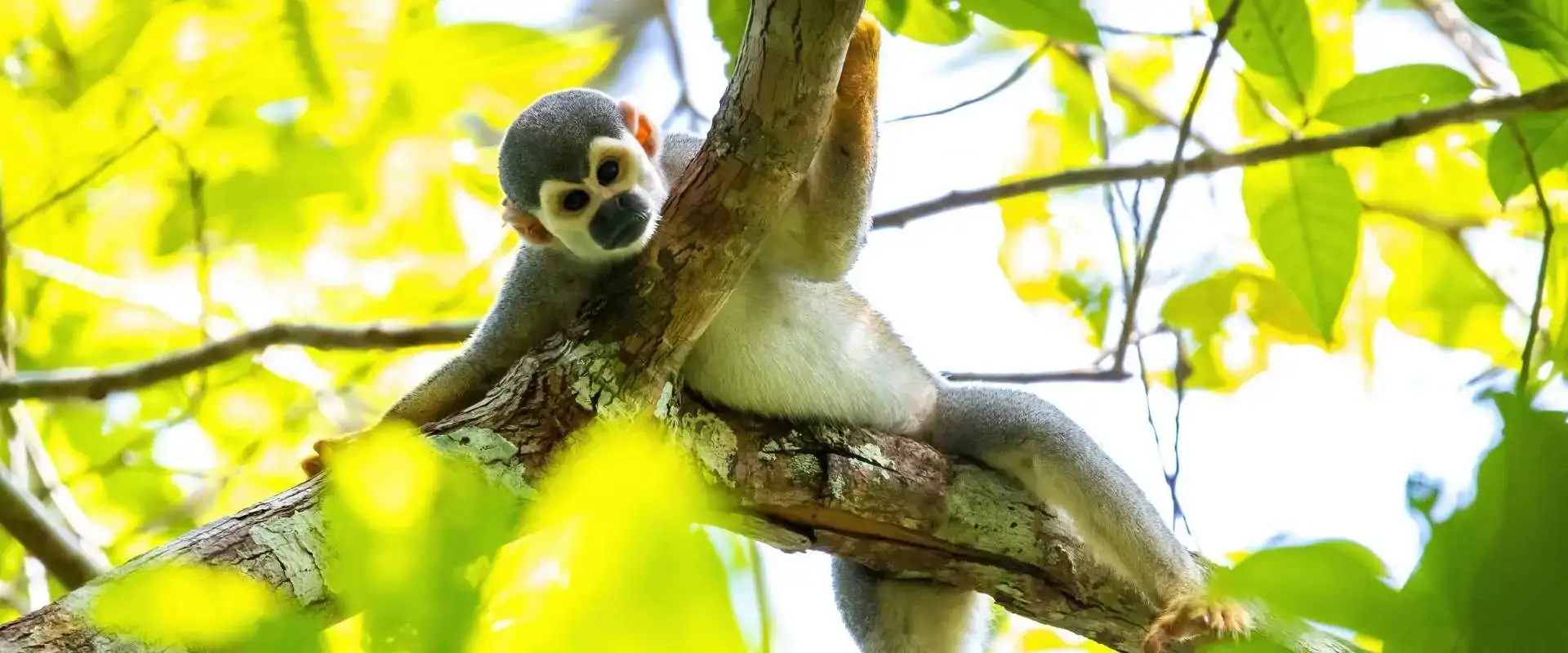
- The numbers tell the story: 1,667 bird species (roughly 9% of all birds on Earth). Over 200 mammal species. Countless insects and amphibians. Pink river dolphins. Jaguars. Anacondas. Poison dart frogs in colors that shouldn’t exist. The species density is staggering.
Rivers and Waterways: The Amazon’s Highway System
The Amazon doesn’t exist in isolation. It’s a system of rivers, tributaries, and waterways. Understanding these helps you navigate:
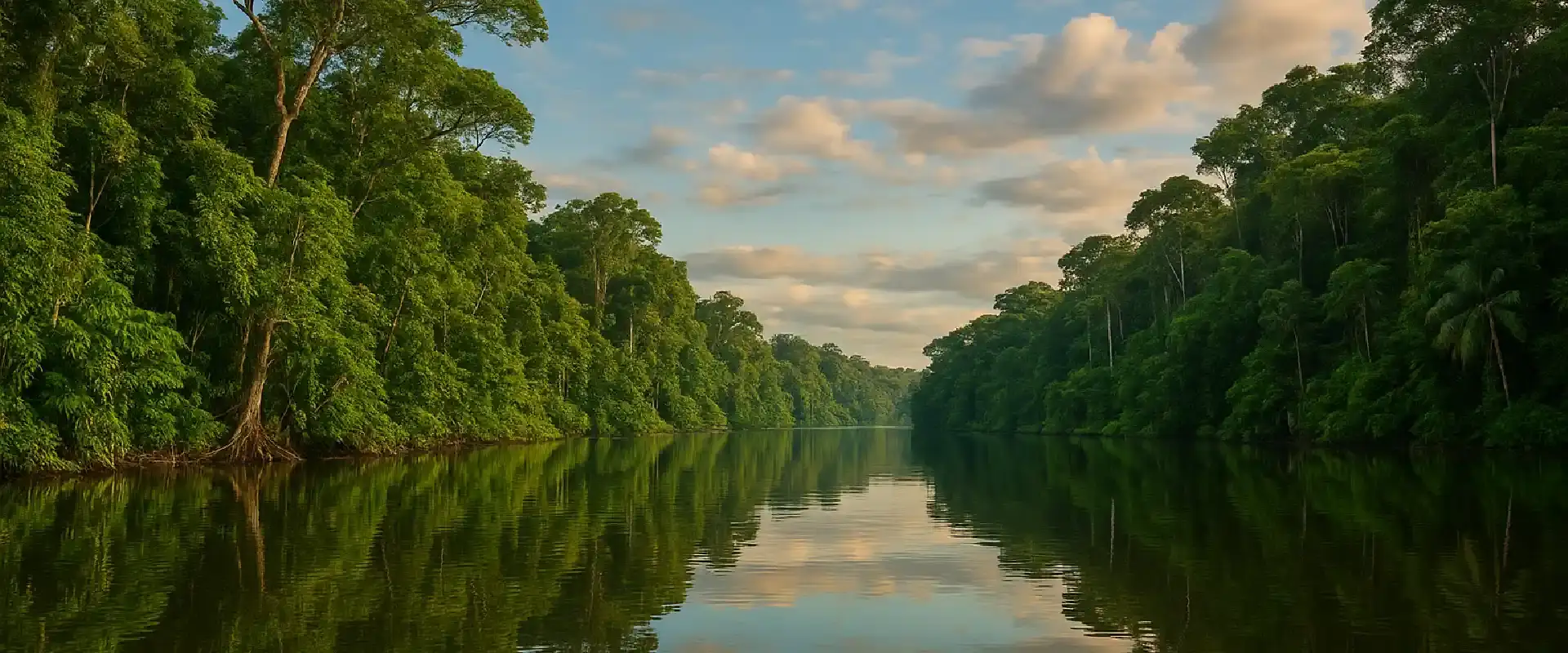
- The Main Rivers: The Napo River is the primary artery for tourism. It flows from the Andes down through Ecuador’s Amazon and eventually joins the Amazon mainstream in Peru. The Pastaza River is further south, also flowing from the Andes. The Cuyabeno River system connects to an enormous lake system. These aren’t lazy rivers; they move with purpose and carry enormous volumes of water.
- Seasonal Variation: Water levels change dramatically with season. Dry season (June-July, December-January) means low water levels. Wet season (April-May, September-November) means flooding and high water. The river’s never the same twice.
- Access Routes: Almost all tourism happens on these rivers. You fly into Coca (or Macas), then boat along a river to your lodge. The river is your highway into the rainforest.
- Protected Areas: Where the Real Amazon Lives
- Ecuador protects its Amazon with some intensity. The main protected areas are:
- Yasuni National Park:: 982,000 hectares of pristine rainforest. UNESCO Biosphere Reserve. This is the crown jewel. The most biodiverse chunk of Ecuador’s Amazon and arguably one of the most biodiverse places on Earth. It’s relatively remote, which keeps it protected but also makes access harder.
- Cuyabeno Faunistic Reserve:603,000 hectares centered around a massive lake system. This is the budget-friendly option with excellent wildlife viewing. Less remote than Yasuni but still genuinely wild.
- Smaller Reserves: Various smaller protected areas exist (Limoncocha, Jatun Sacha, others), but the big two are Yasuni and Cuyabeno. These parks are Ecuador’s commitment to preserving the rainforest.
Ecuador vs. Other Amazon Countries: How It Compares
If you’re wondering whether visiting Ecuador’s Amazon makes sense compared to Brazil or Peru, here’s what you need to know.
Ecuador’s Advantages:
- Direct access from Quito (2-hour flights) vs. multi-day travel required from other countries
- High biodiversity density—more species per square kilometer than almost anywhere
- Strong protection and conservation infrastructure
- Indigenous communities actively participating in tourism
- Variety of options (budget to luxury) for different travelers
Logistics Reality
The Brazilian Amazon is larger and has more infrastructure but also more tourism. Peru’s Amazon is vast but accessing it from Lima is complicated. Ecuador? You’re in the jungle within hours of landing in Quito. That accessibility is its strength.
Indigenous Peoples: The Amazon’s Real Inhabitants
The Amazon isn’t empty. Indigenous communities have lived here for thousands of years:
- The Kichwa People – The largest indigenous group in Ecuador’s Amazon. They’ve adapted to the rainforest, using traditional knowledge of plants, animals, and the ecosystem. Many Kichwa communities welcome tourists, and you can learn about their way of life if you visit responsibly.
- The Shuar – Another major group, traditionally living in the southeastern Amazon. Known for their strong culture and traditions. Some Shuar communities engage in tourism; others prefer isolation.
- The Cofán and Siona – Smaller groups, still maintaining traditional practices. Many lodges work with Siona guides in Cuyabeno.
- Isolated Groups: Some groups choose to have no contact with the outside world. Ecuador and Peru respect this choice. Uncontacted peoples live in the most remote areas of the Amazon, and they’re left undisturbed.
When you visit, you’re on their ancestral land. Respecting that reality—supporting local communities, learning their perspective, following their guidance is essential.
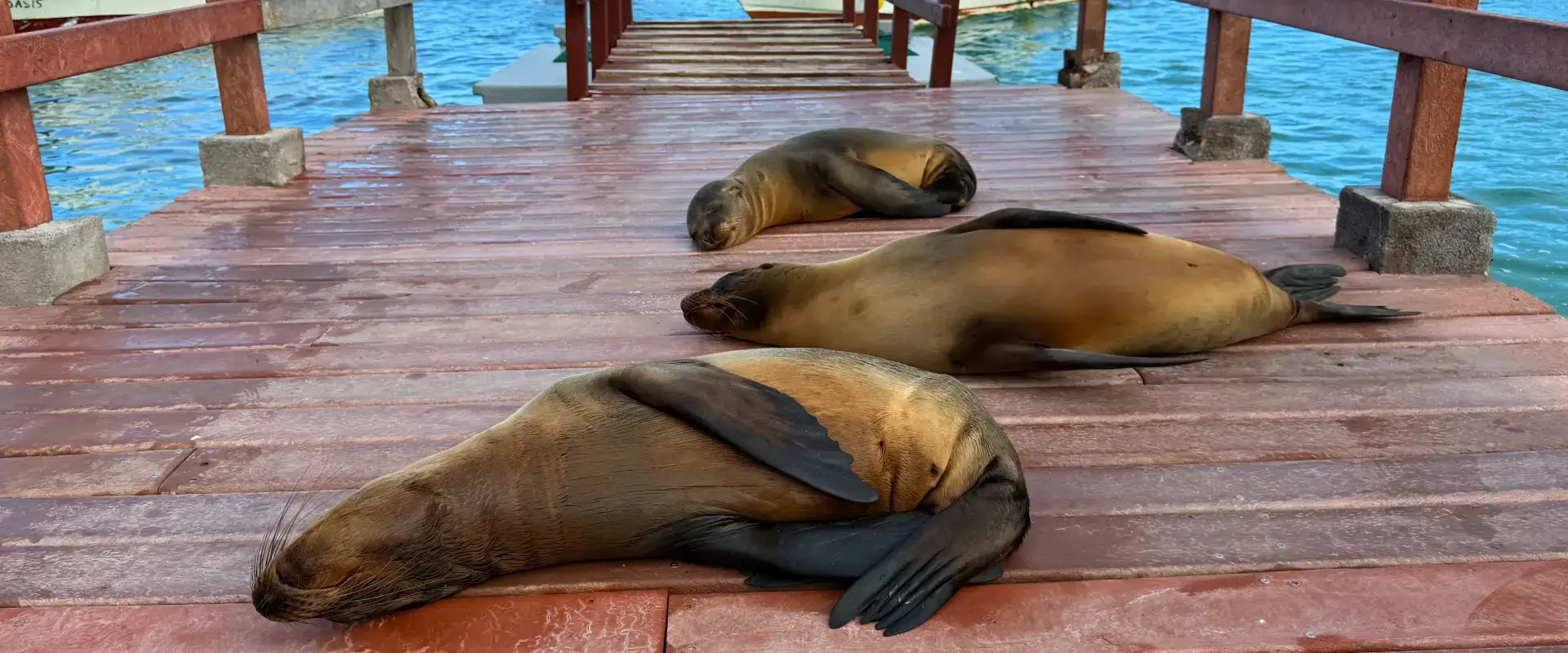
LOCAL GUIDE AND DRIVER, EVERY DAY
12 Day Ecuador and Galapagos Tour: Andes, Amazon and Island Hopping
The Andes and the Amazon with your own guide and driver from Quito, then a week of island hopping on Santa Cruz and Isabela with a yacht day.
From $2,690 per person
View itineraryAndes, Amazon and Galápagos Island Hopping: 12 Day Tour
Threats to Ecuador’s Amazon: The Real Story
I won’t sugarcoat this; Ecuador’s Amazon faces threats:
Oil Extraction: Ecuador has significant oil reserves in the Amazon. Oil companies have operated here since the 1970s. Environmental damage is real. But protected areas like Yasuni have successfully blocked drilling in their cores (though it’s contentious).
Climate Change: Warmer temperatures and changing precipitation patterns threaten the ecosystem. Some scientists worry about Amazon “tipping points” where the forest could transform into savanna.
Why Tourism Matters: When you visit and pay for lodges and guides, you’re creating economic incentive for conservation. Local communities earn more from tourism than they would from logging. It’s not perfect, but it’s powerful.
Visiting Ecuador’s Amazon: Practical Steps
- Step 1: Get to Ecuador – Fly into Quito from your home country. You’ll need an Ecuador visa (check requirements for your nationality). Most countries get 90 days visa-free.
- Step 2: Spend 1-2 Days in Quito – Acclimatize to altitude (2,850 meters), explore the capital, rest. Don’t skip this; jumping straight to the humid jungle is rough on your body.
- Step 3: Fly Quito to Coca (or Macas) – 2-hour flight, $100-$200. Direct flights, easy connections. Multiple airlines operate this route daily.
- Step 4: Boat to Your Lodge – 1-4 hours depending on destination. This is where the real adventure starts.
- Step 5: Explore and Experience – 4-7 days in the jungle. Early mornings, canoe rides, night activities, learning. It’s intense and unforgettable.
- Step 6: Return Journey – Reverse the process. Back to Coca, flight to Quito, then international departure.
The Unique Aspect of Ecuador’s Amazon
What really sets Ecuador’s Amazon apart is its accessibility combined with its biodiversity. You don’t need months or massive budgets to experience genuine Amazon rainforest. You need a week and a few thousand dollars. That democratizes access. Schoolteachers, young backpackers, families they can all make it happen. That’s Ecuador’s gift to Amazon tourism.
Plus, the indigenous communities here have created a model where tourism funds conservation and community development simultaneously. It’s not perfect, but it’s better than many alternatives. When you visit Ecuador’s Amazon, you’re supporting that model.
Ecuador Vs Other Amazon Countries
| Factor | Ecuador | Brazil | Peru |
| Access from Capital | 2 hours flight | 24+ hours | 12+ hours |
| Amazon Size (% of world) | 1% | 60% | 13% |
| Biodiversity Density | Highest | High | High |
| Budget Options | Excellent | Limited | Good |
| Trip Cost (5 days) | $2,000-$4,000 |
Ecuador Jungle Facts
- 40% of Ecuador is Amazon rainforest
- 1% of world’s Amazon, but 10% of Earth’s species
- 1,667 bird species (more than North America total)
- 200+ mammal species including jaguars
- Over 1.5 million insect species
- Multiple indigenous groups living here for millennia
- UNESCO Biosphere Reserve status for Yasuni
- Less deforestation than Brazilian Amazon
Common Questions About Amazon in Ecuador:
Is Ecuador’s Amazon part of the “real” Amazon?
Absolutely. It’s the northern section, part of the same ecosystem. The Amazon’s a system spanning nine countries. Ecuador’s chunk is smaller but incredibly biodiverse
How much of the Amazon has Ecuador deforested?
Ecuador’s lost forest, but less dramatically than Brazil. Protected areas have fared better. Overall, about 1.5-2 million hectares remain intact and protected.
Is Ecuador’s Amazon less “real” than Brazil’s?
No. It’s equally real. Different? Yes. Smaller? Yes. Less real? No. The ecosystem, wildlife, and indigenous cultures are just as legitimate.
Can I visit Ecuador’s Amazon if I don’t speak Spanish?
Yes. Many lodges have English-speaking guides. Learning a few Spanish words helps and is appreciated by guides and locals.
What’s the political situation with oil in Ecuador’s Amazon?
Ecuador’s government depends on oil revenue. Oil companies operate in the Amazon. But protected areas have legal protection that has resisted drilling pressure. It’s politically contentious and ongoing.
Experience Amazon Ecuador Yourself
Ready to visit? Start with our complete Amazon guide for travel planning. Explore Yasuni National Park and Cuyabeno Reserve for specific destinations. Check out lodges and tours to start booking.
More Amazon Content
Looking for more on Is The Amazon Rainforest In Ecuador? Browse our related coverage on is the amazon rainforest in ecuador guide, is the amazon rainforest in ecuador tour, is the amazon rainforest in ecuador travel, and reach out to our local experts for personalized planning.