
Papallacta Day Trip from Quito 2026: Honest Hot Springs Guide
Papallacta day trip from Quito 2026: honest hot springs guide. Termas, budget thermal pools, how to get there in 90 min. Real prices, no tourist traps.

the Quito Trips team, local guides in QuitoUpdated · 8 min read
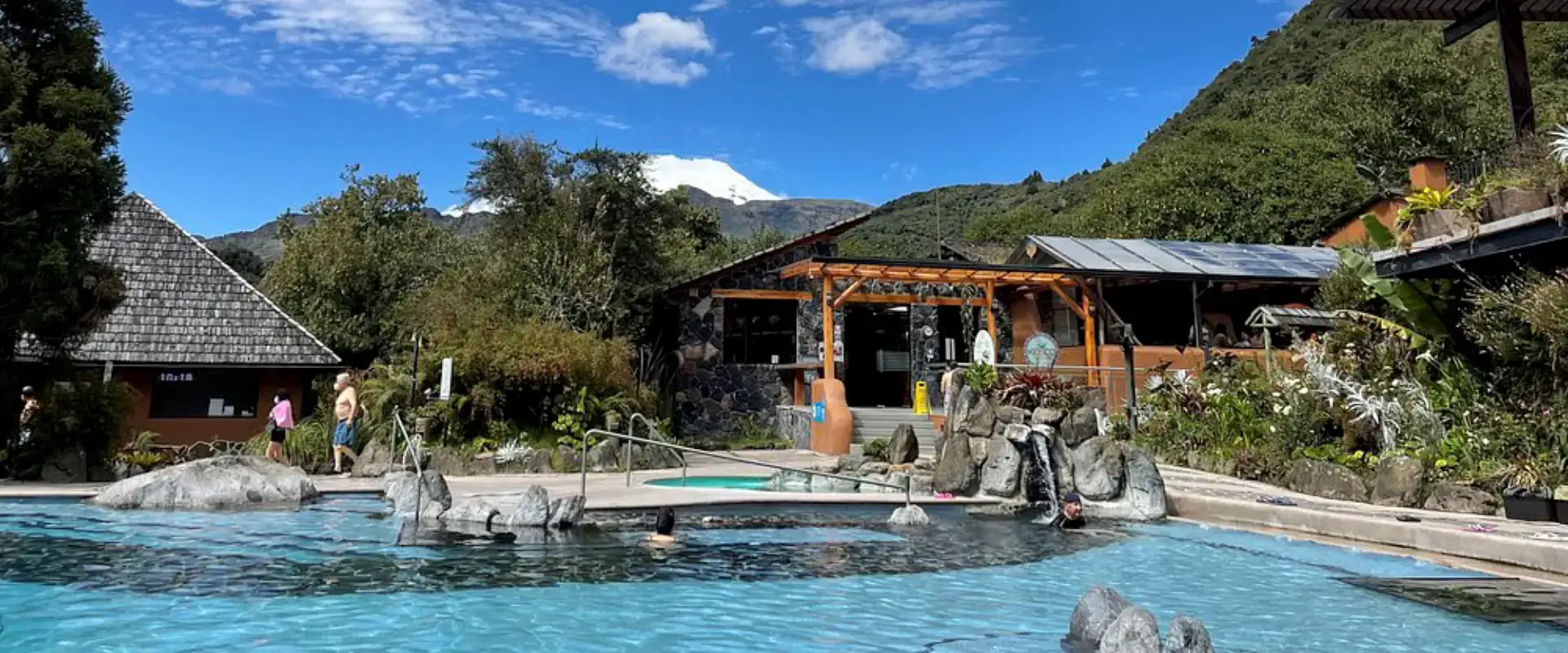
A Papallacta day trip from Quito is one of the easiest escapes in Ecuador. The village sits 90 minutes east of Quito (67 km) at 3,300m on the Andean páramo, known for natural papallacta hot springs fed by the Antisana volcano. Termas de Papallacta is the luxury option (15 thermal pools, $25 entry); budget travelers head to Santa Catalina or El Cunuco ($3-5). Add a cloud forest hike and you have a full day. The springs work year-round, but December-February gives clearer mountain views.
If you want the background on the springs themselves rather than the day plan, read our guide to the Papallacta hot springs. Other options at the same distance are in hot springs near Quito.
Pair it with the Galápagos: 9 Day Ecuador & Galápagos Tour
This guide to a Papallacta day trip from Quito puts the practical details in one place: how to get there, which pools to pick, what to bring and what the day costs.
Papallacta sits about 60 kilometers northeast of Quito, in cloud forest at roughly 3,300 meters. The town exists for one reason: its natural hot springs.
Geothermal heat keeps the water between 38-42°C (100-108°F) all year, which is exactly what you want after a few hard days of travel. I first went to Papallacta after a week of long bus rides, looking for rest rather than adventure. Sitting in a steaming pool with mist on the cloud forest and the Andes all around, I understood why it became my favorite place to unwind near Quito. A papallacta day trip from quito is simpler than most excursions (no technical hiking, no extreme altitude), so the day is mostly warm water and mountain air. Pair it with our 21 things to do in Quito, the where-to-stay-in-Quito neighborhoods guide, and the TelefériQo cable car on a free morning.
You can book the upscale Termas de Papallacta resort, look for the cheaper pools in town, or mix a soak with a cloud forest hike. This guide covers all three, so you can plan a day that leaves you rested.
What makes Papallacta special: geothermal heat
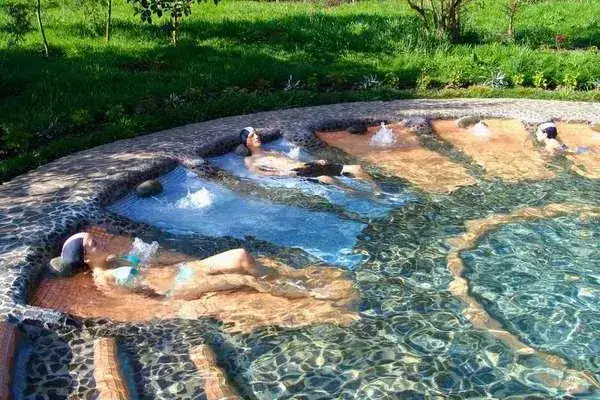
Papallacta’s hot springs come from geothermal activity in the region: the earth itself heats the water. That keeps the temperature steady all year, unlike springs fed by seasonal snowmelt. The water is clean and heated naturally, not by a boiler, and you notice the difference once you’re in.
The water carries sulfur, silica and other minerals that locals say have healing properties. Whether that’s proven science or placebo, I can’t say for sure. What I do know is that a warm soak after days on the road feels good, and the minerals make the water feel different from a regular hot bath. Not sure how to fit this into a trip? Tell us your dates and we will map it out.
Compared with other thermal spots in Ecuador, Papallacta is easy to reach (90 minutes from Quito), has facilities at every price point (luxury down to cheap), and sits in beautiful cloud forest. It’s less remote than some springs, yet it doesn’t feel like a crowded tourist trap.
Getting to Papallacta: a straightforward drive
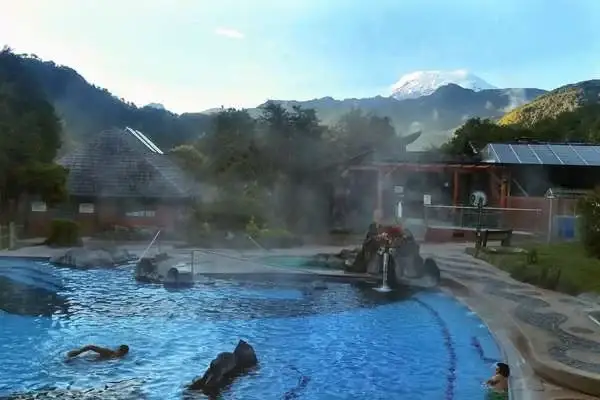
Papallacta sits about 65 kilometers east of Quito, roughly 1.5 hours of driving depending on traffic. The road climbs northeast into the eastern Andes, and you watch the vegetation turn to cloud forest as you go. It’s well maintained and clearly signposted. Public buses run from Quito to Papallacta (cheap but less convenient); most visitors take a taxi, rent a car or book a tour.
For easy logistics, I’d book a tour. Check our comprehensive day trips from Quito guide for operators that run Papallacta day trips. Tours usually cost $60-120 USD and include round-trip transport, sometimes with spa access.
If you’re driving yourself, leave Quito by 8-9 AM to get the most out of the pools. Plan on at least 4-5 hours in Papallacta for the trip to feel worth it.
Termas de Papallacta: the luxury option
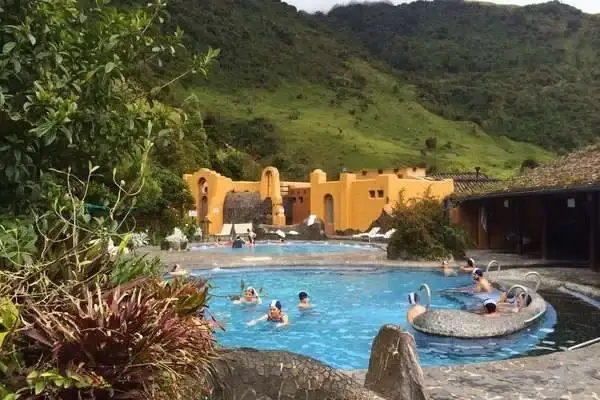
Termas de Papallacta is the area’s top resort. It has its own grounds with managed hot spring pools, spa facilities and a restaurant. It isn’t cheap, and it’s a very different experience from the simple public pools.
Here’s what Termas de Papallacta includes:
- Several hot spring pools of different temperatures and sizes; some are quiet, others livelier.
- Spa services (massages, facials, body treatments with the thermal water). A basic massage runs $40-60, deluxe treatments $80-150+.
- An on-site restaurant with views, not cheap but decent.
- Changing rooms with lockers and showers.
- A day pass for the pools, about $25-35 USD for non-guests.
Termas feels more like a resort you’d stay at than a day-trip stop, but day visitors are welcome and you don’t need a room to use the pools and basic facilities. Misty forest surrounds the property, which makes for a lovely setting.

Budget thermal springs in Papallacta
Not interested in spending big? Papallacta town has hot springs that are free or very cheap to use. They aren’t resorts, just simple pools where locals and budget travelers soak.
Options include:
- Public thermal pools: several small facilities around town charge $3-5 USD. They’re clean but basic.
- Local guesthouses: some have thermal pools for guests, and you might negotiate day use for $10-15 if you’re not staying overnight.
The budget option gives up comforts in exchange for a more local feel. You’ll see fewer tourists and a less commercial side of the springs, which is nice if simple facilities don’t bother you.
Combining thermal soaks with hiking
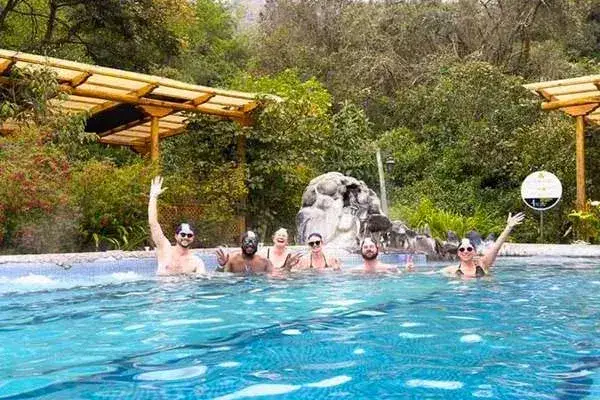
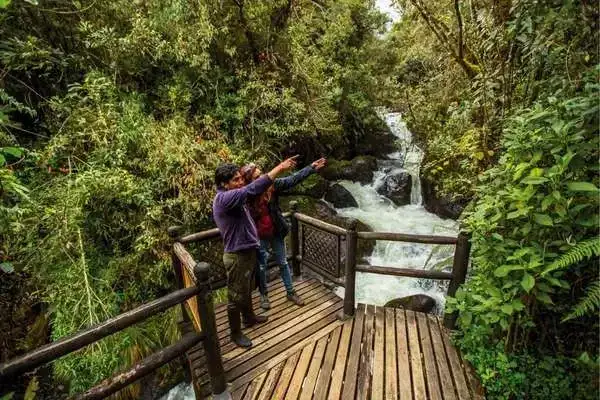
Papallacta is surrounded by cloud forest, so it’s easy to pair a soak with a hike. Several trails start nearby.
The Santa Rosa de Papallacta trail takes about 2 hours round-trip at moderate difficulty. It runs through cloud forest with views over the thermal valley, and it rewards you without wearing you out. For something shorter, 30-minute loops through the forest near town are easy and good for stretching after a soak.
The cloud forest also draws plenty of birds. If birdwatching is your thing, hire a local guide; you’ll see far more species with someone who knows the calls.
My recommended plan: hike in the morning while you’re fresh, then soak in the afternoon when you’re tired.
A Papallacta day trip from Quito: sample schedule
Here’s a way to structure a relaxing day that still has some movement in it:
8:00 AM: depart Quito.
9:30-10:00 AM: arrive in Papallacta and settle in at your chosen facility.
10:15 AM: quick soak or start hiking (your choice).
11:00 AM-12:30 PM: hike or a longer soak.
12:30-1:30 PM: lunch.
1:30-3:00 PM: more soaking or a spa treatment.
3:00-3:30 PM: final soak.
3:45 PM: start the drive back to Quito.
5:15-5:45 PM: arrive in Quito.
The schedule leaves room so nothing feels rushed. If all you want is rest, spend more time in the water; if you want to move, hike longer.
Practical tips for Papallacta visits
- Bring swimwear and a towel, plus a change of clothes, unless you enjoy driving back wet.
- A robe or cover-up makes moving between pools easier.
- Wear sunscreen (SPF 30+). The glare off the water makes you burn faster than you’d expect.
- Soaking dehydrates you, so bring water or buy it on site, and pack a few snacks.
- Don’t overdo it. Soaking for more than 30 minutes straight in hot water can dehydrate you; take several shorter soaks with breaks.
- Go midweek if you can. Weekends bring more visitors, and Tuesday-Thursday afternoons are quieter.
- Bring a waterproof case for your phone or camera. You’ll want photos, and the pools are hard on electronics.
Start in Quito, end in the Galápagos
9 Day Ecuador and Galapagos Tour
Andes, Amazon and Santa Cruz
- 9 days
- Medium effort
From $1,990 per person
Ecuador
4 Day Amazon Tour from Quito
Cotopaxi, Quilotoa, Baños and the Jungle
- 4 days
- Medium effort
From $910 per person
Cost breakdown
- Transportation: $15-30 USD (taxi/ride-share); $60-120 USD (organized tour including entry)
- Termas de Papallacta day pass: $25-35 USD
- Massage or spa treatment: $40-150 USD (optional)
- Food and snacks: $15-30 USD (more if you eat at the resort restaurant)
- Budget option (free springs): $3-5 USD for facility use
- Total day trip: $70-200+ USD, depending on the facility and activities you choose
As splurges go in Ecuador, Papallacta is an affordable one. Even a Termas day pass plus a massage stays within a reasonable budget.
Combining Papallacta with other day trips
Papallacta lies northeast of Quito, so it doesn’t combine well with the southern day trips (Cotopaxi, Quilotoa). You could pair it with northern ones (Mitad del Mundo, Otavalo) if you don’t mind a lot of driving. A better plan is to give Papallacta its own day. With a 3-hour round-trip drive, one destination is plenty.
For more planning help and other options, see our day trips from Quito guide.
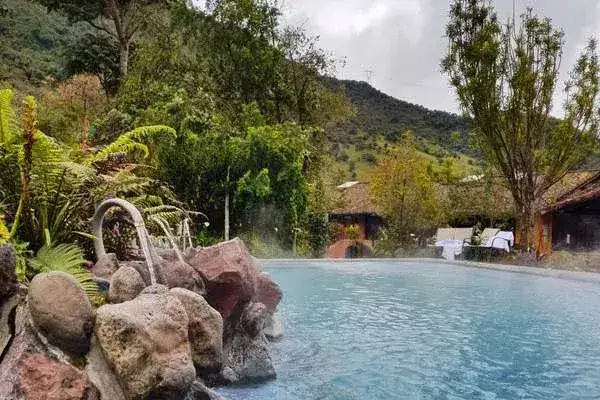
Seasonal considerations
Papallacta is good all year: the springs never close and the cloud forest stays green. The rainiest months (May-August) bring more rain and sometimes hide the views. December-February has clearer skies but more visitors. Neither one rules the trip out; it comes down to preference and when you’re in Ecuador.
FAQ: Papallacta hot springs questions
Are thermal springs safe?
Yes, the thermal springs are clean and regularly monitored, and the high temperatures naturally limit bacteria. The usual hygiene rules apply: shower before going in, stay out if you have open wounds or an infection, and follow each facility’s posted rules.
Is Termas de Papallacta worth the premium?
It depends on what you want. If you want a polished spa with many good pools and services, yes. If you just want to sit in hot spring water, the cheaper pools work fine. At Termas you pay for the setting and the service; the thermal water itself is basically the same.
Can I do Papallacta and another day trip combined?
Yes. The most popular pairings are Papallacta + Antisana Volcano or Papallacta + Cotopaxi volcano, though only Antisana shares the E20 road out of Quito with Papallacta, so you can watch condors in the morning and soak in the hot springs in the afternoon. If you like the jungle, continue down to Baeza for waterfalls, birds and cloud forest; Papallacta sits right on the edge of the Amazon. Wildlife lovers can also stop at the Condor Huasi Rescue Center before the pools. Whatever you pick, leave Quito early (6:00–7:00 AM), hire a driver for flexibility and save Papallacta for the afternoon so the day ends in warm water. The total drive from Quito is only 60–70 km (about 1.5 hours).
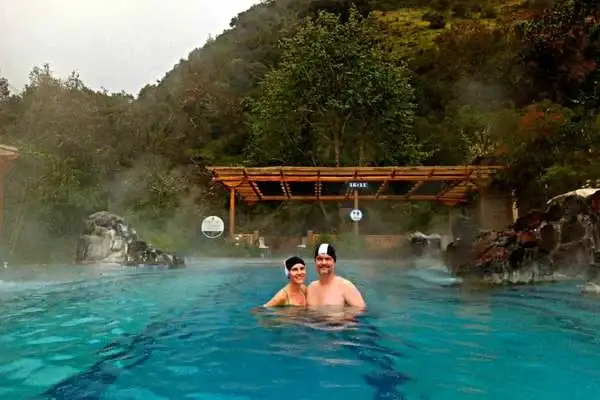
Useful external resources
How to get to Papallacta from Quito?
From Quito to Papallacta is a 90-minute drive (67 km) east on the Pan-American Highway and the Ruta E20. By bus, Coop. Transportes Quijos leaves from Quitumbe Terminal ($2.50, hourly, 2.5 hours). A taxi costs $40-50 one-way. A rental car ($35-50/day) is the easiest choice if you want flexibility for the cloud forest stops. Most day-trip tours include round-trip transport ($45-90).
How much does Papallacta day trip cost?
2026 prices: Termas de Papallacta entry is $25 (pools only) or $40 (pools + spa). Budget thermal pools (Santa Catalina, El Cunuco) cost $3-5. The bus round-trip is $5 and lunch $8-15. A full day comes to $40-60 on a budget, or $90-140 with the spa and tour transport. Bring USD cash, because ATMs are scarce in the village.
What to do in Papallacta besides hot springs?
Beyond the thermal pools, the village sits at the edge of Cayambe-Coca National Park, with cloud-forest trails (the 4 km Ruta del Oso and the 6 km Cascada loop). The hummingbird gardens at Termas de Papallacta have 18+ species. The Antisana viewpoint (clear weather only) looks out at the snow-capped 5,704m volcano. Some travelers add lunch at La Choza de Don Wilson for trout (trucha), a regional specialty.
What is the best time to visit Papallacta?
The Papallacta hot springs work year-round, but December-February gives the clearest mountain views and less rain. May-August is the rainiest stretch, though the pools stay warm (35-40°C). Weekends get crowded; aim for Tuesday-Thursday for quieter pools. Mornings are better for the drive up, and afternoons may bring fog rolling off the páramo.
Is Papallacta worth visiting from Quito?
Yes. Papallacta is one of the best-rated single-day escapes from Quito. The drive is short and scenic (Andean páramo down to cloud forest), the thermal pools at 3,300m really do loosen you up, and the cost is reasonable. Skip it if you only have 1-2 days in Quito and haven’t seen the city; go if you’re staying 4+ days and want a lazy day after the airport, market or Mitad del Mundo trips.
What is the difference between Termas de Papallacta and budget pools?
Termas de Papallacta is the resort option, with 15 landscaped pools, eucalyptus steam rooms, spa massages and an on-site restaurant, for $25-40 entry. The budget pools (Santa Catalina, El Cunuco, Jamanco) are more rustic: concrete pools, basic changing rooms and less steady temperatures, for $3-5 entry. If this is your one visit, spend the money on Termas; for a quick soak, the budget pools have the same volcanic minerals at 1/8 the price.
We cover more day trips from Quito, including tours that stop in Papallacta, and our local team is happy to help you plan yours.
Keep reading
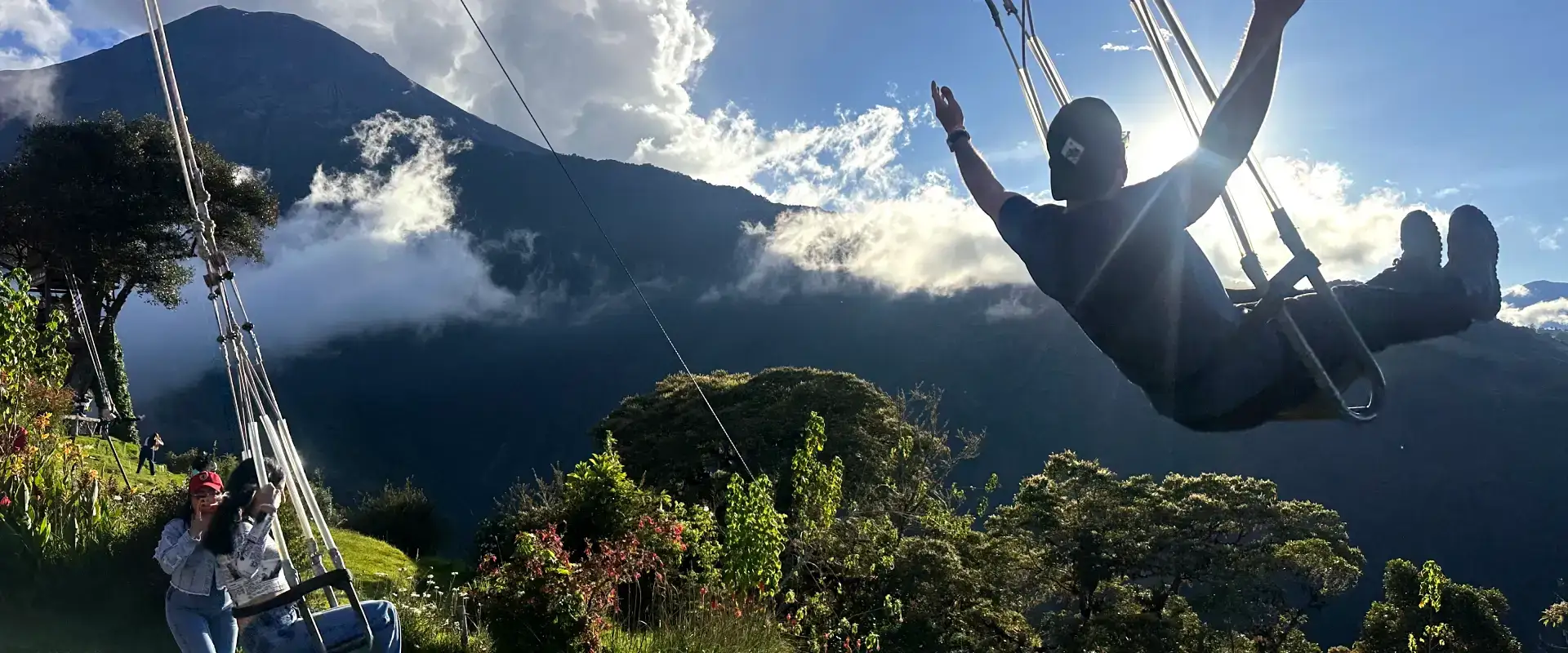 Baños Day Trip from Quito – Waterfalls, Adventure & the Famous SwingPlanning a banos day trip from quito? Here is how to get there, which waterfalls to see, what the famous swing is like and a timed plan for the day.
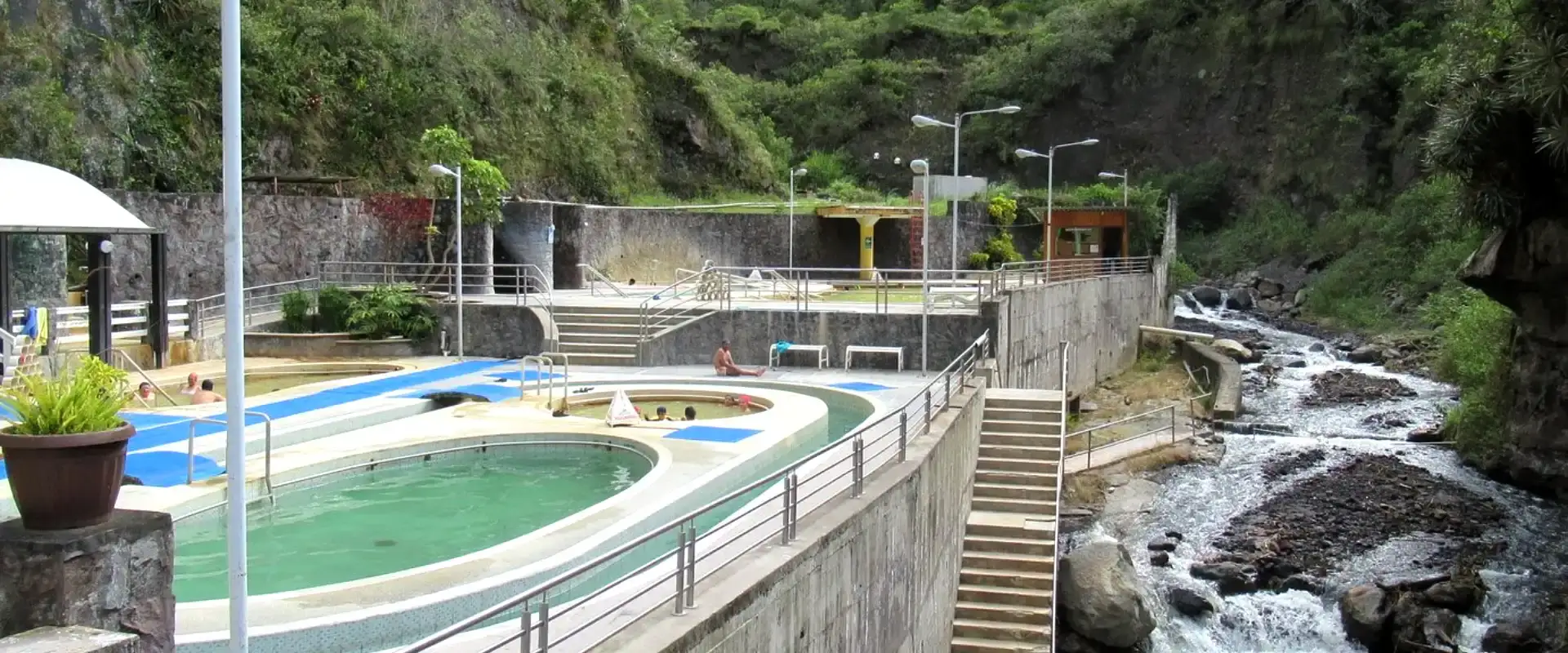 Banos Hot Springs: 5 Thermal Pools in Ecuador’s Adventure TownBanos hot springs in Ecuador: the four public pools ($4 entry), hours, which one to pick, the Luna Volcán spa, what to pack and how many days to plan.
 Is Ecuador Safe to Visit in 2026? Honest Local Safety GuideIs Ecuador safe in 2026? An honest guide by local guides: regions to avoid, Quito vs Galápagos, scams, transport and tips for solo women travelers.